Why These Stories Matter
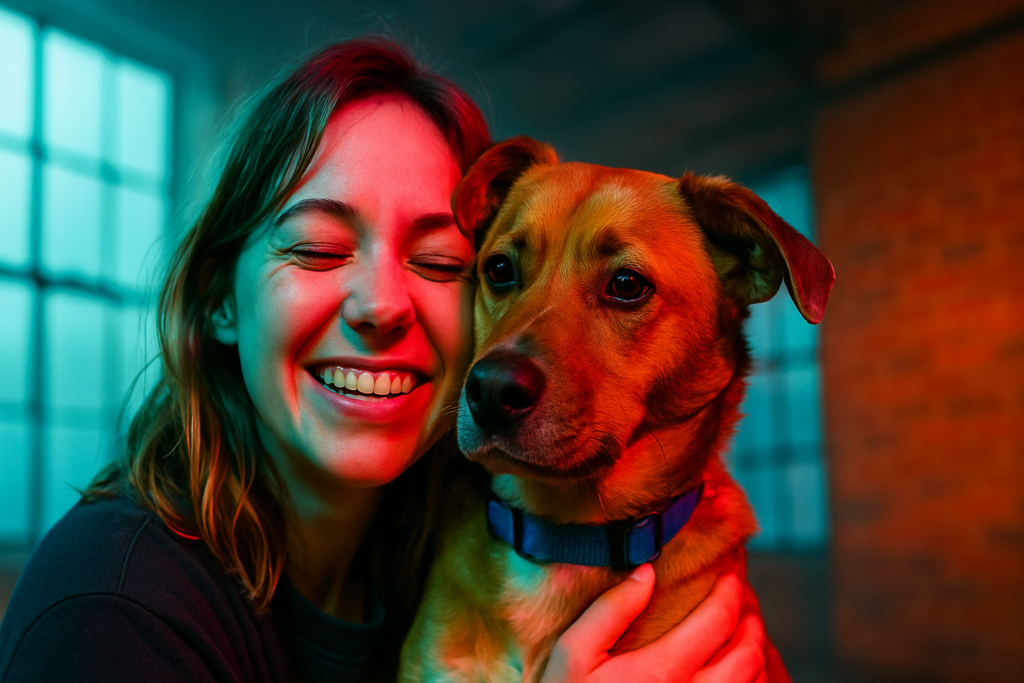
Adoption is about more than a warm bed and full food bowl. It’s about two lives meeting at the right moment. For the pet, it’s a second shot at safety and care. For the person, it’s often healing they didn’t know they needed. These stories cut deeper than rescue they’re about connection.
Research keeps backing what adopters have felt all along: pets reduce stress, combat loneliness, and help build routine. For people dealing with anxiety, trauma, or loss, the steady presence of an animal brings a kind of relief words don’t quite capture. And it works both ways. Pets from hard situations often open up once they sense stability and love.
That’s why these stories stick. They’re not flashy. But there’s power in seeing lives turned around, slowly, day by day. One adoption fuels another community shifts when people see what’s possible. A dog curled up on a couch. A cat learning to trust again. A person smiling a little more than they used to. These aren’t just feel good stories; they’re reminders that change is real, and it often starts with a leash, a trip home, and a bit of patience.
Against All Odds
Some animals come from places most of us can’t even imagine. Abandoned, starved, or mistreated. Yet somehow, they pull through. They don’t forget, but they do forgive with time, care, and a whole lot of patience.
Take Rosie, a senior pit bull found trembling in an abandoned warehouse. She resisted touch for weeks, flinching at the sound of footsteps. But her foster mom, Emily, showed up every day, gently sitting nearby, reading out loud. No expectations. Just presence. Slowly, Rosie began inching closer. Today, she greets guests with tail wags and sleeps sprawled across the couch like she owns it.
Then there’s Milo, a one eyed cat rescued from a hoarding situation. He lived in shadows, never making eye contact. With quiet mornings, soft music, and tuna bribery he came out of hiding. He now naps in sunlight and has a dedicated Instagram following of cat enthusiasts watching his journey.
What these stories have in common isn’t a flashy transformation. It’s grit. It’s the daily, often quiet work of regaining trust. It reminds us that healing isn’t linear, but it is possible. And when it happens, it’s nothing short of remarkable.
Second Chances, New Beginnings
Senior pets aren’t always the first to get adopted but when they do, it’s something special. These animals bring calm energy, a touch of wisdom, and often, a surprising amount of gratitude. Adopters who open their homes to older dogs and cats usually don’t go in expecting fireworks. What they get instead is quiet companionship, slower mornings, and deep, soulful connection.
Adapting to a senior pet means adjusting routines. Walks get shorter but more frequent. Stairs become optional. Food is tailored, meds are scheduled, beds are orthopedic. It’s not about spoiling it’s about comfort and dignity. Many families say the shift slows them down in the best way. Life with an older pet isn’t rushed. It’s intentional.
The emotional payoff is big. There’s joy in giving a pet, often overlooked for years, a soft landing. There’s meaning in late in life bonds. And for the adopters, knowing they gave a forgotten animal a final chapter filled with safety and affection? That’s the stuff that stays with you long after the leash is hung up for good.
Unlikely Matches, Perfect Fits

Not every adoption story starts with love at first sight. Some begin with hesitation a pit bull mix with a hardened look, or an adopter battling anxiety who isn’t sure they’re ready. But then something quiet clicks. A gentle tail wag, a moment of eye contact, a nap taken side by side. Chemistry doesn’t always appear on day one. Sometimes it waits, unfolds slowly, and then lands with certainty.
These are the stories people don’t expect. The muscle bound dog who ends up being a lap hog. The skittish adopter whose panic attacks ease because their new cat curls up on their chest every night without fail. It’s not about finding a perfect pet on paper. It’s the messy, human, sometimes awkward bond that grows where you least expect it.
These matches serve as a reminder: trust doesn’t always need a roadmap. Sometimes the most healing relationships are the least likely ones. Explore more heartwarming adoption journeys.
Lifesaving Bonds
Not every adoption story begins with a clear purpose. Some people walk into a shelter on a whim, not knowing they’re about to meet a lifesaver.
Like Sarah, a nurse battling burnout and anxiety, who adopted Marley, a mutt with an uneven gait and gentle eyes. She thought she was doing him a favor. What she didn’t expect was how Marley would ground her during panic attacks lying across her chest, steadying her breath. No training, just instinct. That dog never left her side when things got dark.
There’s also Kevin, a retired firefighter. He adopted Luna, a stray rescue, to fill a quiet house. Months later, Luna started pawing insistently at his chest one evening. He shrugged it off until the discomfort became pain. A trip to the ER revealed early signs of a heart attack. The doctors said he came in just in time.
Some pets aren’t just companions. They become radar for illness, anchors for mental health, and silent heroes in moments of crisis. These aren’t one in a million cases either. Therapists have noted that adopted pets often form unusually strong bonds, especially with those recovering from trauma or loss. It’s as if the animal knows.
In many of these stories, the human thought they were stepping up to save an animal. But looking back, it’s clear it went both ways.
The Ripple Effect
Adoption stories don’t just end with a happy pet and a loving home. Many of them spark a larger movement creating waves of compassion, community involvement, and change.
How One Adoption Inspires Many
A single adoption can trigger a chain reaction of support and awareness:
Volunteering: Inspired individuals sign up to help shelters, foster pets, or assist with events.
Donations: Friends, coworkers, and neighbors are moved to contribute supplies, funds, or wish list items.
Advocacy: Adopters become ambassadors, sharing their stories and encouraging others to consider adoption.
These acts, sparked by one experience, add up to real impact across communities.
Community Led Campaigns
Some of the most effective adoption drives begin with personal stories. When people hear about a neglected dog who blossomed into a therapy animal or a senior cat who finally found comfort late in life, they’re compelled to act.
Community led initiatives often include:
Coordinated adoption events with local businesses
Social media campaigns sharing before and after success stories
Fundraisers and awareness efforts tied to individual pets’ journeys
Every personal story has the potential to become powerful advocacy.
Continue the Heartwarming Journey
Want to read more examples of how a single adoption can spark change? Explore more heartwarming adoption journeys that made an impact.
These stories show that when one pet finds a home, many others benefit too.
What We Learn From These Stories
Adoption isn’t always easy. That’s the point. It takes patience to earn trust, to unlearn old fears, to wait out the rough days. It takes compassion to see past a behavior or a medical issue, to understand that every animal has a history. And it takes commitment because this is a long game, not a weekend project.
But here’s the truth: every adoption is a two way rescue. The pet gets a second chance. The human gets perspective, purpose, sometimes even healing. The transformations are mutual and often quiet built from morning walks, nervous tail wags, and the slow rise of routine.
Every pet deserves that shot. That open door. That one person who says, “You’re home now.” And every family has room to grow, stretch, and be moved by the kind of loyalty you can’t buy. These stories aren’t just feel good fluff. They’re proof: adopting a pet can be one of the most raw, real, and rewarding things you ever do.