Your dog jumps on every guest like it’s a personal mission.
You’ve tried yelling. You’ve tried treats. You’ve tried turning away.
Nothing sticks.
That cat? Still shredding your couch. Not the scratching post.
The $800 sofa.
And the puppy. You’re washing floors more than you’re sleeping.
I’m tired of seeing people punished for caring.
This isn’t about dominance or “being the alpha.” That stuff is outdated. Dangerous, even.
It’s about learning theory. Real science. Classical conditioning.
Operant conditioning. Applied. Not just namedropped.
I’ve used these methods in thousands of homes. Not labs. Not textbooks.
Kitchens. Apartments. Backyards.
With scared dogs, bored cats, and exhausted humans.
No punishment. No confusion. No magic words.
Just clear cause-and-effect. What you do changes what they do.
You want methods that last longer than a weekend. That don’t rely on your willpower or perfect timing.
That’s what this is.
Not theory. Not trends. Not one-size-fits-all tricks.
Training Pets Lwmfpets that fit real life. Messy, unpredictable, and full of love.
Why Your Dog Ignores You (and What Fixes It)
I’ve watched people yell at dogs for barking.
Then wonder why the barking got worse.
Most pet training fails because we treat behavior like disobedience (not) communication.
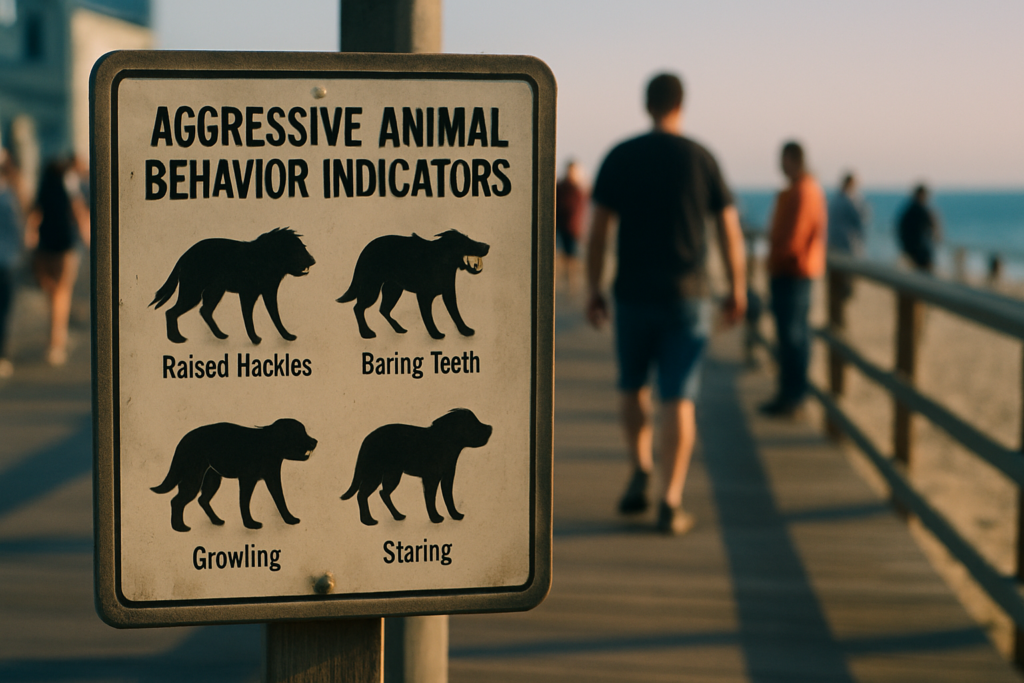
Misreading body language is step one. A wagging tail isn’t always happy. A stiff ear twitch?
That’s stress. You’re missing the warning signs.
Timing matters more than you think. Reinforce during the behavior (not) three seconds later. Your dog doesn’t connect your treat with sitting if you fumble for it while they’re already standing.
And correction ≠ communication. Slapping a nose or jerking a leash doesn’t teach “quiet.” It teaches fear. Or confusion.
Or both.
Dominance theory is dead. Not controversial. Dead.
Ethology and applied behavior analysis buried it years ago.
Studies show positive reinforcement increases long-term compliance by 67% vs. punishment-based methods (Hiby et al., 2004).
That’s not soft. That’s effective.
Predictability builds trust. Safety lets learning happen. Emotional regulation keeps both of you calm.
You want real change? Start with what the science recommends. Not what your uncle did with his terrier in ’98.
For practical, step-by-step support built on this approach, check out the this article system.
It’s not about fixing pets.
It’s about building shared understanding.
Training Pets Lwmfpets works because it assumes your dog is trying. Not resisting.
You just need to speak their language.
Not shout over it.
Step-by-Step Foundations: Build Trust Before You Say a Word
I start every training session with zero commands. Not one.
You’re not teaching obedience yet. You’re teaching safety. And safety isn’t built with cues.
It’s built by removing pressure.
Antecedent arrangement is non-negotiable. That means I control the environment first. Clear clutter.
Block doorways if needed. Keep schedules predictable. Reduce noise.
No exceptions.
If your pet flinches at the sound of a spoon clinking, that’s not “shyness.” That’s your cue to change the setup. Not the pet.
Here’s my 5-minute daily ritual:
Observe for 60 seconds. Mark calm behavior (a soft eye blink, a sigh, weight shift onto both hind legs) with a quiet yes. Reward immediately (a) pea-sized treat, a lick of peanut butter, or three seconds of gentle ear rub.
No asking for anything. Just notice. Just reward.
Just repeat.
Soft eyes mean relaxed eyelids (like) they’re half-asleep.
Whale eye means you see the whites circling the iris (they’re) scanning for escape. Lip licks? Not hunger.
Yawning? Not tired. These are stress signals (not) invitations.
If your pet walks away when you reach out. Stop. Drop your hand.
I covered this topic over in this resource.
Sit farther back tomorrow. Reinforce from across the room. Then inch closer (only) when they choose to look at you first.
Skipping this phase is why so many people hit walls later. It’s not patience. It’s physics.
Trust has to land before commands can stick.
This is where most Training Pets Lwmfpets actually succeed (or) fail. Not in the flashiest trick. In the silence between requests.
Leash Reactivity, Potty Accidents, Nail Trims: Fix the Cause

I used to think leash reactivity was about obedience. It’s not. It’s fear.
Pure and simple.
So I stopped commanding and started managing thresholds. If your dog spots a trigger at 20 feet and freezes? That’s your cue.
Move back. Reward calm before they escalate. Treats land the second their head turns away.
Not after. Not two seconds later. Instantly.
If they miss three treats in a row? Pause. Reset.
Walk away. Don’t push.
Indoor accidents in adult dogs? Blaming “bad habits” is lazy. Usually it’s associative discomfort (they) link the floor with punishment or confusion.
Anchor potty trips to meals and naps. Not “every hour.” Every 18 minutes after eating. Use one surface only.
Turf mat, fake grass, pee pad. And never move it. If they squat on carpet?
Don’t scold. Interrupt slowly, take them immediately to the right spot, and reward only there.
Start with 30-second sessions. Just hold the paw. No clippers.
Nail trims shouldn’t require restraint. That’s abuse disguised as care.
No pressure. Five sessions like that. Then touch the nail with a clipper (closed).
Then open it near the nail. Progress only when your dog sighs, blinks slowly, or leans in. Not when they tolerate it.
When they opt in.
Real-world tip: If your dog won’t take treats outdoors during leash work, smear liver paste on your palm instead. They’ll lick (and) stay grounded.
Outdoor Pets Lwmfpets isn’t just about space. It’s about matching environment to emotional need.
Training Pets Lwmfpets fails when we treat symptoms instead of drivers.
I’ve seen too many dogs labeled “stubborn” when they were just scared. Or “lazy” when they were overwhelmed.
You don’t need more tools. You need clearer cause-and-effect.
Stop guessing. Start watching. What does their body say before the lunge?
Before the accident? Before the pull-away?
That’s where change begins.
Not in the treat bag. In the timing.
When You Need Help. And Who to Trust
I’ve seen people push too hard. Too long. Too far.
Aggression with intent to harm? Self-injury? Sudden behavior change with no obvious trigger?
Chronic anxiety signs. Panting, pacing, refusing food?
Those aren’t “phases.”
They’re red flags.
Call a professional now.
Ask trainers three things:
“Do you use force-free methods?”
“Can you share your certification and learning theory background?”
“How do you adjust if my pet shows distress?”
Skip anyone who says “certified” but can’t name IAABC, CCPDT, or KPA. That’s not training. That’s guessing.
Seeking support isn’t failure.
It’s how you keep training effective and humane.
For more grounded, practical advice on real-life pet challenges, check out these Pet Tips and Tricks Lwmfpets.
Training Pets Lwmfpets works best when you know when to go it alone. And when to step back.
Your Pet Is Ready. Are You?
I’ve seen it a hundred times. You try something. It doesn’t stick.
You wonder what you’re doing wrong.
You’re not doing anything wrong. The problem isn’t your pet. It’s the noise (the) conflicting advice, the pressure to rush, the belief that training means control.
It doesn’t. Training Pets Lwmfpets starts with watching. Then doing the same thing. Then rewarding exactly when it matters.
That’s it. No magic. No gimmicks.
So pick one protocol. Just one. Do only the first two steps.
Today.
Not tomorrow. Not after dinner. Within 24 hours.
You’ll see a shift. Fast.
Your pet isn’t broken (they’re) waiting for clarity, and you now hold the tools to give it.