Watching your cat get older is one of those things you don’t quite see coming. They slow down. They change. By the time the shifts look really obvious, several years of small age-related changes are usually already behind them. Vets classify cats as senior from age seven and geriatric from eleven. The most important changes start years before anything looks wrong, and almost all of them can be supported at home with a few small adjustments.
This guide walks you through what really changes in senior cat care after age ten.
Diseases That Become More Common After 10
A handful of conditions become noticeably more common past ten, and the difference between catching them early and catching them late is significant.
Diabetes
Diabetes risk climbs sharply after age 10, particularly in cats carrying extra weight. The early cat diabetes symptoms include increased thirst and more frequent urination, plus weight loss despite a normal or even bigger appetite.
These usually show up well before bloodwork would have caught the disease. The first thing you’ll often notice is your cat draining the water bowl faster than usual. KittySpout’s full guide covers the subtler signs too, including coat condition shifts and changes in gait and energy. When caught early, feline diabetes is manageable. Some cats even reach remission.
Chronic Kidney Disease
Chronic kidney disease is the most common serious diagnosis in older cats. The hard part is how quietly it progresses. By the time visible symptoms appear, a substantial fraction of kidney function is often already gone.
Routine bloodwork from age seven catches it earlier, while interventions can still meaningfully slow the disease. Increased thirst is sometimes the only early sign you’ll notice at home, which is one reason hydration tracking matters from age seven onwards.
Hyperthyroidism
Hyperthyroidism is one of the most treatable senior diseases when it’s caught early. The signs look counterintuitive. Your cat loses weight while their appetite goes up. They become restless and develop a coarser coat, sometimes with a noticeably fast heart rate. It’s most common in cats over age ten and easy to confirm with a simple blood test. Treatment options range from daily medication to a one-time radioactive iodine therapy that resolves the condition permanently for most cats.
Adapting Your Home For A Senior Cat
Most of the changes that matter most aren’t medical. They’re environmental. A senior-friendly home reduces the daily friction that compounds into bigger problems.
Encouraging Water Intake Around The House
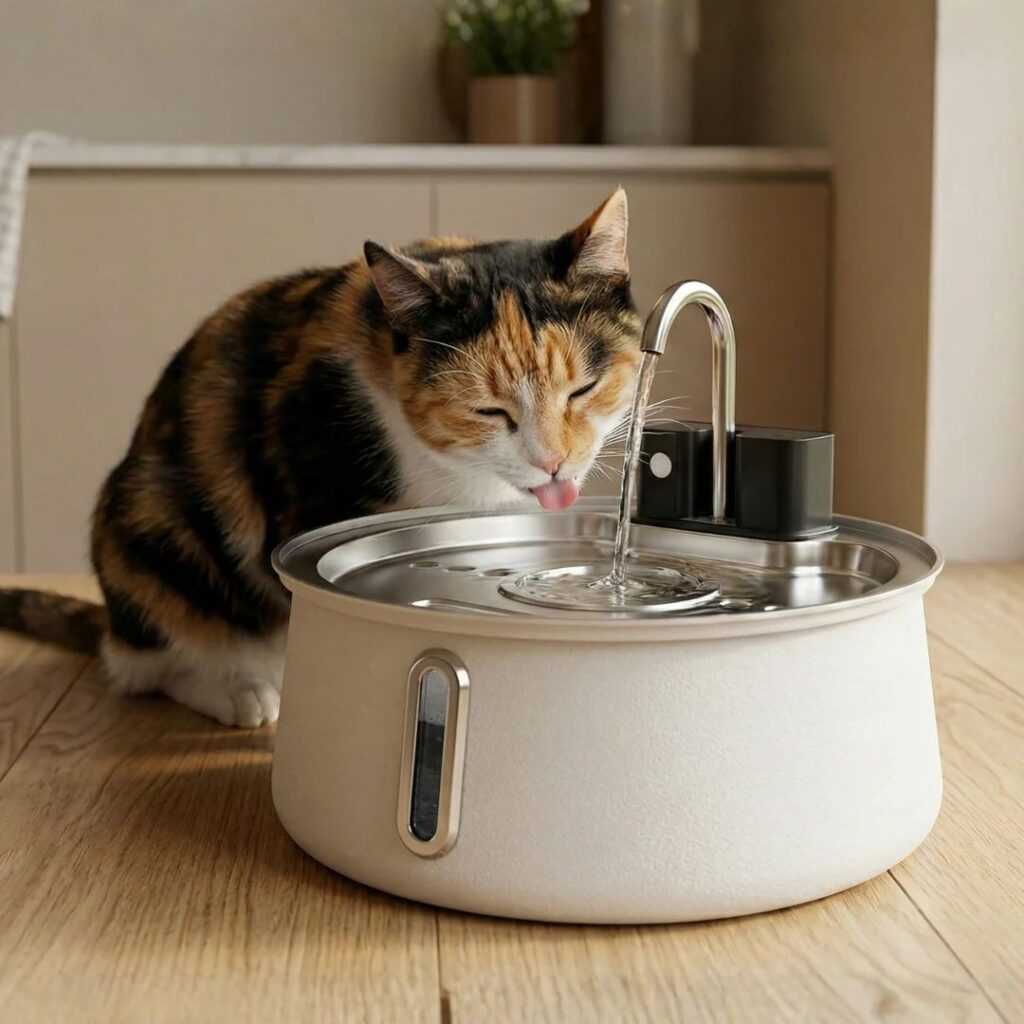
Multiple water stations placed away from food and litter increase the odds your senior cat will drink consistently across the day. A wireless cat fountain makes that setup much simpler. You can put fresh moving water in quiet low-traffic corners without running cables across the room. Most cats drink more from moving water than from a still bowl, and cats prefer drinking away from busy areas.
KittySpout’s fountains use a stainless steel basin and a replaceable carbon filter, both of which matter more for senior cats because declining kidney function makes water palatability directly affect daily intake.
Litter Box Placement And Access
Litter box avoidance in seniors is almost always a mobility or placement issue, not a behaviour one. Low-sided boxes prevent the hesitation that comes with stepping over a high edge on stiff hips. Two or more boxes on the same floor matter more than they used to. Climbing stairs to reach the only box in the house is sometimes enough to cause accidents. Keep boxes away from food and water bowls and away from noisy appliances.
Soft Resting Spots And Warmth
Senior cats sleep more and feel cold more. A heated bed, a sunny window perch, or a soft blanket draped over a favourite chair gives your furry friend the warmth that eases stiff joints. Arthritis pain is consistently worse in cold weather, and a comfortable resting setup is one of the cheapest interventions in senior cat care. It’s also one of the most appreciated.
Why Hydration Becomes Harder To Maintain
Cat hydration matters more as your cat ages. Ironically, staying properly hydrated also gets harder. The reasons are part biology, part habit.
The Decline In Thirst Drive
Cats evolved from desert ancestors with a low natural thirst drive. They were built to pull most of their water from prey, not to drink it freely from a bowl. That low baseline becomes a real problem with age.
Your senior cat needs more water to support declining kidney function, but feels less compelled to seek it out. The practical takeaway is simple: don’t rely on your cat to feel thirsty. Hydration becomes a setup problem you solve with placement and presentation.
What Healthy Daily Intake Looks Like
A useful rule of thumb is around 50-60 ml of total water per kg of body weight per day, counting water from wet food. A 4 kg senior cat needs roughly 200-240 ml across the day. The easiest way to track at home is to mark your cat’s water bowl level in the morning and check it 24 hours later. A sudden change in either direction is worth a vet call. Annual bloodwork from age seven catches hydration-driven shifts in kidney markers that often signal trouble first.
Diet Adjustments That Matter Most
Your older cat’s nutritional needs shift, and what worked at five or six often isn’t quite right by ten.
Protein And Calorie Needs Shift With Age
Your cat probably needs more digestible protein now, not less. The old advice to drop protein for seniors has been quietly revised. Newer thinking on feline kidney health suggests that keeping high-quality animal protein in your senior cat’s diet helps them hold on to lean muscle mass as they age.
What matters most is digestibility and the quality of the source, not the headline percentage on the bag. If your cat is losing weight even though they’re still eating well, they almost certainly need more dietary support.
Why Wet Food Becomes More Important
Wet food matters more in senior nutrition because it doubles as a hydration vehicle. Cats on dry food have to pull most of their daily water from drinking, and aging cats are already prone to under-drinking. Switching to wet or partly-wet feeding gives your senior cat a steady moisture boost with every meal. There’s a dental reason too. Many older cats lose teeth or develop gum disease, and softer textures are much easier to eat. If your cat has snubbed wet food before, try warming it slightly to release more aroma.
Mobility Changes And Joint Support
Cats hide pain well, which is one reason most arthritis in seniors goes unreported. Your feline friend won’t tell you when their joints start to hurt, so you have to read the signs yourself.
Signs Of Arthritis Cats Try To Hide
Feline arthritis is more common in older cats than most owners realise. It’s now thought to be near-universal in cats over twelve, though very few cats are ever formally diagnosed.
The signs are easy to miss.
Your cat takes the long way around instead of leaping onto the windowsill they used to nail in one go. Litter box edges start getting missed. Grooming around the spine and hind legs drops off, because reaching back there has started to hurt. Sleeping spots migrate to lower furniture.
Small Home Adjustments For Better Kitty Joints
A few inexpensive changes can take a lot of friction out of an arthritic cat’s day. Pet stairs beside your cat’s favourite resting spots remove the hard jump onto and off the bed. Lower-sided litter boxes prevent the missed entries that come from stepping over a high edge on stiff hips. Non-slip mats give traction on hard floors. And heated beds help most in winter. Joint stiffness visibly eases with a bit of warmth, and your cat will seek it out on their own.