Why Label Reading Isn’t Optional

Pet food shelves are packed with packaging that sounds great but means very little. Labels throw around words like “natural,” “premium,” or “vet recommended” but most of these don’t have any legal weight. That means a bag can say one thing and deliver something completely different inside.

Reading the label is your first defense against feeding your dog or cat fillers, junk ingredients, or even harmful additives. Ingredient lists and nutrition panels reveal a lot if you know what to look for. Skip that step, and you’re gambling with your pet’s health.

The biggest issue? Transparency. Many brands focus their marketing on buzzwords while hiding cheap ingredients like corn gluten meal, artificial colorings, and unnamed meat sources toward the bottom of the list. Reading past the front of the bag helps you cut through the hype and choose food that actually supports your pet’s health.

Bottom line: Don’t trust the tagline. Trust the label and learn how to read it.

Decoding the Ingredient List

Start with the ingredient list. Pet food makers are legally required to list ingredients by weight and that matters. If meat isn’t the first ingredient, you’re not getting a protein rich product. You’re probably paying for grains, fillers, or starches doing most of the heavy lifting. The best quality foods lead with whole, named meats like “chicken,” “beef,” or “salmon.” Anything vague is a red flag.

Speaking of vague: watch for words like “meat by products,” “animal meal,” or just “poultry.” These are catchall terms that can mean anything from organs to feathers, and you won’t know what animal they even came from. It’s cheap, low grade protein, and your pet deserves better.

Lastly, check how many whole food ingredients show up before the first preservative or vitamin mix. A short list full of real ingredients is usually a good sign. Long, chemical packed lists? That’s processed filler trying to pass as nutrition. Less noise, more real food that’s the goal.

Watch Out for Marketing Traps

Some terms on pet food packaging sound like they mean quality but most don’t legally mean much. “Grain free” might sound healthier, but unless your pet has a specific allergy, grains like rice or oats aren’t the villain. In fact, the words “grain free” often just mean the food uses other carbs like peas or potatoes instead, which can sometimes lead to different nutrition imbalances.

“Natural” is another vague term. It suggests fewer chemicals or artificial ingredients, but the FDA’s guidelines are loose. A food labeled natural might still include synthesized vitamins or highly processed materials. Same goes for “premium” there are no regulations backing that claim. It doesn’t guarantee better ingredients or sourcing. It’s marketing, not merit.

When scanning packaging, red flags include ingredients like “meat by product,” “animal digest,” or “flavor” without specifics. Look for transparency ingredient lists where you easily recognize most of the items. Chicken meal? Fine. Chicken flavoring? Not so much. And if the front of the bag says one thing, but the ingredient list tells a different story, trust the fine print.

Yes, some brands bury the truth in legal loopholes. They might split low quality ingredients across multiple names to make them look less prominent or use misleading images of fresh meats and veggies while packing the formula with fillers.

Bottom line: flashy claims don’t feed your pet real ingredients do. Read past the promises.

Key Nutritional Info You Should Always Check

nutritional facts

The “Guaranteed Analysis” section on a pet food label is supposed to break down the core nutrition things like protein, fat, fiber, and moisture. But here’s the catch: it only states minimums and maximums. For example, a bag might say “minimum 25% protein,” but that doesn’t tell you how digestible or high quality that protein is. So while it’s helpful, it’s not the whole picture.

Next, look for the AAFCO nutritional adequacy statement. AAFCO the Association of American Feed Control Officials sets standards for what’s considered a complete and balanced diet for pets at different life stages. The key phrase you want to see is something like: “formulated to meet the nutritional levels established by the AAFCO Dog Food Nutrient Profiles.” Translation: it’s designed to be a full meal, not a treat, and covers basic health needs.

Now macros. A good balance often depends on your pet’s age, breed, and activity level, but a solid starting point for dogs is food with at least 18 22% protein, moderate fat (around 8 15%), and under 5% fiber. Too much fiber could mean low quality fillers; too little protein, and you’re not giving your pet the fuel they need. These numbers aren’t just data they’re how you separate solid nutrition from marketing fluff.

Matching the Label to Your Pet’s Needs

Not all pet food is created equal and not all pets need the same fuel. Your dog’s age, weight, breed, and activity level should factor into every food buying decision. A couch loving senior Labrador doesn’t need the same protein and calorie punch as a high strung Border Collie that runs agility courses every weekend. Same goes for cats. A sedentary indoor cat has different nutritional priorities than a lean outdoor hunter.

Breed quirks matter, too. Some breeds are prone to allergies or joint issues, and certain foods cater to those. Puppies and kittens are growing fast they need formulas supporting development. Seniors benefit from lower calorie blends packed with more joint boosting nutrients. The activity question is simple: more energy burned = more energy needed. Don’t fuel a Ferrari like a Ford.

If you’re unsure, don’t guess. Use a vet approved feeding guide or nutritional calculator to match diet recommendations to your pet’s profile. Better still? Ask your actual vet. They know what works and what’s marketing fluff.

For extra help finding balanced, label smart options, check out this breakdown: Choosing Pet Food.

Pro Tips for Smarter Shopping

“Grain free.” “Veterinarian approved.” “All natural.” Sounds great, right? But just because it’s on the front of the bag doesn’t mean it tells the whole story. Brands can slap on attention grabbing claims without offering real transparency. That’s where your own research kicks in. Visit the brand’s website. Look for third party testing or certifications. Google their recall history. If something feels off, it probably is.

Skip the marketing fluff and zero in on the ingredient list and nutritional panel. That’s where the truth lives. If meat isn’t the first ingredient or the list starts with something like “corn gluten meal” you may want to keep looking.

Once you do bring a new food home, be ready to play scientist. Track your pet’s energy level, coat condition, stool quality, and general behavior over the first few weeks. Change doesn’t happen overnight, but patterns do emerge. What you’re looking for is a steady, healthy response not digestive drama or sluggish moods.

Shopping smarter means trusting your gut, checking the facts, and keeping your pet’s well being front and center.

When in Doubt, Use Reliable Resources

Your vet should always be your first stop not a comment thread or a trending post. Pets have individual needs, and no influencer knows your animal like your vet does. If you’re unsure about a label, ingredient, or recommendation, book an appointment. Real expertise matters.

Beyond vet advice, use tools backed by actual data. Several food selector apps and verified ingredient databases break down nutritional facts in a way that’s easy to digest. They’re not flashy, but they’re grounded in science, not hype.

Still researching? Bookmark this trusted breakdown: Choosing Pet Food. It’s practical, updated, and worth revisiting anytime you’re standing in the aisle trying to decode another bag of kibble.


Why Rainy Days Don’t Mean Lazy Days

Staying indoors due to weather doesn’t mean skipping out on the movement your pet needs. Daily exercise is vital not only for your pet’s physical health but also for their emotional well being. Rainy days can disrupt routines, but indoor alternatives can keep your pet active, stimulated, and happy.

Why Exercise Matters

Regular movement provides numerous benefits for pets:
Maintains a healthy weight
Supports joint and muscle health
Reduces anxiety and destructive behavior
Keeps the mind stimulated and alert

Even a couple of days without activity can lead to restlessness, mood changes, and unwanted behaviors.

Signs Your Pet Needs More Movement

Watch for these common signals that your pet may be feeling bored or under stimulated:
Excessive barking or whining
Chewing or scratching furniture
Zoomies or sudden bursts of energy
Pacing, digging, or restlessness
Frequent nudging for attention

These behaviors are natural signs that your pet is craving mental and physical outlets.

The Role of Indoor Workouts

When outdoor time is limited, indoor workouts help keep consistency in your pet’s routine. With thoughtful planning, indoor activities can:
Provide needed exercise without leaving the house
Reduce stress and behavioral issues
Offer fun bonding opportunities for you and your pet
Keep your pet’s routine stable, even on rainy days

Indoor workouts are not just backup options they’re valuable tools to ensure your pet stays balanced and engaged, no matter the weather.

Obstacle Courses in the Living Room

You don’t need fancy gear to keep your pet active indoors. Just look around your living room already has most of what you need. Chairs and couches? Perfect for makeshift tunnels or weaving paths. Toss in cushions or rolled up towels, and you’ve got soft jumps and safe landing zones.

Start simple: drape a blanket over two chairs for a crawl tunnel. Line up some pillows to create a low jump. Use couch cushions as stepping stones. For puzzle paths, scatter treats around obstacles to guide your pet through the course. Change it up often to keep things interesting.

Dogs that thrive on physical activity will love the challenge. High energy cats yes, they exist also enjoy structured play when the setup sparks their curiosity. It’s low cost, low tech, and surprisingly effective at burning off that cabin fever edge.

Make sure the course is safe. Watch for slipping surfaces or sharp corners. Supervise play and start slow if your pet’s new to it. Once they get the hang of it, expect more tail wags (or proud cat struts) than usual.

Treat Motivated Activities

Rainy days are perfect for sneaky training sessions and brain games especially if there’s food involved. Most pets will jump at the chance to earn a snack, which makes training less of a chore and more of a game. Teaching new tricks with small treats doesn’t require special gear just patience, consistency, and a bite sized reward. Think sit, stay, spin, or even paw targeting for cats.

Hide and seek turns dinner into an adventure. Scatter kibble or stash favorite toys around the room and let your pet track them down. It’s a great way to engage their natural foraging instincts and keep them moving indoors. Start easy, then gradually make it tougher to maintain interest.

Food dispensing puzzles are another smart workaround for low activity days. They slow down eating, sharpen focus, and often trigger a little problem solving. Whether it’s a rolling treat ball or a snuffle mat, the right puzzle keeps your pet working for their reward and gives you a few quiet minutes to breathe.

Whether you’re training, hiding treats, or offering puzzles, the goal is the same: movement, mental stimulation, and a better behaved pet when the rain finally clears.

Interactive Toys and Tools That Do Heavy Lifting

heavy duty toys

Some days, you need backup. That’s where interactive toys earn their keep. Automated laser pointers keep cats darting and pouncing without you lifting a finger. For dogs, motion activated balls can spark chase mode in the living room. These tools aren’t just distractions they’re legit workouts if used the right way.

Have a high energy dog? A treadmill might sound over the top, but it’s a solid option. Start slow. Let your dog explore it while it’s off. Use a leash at first, never leave them unattended, and always keep sessions short 10 to 15 minutes max. Pair the tread with praise or treats to keep the vibe positive, not punishing.

Rotating toys are another quiet hero. Think toy boxes where one or two items “disappear” for a while. Bringing them back into the mix after a week can feel brand new for your pet. Rotation keeps excitement up and burnout down.

A handful of the right toys automated or not can save your sanity when the weather locks you in.

Scent Games for Mental & Physical Stimulation

On days when the skies refuse to cooperate, scent games are a sneaky way to tucker out your pet without much square footage. Start simple: take a treat or favorite toy and drag it along the floor to build a scent trail. Hide it behind a door, under a chair, or inside a cardboard box. Then set your dog or cat loose to follow the trail. It’s instinctual, it’s fun, and it works.

Another low effort winner? The muffin tin game. Grab a six or twelve slot muffin pan, pop a treat into a few slots, and cover all the holes with tennis balls. Your pet has to sniff out the rewards and figure out how to remove the balls to earn them. It’s part brain teaser, part treasure hunt.

These scent driven activities don’t require tons of space or prep, but they engage your pet’s most powerful sense and burn off mental energy especially helpful on long, rainy stretches with limited walks.

Tug of War and Fetch: Yes, Indoors

When played right, tug and fetch can be solid go to indoor workouts even in small spaces. The key is picking the right environment and gear. Make sure you’ve got a clear zone, ideally on carpet or a non slip rug. Sharp turns on slick floors = vet bills. Keep breakables out of reach and cut out distractions so your pet can focus on the game.

Go for soft, durable toys made for tug not old shirts or ropes that fray. Look for materials that won’t damage teeth or scratch floors. If your pet gets overexcited, train a release command early on (think “drop it”). This keeps the game safe and prevents it from spiraling into chaos.

Tug isn’t just a wild pull fest it actually builds real muscle and deepens your bond. When done with control, it reinforces impulse regulation and trust. Keep sessions short (5 10 minutes is plenty) and end while your pet’s still having fun. Same goes for fetch. Use soft fetch toys, roll instead of throw if space is tight, and mix up directions to keep it interesting.

Bottom line: tug and fetch are more than just time killers. With the right setup and approach, they’re power tools for indoor play productive, safe, and crazy effective.

Tailored Routines for Different Pets

Not all pets are made the same and their indoor workouts shouldn’t be either. High energy dogs like border collies or terriers need structured play to burn bounce. Think quick obstacle runs, fetch intervals, and new trick drills. Toss in some treat puzzles between rounds to keep their minds moving. On the other hand, senior dogs need gentler engagement: slow paced scent games, light indoor walks, or simple training refreshers that keep them active but not overworked.

Cats? Some love a good nap, but active breeds like Bengals or Abyssinians won’t sit still for long. This is where target training and teaser toys come in handy. Get them chasing dots or practicing basic behaviors (like “touch” or “spin”) for rewards. It’s low floor, high ceiling engagement that works well on rainy days.

Even small pets want in. Bunnies, ferrets, and guinea pigs need exercise to stay healthy and stimulated. Set up cardboard mazes, safe climbing toys, or shallow boxes to burrow through. Let them explore under supervision you’ll be surprised how much energy these little ones have to burn indoors.

Extra Resources & Proven Ideas

Rainy days can test your creativity, but luckily, you’re not on your own. There’s a whole world of at home pet workouts out there, and many of the best don’t cost a dime. Think sofa cushion mazes, hallway sprints, or even a “find the treat” challenge behind cardboard boxes. If your pet looks bored, it’s time to switch it up.

Need more inspiration? This guide to indoor play for pets is stacked with practical ideas you can set up today no special gear required.

Bookmark it, especially for those weeks when weather ruins your backup plan. Your pet will thank you. Probably with another zoomie lap through the kitchen.

Why Your Senior Pet’s Diet Needs to Change

As pets age, their bodies naturally change and so do their nutritional needs. What worked for your pet as a youthful adult may no longer support their health in their senior years. Understanding these shifts is the first step toward giving them the best care possible.

How Aging Affects Digestion, Metabolism, and Appetite

A senior pet’s body processes food differently than it once did:
Slower metabolism means they burn calories less efficiently, which can lead to weight gain or, conversely, weight loss if they eat less.
Digestive changes may reduce nutrient absorption or make certain ingredients harder to tolerate.
Decreased appetite is common, whether due to less activity, declining senses, dental issues, or underlying health conditions.

These factors mean that even if your pet is eating the same food as always, they may not be getting the nutrition they need.

Common Health Issues That Diet Can Help Manage

Many age related health concerns can be supported or even improved with thoughtful dietary changes:
Joint stiffness or arthritis can be alleviated with omega 3s and anti inflammatory nutrients.
Kidney function decline may require lower phosphorus intake and more moisture rich food options.
Cognitive aging is sometimes helped by antioxidants and specific brain supporting nutrients.
Heart conditions often benefit from restricted sodium and tailored nutrient profiles.

Being proactive with the right food could help slow disease progression or reduce discomfort.

Red Flags: When Your Pet’s Current Food May No Longer Be Enough

Not sure if your pet’s diet still fits their life stage? Watch for these signs:
Noticeable changes in weight, either up or down
Increasing lethargy or a drop in enthusiasm around mealtime
Changes in coat quality, such as dullness, dryness, or shedding
More frequent digestive issues, like constipation or soft stools
Joint stiffness after rest or difficulty with stairs

If you’re seeing any of these symptoms, it’s time to reassess their nutrition plan. A small adjustment in diet can lead to significant health improvements.

Key Nutritional Needs for Aging Pets

As pets get older, their bodies change and so should their food. Protein moves to the top of the priority list. Older pets need more of it to maintain muscle mass, but it can’t be just any protein. It needs to be high quality and easy to digest. Think chicken, fish, and properly formulated senior pet foods that skip the unnecessary fillers.

Fiber also becomes a quiet hero. It keeps the digestive system running smoothly, which can be a game changer for pets prone to constipation. Look for whole grains, pumpkin, or specially added fiber blends in senior specific recipes.

Then there’s the stuff you don’t always see: omega 3 fatty acids, antioxidants, and joint friendly ingredients like glucosamine or chondroitin. These support brain health, mobility, and immune function basically all the systems aging slowly wears down.

Last but not least: calories. Senior pets can pack on pounds faster, but underfeeding them can lead to weakness or muscle loss. The key is balance controlled portions with dense nutrition. You’re not aiming to feed less food, you’re aiming to feed smarter.

Explore essential tips for senior pet nutrition

Choosing the Right Type of Food

food selection

Aging pets come with aging mouths. That means tooth wear, sensitivity, or even missing teeth so texture matters.

Wet food is often the easiest on older teeth and gums. It’s soft, easy to chew, and helps with hydration if your pet isn’t drinking much. Dry kibble still has a place, especially if it’s made to be softer or specially shaped for seniors, but it can be tough on fragile mouths. Raw diets? Tricky. Some swear by the benefits, but raw meat can carry risks for compromised immune systems plus, it may not be gentle on aging jaws.

Prescription diets are tailored to specific health needs like kidney support or joint health, and vets often recommend them for a reason. That said, there are solid over the counter senior formulas packed with high quality ingredients if you do your homework. Read labels like you mean it: watch out for excess fillers, vague terms like “meat by product,” and added sodium, which older pets don’t need.

Bottom line: the best food is the one your pet can eat comfortably, digest easily, and thrive on. Always tailor the choice to your pet’s specific needs, not just the name on the bag.

Vet Recommended Feeding Strategies

As pets age, their digestion, metabolism, and nutritional needs change so should your feeding approach. Creating a feeding routine that supports health, comfort, and predictability can make a significant difference in your senior pet’s quality of life.

Scheduled Feeding vs. Free Feeding

Choosing the right feeding structure is crucial:

Scheduled Feeding (Set Meal Times):
Helps regulate digestion and reduces the risk of overeating
Allows you to monitor appetite loss of which could signal health issues
Ideal for pets managing weight or taking daily medication

Free Feeding (Food Always Available):
May work for pets that self regulate well
Less ideal for pets with reduced metabolism or weight issues
Can contribute to mindless snacking and digestive problems in older animals

Tip: Most vets recommend scheduled feeding for senior pets to better manage calorie intake and health monitoring.

Transitioning to a New Food Safely

Want to switch to a senior specific formula? Do it gradually to avoid digestive upset:

Follow a 7 10 Day Transition Plan:
Day 1 3: 25% new food + 75% current food
Day 4 6: 50% new food + 50% current food
Day 7 9: 75% new food + 25% current food
Day 10: Fully transitioned to new food

Watch for Signs of Intolerance:
Loose stool, vomiting, excessive gas, lack of appetite
If symptoms persist beyond a day or two, consult your vet

Introducing Supplements: When and How

Not all senior pets need supplements, but when used appropriately, they can support joint health, digestion, immune function, and cognitive performance.

When to Consider Supplements:
Your vet identifies a nutritional deficiency or condition (e.g., arthritis, anxiety, dry skin)
Signs of mobility issues or discomfort during activity

Smart Supplement Strategies:
Choose vet approved, species specific products (avoid generic human grade options unless advised)
Introduce one at a time to track effects
Mix with meals or use treat style supplements for easier dosing

Supporting your senior pet with the right feeding strategy can help them thrive in their golden years it’s not just about what they eat, but how and when they eat that matters.

Go deeper into senior pet nutrition best practices

Supporting Your Pet Beyond the Bowl

Aging pets often drink less water, which can quietly lead to dehydration and fatigue. If your senior pet isn’t going to the bowl often, try adding water directly to their food. Wet food naturally boosts moisture intake, but even dry kibble can be soaked in warm water or low sodium broth to increase hydration. Ice cubes made of tuna water or chicken broth are another easy trick that doubles as a treat.

Food does more than fill their belly it shapes how they feel. A diet balanced in nutrients like omega 3s, antioxidants, and high quality protein can noticeably improve energy, mood, and even willingness to play. Watch how your pet acts after meals. A sluggish or irritable response might signal that something’s off nutritionally.

Routine vet check ups matter more than ever. Older pets hide discomfort well, and diet related issues like kidney strain or weight fluctuation can sneak in unnoticed. Regular screenings give you and your vet a chance to fine tune meals, add supplements if needed, and adjust feeding strategies before small problems grow bigger.

Food isn’t just fuel it’s care. And with older pets, that care needs to be intentional.

Choosing Wisely, Feeding Better

Trendy pet foods might look good on social media, but that doesn’t mean they’re right for your senior pet. What matters more is understanding your pet’s specific health needs what they struggle with, what they tolerate, and what actually makes them feel better. A diet that works for a young, active retriever might not do much for a 12 year old chihuahua with joint stiffness and a slowing metabolism.

Pay attention to the signs. Is your pet gaining weight? Losing interest in food? Scratching more? Their coat, energy level, and behavior all speak volumes about their nutritional health. Making small, timely changes to their food can relieve discomfort and sometimes catch issues before they turn into vet visits.

No diet can stop the clock, but the right food can make those later years easier for both of you. Aim for balance. Look past the marketing. And remember: good nutrition won’t perform miracles, but it can definitely deliver more good days.

Must Have Travel Documents and Tags

Traveling with your pet isn’t just about treats and toys it starts with paperwork. First, make sure your pet’s vaccination records and health certificates are up to date. Most airlines and hotels won’t even talk to you without them, and some destinations require proof of specific vaccines, like rabies, before you cross any borders.

Heading overseas? You’ll need a pet passport or equivalent paperwork, depending on where you’re going. These documents prove that your pet meets local health import rules and can save you from unexpected quarantines.

Microchipping is a no brainer, but having that chip registered with current info is just as important. Pair it with ID tags that list your phone number and destination while you travel it’s your first line of defense if your pet gets loose.

Last but not least, proof of ownership matters more than you think. A printed adoption certificate or vet bill with your name on it can prevent legal headaches in emergencies or lost pet scenarios. When you’re far from home, it’s better to have too much documentation than not enough.

The Right Carrier or Crate

Choosing the right travel carrier or crate is one of the most important steps in preparing for a pet friendly trip. A safe, comfortable, and regulation compliant space can greatly reduce stress for both you and your pet.

Know the Travel Type: Airline Approved vs. Car Ready

Different journeys call for different setups. Make sure your transport solution fits the plans:
Airline Approved Carriers: Must meet international and airline specific standards (like size restrictions, ventilation, and secure closures).
Car Ready Crates: Focus on stability, crash safety ratings, and ease of securing to seats.
Check with your transportation provider ahead of time to avoid last minute surprises.

Key Features to Prioritize

Comfort and safety go hand in hand. Look for crates or carriers with:
Proper sizing: Your pet should be able to stand, turn around, and lie down comfortably.
Ventilation panels: Ensure good airflow on at least three sides.
Durable materials and secure latches: Keep your pet protected over long distances.
Padded interiors or removable mats: Add comfort and easy cleanup options.

Crate Training Before You Travel

A pet’s carrier should feel like a secure den, not a punishment. To make it a positive experience:
Let your pet explore the crate well in advance of the trip.
Use treats, toys, or meals to build comfort and familiarity inside the carrier.
Take short car rides or simulate travel scenarios to acclimate your pet gradually.

The more familiar they are with their crate ahead of time, the less anxious they’ll be once you hit the road.

(Explore more on pet travel gear)

Food, Treats, and Bowls

Food is one of those things you do not want to gamble with on the road. Bring enough of your pet’s regular food for the entire trip plus a little extra in case of delays. Changing diets mid travel can lead to stomach issues, which is not fun for anyone in a confined space.

Collapsible food and water bowls are a simple lifesaver. Lightweight, easy to pack, and quick to clean, they make feeding your pet on the go far less of a hassle. Look for silicone models that fold flat and hold their shape when in use.

Stash a few high reward treats in easy to grab spots. These help with training moments and provide quick comfort if your pet’s starting to stress out. Chews or distractions can help keep them calm during tense travel legs.

Lastly, get ahead of motion sickness. Try feeding your pet a few hours before hitting the road too soon and you might deal with clean up, too late and they travel on an empty stomach. Find the right balance for your animal, and stick to it.

It’s not overkill it’s just smart packing.

Health and Safety Supplies

safety equipment

When you’re on the move with your pet, unexpected issues can pop up quickly from scrapes and insect bites to anxiety or messes in the car. Packing the right health and safety supplies can save you serious stress and even a trip to the vet.

Build a Basic Pet First Aid Kit

A reliable first aid kit can handle minor injuries and emergencies. Make sure it includes:
Sterile gauze and non stick pads
Pet safe antiseptic wipes or spray
Tweezers and scissors
Digital thermometer (specifically for pets)
Emergency contact info for your vet and local clinics

Don’t Forget Medications and Supplements

If your pet takes any prescription meds, pack enough for the full trip plus a few extras in case of delays. You may also want to bring:
Calming aids (natural chews or vet recommended medications)
Motion sickness tablets or vet approved alternatives
Supplements for joints, digestion, or stress, if your pet normally uses them

Pest Protection On the Go

Traveling often exposes pets to new environments some of which may be teeming with pests. Stay prepared with:
A tick remover tool
Flea and tick preventative (collar, drops, or tablet)
Travel size pet safe wipes to clean coats and under paws

Keep It Clean: Portable Paw Solutions

After walks through trails, parks, or unfamiliar streets, it’s easy for dirt and bacteria to tag along.
Bring a portable paw cleaner or mitt style towel
Choose quick drying, compact options that are easy to rinse
These help prevent tracking messes into the car or hotel

Packing smart here ensures that your pet stays healthy and comfortable, wherever the road leads.

Comfort Items for Familiarity

Travel throws pets off routine fast. New smells, unfamiliar hotels, strange sounds in the car or cabin these things can stress out even the chillest animal. That’s why comfort items matter. A favorite toy, familiar blanket, or well worn bed can anchor them. It signals safety. Home travels with them.

Think small but meaningful. A plush they’ve chewed to shreds over the years? That’s gold. A blanket that smells like their crate at home? Even better. Don’t bring the entire dog bed if it’s the size of a couch. Keep it simple something easy to pack, easy to wash, but big on comfort. The goal isn’t luxury; it’s familiarity.

These small items can make a big difference during layovers, hotel stays, or while settling into a new Airbnb. Your pet won’t care how many stars the room has just whether their blanket made the trip.

Cleaning and Waste Tools

No matter how well trained your pet is, accidents happen. And when you’re traveling, cleanup needs to be quick and thorough. Start with waste bags more than you think you’ll need. It’s better to run heavy than run short when you’re miles from a store.

For cats, a travel friendly litter box is non negotiable. There are collapsible options that fit easily in your luggage and won’t leave your car or hotel smelling like a kennel. For dogs, bring potty pads, even if they’re fully house trained. New environments and schedules can throw off their rhythm.

Add a roll of paper towels and a small bottle of enzyme cleaner to your kit. They take up minimal space, and they’re essential for cleaning up stains and neutralizing odor fast. When you’re on the move, a tidy space makes the ride smoother for both you and your pet.

Bonus Essentials That Make Life Easier

Sometimes it’s the little things that save your sanity on the road with a pet. A compact brush and nail clipper go a long way toward keeping your buddy clean and comfy, especially if your trip runs longer than a weekend. Don’t skip these tools matted fur and overgrown nails don’t fix themselves.

A travel specific leash and harness set is also smart. They’re usually lighter, more adjustable, and quicker to take on and off than your everyday gear. If your pet tends to get squirmy in unfamiliar places, having backup restraint systems is more than convenience it’s safety.

Speaking of safety, a pet seatbelt or car barrier is non negotiable for road trips. It stops your pet from becoming a projectile in an accident and keeps everyone focused while driving. Bonus: it also helps pets chill during long stretches on the highway.

Finally, corral all this gear in one compact storage bag or organizer. Whether it’s a duffel or a modular bin, having one place for all grooming, walking, and safety items means less rummaging and more relaxing.

(For more packing insights, dive into this complete guide on pet travel gear)

Classic Games That Never Get Old

Fetch: The gold standard of backyard fun. It’s simple toss the ball, they chase it, repeat. Most dogs already know the drill. No fancy gear required, just a ball or stick and some open space. It’s a great way to burn off steam and reinforce recall skills.

Frisbee: For dogs that live for airtime, Frisbee is a step up. The key is finding a durable, dog safe disc that’s easy on their mouth. It builds agility and makes use of that boundless energy. Start short, build distance, and make sure their joints can handle all the jumping.

Tug of War: It’s not just about strength it’s about trust and self control. A sturdy rope toy is all you need. Let them win sometimes, and always end on a positive note. Keep it low stakes, and don’t let things get too rowdy. Tug can be a bonding ritual if done right.

Simple games, big returns. These classics are evergreen for a reason.

Water Based Fun for Hot Days

water activities

When the heat cranks up, it’s time to get wet. These simple water games let your dog cool down while moving their body and brain.

Sprinkler Dash: Set up a sprinkler and watch your dog go wild. The random, unpredictable streams of water are basically a moving target. Dogs love the chase, and it keeps them running without overheating. Just be sure the water pressure is gentle and the ground’s not too slippery.

Paddle Fetch: If you’ve got access to a calm lake or even a wide kiddie pool, bring along a floating toy. Toss it a short distance and let your dog splash out and retrieve. Keep it shallow enough for safety and easy paddling. Bonus: It’s easy on joints and muscles.

Kiddie Pool Time: A backyard classic. Fill a plastic kiddie pool and let your dog jump in, lie down, or paddle their paws around. Add a few toys or frozen treats for extra fun. Supervision is still key even shallow water can be a surprise hazard if you’re not watching.

These games don’t require fancy gear, just a hose, a pool, and a bit of time outside. Keep it chill, stay hydrated, and let them lead the fun.

Brain Games in the Backyard

Outdoor fun doesn’t have to be all about running and jumping. Mental stimulation is just as important for your dog’s health and happiness. These interactive games give your pup a chance to problem solve, use their senses, and bond with you.

Hide and Seek

This classic isn’t just for kids. Dogs love the thrill of the search and it engages their natural sniffing and tracking instincts.
Start simple by hiding behind furniture or a tree
Gradually make it harder by having them wait inside while you hide
You can also hide a favorite toy or treat for extra motivation

Backyard Obstacle Courses

You don’t need fancy equipment to build a fun DIY course that challenges your dog’s coordination and focus.

Try using:
Chairs and broomsticks for jumps
Blankets over tables for tunnels
Cones or buckets to create weaving paths

Make it playful, and reward their effort no pressure, just fun.

Scent Work

Engage your dog’s most powerful sense: smell. Scent based games are both entertaining and mentally tiring, in a good way.
Hide treats around the yard in safe, reachable spots
Use boxes or plastic cups to create a shell game with one treat hidden
Reward them when they find the right spot using only their nose

Want more creative outdoor games for your pup? Check out this guide:
More engaging dog outdoor games

Social Play Ideas

Doggy Playdates: Dogs are social animals, and a good playdate can work wonders for their energy and behavior. But it’s all about the match set your pup up with dogs that have similar play styles and temperaments. Start in a neutral spot like a backyard or quiet park, and keep the group small at first. Always keep an eye on the energy level. If things get too intense, call a quick break. With the right setup, playdates are a safe, fun way to burn extra energy and build dog to dog social skills.

Park Games: Don’t just walk the park make it an event. Pack a ball, rope toy, or flying disc and level up your dog’s outing. Open fields are perfect for chasing games, while shaded areas are great for slower paced sniff and search missions. Avoid the busiest times of day, especially if your dog’s still learning how to behave around distractions. Mix in recall training while they’re having fun, and you turn park time into both a workout and a little obedience tune up.

Tips to Play Safe in Summer

Summer playtime can be a blast, but it’s not without risks especially when the heat cranks up. Aim for early mornings or late evenings when the sun is low and the air’s cooler. That’s when outdoor play is safest and more enjoyable for your dog.

Keep an eye out for overheating. If your dog starts panting hard, drooling more than usual, or slowing down, it’s time to cool things off. Take frequent water breaks and don’t push too hard short bursts of play work best in the heat.

Also, don’t forget about those paws. Asphalt, sidewalks, and even some grassy spots can get scorching. Do the back of the hand test: if it’s too hot for your skin, it’s too hot for their feet.

Summer games should be fun and safe. For more ideas on keeping playtime enriching and cool, check out these dog outdoor games.

What’s Driving the Pet Tech Boom

Pet tech is no longer a niche it’s becoming part of everyday life, especially in homes already wired with smart devices. As more people add voice assistants, app controlled thermostats, and video doorbells, the leap to smart pet gear feels natural. Why scoop kibble when a feeder does it on a schedule? Or guess if the dog’s had enough water when a smart bowl tracks it for you?

Behind the boom is more than just gadget love. Pet adoption has surged, especially among Millennials and Gen Zers who prioritize both wellness and convenience. For this crowd, pets are family, but they also rely on technology to support the relationship especially when jobs, social lives, or travel keep them away from home.

What this all adds up to is simple: peace of mind. Whether it’s checking in via a pet cam, getting real time health insights, or making sure dinner’s served on time, the focus is clear make pet care easier, safer, and smarter.

Smart Collars Are Getting Smarter

The pet collar isn’t just a piece of fabric anymore. In 2026, it’s a full on health and safety device. Modern smart collars come loaded with GPS tracking that updates in real time, paired with geofencing tech that alerts you the moment your pet wanders too far. But what’s new and actually useful is the integration of biometric data.

These collars now track your pet’s heart rate, daily activity, and even stress levels. Think of it as a fitness band, but for your dog or cat. If your pup’s stress spikes while you’re away or their movement slows down day after day, you get notified. You can catch issues early, whether it’s health related or emotional.

The biggest win? Fewer lost pets, and a clearer picture of your animal’s well being. Owners no longer just guess if something’s off they’ve got data. And when that data feeds into vet apps, treatment gets sharper and more precise. Smart collars are becoming the front line in preventive pet care.

Interactive Feeders & Health Devices

As our lifestyles become more tech driven, so too does the way we care for our pets. Feeding and hydration are no longer basic tasks they’re opportunities to support health, form habits, and prevent bigger issues down the road. Here’s how interactive feeders and smart health devices are reshaping pet care in 2026:

Smarter Feeding Solutions

Modern automatic feeders are going beyond simply dispensing kibble. They’re learning from your pet’s habits to provide tailored feeding routines.
Personalized Scheduling: Devices now track your pet’s eating behavior and adjust portions and timing accordingly.
Special Diet Support: Some feeders recognize food types or brands and ensure pets receive the correct formula or prescription diet.
Multiple Pet Management: Smart feeders can now distinguish between pets in multi animal households, delivering different meals to each.

Hydration Tracking with Smart Water Bowls

Staying hydrated is essential, especially for pets prone to kidney or urinary challenges. Smart water bowls help you monitor intake and encourage healthy habits.
Hydration Metrics: Bowls now track how often and how much your pet drinks, with real time data sent to your phone.
Clean Water Alerts: Many systems automatically notify owners when water needs to be replenished or filtered.
Temperature Control: Some high end bowls regulate water temperature for optimal comfort.

Vet Integrated Health Platforms

One of the biggest advancements in pet tech health is the direct integration of data with veterinary professionals.
Real Time Monitoring: Platforms link to devices like feeders, collars, and weight scales to track ongoing health metrics.
Automated Alerts: If unusual patterns in weight, eating, or drinking are detected, both owner and vet receive alerts.
Easier Appointments: Some systems allow direct communication with your vet, including remote check ins and digital health reports.

Together, these innovations reduce guesswork and bring proactive care into everyday life. It’s no longer about reacting to problems it’s about preventing them altogether.

Pet Cameras and Two Way Communication

pet intercom

Today’s pet cams do a lot more than just stream blurry footage of your dog napping. Top of the line systems now come with crisp HD video, two way audio, and treat dispensers that let you reward your pet or distract them on command. Motion alerts help owners keep tabs on real time movement, whether it’s a tail wag or an unauthorized leap onto the couch.

But not all pet cams are created equal. Some come packed with features you’ll never use, or worse, features your pet doesn’t respond to. A good system nails three things: stable video/audio, responsiveness that doesn’t lag, and a clean app interface. Treat flingers are a nice bonus, but only if they don’t jam every third toss. Skip the novelty gear that turns into clutter and focus on core functionality.

One standout use case in 2026? Treating separation anxiety. Voice pairing where your cam automatically plays your voice to soothe your pet has helped reduce stress behaviors in both dogs and cats. When combined with consistent interaction and positive reinforcement, it’s a behavioral tool that works without adding more stress to your life. Peace of mind goes both ways.

AI Toys and Companionship Tech

Forget the squeaky tennis ball pet toys in 2026 are smarter, quicker, and more attuned to your animal’s quirks than ever. Today’s AI powered companions don’t just move randomly they learn your pet’s play patterns, adjust their difficulty levels, and even nudge them away from destructive habits by redirecting energy.

Then there are the interactive bots. Leaving your pet alone doesn’t mean leaving them bored anymore. Compact, mobile robots use motion sensors and voice control to engage pets while you’re out. Some can throw a ball, dodge obstacles mid chase, or initiate hide and seek based on your dog or cat’s interest level that day. The goal: prevent loneliness, and keep those minds busy.

Gamified tech is also making playtime better for you, too. Apps now let pet parents join in on the fun remotely tracking progress, setting challenges, or launching games from work. It’s engagement, minus the guilt trip. And frankly, it’s more fun than scrolling emails anyway.

Want to dive deeper into how games are evolving with furry companions in mind? Check out Games with Pet Companions.

What’s Coming Next

Pet tech isn’t slowing down. The next wave is all about deeper integration devices syncing not just with your phone, but with your watch, your voice assistant, even your VR headset. Wearables like smartwatches are beginning to display real time data from your pet’s collar: location, heart rate, hydration levels. You can get an alert on your wrist if your dog slips the fence or if your cat’s stress levels spike. It’s one step closer to a symbiotic digital relationship.

Subscription models are also picking up traction. Instead of buying one gadget and calling it a day, more pet tech comes bundled with software updates, analytics dashboards, and concierge style services. Think of it like Netflix, but for your dog’s wellness with monthly packages offering everything from scheduled vet calls to automatically adjusted feeder settings.

Then there’s the virtual layer. Gamers already know the draw of in game pet companions, but now we’re seeing platforms where virtual pets and real ones coexist. Augmented reality overlays playtime routines on your living room floor, or let you train your pup alongside a virtual twin. For pet lovers who want to bond beyond the bowl and leash, these immersive tools offer something new a way to connect in the digital spaces we already live in.

Curious about how pet life and virtual life are merging? Explore more in Games with Pet Companions.

Final Word

For all the bells and whistles, the heart of pet tech in 2026 isn’t just automation it’s connection. The smartest gadgets don’t just make life easier for pet owners; they close the gap between us and our animals. It’s about understanding when your dog’s stressed before the barking starts, or feeding your cat in sync with her actual nutritional needs, not just the schedule on a bag of kibble.

Smarter doesn’t mean more complex it means more attuned. The choices you make now whether investing in a collar that monitors heart rate or a feeder that adapts to daily habits build a baseline for long term health and emotional well being. These tools aren’t just toys. They’re part of how we show up for our pets every day.

So yes, convenience is driving some of this. But underneath it, there’s something deeper: a stronger bond, forged through data, care, and attention.

Know the Airline Rules Before You Book

Before you even think about buying a ticket, check your airline’s pet policies. Don’t assume. Every airline has its own set of rules, and they change more often than you think. Start with the basics: does the airline even allow pets on your intended route? Some don’t.

Understand the difference between in cabin and cargo options. Small pets usually qualify for in cabin travel if they fit under the seat in an approved carrier. Larger animals go in the cargo hold and that brings another level of preparation and risk management.

Breed restrictions are real, especially for snub nosed animals like bulldogs or Persian cats, due to respiratory concerns at high altitude. Don’t guess on weight limits or crate requirements measure everything. Most airlines provide a size and weight chart. Follow it.

And here’s the no brainer that too many people skip: call the airline. Speak to a real person. Policy wording can be vague, and a five minute call can save you a massive headache on flight day. No one wants surprises at the check in counter.

Book smart, plan early, and don’t leave this part to chance.

Talk to Your Vet Non Negotiable

Don’t wing it. Set up a vet appointment at least two weeks before you fly. This gives you enough time to deal with any surprises like a last minute vaccine or health issue that could ground your pet.

Talk through the risks of flying especially altitude changes and potential cargo temperatures. Some pets handle it fine. Others, especially seniors or flat faced breeds, may struggle. Your vet can help you figure out what’s safe.

This is also the time to talk anxiety support. Some pets do fine with a familiar toy and a scent blanket. Others might need prescription meds or calming supplements. Don’t guess ask.

Finally, double check all vaccines and get your health records squared away. Some destinations require specific forms or shots, and airlines won’t budge if you’re missing paperwork.

In short, the vet visit is your pre flight checklist in physical form. Don’t skip it.

Choose the Right Crate Comfort + Security

Start with the crate. Don’t guess don’t DIY. Go straight for IATA approved crates. If it’s not certified by the International Air Transport Association, it won’t fly. Literally. These crates are built for safety, ventilation, and durability under pressure (read: cargo holds and long waits on tarmacs).

Once the crate’s secured, the next four weeks are about crate training. Let your pet explore it on their own terms. Toss in treats. Make it a chill spot. You’re aiming for familiarity, not stress. Add in their go to blanket or that weird toy they never drop. Bonus points if it smells like home their bed, your hoodie, even a towel that’s been near your laundry.

Label everything like your flight depends on it. Crate exterior should include your pet’s name, your full contact info, destination address, and any handling instructions. No detail is too small when your pet’s flying solo for part of the journey.

For extra tips on prepping your pet and their crate, visit Essential Tips for Preparing Your Pet for Long Flights Comfort and Safety First.

Flight Day Essentials

flight essentials

Timing and preparation go a long way on travel day. Feed your pet an early meal ideally no less than four hours before the flight. A full stomach right before boarding isn’t just uncomfortable, it can also lead to nausea or accidents in the crate.

For hydration, skip the water bowl that’ll spill before takeoff. Go with a frozen water dish or hydration pad. These slowly melt mid flight, giving your pet access to water without the mess.

Right before you load them into the crate, take your pet for a good walk or play session. Burn off some energy, give them a chance to go to the bathroom simple, effective, and way better than dealing with a restless traveler.

Lastly, attach feeding instructions clearly to the crate. In case of unexpected delays or longer layovers, airline staff may need guidance. Be as specific as possible brand of food, portion, feeding times. It’s a small touch, but it keeps your pet’s routine intact if things go sideways.

Mental and Emotional Prep for You and Your Pet

Flying can be stressful not just for your pet, but for you too. Preparing mentally and emotionally is just as important as physical packing. Pets are highly sensitive to their owner’s emotions, so the more calm and composed you are, the better your pet will cope with the journey.

Keep Your Cool

Stay calm and confident. Your pet will mirror your energy, so projecting a sense of ease can help keep them relaxed.
Practice the routine. Stick to regular feeding, walking, and rest times to signal that everything is still okay.

Use Calming Aids (If Needed)

Ask your vet about safe calming options like:
Pheromone collars
Calming sprays or diffusers
Natural supplements or prescribed medications
Test these aids in advance to ensure your pet responds well without unexpected side effects.

Simulate the Travel Environment

Crate training in varied locations (car rides, noisy environments) helps desensitize your pet to unfamiliar sights and sounds.
Short practice sessions can build confidence and reduce anxiety during the real trip.

Consistency = Comfort

Maintain routine up to flight day. Familiar mealtimes, walks, and crate sessions help reinforce stability.
Limit last minute changes. Sudden scheduling shifts can heighten stress before departure.

A little emotional prep makes a big difference both for smoother travel and a calm, happy arrival on the other side.

After You Land Don’t Skip this Part

Landing doesn’t mean the journey is over especially for your pet. The first 24 to 48 hours are key to helping them bounce back safely. Start simple: reintroduce food and water slowly. A long flight can throw off digestion, and you don’t want to overwhelm them.

Keep a close eye for signs of stress or illness. Heavy panting, disorientation, or refusal to eat are red flags. If anything feels off, call a local vet don’t wait it out.

Let your pet acclimate at their own pace. Give them quiet space to explore, but stay nearby for comfort. Avoid social gatherings or noisy areas right away. Home base should feel calm, familiar, and safe.

And if you can, clear your schedule for at least a day or two after arrival. A quiet window gives both you and your pet breathing room to reset.

For a Full Checklist

Want everything in one place? Don’t try to wing it when flying with your pet. This isn’t just about tossing your dog or cat in a crate and hoping for the best. A lot can go sideways if you’re not fully prepared missed vaccine paperwork, the wrong crate size, or a stressed out pet miles above ground.

The complete, step by step guide over at My Family Pet Planner breaks it all down: what to do before, during, and after the flight. It’s packed with tips from pro travelers and pet care experts and it’s the kind of resource that saves you from learning the hard way.

Check it out here: Essential Tips for Preparing Your Pet for Long Flights Comfort and Safety First

Why Nutrient Packed Foods Matter for Pets

What your pet eats affects everything mood, movement, immune health, even how long they stick around. Diet isn’t just calories in, energy out. It’s the foundation of their well being. Everyday symptoms like constant shedding, low energy, allergies, and recurring digestion issues often trace back to what’s in the food bowl.

Superfood enhanced pet diets add another layer of benefits. Where traditional kibble often focuses on minimum nutritional standards, nutrient rich options go further delivering anti inflammatory support, antioxidant power, and ingredients that bolster your pet’s immune system. The result? More bounce in their step and fewer trips to the vet.

Think of it this way: regular pet food often just sustains. Supercharged diets help animals thrive. With better fuel, pets stay sharper, get sick less, and age more gracefully. In a world where more pet owners treat animals like family, leveling up their nutrition isn’t just trendy it’s practical.

Blueberries

Small but loaded, blueberries pack a punch. They’re an excellent source of antioxidants, which help fight oxidative stress and inflammation yes, pets deal with that too. The bonus? Those antioxidants also support your pet’s brain health and keep their heart running strong. A few berries on top of their meal goes a long way.

Pumpkin

Pumpkin is more than a seasonal trend it’s a digestive hero. The fiber helps keep things moving in your pet’s gut, and it’s great for maintaining a healthy weight. Plus, it’s filled with immune boosting vitamins like A, C, and E. Go for plain, unsweetened canned pumpkin. Skip the pie filling.

Salmon

Fatty fish like salmon are gold when it comes to skin, coat, and joint health. Omega 3s reduce inflammation, help with mobility, and give pets a silky shine. It’s a solid protein source too, and works for both dogs and cats. Just make sure it’s cooked, boneless, and unseasoned.

Sweet Potatoes

Sweet potatoes are a go to if you want a stronger immune system and better digestion for your pet. They’re rich in beta carotene, which benefits vision and cell health, and packed with dietary fiber. Roast them plain and chopped they’ll gobble it up.

Chia Seeds

Don’t underestimate these tiny seeds. Chia is rich in Omega 3s, calcium, and protein. They also help hydrate your pet thanks to their gelling ability when soaked. Sprinkle a small amount into meals for an easy, nutritional boost. It’s simple fuel for whole body health.

Signs Your Pet Could Benefit From Superfoods

It’s easy to think of food as just fuel for your pet scoop, serve, repeat. But if your dog’s coat is losing its shine, or your cat seems sluggish more often than not, their diet could be driving more than just hunger.

A dull coat, low energy, or ongoing digestive issues can be red flags. Same goes for pets that seem to catch every passing bug and take forever to bounce back. These all point to potential nutrient gaps that could be fixed not with supplements first, but with smarter food choices.

Food is more than just a calorie count. It’s cellular maintenance. It’s immune backup. When chosen well, it becomes part of your pet’s defense system. Superfoods don’t have to be flashy or trendy they just need to work. Start reading ingredient labels. Watch how your pet acts after mealtime. Look for small improvements. When you target nutrition with purpose, the results tend to follow, slowly but steadily.

Safe Ways to Introduce Superfoods to Your Pet

superfood introduction

You don’t need a kitchen overhaul to make your pet’s meals healthier just start slow. Introduce one new food at a time, in tiny amounts. Watch your pet for any changes: upset stomach, itching, or anything off. Every animal reacts differently, and small tests help you catch issues early.

Stick to whole versions of foods where possible. Skip the sweetened, salted, or powdered versions that are often made for people. If it’s a fruit or veggie, keep it plain. If it’s protein like salmon, go cooked and unseasoned.

Before getting creative, check in with your vet. They can guide you on what makes sense for your pet’s breed, size, age, and any health concerns. Even healthy foods can throw off a regular diet if you’re not careful with balance and portion size. The bottom line: superfoods should support your pet’s current nutrition, not replace it.

Make Smarter Nutritional Choices

Just because it’s good for you doesn’t mean it’s good for your pet. A lot of well meaning owners toss blueberries or avocado into their pet’s bowl thinking it’s a treat. But some human superfoods can be harmful or flat out toxic to animals. Grapes, for instance, are a hard no for dogs. Same with onions and garlic. Even the approved ones, like salmon or pumpkin, need to be served in the right form: plain, cooked, and free from added salts, oils, or spices.

Superfoods can be powerful additions to your pet’s diet, but they need to be introduced on purpose, not by impulse. Go slow. Pay attention to how your pet reacts. And remember minimally processed and vet approved is your safest bet.

For a deeper guide on pet safe, nutrient rich ingredients, check out this full resource on superfoods for pets.

Wrap Up: Health Is in the Bowl

What your pet eats shows up in everything from their energy and coat to how long they stick around. A well balanced, nutrient rich diet supports stronger immunity, fewer sick days, and a better mood overall. The right foods won’t just patch up problems they help prevent them from showing up in the first place.

But it’s not just about tossing a few trendy ingredients into the bowl. It’s about consistency, variety, and real quality. Whole, vet approved superfoods pack a punch when used right. Focus on rotating different options, watching how your pet responds, and sticking with clean, minimally processed additions.

At the end of the day, healthy pets are more active, more affectionate, and less likely to need an emergency trip to the vet. Feeding them like it matters? It’s one of the simplest ways to show love and it pays off for years.

Why Your Pet’s Dental Health Matters

Most pet owners don’t think twice about their dog or cat’s teeth until there’s a problem. But dental disease is one of the most common health issues in pets today. Plaque builds up faster than you’d expect, hardening into tartar that hides under the gumline. If it goes unchecked, that buildup turns into real damage: painful infections, loose or lost teeth, and even serious complications in the heart, liver, or kidneys.

The good news? Regular dental care works. A solid routine can reduce vet bills, avoid more invasive treatments later, and straight up add years to your pet’s life. It’s not just about fresh breath it’s about long term health. Making oral hygiene a priority isn’t a trend. It’s common sense.

Recognizing the Red Flags

Your pet might not be able to tell you when something hurts but their mouth often shows the signs first. Being able to recognize the early indicators of dental trouble can help you catch problems before they become serious.

Warning Signs to Watch For

Keep an eye out for these common signs that your pet may be developing dental issues:
Persistent bad breath: Often dismissed as normal, bad breath is actually one of the earliest and most obvious signs of dental disease.
Drooling or excessive salivation: Pets may drool more than usual if they are experiencing discomfort in their mouth.
Yellow or brown teeth: Visible plaque and tartar buildup can indicate poor dental hygiene and the beginning stages of periodontal disease.
Red or swollen gums: Inflammation can point to gingivitis or infection.

Behavioral Red Flags

Changes in how your pet behaves or eats can also suggest something isn’t right:
Pawing at the mouth or face: This might be your pet trying to relieve oral discomfort.
Reluctance to eat hard food: Difficulty chewing or dropping food while eating often signals mouth pain or dental sensitivity.
Withdrawal or irritability: Discomfort may cause changes in mood or social interaction.

Identifying dental issues early can prevent costly treatments down the road. If you notice any of these symptoms, it’s time to take a closer look or contact your veterinarian.

Daily & Weekly At Home Care

home care

Let’s keep this simple: never use your toothpaste on your pet. Human formulas often contain xylitol or fluoride, both toxic to animals. Go with pet safe toothpaste flavors like poultry or beef that your pet might actually tolerate (or even like).

Brushing isn’t a one shot deal. Start slow. Begin by letting your pet sniff the toothbrush and taste the toothpaste. Then work up to touching the teeth, just for a few seconds at first. This isn’t an overnight success, it’s a habit you build.

In between brushes, dental chews and toys do some heavy lifting. But not all treats are created equal. Look for ones approved by the Veterinary Oral Health Council (VOHC) they’ll say so on the packaging. Bonus: they keep your pet occupied and help scrape off plaque.

Water additives and food mixes can give you extra mileage. These aren’t a replacement for brushing, but they help manage bacteria and freshen breath with minimal effort. Sprinkle it on food, mix into water, carry on.

Want more guidance? Check this out: More techniques here: pet teeth cleaning.

Know When to Call the Vet

Annual dental exams aren’t optional they’re the foundation of good oral health care for your pet. Even if everything looks fine on the surface, there’s a lot that can go wrong under the gumline. Professional checkups catch early signs of disease you won’t spot on your own, like cracked teeth, infections, or bone loss.

Watch for red flags between visits. If your pet suddenly has bad breath, favors one side while chewing, drools more than usual, or avoids hard food, it’s time for a vet. Yellow or brown buildup along the gumline? That’s likely hardened tartar and could need a deep cleaning. X rays might be recommended if there’s swelling, unexplained pain, or suspected root issues.

A veterinary dental procedure usually includes cleaning both above and below the gumline, polishing to smooth the enamel, and, if needed, extractions or other targeted treatments. Your pet will be under general anesthesia this ensures a pain free and thorough process. It’s not just a cosmetic fix; these procedures can prevent long term health problems and improve your pet’s quality of life.

Long Term Prevention Strategies

Good dental care isn’t just about reacting it’s about staying ahead. Start with food. Not all kibble is created equal. Some are specifically formulated with textures or ingredients that help scrub plaque as your pet chews. Look for diets labeled as dental supportive and tested by veterinary bodies. These aren’t gimmicks; they can actually make a dent in buildup.

Between vet visits, do your own quick checks. Lift their lips, glance at the gum line, sniff their breath. You’re not looking for perfection just staying alert to changes. Redness, swelling, or sudden smelliness? Time to book that appointment.

Last piece: make a schedule and stick to it. Whether that’s brushing every other day, monthly mouth checks, or marking vet cleanings on your calendar routine is what turns good intentions into results. Start small, stay steady.

Check out this detailed routine guide: pet teeth cleaning

Simple Actions, Big Health Result

Keeping your pet’s mouth healthy isn’t rocket science it’s about building simple habits and sticking with them. Daily brushing if possible, or at least a few times a week. Toss in vet approved dental chews. Check their mouth regularly. These aren’t big, flashy moves, but they work.

The thing is, your pet can’t tell you when something’s off. That drool you wiped off the couch? Could be a sign of gum irritation. That bad breath? Probably not from the food you give them. Oral care is part of their overall well being, just like walks or a good diet.

Don’t wait for a problem to show up. Stick to a routine, keep it simple, and stay ahead of the curve. Their smile and breath will prove it’s worth it.

Understanding the Essentials for Pet Travel

Successful pet travel hinges on understanding and packing key essentials. Proper preparation ensures both pet and owner enjoy a stress-free journey.

Importance of Preparation

Preparation stands paramount for smooth pet travel. Before embarking, I research the destination’s climate, accommodation pet policies, and transportation options.

Packing familiar items like toys, bedding, and food provides comfort to pets. Vaccination records, a well-stocked first aid kit, and identification tags are critical.

Regulations and Requirements

Adhering to travel regulations is essential. I always check airline or train requirements for pet carriers and health documentation. International travel demands knowledge of entry requirements, including:

  • vaccinations
  • quarantines
  • permits

Confirming these regulations avoids last-minute complications and ensures compliance.

Essential Packing List for Pet Travel

When traveling with pets, packing the right items ensures their comfort and well-being. Here’s a comprehensive list of essentials to bring along.

Food and Water Supplies

Always pack enough food to last the entire trip, including a few extra days’ worth in case of unexpected delays. Bring your pet’s regular food to avoid digestive issues. Portable, spill-proof bowls provide convenience and prevent messes. Hydration is crucial, so fill a couple of bottles with clean water.

Health and Hygiene Products

Carry your pet’s medications, ensuring there’s enough for the entire journey. Pack a basic first aid kit for minor injuries. Bring grooming items like brushes and nail clippers to maintain cleanliness. Don’t forget waste bags or a portable litter box for managing waste. Travel-friendly wipes come in handy for quick clean-ups.

Travel Comfort Items

To make the journey smooth, include comfort items. A familiar blanket or bed helps reduce anxiety. Toys and treats keep your pet entertained during travel.

For safety, use a sturdy and ventilated carrier or a pet seatbelt. Consider a collar tag with your contact details.

Safety Considerations for Pet Travel
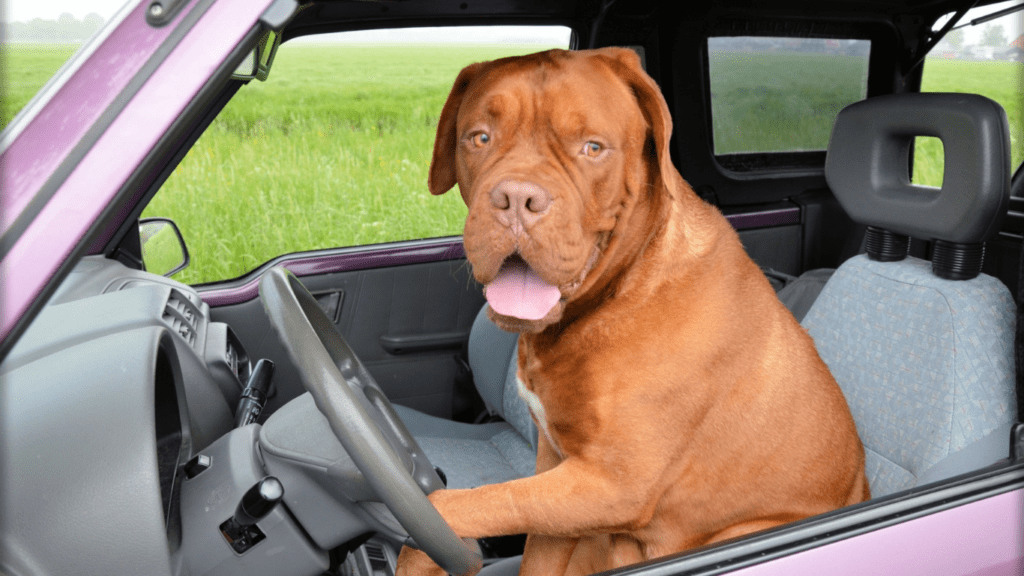
Dog is the driver

Ensuring your pet’s safety during travel is crucial. Proper planning and equipment mitigate risks and make the journey smoother.

Secure Transport Equipment

Secure containment of your pet prevents accidents. Use an airline-approved carrier for flights. Ensure it’s appropriately sized, allowing your pet to stand, turn, and lie down comfortably.

For cars, pet seat belts or harnesses keep pets safe during sudden stops or collisions. Crates and barriers also prevent distractions to drivers. Select equipment based on travel mode, and ensure pets acclimate to them before the trip.

Emergency Kits and Tools

Prepare for emergencies to ensure your pet’s well-being.

  1. Pack a pet-specific first aid kit, including bandages, antiseptic wipes, tweezers, and any necessary medications.
  2. Include copies of medical records and vaccination proof.
  3. Bring extras of essential supplies like food, water, and waste bags.
  4. A collar with ID tags, a microchip, and a recent clear image can help locate a lost pet quickly.
  5. Keep a contact list of nearby vets and emergency hospitals at your destination.

Additional Tips for Smooth Pet Travel

Planning for pet travel involves more than just packing the essentials. To ensure a smooth journey, consider these additional tips.

Managing Pet Anxiety and Stress

Pet anxiety can make travel challenging. Familiarizing pets with their carriers days before the trip helps. Gradual introductions reduce stress and create a sense of safety.

Pheromone sprays or calming collars provide additional comfort during travel. Keep favorite toys or blankets inside the carrier as a source of familiarity.

Scheduling and Planning for Breaks

Regular breaks are crucial for long journeys. Schedule stops every 2-3 hours for bathroom breaks, exercise, and hydration. Rest areas with pet-friendly facilities help pets stretch and relieve themselves.

Plan meal times to avoid traveling on a full stomach which can lead to nausea. Check for pet-friendly hotels if overnight stays are necessary.