Exploring the Best Pet-Friendly Travel Destinations

Traveling with pets offers a unique bond and enriches the travel experience. Identifying the best destinations for pet-friendly vacations can ensure a seamless and enjoyable trip for everyone involved.

Why Travel with Pets?

Traveling with pets strengthens the bond between owners and their animals. It decreases the stress of leaving pets behind and creates shared experiences.

Pets provide companionship, reducing feelings of loneliness during trips. Pet-friendly vacations are a growing trend, as more people regard pets as family members. This shift has led to an increase in accommodations, parks, and restaurants catering to pet owners.

What Makes a Destination Pet-Friendly?

A pet-friendly destination offers essential amenities and activities for pets and their owners.

Key characteristics include:

  • Accommodations: Hotels, vacation rentals, and campgrounds that welcome pets. For example, many chains like La Quinta and Kimpton Hotels offer pet-friendly rooms.
  • Parks and Open Spaces: Accessible parks, dog parks, and nature trails suitable for pets. Central Park in New York City has designated off-leash areas for dogs.
  • Pet Services: Availability of veterinary services, pet grooming, and pet-sitting. Cities like San Francisco have numerous veterinarians and pet spas.
  • Dining Options: Restaurants and cafes with pet-friendly patios or special pet menus. In Austin, Texas, many eateries provide water bowls and treats for dogs.
  • Activities: Pet-friendly attractions and events. For instance, San Diego hosts “Surf Dog” competitions and pet parades.

Choosing the right destination ensures an unforgettable and stress-free adventure for both pets and their owners.

Top US Cities for Pet-Friendly Vacations

Exploring pet-friendly travel destinations ensures unforgettable experiences for pet owners and their furry friends. Certain cities in the US stand out as ideal spots for pet-friendly vacations.

Austin, Texas

Austin offers many activities and services for pets. Zilker Park, for instance, provides open spaces for dogs to run leash-free. Many restaurants, like Austin Terrier, permit pets on their patios.

Numerous hotels, such as Hotel Ella, are pet-friendly and offer amenities like pet beds and bowls. The city even has mobile pet grooming services.

San Diego, California

San Diego is a haven for pets. Dog Beach in Ocean Beach allows dogs to splash in the waves. Pet-friendly cafes, like The Patio on Lamont Street, serve both humans and pets.

Hotel options, such as Hotel Indigo, welcome pets with open arms. Events like the Doggie Street Festival celebrate pets in the community.

Orlando, Florida

Orlando boasts many pet-friendly attractions. Lake Baldwin Park is a favorite, with its off-leash areas. Restaurants such as Relax Grill allow pets in designated areas.

Numerous hotels, including Loews Royal Pacific Resort, accommodate pets with treats and special services. The city even hosts pet-centric events like the Paws in the Park festival.

These cities lead the way in offering exceptional pet-friendly experiences.

International Spots for Pet-Lovers

Travelers seeking international pet-friendly destinations find several cities meeting their needs. Two standout options include Paris, France, and Tokyo, Japan.

Paris, France

Paris, often known as “The City of Light,” welcomes pets with open arms. The city’s numerous parks, such as the famous Jardin du Luxembourg, allow dogs to roam.

Many cafes offer outdoor seating where pets can join their owners. Paris also boasts a range of pet-friendly accommodations from luxury hotels to charming bed-and-breakfasts.

For example, Le Meurice Hotel offers pet amenities including special bedding and food bowls. Veterinarians and pet services are readily available, making it easier for travelers to ensure their pet’s well-being. Pet-friendly public transportation options facilitate easy exploration of the city.

Tokyo, Japan

Tokyo embraces pet-friendly travel with numerous services and facilities. Yoyogi Park, one of Tokyo’s largest parks, features dedicated areas for dogs.

Many cafes and restaurants provide outdoor seating and even pet-friendly menus. The city’s hotels, like the Peninsula Tokyo, offer pet amenities such as grooming services and special pet beds.

Tokyo’s efficient public transportation system includes taxis and rental cars that welcome pets. Pet stores and veterinary clinics are easily accessible, ensuring pets remain in good health throughout their stay.

Tokyo blends modernity with hospitality, making it an excellent choice for pet owners.

Planning Your Trip with Pets in Mind

When traveling with pets, it’s important to consider their needs to ensure a smooth journey. This section covers essential packing tips and accommodation searches.

Packing Essentials for Your Pet

I always start by packing my pet’s necessities. Essential items include:

  • Food and Water: Enough for the duration of the trip. Pack collapsible bowls for convenience.
  • Medication: Current prescriptions and preventatives. Include any flea and tick treatments.
  • Comfort Items: Familiar toys and bedding to ease anxiety. Examples include their favorite chew toy or blanket.
  • Leash and Harness: Ensure they fit well. Bring an extra set in case of loss or damage.
  • Waste Bags: For responsible clean-up during walks and outings. Pack plenty to avoid running out.
  • Travel Crate: For safe transport. Ensure it’s well-ventilated and comfortable.
  • Grooming Tools: Brushes and wipes to maintain hygiene. Trim nails before the trip to prevent scratching.

Finding Pet-Friendly Accommodations

Securing pet-friendly accommodations ensures a comfortable stay for my pet and me. Check these options:

  1. Hotels: Many chains offer pet-friendly rooms. Examples include Kimpton Hotels and La Quinta Inns.
  2. Vacation Rentals: Platforms like Airbnb and Vrbo filter results by pet-friendly properties. Selected listings detail pet policies.
  3. Campgrounds: National and state parks often accommodate pets. Verify pet rules and leash requirements.
  4. Boutique Hotels: Smaller hotels often provide personalized pet services. The Kimpton Hotel Monaco offers pet perks like beds and treats.

Always confirm the pet policies directly with the accommodation. This step avoids surprises and ensures a pleasant stay.


Understanding Your Pet’s Needs

Traveling with your pet requires a thorough understanding of their needs to guarantee a stress-free journey. Proper preparation alleviates both your concerns and your pet’s anxiety.

Assess Your Pet’s Travel Readiness

Evaluate your pet’s health and temperament to determine if they’re fit to travel. Visit the vet for a health check-up and ensure vaccinations are up-to-date.

Some pets, like senior dogs or cats with medical conditions, may not handle travel well. Observe their behavior in different environments to gauge their adaptability. If they display signs of stress or anxiety during short car rides, consider alternative arrangements.

Familiarize Your Pet with the Travel Container

Introduce the travel container to your pet well before the trip. Place it in their living space, allowing them to explore it freely. Make the container inviting with their favorite blanket or toys.

Gradually increase the time they spend inside to build comfort. For instance, place your cat inside for 5 minutes, then 10, then 30. This steady approach eases travel stress and creates a positive association with the container.

Health and Safety

Traveling with your pet involves a few health and safety measures. Ensuring your pet’s well-being before, during, and after travel is essential.

Visit the Vet Before Departing

Scheduling a vet visit before traveling confirms your pet’s health status. The vet can check for underlying health issues that might affect travel. Vaccinations, parasite control, and any necessary medications should be up-to-date. Make sure to grab a copy of your pet’s medical records to have them on hand.

Keep Up with Their Regular Routine

Maintaining a pet’s routine during travel reduces stress. Keep feeding, walking, and sleeping schedules consistent. For instance, feed your pet at the same times each day and take regular breaks for exercise and bathroom needs. This helps maintain their comfort and reduces anxiety during trips.

Choosing the Right Gear

Selecting the right gear for your pet ensures their comfort and safety during travel. The right equipment makes the journey smoother for both you and your pet.

Select Appropriate Travel Crates and Accessories

Choosing an appropriate travel crate is crucial. A good crate offers enough space for your pet to stand, turn, and lie down comfortably. For flights, I recommend checking airline-specific crate requirements.

Many airlines have strict guidelines on crate size, material, and construction. For road trips, secure the crate with seat belts or anchors to prevent movement.

Use accessories like padded bedding, crate fans, and water bottles (for dogs) to increase comfort. Harnesses and seat belts are essential for pets not in crates. I’ve found that pets are calmer and less anxious when they can’t move around excessively.

Pack Essential Supplies

Always pack essential supplies for your pet’s needs. I include enough food for the journey plus an extra day’s worth in case of delays. Portable food and water bowls minimize spills and are convenient.

Medications, grooming tools, and waste bags are necessary for long trips. In my experience, comfort items like favorite toys or blankets help ease pets’ anxiety. I also carry a basic first aid kit for minor injuries or emergencies.

Additionally, ensure you have identification tags with updated contact information. Microchip information should be current as well. This step might seem minor, but it significantly increases the chances of reuniting with your pet if they get lost.

Transportation Tips
Transportation Tips

Ensuring your pet’s safety and comfort during transportation is crucial for a stress-free journey. Whether you’re traveling by air or car, the right preparations make all the difference.

Air Travel Tips for Pets

Air travel can be stressful for pets. Choosing the right airline is critical. Check their pet policies to ensure they accommodate your furry friend. Book direct flights to minimize stress and avoid potential layover issues.

Pets in carriers may need familiarization. Start this weeks before the trip by letting them explore the carrier at home. Use treats and praise to create a positive association.

Ensure all required documents are in order. Most airlines require a recent health certificate, so visit the vet a few days before departure.

Hydration is key, especially on longer flights. Provide a spill-proof water dispenser in the carrier. Avoid feeding your pet right before the flight to prevent motion sickness.

Car Travel Tips for Pets

  1. Car travel offers more flexibility but still requires careful planning.
  2. Use a well-ventilated carrier or a dog seat belt to secure your pet.
  3. Avoid letting pets roam freely in the vehicle to prevent distractions and accidents.

  4. Frequent breaks help keep pets comfortable.
  5. Plan to stop every 2-3 hours for exercise, bathroom breaks, and hydration.
  6. Choose pet-friendly rest stops whenever possible.
  7. Maintain a comfortable temperature in the car.
  8. Never leave a pet alone in a parked vehicle, regardless of the weather, to prevent heatstroke or hypothermia.
  9. Invest in sunshades to keep the temperature down and make the trip more pleasant for your pet.
  10. Bring along their favorite toys and a cozy blanket to create a familiar and soothing environment in the car.

Accommodation and Destinations

Finding suitable lodging and understanding pet regulations ensures a smooth trip with your pet. Plan ahead to avoid unpleasant surprises.

Research Pet-Friendly Accommodations

Check online directories for pet-friendly hotels, Airbnb options, or vacation rentals. Websites like BringFido and PetsWelcome list detailed information about accommodations that accept pets.

Look for amenities like:

  • pet beds
  • bowls
  • designated pet areas

Confirm pet policies directly with the property since they can vary widely in terms of size, breed restrictions, and fees.

Learn About Destination-Specific Pet Rules

Research local pet regulations, including leash laws, allowed pet areas, and any breed restrictions. For instance, some parks and beaches have specific hours when pets are permitted.

Review vaccination and quarantine requirements, especially when traveling internationally. Contact local tourism offices or visit official websites for accurate information.


Essential Vaccinations Before Travel

Ensuring your pet has the necessary vaccinations is crucial before any trip. Core vaccines protect against widespread diseases.

These include:

  • Rabies: Required by law in many regions. Provides protection against a fatal viral infection.
  • Distemper: Essential for dogs to prevent a highly contagious and serious disease.
  • Parvovirus: Critical for puppies and dogs to avoid a severe, potentially deadly gastrointestinal illness.
  • Adenovirus: Important for preventing hepatitis in dogs.

Additional vaccines depend on travel destinations and local disease risks. Examples:

  1. Leptospirosis: Advised in areas with high exposure risk to infected water or soil.
  2. Lyme Disease: Recommended if traveling to regions with tick infestations.
  3. Bordetella: Necessary for pets exposed to kennels, grooming facilities, or dog parks.
  4. Canine Influenza: Suggested for dogs in contact with many other dogs, particularly in kennels.

Consult your veterinarian to determine specific vaccinations for your destination. Your vet can also issue a health certificate, required for international travel. Ensure vaccinations are up-to-date at least a month before departure.

Feeding Your Pet While Traveling

Feeding pets while on the road poses unique challenges. Adapting their diet to travel conditions ensures their well-being and comfort.

Choosing the Right Food

Selecting the right food for travel is crucial. Pets react differently to changes in their diet, and travel can exacerbate these reactions. Opt for food that’s familiar to your pet to avoid digestive issues.

Pack enough of their regular diet to last the entire trip, plus a few extra days. For example, if your pet usually eats kibble from a specific brand, bring that exact type and brand with you.

Monitoring Food Intake on the Road

Monitoring your pet’s food intake while traveling helps maintain their health. Offer meals at the usual times if possible, and provide portion sizes they’re accustomed to.

Track their consumption to ensure they eat enough without overindulging. If they lose appetite due to stress, consult a vet for advice. Additionally, maintain hydration by providing fresh water regularly, especially during long drives or high temperatures.

Keeping Your Pet Hydrated

Ensuring your pet stays hydrated while traveling is crucial for their health. Carrying the right tools and knowing the signs of dehydration can make a big difference.

Types of Portable Water Bowls

Portable water bowls come in various designs to suit different travel needs.

  1. Collapsible Bowls: These bowls, made from silicone or fabric, are lightweight and easy to pack. They fit well in any travel bag and pop open when needed.
  2. Bottle-Attached Bowls: These products combine a water bottle and bowl into one unit, offering convenience. Simply flip the bowl open and squeeze water from the bottle.
  3. Foldable Pouches: These pouches are compact when empty and expand when filled with water. They’re perfect for long hikes or trips where packing space is limited.

Signs of Dehydration to Watch For

Recognizing dehydration signs ensures timely intervention.

  1. Lethargy: If your pet appears unusually tired or less active, they might be dehydrated.
  2. Dry Nose and Gums: Check if their nose and gums are dry. Healthy gums should be moist.
  3. Loss of Skin Elasticity: Gently pinch a small amount of skin on their back. If it doesn’t snap back quickly, your pet could be dehydrated.
  4. Sunken Eyes: Dehydration often causes eyes to appear sunken.

Monitoring these signs helps in keeping your pet safe and comfortable during travel.

Managing Pet Anxiety During Travel

Pets often feel anxious during travel. Following specific strategies can help them remain calm.

Tips for a Calmer Journey

Familiarize your pet with the carrier before the trip by letting them explore it at home. Place their favorite toys and blankets inside to create a sense of comfort.

Consider using natural remedies like pheromone sprays or calming chews to ease anxiety. Products like Adaptil for dogs and Feliway for cats have shown effectiveness.

Ensure your pet’s carrier has adequate ventilation and is well-secured. A well-ventilated carrier reduces added stress from overheating.
Use soft, familiar bedding to add comfort, minimizing the travel-related stress that new environments can cause.

Maintain a calm demeanor, as pets often pick up on their owner’s stress levels. A relaxed environment can help calm an anxious pet.

When to Consult a Veterinarian

Seek a veterinarian’s advice if your pet has severe travel anxiety. The vet can prescribe medications like anti-anxiety drugs or sedatives.

Monitor your pet for signs of extreme anxiety, such as incessant barking or panting. If these behaviors persist despite calming strategies, veterinary intervention may be necessary.

Ask about specific travel-related health issues your pet might face based on their breed or character. A quick consultation can provide tailored advice for your pet’s unique needs.

In cases where chronic anxiety affects your pet’s health and behavior, a veterinarian can recommend a comprehensive anxiety management plan. A pre-travel vet visit ensures your pet’s well-being throughout the journey.


If you have a busy household, which many families do, you’ll know there is always something going on and it is rarely quiet. With lots of activity around the home and a busy lifestyle in general, adding a pet into the mix may not seem practical. However, there is a good reason why cats can be the perfect choice if you want to be a pet parent.

Not all pets require endless attention or daily walking, which is ideal for those with busy work commitments and endless weekend plans. A cat fits nicely into this category, and whilst they do still need care and attention, they can be much more suitable in a busy home. Here’s just some of the great reasons a cat could be the companion you’re looking for.

Low Maintenance & Independent Nature

Whilst many cat owners may treat their furry feline just like a baby, cats are very independent which can be beneficial for those who have a hectic schedule. If the house becomes busy or too noisy, cats will generally take themselves off to somewhere quiet and relax elsewhere. Unlike having a dog, cats don’t require constant attention and can be quite happy keeping themselves entertained – when much isn’t going on, they’ll simply sleep, which takes up a lot of their daily routine anyway.

If you would struggle to walk a dog twice a day, or let them out to go to the toilet, this is another advantage for getting a cat. There’s no need for daily walks and once litter trained, a cat will be able to do their business whenever they need to, even when you’re not there. This is the same with exercise, as they will be able to stretch their legs around the home, especially if you provide cat trees for them to climb and scratching posts to enjoy.

In terms of keeping them clean, cats are very good at self-grooming, so you won’t need to bathe them like a dog (especially after a muddy walk). Apart from sleeping lots, cats will spend a lot of time grooming. If you get a long-haired breed they will need regular brushing to help with this, but in general, cats keep themselves in good condition. All you need to do is provide fresh water and food each day, and the rest they’ll take care of. When you do have a quiet moment, such as in the evening, a cat will enjoy cuddling up to you rather than need lots of playtime, so this can be great after a tiring day.

Great For Those With A Flexible Schedule

Everybody’s schedule will slightly differ, but if you find you’re juggling work commitments with school runs, and trying to maintain a social life as well as a home life, you want flexibility. Cats can fit nicely into this, especially if plans change at short notice. Of course, you want to have some quality time with your pet, but unlike a dog that can be more demanding, cats are generally flexible and very adaptable.

If you get home later than expected one day, or you work shifts that mean your hours change regularly, cats can be much more ideal in this situation than other types of pets. Yes, they will want to have some sort of routine with mealtimes, but as long as they aren’t going prolonged hours between meals, they should be ok. You may want to leave a bowl of dry food for them whilst you’re not there so that they can graze when they want to.

As mentioned, when you are not around or are very busy, cats will happily sleep, watch the world go by from a window or explore their surroundings at their own pace. They won’t need constant stimulation from you, so if you provide a good environment for them, they’ll generally be happy. When you do get home, they’ll happily greet you and give you a nudge if they want something.

Keeping Your Cat Safe Even When You’re Busy

Yes, cats are independent, but that doesn’t mean they can fully protect themselves all of the time. Being a pet parent is a big responsibility, none more so than looking out for them and keeping them safe. Even if you have an indoor cat that rarely goes outside, unexpected things can still happen in the home, especially when it’s hectic.

A misjudged jump, swallowing something they shouldn’t, or simply just becoming ill can happen at any time, meaning you will need to visit the vet and cover any costs to help them recover. This is where having pet insurance can really offer peace of mind. No one wants to be caught out by unexpected vet bills, so pet insurance helps cover the cost of accidents, injuries, or illnesses without adding extra stress to your already packed schedule. It means that even if you’re not there to prevent every little mishap, you can at least be prepared for the unexpected.

Many policies also offer extra coverage for everything from dental accidents to complementary therapy, which can be particularly helpful for active or adventurous cats. Being confident that your feline friend is protected, even when life seems endlessly busy, is important. After all, one of the best things about owning a cat is the reassurance that they’ll happily look after themselves – with just a little help from you when they need it most.

Emotional & Mental Health Benefits

With a busy household or lifestyle, stress can follow, and having a pet around can be a great way to take your mind off things or provide comfort. Cats in particular are great companions when you need a calming influence, as they themselves are quiet and discreet. If the idea of having a purring cat on your lap at the end of a long day sounds more relaxing than having to walk a dog in the wind and rain, you’re not alone.

Simply stroking a cat can help to reduce stress and anxiety, with their rhythmic purring helping you to relax. If the rest of the family is out and about or if you live alone, this can also help with any feelings of loneliness, as cats can be quite happy just being in your company too.

The sense of calm a cat brings to a home can be a powerful thing, so that no matter how busy life gets, you’ll know they’ll be there whenever you need them, hopefully bringing a smile to your face.

Perfect for Smaller Living Spaces

Not everyone has the luxury of space, whether you live in a small flat or family home with a lack of room, meaning a pet needs to fit into this without feeling overwhelmed. This is perfect for cats, especially as many like to find spaces to hide or do not require huge amounts of space indoors or outdoors. If you don’t have a garden, this can be tricky with owning a dog. A cat on the other hand can get by without this, making them a great choice.

Cats are very agile, so whilst most dogs will need to stay at ground level, cats can find space on top of bookshelves, under sofas, on windowsills, and anywhere else they can reach, so having limited floor space isn’t a problem for them. As they can use a litter tray, they don’t need to be let out for toilet breaks either. For smaller homes, cats make much more sense.

Will A Cat Be Your Perfect Companion?

Have we convinced you a cat is the best option? There is lots to consider, but when compared to other popular pets, cats are hard to ignore. A great fit for busy professionals, young or older families, or just those needing a low-maintenance pet, a cat can fit into your routine perfectly.

As long as you find the right breed to suit you and are able to provide all their basic needs, you can look forward to a long happy life together and enjoy each other’s company – even if they spend a lot of time sleeping!


Benefits of Interactive Toys for Pets

Interactive toys offer numerous benefits that contribute to a pet’s overall well-being.

Enhancing Cognitive Functions

Interactive toys stimulate a pet’s mind, enhancing cognitive functions. Puzzle feeders, for instance, encourage pets to strategize as they work to retrieve food.

This mental exercise helps prevent boredom and keeps their brains sharp. Toys with hidden compartments or interactive features, like treat-dispensing balls, also require pets to think critically, promoting problem-solving skills.

Encouraging Physical Activity

Interactive toys also promote physical activity. Fetch toys, such as balls or frisbees, motivate pets to run and jump, providing essential exercise.

Tug-of-war ropes and interactive laser pointers get pets moving and help expend their energy. Active play with these toys not only maintains physical fitness but also supports weight management.

Types of Interactive Toys

Interactive toys boost pet engagement and contribute to their well-being. Different types of toys provide various stimuli.

Puzzle Toys

Puzzle toys, like the Nina Ottosson Dog Tornado, challenge pets to solve problems for rewards. These toys enhance cognitive function through strategic thinking. Pets slide, lift, or rotate pieces to access hidden treats.

Treat-Dispensing Toys

Treat-dispensing toys, such as the KONG Classic or PetSafe Busy Buddy, combine play with rewards. These toys dispense treats as pets interact with them, providing mental and physical stimulation. Pets can roll, bounce, or gnaw to release treats.

Electronic and Robotic Toys

Electronic and robotic toys, like the PetSafe Bolt or iFetch, use technology to keep pets engaged. These toys offer such as:

  • automated movement
  • lights
  • sounds

simulating prey and encouraging active play. Pets chase, pounce, and stalk these dynamic toys.

Choosing the Right Interactive Toy

Selecting the ideal interactive toy for your pet involves understanding their unique needs and preferences. Properly chosen toys can significantly enhance your pet’s engagement and overall well-being.

Based on Pet Type and Size

Different pets benefit from different toys based on their type and size. For dogs, chew toys like the KONG Classic are suitable for larger breeds, while softer toys fit smaller breeds.

Cats prefer toys like laser pointers, such as the PetSafe Bolt, or small bouncing balls. Birds enjoy foraging toys that challenge their beaks and minds, like the Super Bird Creations Foraging Box.

Considering size, ensure the toy’s size is appropriate to prevent swallowing hazards. For example, a Labrador Retriever’s puzzle toy should be larger and tougher compared to a toy for a Chihuahua.

Considering Your Pet’s Temperament

Your pet’s temperament influences the ideal type of interactive toy. Active pets benefit from toys that promote movement and energy expenditure, like the iFetch for dogs who love fetching games.

More reserved pets might enjoy comfort and security, preferring toys that offer mental stimulation without too much physical activity, such as treat-dispensing balls.

If your pet shows signs of anxiety, toys like puzzle feeders can distract and calm them effectively. Ensuring the toy aligns with your pet’s natural behaviors maximizes engagement and reduces potential stress.

Safety Tips for Interactive Toys

Keeping pets safe is essential to ensure they enjoy and benefit from interactive toys. Always prioritize safety when choosing and using pet toys.

Checking for Non-Toxic Materials

Select interactive toys made from non-toxic, pet-safe materials. Avoid toys with harmful chemicals or small parts that could pose choking hazards. Verify labels and certifications indicating materials comply with safety standards.

Brands like KONG, PetSafe, and Outward Hound offer products with high safety ratings.

Regular Maintenance and Supervision

  1. Inspect toys regularly for signs of wear and damage.
  2. Replace any broken toys to prevent injury. Supervise pets while they play, especially with new toys.
  3. Stay vigilant to ensure the toy’s size and durability match the pet’s strength and chewing habits.
  4. Cleaning and sanitizing toys frequently helps maintain hygiene and extend their usability.

Importance of Fitness for Pets

Physical activity is crucial for pets, just like humans. Active pets are generally healthier and live longer.

Benefits of Regular Exercise

Regular exercise for pets supports cardiovascular health, reduces behavioral problems, and enhances mental stimulation.

Dogs who exercise frequently show less anxiety and destructive behavior, while cats benefiting from physical play exhibit fewer obesity-related issues. According to the American Kennel Club, dogs need at least 30 minutes of exercise daily for optimal health.

Risks of Obesity in Pets

Obesity in pets leads to a shorter lifespan, increased joint problems, and higher risks of diabetes and heart disease. The Association for Pet Obesity Prevention states that over 55% of dogs and cats in the US are overweight. Obese pets suffer more from arthritis pain and have a harder time recovering from surgery.

Types of Fitness Gadgets for Pets

Fitness gadgets for pets enhance their health and well-being. Let’s explore some of the most popular types.

Wearable Fitness Trackers

Wearable fitness trackers monitor a pet’s activity levels. These devices typically attach to the pet’s collar and track metrics like steps taken, calories burned, and sleep patterns.

Brands like:

  • FitBark
  • Whistle

offer real-time data through mobile apps, allowing pet owners to set activity goals. Specific features include GPS tracking and health monitoring, making it easier to maintain a pet’s fitness regimen.

Interactive Exercise Toys

Interactive exercise toys engage pets physically and mentally. Automated ball launchers, like those from iFetch, keep dogs active by launching tennis balls for them to chase.

For cats, laser toys provide entertainment and exercise by projecting moving laser points that trigger their hunting instincts. Toys like PetSafe’s Busy Buddy offer puzzle-like challenges that dispense treats, encouraging pets to move and problem-solve.

Choosing the Right Fitness Gadget

Selecting the right fitness gadget ensures your pet remains active and healthy. Understanding your pet’s specific needs helps make an informed decision.

Considerations Based on Pet Size and Species

Pet size and species greatly influence the appropriate fitness gadget. For larger pets, like German Shepherds, durable gadgets such as robust ball launchers withstand rough usage. In contrast, small pets like cats benefit from lighter toys like laser pointers.

Species-specific behavior matters too. Dogs often enjoy interactive toys that fetch; cats prefer gadgets stimulating hunting instincts. Always match the gadget size to avoid choking hazards and ensure ease of use.

Evaluating Features and Reliability

When evaluating fitness gadgets, focus on key features and reliability. Fitness trackers require accuracy in monitoring activity levels; gadgets like FitBark and Whistle offer precise activity tracking with dependable apps.

Check battery life since longer durations reduce frequent recharging. Interactive toys need durable materials to endure repeated use. Look for adjustable settings to cater to different activity levels and preferences. User reviews provide insights into reliability and usability, ensuring you choose a well-rated product.

User Reviews and Top Picks

User reviews offer valuable insights into the effectiveness of fitness gadgets for pets. I find it crucial to explore top picks based on user feedback for both dogs and cats.

Popular Fitness Gadgets for Dogs

  1. FitBark 2: FitBark 2 tracks activity levels, sleep quality, and overall health. Users praise its durability and ease of use. Many dog owners report improved fitness and behavioral changes in their pets.
  2. Whistle GO Explore: This gadget combines GPS tracking with activity monitoring. Users appreciate its accurate location tracking and detailed health insights. It’s waterproof and has a long battery life of up to 20 days.
  3. Furbo Dog Camera: Furbo allows pet owners to interact with their dogs remotely. It features a treat dispenser, a camera, and two-way audio. Users love its ability to reduce separation anxiety and track their dog’s activity when away.
  4. iFetch Too: iFetch Too is an automated ball launcher that engages dogs in physical activity. It can launch balls at varying distances, keeping dogs entertained. Users highlight its effectiveness for high-energy breeds.
  5. PetSafe Bolt Laser Toy: This automatic laser pointer adds a fun workout for cats. Users note its effectiveness in keeping cats entertained and physically active. It’s especially popular for indoor cats.
  6. Petkit Pura X: This intelligent litter box monitors a cat’s health and activity levels. Users appreciate the real-time waste tracking and the automated cleaning feature, which keeps their homes odor-free.
  7. Catit Design Senses Circuit: This interactive toy stimulates cats’ senses and encourages physical activity. Users state their cats enjoy the lights, balls, and varying track designs. It’s a favorite for multi-cat households.
  8. Dart Duo Laser Cat Toy: The Dart Duo features dual lasers and multiple speed settings. Users find it keeps their cats engaged for extended periods. Its adjustable settings cater to different play styles and energy levels.

Effective fitness gadgets provide numerous benefits for pets, enhancing engagement and ensuring they remain in great shape.

Tips for Integrating Fitness Gadgets into Daily Routine

Using fitness gadgets enhances your pet’s health. Regular use keeps them engaged and active.

Setting Up a Routine

Establish consistent times for gadget use. Morning walks with the Whistle GO Explore, followed by play sessions with automated ball launchers in the evening, ensure pets anticipate the routine.


Track progress using the FitBark 2 to adjust the duration and intensity based on your pet’s activity levels and health data.

Encouraging Your Pet to Engage

Introduce gadgets slowly to avoid overwhelming your pet. Demonstrate using toys like the iFetch Too, ensuring they notice the fun. Reward them with treats when they interact with gadgets like the Dart Duo Laser Cat Toy.

Gradually increase the complexity of activities, keeping in mind their initial reactions and preferences for different gadgets.


Understanding the Importance of Socializing Your Pet

Pets need socialization to thrive. Group play helps them develop essential behaviors.

Why Socialization Is Key to Pet Wellbeing

Socialization enhances a pet’s quality of life. Interaction with other animals reduces anxiety and promotes mental stimulation.

According to the American Veterinary Medical Association (AVMA), pets that socialize regularly exhibit fewer behavioral issues, such as aggression and fearfulness. Playdates, group walks, and communal toys facilitate natural interaction, improving overall health.

The Best Age to Start Socializing Your Pet

  1. Early socialization is crucial.
  2. The optimal period varies by species, but generally, young pets adapt more easily.
  3. The American Society for the Prevention of Cruelty to Animals (ASPCA) suggests socializing puppies between 3 to 14 weeks and kittens between 2 to 7 weeks.
  4. During these formative weeks, pets absorb new experiences more readily, helping them grow into well-adjusted adults. 
  5. Introduce them to various environments, people, and fellow pets within this window for the best outcomes.

Group Play Ideas for Socializing Your Pet

Group play is essential for your pet’s social development. Structured activities help them interact positively with other animals and people.

Indoor Play Sessions

Indoor play sessions offer controlled environments, ideal for pets unfamiliar with socializing. I recommend using interactive toys like puzzle feeders and fetch toys. These tools keep pets mentally stimulated and engaged. Playdates with other pets are effective, especially in smaller spaces.

Rotate toys regularly to maintain interest and avoid boredom. Enroll your pet in group training classes; they’re beneficial for both learning commands and social skills.

Outdoor Play Activities

Outdoor play activities provide more space for energetic pets. I suggest organizing trips to dog parks if your pet gets along well with others.

These parks offer ample room for running and social interaction. Hiking trails are another excellent option, offering both exercise and new experiences.

Arrange group walks with other pet owners; it’s a great way to foster social skills in a relaxed setting. For more structured play, consider agility courses, which challenge pets physically and mentally while encouraging positive interaction.

Benefits of Group Play for Different Types of Pets

Group play fosters social skills and mental and physical health. Different pets benefit uniquely from these interactions.

Group Play Benefits for Dogs

Dogs become more well-adjusted and less anxious, when they regularly engage in group play. They learn essential social cues and behaviors, reducing aggression and fear. Dog parks, playdates, and group training sessions offer dogs a structured way to interact.

Group Play Benefits for Cats

Cats may not seem social but benefit from group play by reducing boredom and stress. They engage in natural behaviors, like stalking and pouncing, which enhance their physical health. With supervised play sessions, cats can develop better temperaments and trust towards other pets.

Group Play Benefits for Other Pet Species

Other pets, such as:

  • rabbits
  • guinea pigs
  • birds

also gain from group play. These interactions can mimic their natural environments, improving their overall happiness and reducing loneliness. Supervised group play ensures safe and beneficial socialization for these pets.

Tips for Organizing Group Play Sessions

Group play sessions enhance social skills and keep pets entertained. Here’s how I ensure these sessions run smoothly.

Choosing the Right Group Size and Composition

Selecting the right group size and composition is crucial. I keep groups small, ideally 3-5 pets, to minimize chaos and ensure everyone gets attention.

Similar energy levels matter. High-energy pets (e.g., Border Collies) pair well, while calmer pets (e.g., Basset Hounds) should group separately. Mixing species typically isn’t advisable unless they’ve been socialized together from a young age.

Age plays a role. Young pets need supervision around older pets to prevent rough play.

Ensuring Safety During Play Sessions

Safety is a priority. I inspect the play area for hazards like loose wires, sharp objects, or toxic plants before sessions.

All pets should be up-to-date on vaccinations to prevent disease spread. I monitor interactions closely to stop any aggression or bullying immediately.

Providing separate rest areas ensures pets can retreat if overwhelmed, promoting a stress-free environment for everyone.


The Importance of Hydration in Pet Nutrition

Hydration plays a critical role in pet nutrition. Adequate water intake supports vital bodily functions necessary for overall health and well-being.

Understanding Basic Hydration Needs

Pets, like humans, require consistent water intake to stay healthy. Cats and dogs need different amounts of water based on size, age, and activity levels.

Dogs generally require between 0.5 to 1 ounce of water per pound of body weight daily. Cats need about 3.5 to 4.5 ounces of water per 5 pounds of body weight each day.

In hot weather or after intense exercise, these amounts may increase. Water aids in digestion, nutrient absorption, and removal of waste products from the body.

Signs of Dehydration in Pets

Dehydration can lead to serious health issues for pets.

Common signs include:

  • Lethargy: Pets may seem unusually tired or inactive.
  • Dry Mouth: Gums and tongue might appear dry and sticky.
  • Sunken Eyes: Eyes may look sunken and less vibrant.
  • Loss of Skin Elasticity: Skin doesn’t return to normal quickly when gently pinched.

Monitoring these signs helps ensure timely interventions, keeping pets healthy and hydrated. If any symptoms of dehydration are noticed, consult a veterinarian immediately to address the issue.

Benefits of Proper Hydration

Adequate hydration greatly impacts a pet’s overall health. Here are specific benefits in key areas.

Improved Digestive Health

Sufficient water intake promotes optimal digestion in pets. Water helps break down food and absorb nutrients effectively. For instance, hydration eases passage of food through the gastrointestinal tract, reducing constipation risks.

This process ensures pets maintain a regular and healthy bowel movement pattern.

Enhanced Skin and Coat Condition

Proper hydration maintains skin elasticity and coat luster. Water impacts cellular function and hydration of the skin, preventing dryness and flakiness. Pets with adequate hydration tend to have softer, shinier coats, highlighting the importance of water in promoting external health markers.

Hydration for Different Types of Pets

Different pets have unique hydration needs. Monitoring their water intake ensures they stay healthy and well-nourished.

Dogs and Their Water Needs

Dogs require specific water amounts based on their size, age, and activity levels. Generally, dogs need between 0.5 to 1 ounce of water per pound of body weight daily.

Active dogs, senior dogs, and nursing mothers often need more water. For instance, a 50-pound dog typically needs between 25 to 50 ounces of water daily.

Examples of ways to ensure adequate hydration include:

  • Providing fresh water multiple times daily
  • Using water fountains to encourage drinking
  • Offering water-rich foods like wet dog food or fresh fruits in moderation

Cats and Their Unique Hydration Challenges

Cats have distinct hydration needs that differ from dogs. Typically, cats need about 3.5 to 4.5 ounces of water per 5 pounds of body weight each day.

Their low thirst drive, inherited from desert ancestors, can lead to dehydration risks. For instance, a 10-pound cat generally needs between 7 to 9 ounces of water daily.

  1. Using cat water fountains to stimulate drinking
  2. Incorporating wet food into their diet
  3. Providing multiple water sources around the home

Tips for Ensuring Your Pet Stays Hydrated

Keeping pets hydrated is crucial for their health. Here are some practical tips to help ensure your pet consistently gets enough water.

Choosing the Right Water Bowls

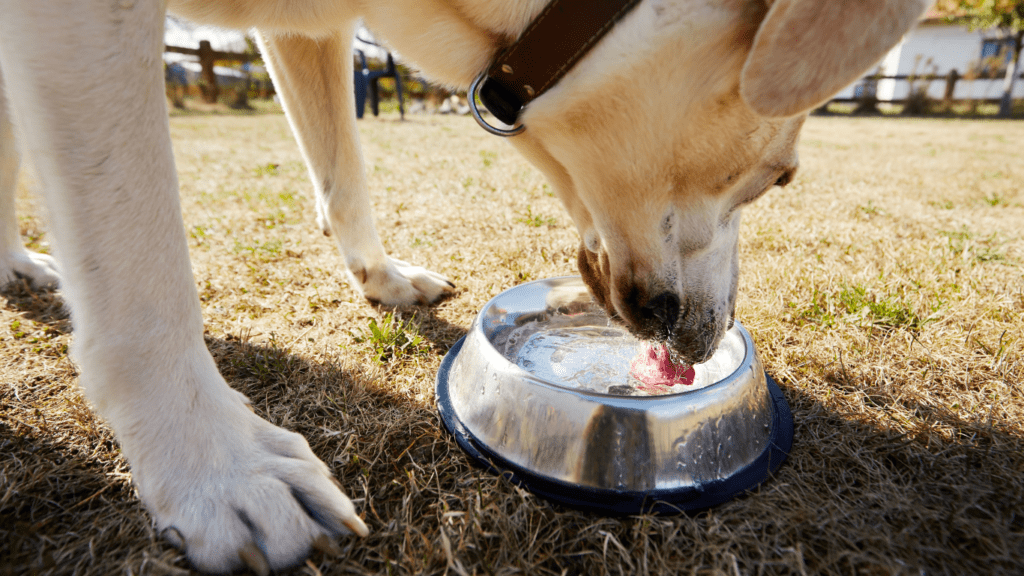
Selecting the appropriate water bowl can significantly impact your pet’s water intake. Use stainless steel or ceramic bowls; these materials are easier to clean and resist bacterial growth better than plastic.

Provide multiple bowls in various locations around the house to encourage drinking. Ensure bowls are wide enough for your pet’s snout and whiskers (for cats) to avoid discomfort, which can deter drinking.

Incorporating Wet Foods into the Diet

Wet food can be a great addition to your pet’s diet to boost their hydration levels. Add wet food to meals to naturally increase water consumption in daily routines.

Wet food contains higher moisture content compared to dry kibble, which helps maintain proper hydration. Look for high-quality wet food options with balanced nutrition to support overall health while improving water intake.

Hydration remains fundamental for optimal pet health, affecting various bodily functions and external health markers. Practical hydration tips can make a noticeable difference in your pet’s overall well-being.


Importance of Nutrient-Rich Foods for Pets

Pets need nutrient-rich foods to thrive and maintain optimal health. A balanced diet enhances their overall well-being and longevity.

Benefits of a Balanced Diet

A balanced diet boosts pets’ immune systems by providing essential vitamins and minerals. Dogs and cats, for example, benefit from immune-supporting nutrients like Vitamin C and Zinc.

A nutrient-rich diet also promotes a shiny, healthy coat. Omega-3 fatty acids, found in fish and flaxseed, significantly enhance coat quality.

Additionally, proper nutrition keeps pets active and energetic, supporting their joint health and muscle maintenance. Proteins from sources like chicken and beef provide energy and support muscle repair.

Risks of Nutritional Deficiencies

Nutritional deficiencies in pets lead to severe health issues. Lack of essential nutrients, such as calcium or Vitamin D, can result in weak bones and teeth.

Deficiencies in vitamins like Vitamin E or B Vitamins cause skin problems or developmental issues. Prolonged nutrient shortages weaken the immune system, making pets susceptible to infections and diseases.

In worse cases, inadequate nutrition causes irreversible damage to vital organs, drastically reducing pets’ life expectancy.

Review of Top 10 Nutrient-Rich Foods for Pets

Here’s a detailed review of the top nutrient-rich foods beneficial for your pets’ health.

Proteins: Meat and Fish Options

Proteins significantly contribute to pets’ muscle development, tissue repair, and overall growth. High-quality sources include chicken, turkey, beef, and lamb.

Fish like salmon and sardines provide essential Omega-3 fatty acids, improving coat health and reducing inflammation. For optimal protein intake, ensure meat and fish are fresh and minimally processed.

Vegetables: Fibers and Vitamins

Vegetables offer fibers and vital vitamins enhancing digestion and immune function. Carrots, rich in beta-carotene, promote eye health. Spinach provides iron and calcium, essential for bone strength.

Pumpkin, high in fiber, aids digestion. Incorporate chopped, steamed, or pureed vegetables into pets’ diets for easy consumption and nutrient absorption.

Grains: Energy-Providing Foods

Grains supply pets with necessary energy for daily activities. Brown rice is an excellent source of complex carbohydrates and B vitamins. Oats, rich in soluble fiber, support digestive health and stabilize blood sugar.

Barley offers selenium and copper, benefiting metabolic functions. Cook grains thoroughly for better digestibility and nutrient uptake.

Choosing the Right Food for Your Pet

Selecting the best food ensures pets thrive, remain healthy, and live long lives. It’s essential to consider various factors such as:

  • age
  • health
  • allergies
  • food sensitivities

Considerations Based on Pet’s Age and Health

Younger pets, like puppies and kittens, need high-quality proteins and fats for growth. Proteins from sources like chicken, fish, and eggs provide the necessary amino acids for muscle development. Fats, found in foods like fish oil and flaxseed, foster brain development and energy.

Adult pets require balanced diets to maintain optimal health. They benefit from nutrient-dense foods including lean meats, whole grains, and vegetables like carrots and peas. These nutrients support sustained energy levels, immune function, and overall well-being.

Senior pets need diets higher in fiber yet lower in calories. Foods rich in antioxidants and Omega-3 fatty acids, such as berries and salmon, help combat age-related issues, including joint problems and cognitive decline.

Always consult a veterinarian for specific dietary needs based on health conditions like diabetes or kidney disease.

Allergies and Food Sensitivities

  1. Some pets have food allergies or sensitivities that necessitate careful selection of ingredients.
  2. Common allergens include beef, dairy, wheat, and soy.
  3. Look for hypoallergenic options with alternative protein sources like venison, duck, or lamb.
  4. Exclusion diets help identify problematic ingredients.
  5. Introduce novel foods gradually while monitoring for reactions like itching, digestive issues, or ear infections.
  6. Once identified, eliminate the allergenic food and transition to a suitable diet.
  7. For pets with specific health conditions like gastrointestinal issues, consider foods with easily digestible ingredients like pumpkin, sweet potatoes, and rice.
  8. These ingredients soothe the digestive tract and provide essential nutrients without triggering sensitivities. Always consult a veterinarian before making dietary changes.


Decoding the Basics of Pet Food Labels

Pet food labels provide crucial information to ensure your pet receives proper nutrition, though they can be challenging to decipher. I’ll break down the key elements to help you understand what you’re feeding your pet.

Understanding Product Names

Product names on pet food labels often reveal the product’s main ingredients and their proportions. The FDA has specific guidelines for pet food names:

  1. Chicken Dog Food indicates at least 70% chicken.
  2. Chicken Dinner means chicken comprises at least 10% of the total content.
  3. With Chicken signifies the product contains at least 3% chicken.
  4. Chicken Flavor suggests the presence of enough chicken to be detectable by your pet.

Recognizing these terms helps determine the primary ingredient in the food and its quantity.

Ingredients and Nutrient Analysis

The ingredient list on pet food labels follows a descending order by weight, showing what goes into the food.

Common ingredients include:

  • Meat (e.g., chicken, beef): Primary source of protein.
  • Grains (e.g., rice, corn): Provide carbohydrates and fiber.
  • Vegetables (e.g., peas, carrots): Offer vitamins and minerals.
  • Additives (e.g., preservatives, flavors): Enhance shelf life and taste.

Nutrient analysis provides the percentages of essential nutrients like protein, fat, fiber, and moisture. For example:

Nutrient Minimum Percentage
Protein 18% (dogs), 26% (cats)
Fat 8% (dogs), 9% (cats)
Fiber 5% (both)
Moisture 10% (both)

These values help assess if a product meets your pet’s dietary needs. Look for AAFCO (Association of American Feed Control Officials) guidelines to ensure balanced nutrition.

Understanding these elements can simplify your choices, ensuring you select the right food for your pet’s health.

Regulatory Standards for Pet Food Labeling

Pet food labels follow specific regulatory standards. These rules ensure products are safe and informative for pet owners.

Role of AAFCO in Pet Food Labeling

The Association of American Feed Control Officials (AAFCO) plays a crucial role in pet food labeling. AAFCO sets model guidelines and definitions for pet food ingredients, guaranteeing standardization and clarity.

Although AAFCO doesn’t have regulatory power, state agencies often adopt its guidelines. A pet food claiming to meet AAFCO standards has undergone evaluations to ensure it provides complete and balanced nutrition.

Understanding Product Claims

Product claims on pet food labels can be confusing. Regulatory standards ensure these claims are truthful and not misleading. Labels showing terms like “natural,” “organic,” or “human-grade” must meet specific criteria:

  1. Natural: Products must only contain ingredients derived from plant, animal, or mined sources without synthetic additives.
  2. Organic: Ingredients must meet the USDA’s organic certification standards.
  3. Human-grade: All ingredients must be fit for human consumption.

Pet food labels also include nutritional adequacy statements, guiding owners on whether the product meets a pet’s nutritional needs for a specific life stage.

Key Nutrients in Pet Nutrition

Pet nutrition rests on a few essential nutrients to maintain optimal health. Understanding these nutrients ensures your pet’s diet meets all their needs.

Proteins, Fats, and Carbohydrates

Proteins play a vital role in pet nutrition. They help with muscle development and tissue repair. For instance, meat and fish are common protein sources in pet food.

Fats provide energy and support cell function. Chicken fat and fish oil are typical examples in pet diets. Carbohydrates are another key nutrient, supplying energy to keep pets active. Ingredients like brown rice and sweet potatoes often supply necessary carbs.

Vitamins and Minerals

Vitamins are crucial for metabolic processes. Vitamin A supports vision and immune health, while Vitamin D aids in calcium absorption.

Minerals like calcium and phosphorus contribute to strong bones and teeth. Additionally, zinc and iron support a healthy coat and energy levels. These nutrients are commonly added as supplements in commercial pet food to ensure they meet daily requirements.

How to Choose the Right Pet Food

Choosing the right pet food involves understanding various factors that influence pet health. It’s crucial to consider ingredient quality and special dietary needs.

Evaluating Ingredients and Quality

Evaluating pet food ingredients starts with checking the ingredient list, which is usually ordered by weight. Look for quality proteins like:

  • chicken
  • beef
  • fish

as the first ingredient, as they are essential for pets’ muscle development and overall health. Avoid fillers such as corn, wheat, and soy, which offer limited nutritional value.

Grains can be included in pet food, but they should be whole grains like brown rice and oatmeal. Ensure the presence of essential fats, like those from fish oil or flaxseed, which support skin and coat health. Verify the inclusion of vitamins and minerals, crucial for pets’ immune systems, bones, and overall vitality.

Select products with minimal preservatives and artificial colors. Ingredients like tocopherols (vitamin E) and rosemary extract are natural preservatives and a better choice for long-term health.

Special Dietary Needs and Choices

Some pets have special dietary needs due to allergies, intolerances, or medical conditions. Determine if your pet requires grain-free, limited ingredient, or prescription diets.

For pets with allergies, choose hypoallergenic foods with novel or single protein sources like duck or venison to minimize reactions.

Pets with specific health issues, like kidney disease or obesity, benefit from diets tailored to their conditions. Prescription diets offer balanced nutrition while addressing these health concerns.

Always consult your veterinarian before switching to a specialized diet to ensure it meets your pet’s requirements.

By understanding these factors, you’ll make informed decisions and select the right food for your pet’s health and enjoyment.