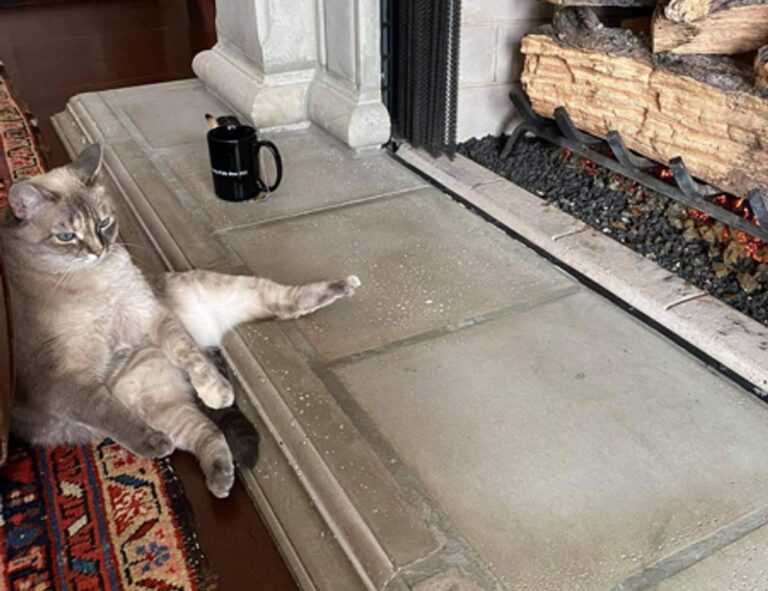
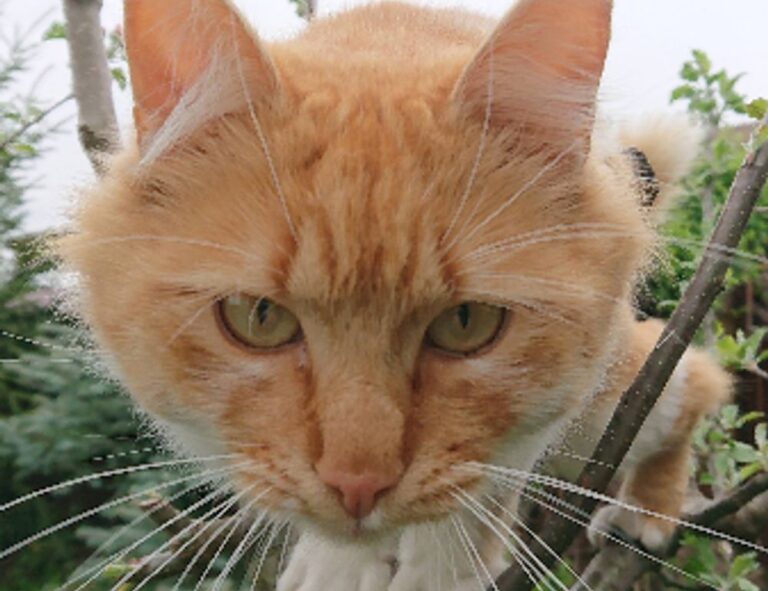
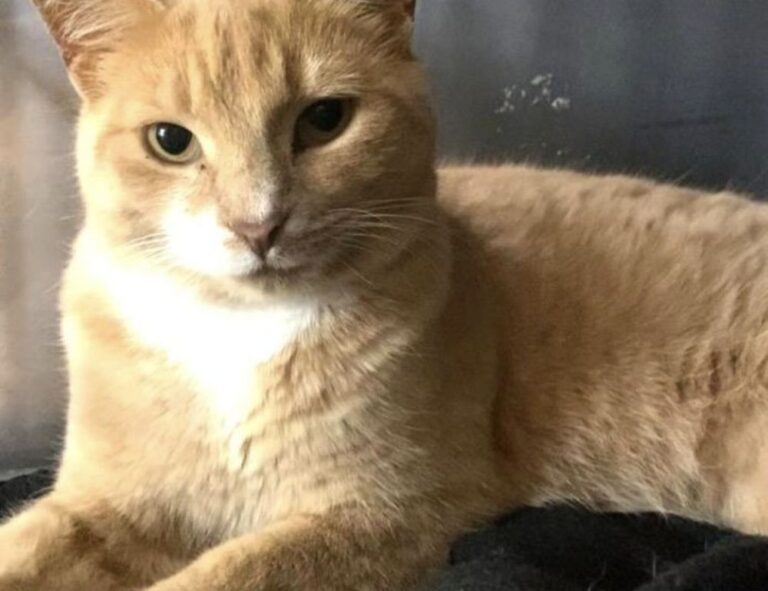
Why These Stories Matter

Adoption is about more than a warm bed and full food bowl. It’s about two lives meeting at the right moment. For the pet, it’s a second shot at safety and care. For the person, it’s often healing they didn’t know they needed. These stories cut deeper than rescue they’re about connection.

Research keeps backing what adopters have felt all along: pets reduce stress, combat loneliness, and help build routine. For people dealing with anxiety, trauma, or loss, the steady presence of an animal brings a kind of relief words don’t quite capture. And it works both ways. Pets from hard situations often open up once they sense stability and love.

That’s why these stories stick. They’re not flashy. But there’s power in seeing lives turned around, slowly, day by day. One adoption fuels another community shifts when people see what’s possible. A dog curled up on a couch. A cat learning to trust again. A person smiling a little more than they used to. These aren’t just feel good stories; they’re reminders that change is real, and it often starts with a leash, a trip home, and a bit of patience.

Against All Odds

Some animals come from places most of us can’t even imagine. Abandoned, starved, or mistreated. Yet somehow, they pull through. They don’t forget, but they do forgive with time, care, and a whole lot of patience.

Take Rosie, a senior pit bull found trembling in an abandoned warehouse. She resisted touch for weeks, flinching at the sound of footsteps. But her foster mom, Emily, showed up every day, gently sitting nearby, reading out loud. No expectations. Just presence. Slowly, Rosie began inching closer. Today, she greets guests with tail wags and sleeps sprawled across the couch like she owns it.

Then there’s Milo, a one eyed cat rescued from a hoarding situation. He lived in shadows, never making eye contact. With quiet mornings, soft music, and tuna bribery he came out of hiding. He now naps in sunlight and has a dedicated Instagram following of cat enthusiasts watching his journey.

What these stories have in common isn’t a flashy transformation. It’s grit. It’s the daily, often quiet work of regaining trust. It reminds us that healing isn’t linear, but it is possible. And when it happens, it’s nothing short of remarkable.

Second Chances, New Beginnings

Senior pets aren’t always the first to get adopted but when they do, it’s something special. These animals bring calm energy, a touch of wisdom, and often, a surprising amount of gratitude. Adopters who open their homes to older dogs and cats usually don’t go in expecting fireworks. What they get instead is quiet companionship, slower mornings, and deep, soulful connection.

Adapting to a senior pet means adjusting routines. Walks get shorter but more frequent. Stairs become optional. Food is tailored, meds are scheduled, beds are orthopedic. It’s not about spoiling it’s about comfort and dignity. Many families say the shift slows them down in the best way. Life with an older pet isn’t rushed. It’s intentional.

The emotional payoff is big. There’s joy in giving a pet, often overlooked for years, a soft landing. There’s meaning in late in life bonds. And for the adopters, knowing they gave a forgotten animal a final chapter filled with safety and affection? That’s the stuff that stays with you long after the leash is hung up for good.

Unlikely Matches, Perfect Fits

unlikely fits

Not every adoption story starts with love at first sight. Some begin with hesitation a pit bull mix with a hardened look, or an adopter battling anxiety who isn’t sure they’re ready. But then something quiet clicks. A gentle tail wag, a moment of eye contact, a nap taken side by side. Chemistry doesn’t always appear on day one. Sometimes it waits, unfolds slowly, and then lands with certainty.

These are the stories people don’t expect. The muscle bound dog who ends up being a lap hog. The skittish adopter whose panic attacks ease because their new cat curls up on their chest every night without fail. It’s not about finding a perfect pet on paper. It’s the messy, human, sometimes awkward bond that grows where you least expect it.

These matches serve as a reminder: trust doesn’t always need a roadmap. Sometimes the most healing relationships are the least likely ones. Explore more heartwarming adoption journeys.

Lifesaving Bonds

Not every adoption story begins with a clear purpose. Some people walk into a shelter on a whim, not knowing they’re about to meet a lifesaver.

Like Sarah, a nurse battling burnout and anxiety, who adopted Marley, a mutt with an uneven gait and gentle eyes. She thought she was doing him a favor. What she didn’t expect was how Marley would ground her during panic attacks lying across her chest, steadying her breath. No training, just instinct. That dog never left her side when things got dark.

There’s also Kevin, a retired firefighter. He adopted Luna, a stray rescue, to fill a quiet house. Months later, Luna started pawing insistently at his chest one evening. He shrugged it off until the discomfort became pain. A trip to the ER revealed early signs of a heart attack. The doctors said he came in just in time.

Some pets aren’t just companions. They become radar for illness, anchors for mental health, and silent heroes in moments of crisis. These aren’t one in a million cases either. Therapists have noted that adopted pets often form unusually strong bonds, especially with those recovering from trauma or loss. It’s as if the animal knows.

In many of these stories, the human thought they were stepping up to save an animal. But looking back, it’s clear it went both ways.

The Ripple Effect

Adoption stories don’t just end with a happy pet and a loving home. Many of them spark a larger movement creating waves of compassion, community involvement, and change.

How One Adoption Inspires Many

A single adoption can trigger a chain reaction of support and awareness:
Volunteering: Inspired individuals sign up to help shelters, foster pets, or assist with events.
Donations: Friends, coworkers, and neighbors are moved to contribute supplies, funds, or wish list items.
Advocacy: Adopters become ambassadors, sharing their stories and encouraging others to consider adoption.

These acts, sparked by one experience, add up to real impact across communities.

Community Led Campaigns

Some of the most effective adoption drives begin with personal stories. When people hear about a neglected dog who blossomed into a therapy animal or a senior cat who finally found comfort late in life, they’re compelled to act.

Community led initiatives often include:
Coordinated adoption events with local businesses
Social media campaigns sharing before and after success stories
Fundraisers and awareness efforts tied to individual pets’ journeys

Every personal story has the potential to become powerful advocacy.

Continue the Heartwarming Journey

Want to read more examples of how a single adoption can spark change? Explore more heartwarming adoption journeys that made an impact.

These stories show that when one pet finds a home, many others benefit too.

What We Learn From These Stories

Adoption isn’t always easy. That’s the point. It takes patience to earn trust, to unlearn old fears, to wait out the rough days. It takes compassion to see past a behavior or a medical issue, to understand that every animal has a history. And it takes commitment because this is a long game, not a weekend project.

But here’s the truth: every adoption is a two way rescue. The pet gets a second chance. The human gets perspective, purpose, sometimes even healing. The transformations are mutual and often quiet built from morning walks, nervous tail wags, and the slow rise of routine.

Every pet deserves that shot. That open door. That one person who says, “You’re home now.” And every family has room to grow, stretch, and be moved by the kind of loyalty you can’t buy. These stories aren’t just feel good fluff. They’re proof: adopting a pet can be one of the most raw, real, and rewarding things you ever do.


Sustainable Style Takes the Lead

Pet fashion is no longer all sequins and bow ties. In 2024, it’s going green. More brands and pet parents are taking a serious interest in eco conscious choices. That means swapping out cheap synthetics for organic cotton, bamboo fiber, and materials made from recycled plastic. It’s not just about looking good anymore; it’s about feeling right.

The shift toward slow fashion has finally hit the pet aisle. Instead of mass produced outfits in seasonal bins, we’re seeing limited run collections, longer lasting designs, and durable gear that prioritizes quality over volume. The focus? Less waste, more value.

Why now? Because pet owners increasingly see their animals as family and family doesn’t wear disposable trends. Spending a bit more for planet friendly materials feels worth it when the product is well made and has a lighter environmental footprint.

For more on what’s shaping this movement, check out our full breakdown on pet fashion trends.

Tech Meets Texture

Pet fashion isn’t just about cute sweaters anymore it’s officially gone high tech. Smart collars are packing serious features these days, from GPS tracking and fitness stats to LED safety lighting for night walks. What used to be novelties have become non negotiables, especially for pet parents who treat walks like mission ops and health like data points.

Beyond collars, innovative gear is responding to the weather in real time. Temperature regulating coats adjust to a pet’s body heat while keeping them dry or cool depending on what the day throws at them. Rainy day? No problem. Frost on the sidewalks? There’s tech for that too.

This isn’t just utility, though. Brands are blending sharp design with smart systems, so functional doesn’t mean forgettable. The divide between high performance and high style is melting away fast and pets are stepping out looking more runway ready than ever, with the tech to back it up.

Celebrity Pets and the Influence They Carry

celebrity companions

Celebrity pets aren’t just cute they’re trendsetters. With millions of followers, these four legged influencers are driving style choices and shaping the direction of the pet fashion industry.

Style Inspiration Starts on Social

From Instagram to TikTok, pet influencers are everywhere. Whether it’s a French Bulldog flaunting matching tracksuits with its owner or a Golden Retriever strutting high fashion collars, their curated looks are setting trends for pet parents around the world.
Influencer pets are modeling the newest styles before they hit the mainstream
Viral videos and posts often lead to sell out products
Fashion forward pets attract major brand collaborations, turning them into icons

Major Brands Are Going All In

Big name fashion houses and pet exclusive labels are paying attention. Recognizing the growing purchasing power of style conscious pet owners, they’re launching exclusive petwear lines that mirror human collections.
Brands like Moncler, Moschino, and Pawda (yes, really) are releasing pet collections
Accessories range from high end collars to seasonal jackets with luxury finishes
Matching sets allow owners and pets to coordinate looks effortlessly

Coordinated Couture: Matching With Your Pet

The matching outfits trend aka “twinning” has officially gone mainstream. Once considered a novelty, coordinating looks are now a staple on pet fashion runways and social media feeds alike.
Think sweaters, hoodies, and even PJs in coordinated colors and patterns
Pet and owner photo shoots are becoming a content genre in their own right
Designers are incorporating features that consider comfort and practicality for both human and animal

Want More Celebrity Pet Style Inspiration?

See how iconic pets (and their Hollywood humans) are driving haute couture in the pet world. Explore the full breakdown in our in depth article on pet fashion trends.

Customization is the New Standard

Off the rack no longer cuts it not for pets, and definitely not for their style conscious owners. Personalized prints, custom embroidery, and bespoke accessories are in demand. Whether it’s a jacket with a dog’s name stitched across the back or a one of a kind bow tie in a favorite pattern, the shift is clear: pet fashion is becoming deeply personal.

Boutique brands are driving this movement. They offer limited runs, hand crafted pieces, and size options that consider everything from paw width to ear length. The result? Gear that fits not just physically, but with personality. A Great Dane in a monogrammed bomber jacket. A tabby rocking a corduroy harness with vintage buttons. It’s the kind of detail that big box pet stores can’t replicate.

Pet parents are leaning into the made to order model, not only for the tailored fit but for the experience. Ordering feels intentional. Stylized. Almost like tailoring a suit if the suit had to survive mud puddles and sudden zoomies. It’s not just fashion anymore. It’s identity.

Statement Pieces Are Back

Pet fashion in 2024 has thrown subtlety out the window. This year, it’s all about bold prints, metallic sheens, and looks pulled straight from the streetwear playbook. Think leopard print raincoats, holographic vests, and puffer jackets with oversized logos. If it wouldn’t be out of place in a downtown skate park, it’s in.

Seasonality also matters more than ever designers are matching pet wardrobes to the calendar. Spring brings soft florals and pastels, summer hits hard with neons and sport styled mesh, and winter keeps pets cozy with luxe layers and textured knits. Fashion isn’t taking a break just because it’s cold out.

The accessories game is going strong, too. Pet shoes are getting traction literally with grippy soles and climate smart materials. Sunglasses aren’t just for photo ops anymore, and mini backpacks are popping up, turning pets into functional (and fashionable) companions. The message is simple: statement style is in, and there’s no such thing as too extra especially for your four legged sidekick.


What to Watch for Next

The line between pet shopping and tech just got thinner. Virtual try on tools once a novelty are starting to shape how pet parents shop. Apps and AR features now let you see how that puffer vest or raincoat looks on your corgi before tapping “add to cart.” For small brands, it’s a chance to reduce returns. For consumers, it’s a way to skip the guessing game.

Meanwhile, pet fashion shows are no longer just for the ultra elite. Across North America and Europe, curated pop up events are giving indie designers and petfluencers an in person way to connect. These aren’t your local dog park meetups these are runways, photo booths, and merch tables aimed squarely at style conscious pet owners.

Crossover with human fashion isn’t slowing down, either. Matching capsule collections, streetwear collabs, and seasonal drops are making it harder to tell where your wardrobe ends and your pet’s starts. You’ll see the same aesthetic threads neutral palettes, oversized fits, and layered textures across both worlds. If anything, pet fashion is helping define the trends, not just follow them.

Understand Your Pet’s Natural Needs

Creating a daily routine that suits your pet starts with understanding their natural behaviors and rhythms. Pets, like people, have individual needs based on their species, breed, age, and personality so one schedule never fits all.

Recognize Species Specific Habits

Different animals thrive under different types of structure:
Dogs generally respond well to predictability and benefit from clear routines.
Cats often prefer choice and independence but still appreciate consistent care.
Small mammals, reptiles, and birds may have unique needs tied to daylight cycles and feeding times.

When building a schedule, start by researching your pet’s natural tendencies. This creates a foundation that aligns your expectations with what your pet instinctively needs.

Observe Behavior and Energy Patterns

Pay attention to your pet’s habits throughout the day:
When are they most energetic?
What times do they rest naturally?
Are there certain triggers that spark excitement or stress?

This insight helps you schedule active times for play, relaxing moments for cuddles or naps, and avoids conflicts, like trying to train when your pet typically wants to unwind.

Build Around Core Daily Needs

Once you understand your pet’s natural rhythm, plan your schedule around the key pillars of their wellbeing:
Feeding: Serve meals at consistent times each day to support digestion and behavioral regularity.
Exercise: Include physical activity tailored to your pet’s age and breed.
Rest: Protect quiet time and respect their need for naps or independent time.
Social Interaction: Schedule daily moments for bonding, training, or enrichment.

Creating balance across these areas ensures your pet feels secure, cared for, and mentally engaged even on the busiest days.

Key Elements of a Pet Friendly Schedule

Feeding time: Feeding your pet at the same time every day isn’t just about routine it helps their digestion and keeps their behavior stable. Pets are creatures of habit. When they know when to expect food, they feel more secure and act out less. Skip the guesswork. Set a time, stick to it.

Walks/exercise: Dogs need movement. Some need more than others, depending on breed, age, and energy level. Young shepherd? Long hikes. Older pug? Short strolls. Find the right rhythm and try not to break it. For cats and small animals, think climbing time, toys, or tunnels. Daily motion keeps minds and bodies sharp.

Training/play: Five to ten minutes a day makes a big impact. It reinforces communication and builds trust. Whether it’s a sit stay refresh or chasing a feather toy, short bursts of play or training keep your pet engaged and sharp. Don’t overdo it. Keep it light, focused, and fun.

Rest/sleep: Let them nap. Resist the urge to interrupt. Pets rest in short cycles across the day. Tired pets get cranky and stressed. Build in quiet time, especially after meals or play. A consistent rest space helps, too a crate, mat, or corner they can trust as their own.

Structure doesn’t have to mean strict. But consistency? That’s gold.

Morning Routine Ideas

A strong morning routine sets the tone for your pet’s day helping them feel secure, cared for, and calm. Morning rituals don’t have to be complicated; they just need to be consistent and tailored to your pet’s needs, whether you have a high energy pup or a laid back feline.

Start the Day Right

Outside break or litter box clean up: Give your pet a chance to relieve themselves as soon as they wake. For dogs, this means a quick walk or yard time. For cats, make sure the litter box is fresh and accessible.

Nutrition and Hydration

Feed breakfast at the same time daily to help regulate digestion and set expectations for mealtime.
Provide fresh water and check bowls to ensure they’re clean and full.

Mental and Physical Stimulation

Quick training refresher: A 5 10 minute session with basic commands helps refocus your pet and reinforces positive behavior.
Interactive play: Toss a toy, use a flirt pole, or engage with a puzzle feeder to get your pet’s brain working early in the day.

Pre Departure Calm

Create a calming environment before leaving: Lower noise levels, dim lights if needed, and avoid high energy interactions right before exiting. This makes transitions easier and reduces separation stress.

Establishing even a simple morning routine helps communicate predictability to your pet and that security goes a long way in supporting their emotional health throughout the day.

Midday Care Options

When you’re not around during the day, your pet still needs interaction and structure. Midday care isn’t just a convenience it’s a mental health boost for your animal. Whether it’s a trusted dog walker, a reliable drop in sitter, or even a quick check in via a two way pet camera, these touchpoints break up the day and lower the risk of separation anxiety or destructive boredom behaviors.

These midday moments also create natural checkpoints for house training or routine reinforcement. A walk at lunchtime can prevent indoor accidents. A short visit gives your dog a chance to practice manners. Even a remote treat session through a smart cam keeps your pet mentally engaged. For pets that thrive on consistency, these small bits of support go a long way.

Evening Routine Tips

night habits

Evenings set the tone for your pet’s night. Start with a scheduled meal same time every evening, same spot. Keep it calm and consistent. After dinner, go for moderate activity. For dogs, that could be a leisurely walk around the block. For cats or smaller pets, think indoor play chasing a toy mouse, climbing structures, or even a few treat finding puzzles. The goal is light stimulation, not a full blown energy burst.

As the night winds down, so should your pet. This is where quiet time matters. Sit together, offer some gentle cuddles, brushing, or just let them relax nearby while you read or watch TV. Pets pick up on your energy if you’re winding down, they will too.

Keeping this pattern steady helps your pet recognize it’s time to shift into rest mode. Over time, it becomes second nature: eat, play, relax, sleep.

Creating a Consistent Sleep Environment

Sleep is serious business especially for pets. Whether you’ve got a hyper husky or a chill tabby, a stable nighttime setup can make a big difference in their mood and behavior. Start by picking a sleeping spot that’s quiet, cozy, and free from foot traffic. Once your pet knows where to rest, keep it consistent. No bouncing between rooms or introducing unfamiliar smells and sounds at bedtime.

Avoid late play sessions or feeding close to lights out. Stimulation right before bed can mess with their ability to settle down. Instead, let the last part of the evening feel calm and uneventful. It sends a clear message: it’s time to wind down.

Also, make sure your pet has a reliable retreat somewhere they can go if they feel overwhelmed or just want space. A crate, a corner bed, or a tucked away nook works. If you haven’t yet, check out these tips on building a safe space for pets. It’s a simple move that pays off in lower stress and better sleep.

Adjusting Routines During Life Changes

Whether it’s a new job, a move, or a baby on the way, big life changes throw everyone off especially your pet. Don’t flip the routine overnight. Shift gradually. Start small by adjusting one part of the day, like walk time or mealtime, and give your pet space to adapt.

Pets are creatures of habit. They lean on daily patterns to feel secure. If that structure suddenly disappears, stress can spike fast. Rebuild your pet’s rhythm gently. Stick to familiar cues, like using the same crate or feeding bowl in a new place, to keep things grounded.

During transitions, reward calm behavior with treats, praise, or short play sessions. Reinforce the good. Skip punishment it adds confusion. Your job here is to be the steady force when everything else feels unsteady.

For added support, don’t overlook the power of a dedicated comfort area. Learn more about setting one up in our guide to creating a safe space for pets.

Final Thoughts

Creating a daily routine for your pet isn’t just about keeping a tight schedule it’s about building a sense of safety and predictability.

Why Routine Matters

Builds trust: Consistent care makes your pet feel secure and connected to you.
Reduces anxiety: Pets thrive when they know what to expect. A predictable pattern helps minimize stress, especially in sensitive animals.
Improves behavior: Stable routines encourage better habits by reducing uncertainty and overstimulation.

Focus on Reliability, Not Perfection

A flawless routine isn’t necessary. Life happens, and your routine may change from day to day. What matters is maintaining a reliable rhythm your pet can count on.
Don’t stress over missed walks or delayed meals but aim for overall consistency
Pay attention to your pet’s signals and adjust as needed
Reinforce comforting rituals, like morning greetings or bedtime routines

Small Changes, Big Impact

Micro adjustments over time can lead to major improvements in your pet’s well being:
Shift feeding times gradually if needed
Introduce new enrichment or rest periods slowly
Use positive reinforcement to help your pet adapt to small changes

In the end, a thoughtful daily routine helps your pet feel safe, loved, and balanced and that’s the best gift you can give.

Choosing the Right Hotel

When traveling with your pet, not all “pet friendly” hotels are created equal. The label is often used broadly and can mask a wide range of rules, hidden fees, and even breed or size limits. Doing a little homework up front can save you stress (and unexpected costs) later.

What ‘Pet Friendly’ Really Means

Hotels may advertise themselves as pet friendly, but that term can mean different things at each location. Key questions to consider:
Are pets allowed in all room types or only specific ones?
Is your type of pet allowed (some properties allow only dogs, others include cats or even small animals)?
Are there designated pet relief areas on the property?

Watch for the Fine Print

Beyond the marketing language, pay attention to the extra policies that could affect your stay:
Hidden fees: Some hotels charge daily pet fees or refundable (and non refundable) deposits.
Size or breed restrictions: Larger dogs or certain breeds might be restricted even at pet friendly hotels.
Limit per room: There may be a cap on how many pets are allowed in a single room.

Why You Should Call Ahead

A quick phone call can go a long way. Speaking directly with the front desk or reservations team helps clarify policies that may not be detailed online.
Confirm up to date restrictions, fees, and amenities
Get information about pet relief areas and nearby walking options
Avoid unpleasant surprises at check in

Relying solely on a hotel’s website or third party booking pages can leave you with information that’s outdated or incomplete. A five minute call ensures your pet will be genuinely welcomed, not just tolerated.

Prepping Your Pet Before Check In

A little work before you reach the hotel can go a long way in keeping both you and your pet sane. First up: exercise. A solid walk, run, or game of fetch before arrival helps burn off nervous energy. It’s like giving them a reset button before they enter an unfamiliar space.

Eating on the road gets tricky, so keep your pet’s feeding schedule as close to normal as possible. Bring familiar food and collapsible bowls, and avoid switching brands mid trip unless you’re asking for stomach trouble. If you’re dealing with a longer journey, pack meal portions in sealable bags so it’s grab and serve when the time comes.

When it’s time to pack, don’t just think in terms of essentials think in terms of comfort. Their favorite toy or blanket? Bring it. Familiar scents calm anxiety. Don’t forget leash, ID tags, and vaccine records (some hotels ask). A small kit of basics bed, food, water bowl, treats, and waste bags makes you ready for almost anything.

A bit of thought up front means fewer surprises later.

In Room Comfort Setup

Once you’re in the hotel room, your first move is to find the calmest corner. Stay away from elevators, ice machines, or any spot with frequent foot traffic. Pets pick up on noise fast, and random hallway sounds can spike their anxiety.

Next, manage what your pet sees. Close the curtains or blinds if there’s a window facing a busy area stray movement outside can overstimulate them. If your pup tends to bark at every passing shadow or unfamiliar sound, blocking those triggers is a game changer.

If your pet’s not heading out for potty breaks, define an indoor bathroom area early. Pick a corner and use pads or a portable tray, and don’t move it around. Consistency lowers confusion.

The goal is to turn one part of that unfamiliar space into a stable zone. Familiar bedding, a favorite toy, and a tried and true water dish help make it feel like home.

Need more tactical advice? Check out these pet hotel tips.

Being a Thoughtful Guest

guest etiquette

When staying at a hotel with your pet, being considerate of hotel staff and other guests is essential. A few simple habits can make a huge difference between a welcome visit and a stressful one.

Communicate With Hotel Staff

Before stepping out without your pet, always inform the front desk:
Let staff know your pet will be in the room unattended
Ask about specific hotel policies regarding pets while you’re away
Confirm whether housekeeping should skip your room or visit at a scheduled time

Use Clear Signage

Don’t rely on hotel staff to remember every detail. Be proactive:
Hang a “Do Not Disturb” or “Pet Inside” sign on your door whenever your pet is alone
Temporarily pause housekeeping if it might upset or stress your pet

Maintain a Quiet, Calm Environment

Noise complaints are one of the fastest ways to end up on a hotel’s no return list. Reduce disturbances by:
Keeping the television or white noise on to mask hallway sounds
Bringing chew toys or puzzle feeders to keep your pet distracted
Monitoring barking, whining, or scratching use calming sprays or treats if needed

Being courteous during your stay not only guarantees a smoother experience it also makes it more likely the hotel will welcome you and your pet again.

Local Walks & Activity

A room’s not enough. Pets need space to move, sniff, and stretch their legs. Start by checking in with the front desk most staff know where the good parks and pet friendly patios are nearby. Some may even keep maps or partner with local businesses that welcome four legged guests.

When heading out, don’t rely just on a leash. If the area is unfamiliar, a harness offers better control, and a GPS tracker adds peace of mind if your pet slips away or gets spooked. Not all areas are equally safe or pet oriented, so a little extra caution goes a long way.

Also, don’t skip the daily walk even if you’re tired. A short burst outside helps burn nervous energy, reduces barking, and makes in room time calmer for both of you. It’s not just about exercise it’s about routine and grounding in a new place.

Departure Day Check

Leaving a hotel with your pet doesn’t just mean packing up and walking out the door. A smooth wrap up ensures you leave a great impression and sets the stage for future pet friendly stays.

Check Every Corner

Before heading out, do a full room sweep:
Look under beds, behind furniture, and in closets for any forgotten toys or pet gear
Double check for bowls, leashes, or medication
Don’t forget items like pet wipes, blankets, or mobile food containers

Clean Up After Your Pet

Just like you’d expect from a courteous guest, leave the room in good shape for the next visitor:
Wipe up any pet messes or spills
Dispose of used pee pads or litter responsibly
Gather pet hair from furniture or bedding if necessary (a lint roller can be a trip essential)

A little cleanup can go a long way in keeping hotels pet friendly.

Leave a Note or Review

If the stay went well, let the hotel know:
Leave a quick thank you note for housekeeping or the front desk
Take a moment to write a review highlighting the hotel’s pet friendly amenities and staff help

Positive feedback encourages more properties to go truly pet friendly.

For more expert advice, don’t miss these essential pet hotel tips.

Final Tips for Smooth Travels

Pets love predictability. Whether you’re crossing state lines or crashing at a highway motel, keeping daily routines intact helps your pet stay grounded. That means feeding times, walk schedules, and even the order of play and rest try to keep it close to home rhythm.

The travel carrier? Don’t treat it like a punishment box. If the only time your pet sees it is when you’re headed to the vet or a plane, it’s going to carry all the wrong energy. Leave it out at home with cozy bedding. Toss a treat inside now and then. Let your pet explore it on their terms.

As for hotel skills, don’t expect perfection overnight. Start with short overnight stays close to home. Get your pet used to the sounds, smells, and routine of hotel life in small doses. You’re building confidence. One night turns into two, then three eventually, the chaos dies down and travel feels normal.

Understanding the Challenge of Long Flights for Pets

Pets, like humans, experience stress during long flights. Recognizing and addressing these challenges improves their travel experience.

Why Long Flights Can Be Stressful for Pets

Long flights can be stressful for pets due to multiple factors. Cabin noise can be overwhelming, especially for sensitive animals like cats and small dogs.

Limited movement and confinement in carriers further increase their anxiety. Temperature fluctuations can make them uncomfortable, particularly for brachycephalic breeds like bulldogs and Persian cats.

Sudden pressure changes during takeoff and landing may also cause ear discomfort, leading to added stress.

Types of Pets Commonly Affected

Certain pets are more susceptible to flight stress. Brachycephalic breeds, such as:

  • pugs
  • bulldogs
  • Persian cats

often experience breathing issues.

Senior pets may struggle with longer flights due to health conditions. Exotic pets, like birds and reptiles, may find the environment harder to adapt to.

Small breeds, such as Chihuahuas and Yorkies, can feel more vulnerable in crowded, noisy cabins. Ensuring these pets’ comfort requires extra attention.

Pre-Flight Preparations

Preparing your pet for a long flight involves several important steps. Ensuring their comfort and safety requires diligence before travel day arrives.

Visiting the Vet

A vet visit is crucial before flying with your pet. Schedule an appointment a few weeks before travel. Discuss any health concerns, vaccinations, and obtain a health certificate, which airlines often require.

Ensure your pet is fit for air travel and confirm this with your vet, especially for older pets or those with health issues.

Choosing the Right Carrier

Selecting the right carrier can significantly impact your pet’s comfort. Choose an airline-approved carrier, considering size and ventilation.

The carrier should be spacious enough for your pet to stand, turn around, and lie down. Include familiar items like a favorite blanket or toy to create a sense of security.

Familiarization and Training

Familiarizing your pet with their carrier reduces stress. Gradually introduce them to it weeks before the trip. Use positive reinforcement, encouraging your pet to spend time inside.

Simulate travel by taking short car rides with the carrier. This helps your pet adjust to the confinement and movement they’ll experience during the flight.

During the Flight

Ensuring your pet’s comfort during a long flight is crucial. Proper management of food, hydration, and their emotional state makes the journey smoother for both of you.

Managing Food and Hydration

Pets need adequate food and water to stay healthy during the flight. It’s best to provide a light meal 4-6 hours before departure to avoid potential stomach issues.

During the flight, only offer small amounts of water at regular intervals to prevent dehydration without overhydrating, which can lead to discomfort. Use spill-proof water containers to keep their space clean and dry.

Keeping Your Pet Calm and Comfortable

Pets can get anxious during flights, so keeping them calm is essential. Familiar items, like a favorite toy or blanket, provide them with a sense of security.

Consider using calming aids, such as pheromone sprays or natural supplements, but consult your vet before the trip. Regular check-ins, though limited during the flight, reassure pets and help monitor their status.

Using these tips makes traveling with your pet less stressful and more enjoyable for both of you.

Legal and Health Considerations

Traveling with pets on long flights involves ensuring their legal and health requirements are met.

Documentation and Vaccinations

Pets need specific documentation for air travel.

  1. A health certificate is typically required, issued within 10 days before departure by a licensed veterinarian. This certificate confirms the pet’s good health and vaccination status.
  2. Vaccinations such as rabies must be up-to-date; requirements vary by destination.
  3. Some countries demand additional vaccinations, like canine distemper or feline calicivirus.
  4. Always check entry requirements for the destination country well in advance to avoid any last-minute issues.

Understanding Airline Pet Policies

Each airline has its own pet policies. These rules cover various aspects, including carrier dimensions, allowed pet weight, and fees. Some airlines permit small pets in the cabin if they fit under the seat, while others only allow pets in the cargo hold.

Review the airline’s pet policy thoroughly and contact the airline for any clarifications. Ensure that the pet carrier meets airline specifications, providing adequate ventilation and space for the pet to turn around, stand, and lie down comfortably.


Understanding Your Dog’s Needs on Walks

Effective dog walking involves knowing your dog’s specific needs. Understanding these requirements ensures more enjoyable and beneficial outings.

Considering Your Dog’s Age and Breed

Age determines a dog’s stamina and physical limitations. Senior dogs might prefer shorter walks while younger dogs need longer, energy-draining outings.

Breed affects activity levels. For instance, Border Collies require extensive exercise compared to Bulldogs, which enjoy more leisurely strolls. Tailoring walks to age and breed keeps dogs comfortable and satisfied.

Assessing Physical and Mental Health

Physical health impacts how much exercise a dog can handle. Dogs with joint issues or other ailments benefit from shorter, gentler walks. Mental health also plays a role.

An anxious dog might need more frequent, calming outings. Evaluate health regularly and adjust walk intensity accordingly. Consulting a veterinarian helps in making informed decisions.

Creative Routes and Destinations

Exploring different areas makes walks more engaging for dogs. Trying fresh routes ensures varied sensory experiences.

Exploring New Neighborhoods

Venture into unfamiliar neighborhoods to offer your dog new sights, sounds, and smells. This variety stimulates their senses and can make each walk feel like an adventure.

For instance, walking through different residential areas or urban settings allows dogs to encounter novel environments. It’s also an opportunity for socialization as they may meet new people and other dogs.

Nature Trails and Parks

Take your dog to nature trails and parks for a change in scenery. These places often offer diverse terrains and natural sights, which can be more stimulating than urban surroundings.

Forest trails, beach paths, and mountain hikes are excellent examples of diverse options. Many parks have designated off-leash areas where dogs can run freely, providing them with both exercise and socialization with other dogs.

Interactive Walking Gear

Outfitting your dog with the right gear can make walks more engaging and enjoyable. With interactive equipment, walks become more than just exercise.

Choosing the Right Harness and Leash

A comfortable harness and a sturdy leash are essential. Choose a harness that fits snugly without restricting movement. Avoid using choke collars, as they can harm your dog.

Opt for a leash that’s durable and has a comfortable handle. Reflective materials on both the harness and leash can improve visibility during early morning or evening walks.

Interactive Toys and Accessories

Incorporating toys and gadgets can keep your dog entertained during walks.

  1. Tug Toys: Durable toys, like tug ropes, can provide mental and physical stimulation.
  2. Fetch Toys: Ball launchers or frisbees can encourage active play.
  3. Treat-Dispensing Toys: Devices that release treats as your dog plays can keep them motivated and focused.
  4. Scent-Detection Toys: Items infused with scents can engage your dog’s sense of smell.

Bringing along these accessories can transform routine walks into fun adventures, enhancing your dog’s overall experience.

Training Challenges During Walks

Training isn’t limited to home or classes—walks present excellent opportunities to reinforce your dog’s skills.

Incorporating Basic Obedience Training

Consistent practice can make commands like “sit,” “stay,” and “heel” second nature. During walks, introduce distractions like passing cars or other dogs to evaluate your dog’s obedience. If the dog starts to pull on the leash, stop moving until it calms down. This teaches leash manners and reinforces control.

Using Treats for Motivation and Rewards

Rewards can make training enjoyable. Carry high-value treats like small pieces of cooked chicken or special dog treats. Use them to reward desired behaviors, such as walking calmly by your side or ignoring distractions.

When your dog performs well, immediately provide a treat and praise. This positive reinforcement solidifies good behavior.

Socializing and Play Opportunities

Incorporating socializing and play into dog walks can enrich the experience, both for the dog and the owner. Here are some effective ways to create more exciting walks.

Arranging Doggy Playdates

Setting up playdates with other dogs can provide both social interaction and physical exercise. Identify safe, fenced areas where dogs can play off-leash.

Organize regular meetups with friends or neighbors who have friendly, well-behaved dogs. Monitor play sessions to ensure they remain safe and enjoyable for all dogs involved. Vary the playdate locations to keep the experiences fresh and exciting.

Visiting Dog-Friendly Community Events

Attending dog-friendly community events exposes dogs to different environments and stimuli. Research local events like:

  • festivals
  • markets
  • charity runs

that welcome dogs.

Events often feature activities specifically for dogs, such as agility courses or pet costume contests, offering unique experiences. Ensure the event environment is suitable for your dog’s temperament and social skills to make outings enjoyable and stress-free.

Using these strategies effectively adds social and play elements to walks, enhancing the overall experience for your dog.


Choosing the Right Destination

Selecting the perfect vacation spot requires considering your pet’s needs and preferences as well as your own.

Research Dog-Friendly Locations

Begin with researching dog-friendly locations. Many cities have parks, trails, and beaches welcoming pets. I find online travel forums and review sites quite helpful.

Websites like BringFido, GoPetFriendly, and TripAdvisor offer valuable insights into pet-friendly destinations. Look for accommodations that genuinely welcome pets, not just tolerate them, by checking for amenities like dog beds, treats, and designated pet areas.

Consider Climate and Pet Needs

Consider the destination’s climate and how it affects your pet. For example, if your dog has a thick coat, avoid hot, humid places. On the other hand, smaller or short-haired dogs may need warmer environments.

I always check weather forecasts and climate history for potential destinations. If my pet has specific health needs, I consult with my vet before finalizing the location.

Preparing for the Journey

Taking a trip with pets requires careful planning. Address important health and packing needs to make sure they’re comfortable and safe.

Health Checks and Vaccinations

Schedule a vet appointment before the trip. Ensure pets are up-to-date on vaccinations and flea/tick preventatives. Get a health certificate, if needed, for your destination.

Ask the vet for advice on any travel-specific health concerns. Microchipping pets adds an extra layer of security in case they get lost.

Packing Essentials for Pets

Pack a travel bag for pets. Include items like food, water, bowls, leash, waste bags, and a bed or blanket. Bring familiar toys to reduce anxiety. Don’t forget their medication if they take any.

Use a pet carrier or crate for safe transport. Consider a first-aid kit tailored for pets, including bandages and antiseptic.

Accommodation Options

Choosing the right accommodation ensures a comfortable stay for both you and your pet. Below are considerations and tips for selecting pet-friendly lodgings.

Pet-Friendly Hotels vs. Rentals

Hotels provide structured environments with amenities like room service and housekeeping. Chains such as Kimpton Hotels and La Quinta cater to pets with welcoming policies.

These hotels often offer pet amenities, including beds and food bowls.

Rentals through platforms like Airbnb and Vrbo offer more space and privacy. Rentals sometimes include fenced yards and kitchens, allowing for a homier feel.

However, owners’ policies on pets vary significantly, and some might impose restrictions on pet size or breed.

Checking Hotel Policies and Amenities

  1. Confirm pet policies before booking to avoid surprises.
  2. Some hotels have weight limits, breed restrictions, or pet fees.
  3. Check for essential amenities like pet-friendly rooms, nearby pet relief areas, and on-site pet services.
  4. Call ahead to confirm specific details, even if they’ve been stated online.
  5. Speaking directly with the hotel can provide assurance that they’ll accommodate your pet’s needs.

Activities and Sightseeing

Pet-friendly vacations offer various activities and sightseeing opportunities. Ensuring every adventure is safe and enjoyable for your pet enhances the overall experience.

Outdoor Adventures with Pets

Many destinations boast outdoor activities for pets. National parks, state parks, and hiking trails often have pet-friendly areas. For example, Acadia National Park in Maine allows leashed pets on most trails.

Beach destinations like Carmel Beach in California welcome dogs with open arms. In both cases, it’s essential to check specific pet policies and restrictions on trails or areas.

When engaging in outdoor adventures, pack essential items like water, collapsible bowls, and waste bags. Frequent breaks ensure pets stay hydrated and rested. Keep a first aid kit handy for minor injuries, especially for longer hikes.

Urban Areas and Pet Regulations

Traveling to urban areas with pets brings unique challenges. Some cities, like San Francisco and Austin, have numerous dog parks, pet-friendly cafes, and shops. However, different cities impose varying regulations regarding pets in public spaces. Always research city-specific pet policies before arriving.

Understand leash laws, pet etiquette, and any restricted areas. Some urban parks might require dogs to be on a leash at all times, while others have designated off-leash zones. Apps like BarkHappy can help locate pet-friendly spots in urban settings.

Dining Out with Your Pet

Dining out with pets can be challenging. To ensure a pleasant experience, it’s essential to find pet-friendly restaurants and bring the appropriate items to the eatery.

Finding Pet-Friendly Restaurants

Research local dining establishments that welcome pets. Websites like BringFido, Yelp, and TripAdvisor have filters for pet-friendly options. Check the restaurant’s outdoor seating policies, as many places allow pets only in these areas. Call the restaurant before visiting to confirm their pet policy and any restrictions.

What to Bring to a Pet-Friendly Eatery

Prepare items for your pet’s comfort during the meal. Bring a portable water bowl, a small blanket or mat for your pet to sit on, and some chew toys to keep them occupied.

Pack a leash and waste bags for quick clean-ups. Consider bringing some pet-friendly treats to keep your furry friend content and well-behaved while you enjoy your meal.

Travel Tips and Safety

Traveling with pets requires extra attention to detail. Ensuring a smooth journey involves planning and preparation.

On-the-Road Supplies

Bringing the correct supplies ensures pets stay comfortable and safe.

Essentials include:

  • Water and Food: Pack enough water and pet food for the journey, including containers for serving.
  • Travel Bowls: Consider collapsible bowls for easy storage.
  • Leash and Harness: Keep a sturdy leash and well-fitted harness accessible.
  • Waste Bags: Bring plenty of waste bags for clean-up.
  • First Aid Kit: Include basic items like bandages, antiseptic wipes, and tweezers.
  • Comfort Items: Carry familiar items like toys or blankets to reduce stress.
  • Medication: Bring any required medication and dosage instructions.

Handling Emergencies

Prepare for emergencies by knowing how to respond.

Key steps include:

  • Veterinary Contacts: Research veterinary clinics along your route and at your destination.
  • Emergency Numbers: Keep a list of emergency contacts, including your primary vet and local animal control.
  • Insurance Details: Have pet insurance information nearby, understanding coverage areas and policies.
  • Health Records: Carry copies of vaccination and health records.
  • Calming Aids: Use pheromone sprays or anxiety vests if your pet experiences stress.
  • Contingency Plans: Have a plan for unexpected delays or route changes, ensuring pets remain cared for.

Planning and preparation significantly enhance the travel experience for pets and owners, ensuring a memorable, safe trip.


Traveling with your furry companions adds a layer of joy and adventure to any trip, but it also requires meticulous coordination. From scouting pet-friendly hotels to ensuring your vehicle is equipped with the right safety crates, the logistics of a family vacation often revolve around our four-legged members. As you settle into your destination or relax during a long layover, many Canadian travelers find that engaging with their favorite sports teams through regulated betting platforms offers a perfect way to unwind. Just as you wouldn’t travel without a verified pet-friendly itinerary, ensuring you use a secure, authorized sportsbook is the key to a stress-off experience.

For many Canadian families, sports are more than just a pastime—they are a way of life. From Saturday night hockey rituals to summer afternoons at the ballpark, athletics bring households together. However, over the last few years, the way Canadians engage with their favorite teams has undergone a massive transformation. With the passing of Bill C-218 in 2021, the landscape of sports entertainment shifted forever, allowing fans to transition from simple spectators to active participants in the legal wagering market.

If you are a sports fan looking to add a layer of excitement to the next big game, it is essential to understand the rules, the safety measures, and how to bet online legally within the Canadian regulatory framework.

The Shift: From Parlays to Single-Game Betting

For decades, Canadians were restricted to “parlay” betting through provincial lottery corporations like Proline. This meant you had to predict the outcome of at least three games correctly to win. If two teams won and one lost, your entire ticket was void. While this was the only legal option at the time, it was often frustrating for fans.

The legalization of single-game betting changed everything. Now, Canadians can wager on the outcome of a single event—be it the Super Bowl, a regular-season Raptors game, or a UFC fight. This shift brought Canada in line with global standards and, more importantly, moved the activity into a regulated environment where player protection is a priority.

Why Regulation Matters for Fans

When you choose a regulated sportsbook, you aren’t just placing a bet; you are entering a protected ecosystem. In provinces like Ontario, which launched its competitive iGaming market in 2022, the Alcohol and Gaming Commission of Ontario (AGCO) and iGaming Ontario (iGO) ensure that operators meet rigorous standards.

Regulation ensures:

  1. Financial Security: Your deposits and winnings are handled by companies held to strict accounting standards.
  2. Data Privacy: Regulated sites must use high-level encryption to protect your personal and banking information.
  3. Fair Play: All odds and outcomes are monitored to ensure they are transparent and not manipulated.
  4. Responsible Gambling: This is perhaps the most important pillar. Regulated sites offer tools like deposit limits, cool-off periods, and self-exclusion lists to help fans keep the hobby fun and manageable.

The Digital Evolution of Sports Entertainment

The surge in legal betting options hasn’t happened in a vacuum; it is the result of sophisticated digital outreach and user experience design. Behind every seamless betting app and informative sports portal is a complex layer of digital marketing aimed at educating the consumer. For businesses looking to navigate this high-growth digital landscape, partnering with experts like Aleph Marketing Studio can provide the strategic edge needed to reach modern audiences. Whether it is optimizing for mobile users on the go or creating engaging content for sports enthusiasts, effective digital marketing ensures that the right information reaches the right person at the right time.

Exploring the Betting Markets

One of the reasons sports betting has exploded in popularity is the sheer variety of ways to engage. It’s no longer just about who wins or loses. Modern sportsbooks offer hundreds of “markets” for a single game.

  • Moneyline: The simplest form of betting—picking the outright winner of the game.
  • Point Spreads: This levels the playing field between a favorite and an underdog. For example, if the Blue Jays are -1.5, they must win by at least two runs for the bet to pay out.
  • Over/Under (Totals): Instead of rooting for a team, you are rooting for the score. You bet on whether the combined total points of both teams will be over or under a set number.
  • Player Props: These are “bets within the bet.” You can wager on whether a specific hockey player will score a goal, or how many rebounds a basketball star will grab. This is particularly popular for fans who follow fantasy sports.

Sports Betting and Travel: What You Need to Know

Since this guide lives on a travel-focused platform, it’s vital to discuss how geography affects your ability to play. In Canada, gambling regulation is handled at the provincial level.

If you are traveling from Ontario to British Columbia or Quebec, you may find that the interface of your favorite app changes or that you need to use the specific provincial lottery platform (like PlayNow or Loto-Québec). Because of “geofencing” technology, your betting app uses your phone’s GPS to ensure you are physically located within a jurisdiction where they are licensed to operate.

If you are traveling internationally, keep in mind that many Canadian-regulated sportsbooks will not allow you to place wagers from outside the country. Always check the local laws of your destination to ensure you are staying within legal boundaries.

The “Home Team” Advantage: Betting on Canadian Favorites

There is a unique thrill in betting on Canadian teams. Whether it’s the intense rivalry between the Maple Leafs and the Canadiens or the nationwide support for the Blue Jays, legal betting has added a new dimension to these matchups.

During the NHL playoffs, for instance, the volume of legal wagers in Canada reaches its peak. Fans use these platforms to test their knowledge of the game. However, experts suggest that “betting with your heart” (always picking your favorite team) can be a risky strategy. Successful bettors often look at statistics, injury reports, and historical data rather than team loyalty.

Keeping it Family-Friendly: Responsible Play

At its core, sports betting should be seen as a form of paid entertainment, similar to buying a movie ticket or a nice dinner. For families, it is important to lead by example.

  • Set a Budget: Never wager money that is intended for essentials like rent, groceries, or travel savings.
  • Time Management: Don’t let tracking bets interfere with family time or work responsibilities.
  • Education: Talk openly about the risks. Understanding that the “house always has an edge” is a crucial part of being a smart consumer.
  • Time Management: Don’t let tracking bets interfere with family time or work responsibilities.
  • Education: Talk openly about the risks. Understanding that the “house always has an edge” is a crucial part of being a smart consumer.

Clear expectations first: what to check before using Parimatch Canada

In a packed evening, the hardest part isn’t placing a bet—it’s knowing what’s realistic. Open Parimatch Canada on your phone between intermissions, and the routine should feel like checking a scoreboard: quick, readable, then done. Clear expectations start with access, account checks, and banking rules that match how you actually play.

Availability and access: what can affect signup and login

Availability is the first reality check. Some regions restrict offshore betting sites, so the same link may load at home but stall on workplace Wi-Fi, or refuse sign-up behind a strict ISP filter. Reviews note that access can differ by jurisdiction, including places that require locally licensed operators. If the page won’t load, it’s not always your account. 

Login friction is usually simpler: wrong credentials, Caps Lock, or a saved password that’s outdated. The site describes recovery through the “forgot password” flow, confirmed by an SMS code, and offers a “remember me” option for the next session. When those basics fail, support becomes the gatekeeper. 

Parimatch Canada account basics: profile, verification, settings

Account basics are less glamorous than odds, but they decide whether cash-outs run smoothly. On the verification page, Parimatch asks you to fill missing personal details, then upload an ID card, passport spread, or driver’s licence, plus a selfie holding the chosen document. Staff may request extra files if something doesn’t match. Until verification is approved, withdrawals can be blocked.

Inside settings, check what you’ll rely on in a hurry: the login method (email, phone, or account number), the wallet history, and alerts. The login guide notes that all versions are synchronised, and that SMS confirmation can appear during access changes. The site also mentions two-factor authentication as an added safeguard. Those small switches matter when you’re moving between devices mid-week, at night. 

When verification turns “pending”

A pending status usually means the documents were received, but not yet matched to the profile fields. Most delays happen on mismatched dates, cropped photos, or unclear lighting—small things that look obvious on a laptop but messy on a phone. If an extra document is requested, the queue resets until the new file is reviewed. 

Payments and limits: what to read before you click confirm

Payments are where expectations collide with fine print. One independent review describes funding options such as debit, gift cards, and e-wallets, and notes that credit cards may not be accepted, depending on the cashier. On the site’s withdrawal page, payouts are framed as 15 minutes to 12 hours on average, but methods and limits can vary by account and region. 

  • Match withdrawal method to your deposit route; the site states this rule. 
  • Check minimum and maximum amounts in-wallet clearly before submitting the request. 
  • Fees can come from payment providers, even if the operator charges none. 
  • Track the request status in your account, with timestamps and method shown. 

Responsible routine: time control and spending boundaries

Time control matters because live markets update faster than most people think. A period break is short, and it’s easy to keep tapping after play resumes. If you’re using Parimatch Canada during short windows, set the session so it has a clear end point, like a final whistle. Otherwise, the phone decides when the night is over, not you.

Spending boundaries work best when they’re built into the account, not negotiated mid-game. The review’s FAQ says players can set deposit or stake limits, take time-outs, and request self-exclusion through settings or support, which turns a vague intention into a rule. It also stresses checking limits in the cashier before funding. In practice, that’s the difference between ‘one more’ and stopping on schedule. 

What to remember about Parimatch Canada

Parimatch Canada runs smoothly when the basics stay predictable: access loads, login holds, and your profile matches your documents. The site lists ID upload plus a selfie for verification, and says withdrawals follow the deposit route. Most friction comes from mismatched details, method limits, and processing windows during cash-outs.

Managing a household with multiple pets brings joy and companionship, but it also comes with unique challenges—especially when it comes to grooming. For families with two, three, or more cats, keeping up with shedding, matting, and general coat maintenance can quickly become overwhelming. Traditional grooming methods often fall short when you’re dealing with different coat types, temperaments, and the sheer volume of fur that accumulates daily.

The key to maintaining a clean home and healthy pets lies in having the right tools that can handle the demands of a multi-pet environment. Efficient grooming solutions don’t just save time—they reduce stress for both you and your pets while ensuring each animal receives the care they need. Whether you’re dealing with long-haired breeds that require frequent attention or simply trying to manage seasonal shedding across multiple cats, investing in purpose-built grooming equipment transforms what can feel like an endless chore into a manageable routine that benefits everyone in your household.

Understanding the Grooming Needs of Multiple Pets

When you share your home with multiple cats, grooming becomes exponentially more complex than caring for a single pet. Each cat brings their own coat type, shedding pattern, and tolerance for being handled. Long-haired breeds require daily attention to prevent painful mats, while short-haired cats still shed enough to cover furniture and clothing. The time commitment multiplies quickly—what takes fifteen minutes for one cat can easily consume an hour or more when you’re working through three or four animals.

Beyond the time investment, there’s the challenge of maintaining consistency across different personalities. One cat might sit patiently through a grooming session while another treats it as a wrestling match. Seasonal changes intensify these demands, with spring and fall bringing waves of undercoat that seem endless. Many pet owners find themselves grooming reactively rather than proactively, addressing mats and tangles only after they’ve become problems. This approach not only takes more time but can also cause discomfort for your pets. The physical strain on your hands and wrists from repetitive brushing motions adds another layer of difficulty, particularly when using tools not designed for extended use across multiple animals.

Identifying Key Challenges

Large breeds like Maine Coons present particularly demanding grooming requirements in multi-pet households. Their dense double coats can develop mats within days without proper attention, especially around the hindquarters and behind the ears. These cats produce significantly more loose fur than average-sized breeds, meaning a household with even two Maine Coons faces grooming demands equivalent to four or five typical cats. Their size also makes them harder to position comfortably during grooming sessions, requiring tools that can work efficiently without prolonged restraint. When combined with other pets in the home, these larger breeds can dominate your grooming schedule if you’re relying on basic brushes and combs that weren’t designed for such substantial coat maintenance needs.

Selecting the Right Grooming Tools

Specialized grooming systems designed for multi-pet households address the core frustrations of caring for several animals simultaneously. These tools prioritize both efficiency and comfort, eliminating the need to switch between different implements for different coat types or to endure hand fatigue from repetitive motions. Rather than forcing pet owners to purchase and store multiple specialized brushes, comprehensive grooming solutions consolidate essential functions into cohesive systems. The engineering focuses on practical concerns that emerge only when grooming becomes a daily necessity rather than an occasional task, incorporating features that reduce physical strain on owners while delivering thorough results that keep shedding under control and coats healthy across all your pets.

Essential Features to Consider

When evaluating grooming tools for multiple cats, look for adjustable settings that accommodate different coat densities and pet sensitivities without requiring tool changes between animals. This feature proves essential when moving from a dense-coated Maine Coon to a short-haired domestic cat within the same grooming session. Ergonomic handle design reduces wrist strain during extended use, a critical consideration when you’re working through multiple pets consecutively. Integrated fur collection eliminates the mess that typically accompanies grooming sessions, capturing loose hair directly rather than allowing it to scatter across your home. The brush head geometry should reach undercoat effectively while remaining gentle on skin, preventing the irritation that can make subsequent grooming sessions more difficult. Quiet operation maintains a calm environment, preventing the noise-related anxiety that often causes pets to flee or resist grooming, which becomes particularly important in multi-pet households where one stressed animal can trigger anxiety in others.

Customizing Grooming for Multiple Cats

Effective multi-pet grooming requires adapting your approach to each animal’s specific needs while maintaining efficiency. Start with your most tolerant cat to establish a calm atmosphere, then progress to more challenging animals once you’ve developed rhythm and confidence with the tool. Adjust suction strength or brush intensity based on coat thickness and individual sensitivity—what works for one cat may overwhelm another. For long-haired breeds, work in sections to prevent fatigue in both you and your pet, completing one area thoroughly before moving to the next. Short sessions repeated more frequently often yield better results than attempting comprehensive grooming all at once, particularly when building tolerance in cats new to the equipment.

Benefits of Multi-Pet Grooming Tools

Purpose-built grooming tools designed for multi-pet households deliver advantages that extend far beyond simply removing loose fur. These systems fundamentally change the grooming dynamic by reducing the physical and mental burden on pet owners while improving outcomes for the animals themselves. When you can groom multiple cats efficiently, you’re more likely to maintain consistent schedules rather than postponing sessions until problems develop. This consistency prevents the formation of mats and tangles that cause discomfort and require more aggressive intervention later. The reduced session time per animal means less stress for pets who tolerate grooming reluctantly, preserving their cooperation for future sessions. Effective fur collection keeps your living spaces cleaner between groomings, reducing allergens and the constant presence of pet hair on furniture and clothing. For households managing three or more cats, the cumulative time savings transform grooming from an overwhelming obligation into a manageable part of routine pet care that actually strengthens your bond with each animal through positive, low-stress interactions.

Time-Saving

Efficient grooming tools can reduce per-cat grooming time by half or more compared to traditional brushes, which translates to substantial savings in multi-pet households. What might have required two hours weekly becomes a manageable forty-minute routine. This efficiency comes from better fur capture that eliminates the need for repeated passes over the same areas and from ergonomic designs that allow you to work quickly without fatigue. The time you reclaim can be redirected toward play, training, or simply enjoying your pets rather than struggling through a chore that benefits no one when rushed or inconsistent.

Enhanced Grooming Experience

Advanced grooming systems improve the experience for both parties by minimizing the aspects pets find most objectionable—prolonged restraint, pulling on tangles, and loud noises. When grooming becomes quicker and more comfortable, cats develop positive associations rather than hiding when they see the brush appear. Owners experience less frustration and physical strain, approaching grooming sessions with patience rather than dread. This psychological shift matters enormously in multi-pet households where your attitude sets the tone for all animals present, creating a calmer environment that makes each subsequent cat easier to groom than they would be in a tense atmosphere.

Tips for Effective Grooming

Successful multi-pet grooming extends beyond having the right tools—it requires strategic approaches that maximize cooperation and results. Begin each session by creating a calm environment free from loud noises or distractions that might spook nervous cats. Keep grooming supplies organized and accessible so you can transition smoothly between pets without long interruptions that break your rhythm. Work during times when your cats are naturally relaxed, such as after meals or play sessions, rather than attempting grooming when they’re energetic or hungry. Pay attention to each cat’s body language and end sessions before frustration builds, even if you haven’t completed everything planned. Use treats strategically to create positive associations, offering rewards during and after grooming rather than only at the end. For households with cats of varying temperaments, consider grooming in separate rooms to prevent anxious animals from influencing calmer ones, allowing each cat to experience grooming without social stress from watching others.

Regular Maintenance

Consistent grooming prevents the accumulation of problems that require intensive intervention later. Daily quick sessions of five to ten minutes per cat maintain coat health more effectively than weekly marathon grooming attempts. Regular maintenance keeps natural oils distributed throughout the coat, reduces hairball formation by removing loose fur before ingestion, and allows you to detect skin issues, parasites, or lumps early when they’re most treatable. Establishing grooming as a normal part of daily routine rather than a special event reduces resistance from pets and prevents the anxiety that builds when grooming happens only sporadically or in response to visible matting.

Creating a Grooming Schedule

A structured schedule ensures no pet gets neglected while preventing grooming from consuming entire days. Assign specific days to each cat based on their coat type—long-haired breeds might receive attention Monday, Wednesday, and Friday, while short-haired cats rotate on alternate days. Alternatively, groom all cats on the same days but stagger times throughout the day to avoid fatigue. Mark grooming sessions on your calendar just as you would appointments, treating them as non-negotiable commitments. Adjust your schedule seasonally, increasing frequency during heavy shedding periods in spring and fall. Track which areas of each cat require extra attention and rotate focus areas to ensure comprehensive coverage over time.

Streamlining Multi-Pet Grooming Success

Managing grooming responsibilities across multiple pets doesn’t have to be an overwhelming burden that consumes your time and tests your patience. The right approach combines efficient tools specifically engineered for multi-pet households with strategic routines that work with your cats’ natural behaviors rather than against them. By investing in purpose-built grooming systems from brands like Meowant that specialize in pet care solutions, you eliminate the inefficiencies and physical strain that make traditional methods unsustainable when caring for several animals. These specialized tools transform grooming from a dreaded chore into a manageable aspect of pet care that actually strengthens your bond with each cat through positive, low-stress interactions.

The benefits extend throughout your household—healthier coats for your pets, reduced allergens and fur accumulation in your living spaces, and the peace of mind that comes from maintaining consistent care routines. Whether you’re managing two short-haired cats or four long-haired breeds with demanding coat maintenance needs, establishing efficient grooming practices creates a foundation for long-term success. Your cats deserve regular attention that keeps them comfortable and healthy, and you deserve tools and methods that make providing that care sustainable rather than exhausting. With the right equipment and a thoughtful approach, multi-pet grooming becomes not just possible but genuinely rewarding for everyone involved.