Understanding Pet Anxiety During Travel

Traveling can be a stressful experience for pets. Recognizing anxiety and understanding its causes can help create a more relaxed journey.

Signs of Anxiety in Pets

Pets display various signs of anxiety during travel such as:

  • Restlessness: Pacing or constantly shifting positions.
  • Panting: Heavy breathing not related to temperature.
  • Whining or Barking: Vocalizing more than usual, indicating discomfort.
  • Drooling: Excessive saliva without food stimuli.
  • Trembling: Shaking or shivering without cold exposure.

Recognizing these signs early helps address anxiety before it escalates.

Factors Contributing to Travel Anxiety

Several factors contribute to travel anxiety in pets such as:

  • Unfamiliar Environments: New sights, sounds, and smells can be overwhelming.
  • Motion Sickness: Movement can cause nausea and discomfort.
  • Separation from Owners: Being confined away from their owners during travel.
  • Previous Negative Experiences: Past trauma related to travel.
  • Lack of Acclimation: No prior exposure to travel conditions.

Understanding these factors helps in creating effective strategies to calm pets during travel.

Pre-Travel Preparation

Adequate preparation significantly reduces pet anxiety during travel. Use these strategies to ensure a smoother journey.

Training Your Pet for Travel

Gradual acclimation familiarizes pets with the travel process. Start with short car rides, gradually increasing duration. Use praise or treats to reinforce positive experiences.

Crate training is essential, especially for air travel. Introduce the crate as a safe space by placing it in familiar surroundings. Leave treats or toys inside to create positive associations. Practice periodic crate stays leading up to the travel date to reduce stress.

Choosing the Right Travel Accessories

Select travel accessories that enhance comfort and security. Crates or carriers provide safe spaces, keeping pets secure during transit. Ensure they’re well-ventilated and appropriately sized.

Use harnesses for car travel to prevent injuries during sudden stops or accidents. Blankets or familiar items inside the carrier offer comfort.

Portable water bowls ensure hydration, while calming products like sprays or collars containing pheromones help maintain calmness. Make informed choices to create a stable and comforting travel environment.

Tips for Keeping Your Pet Calm During Travel

Traveling with pets can be stressful for both animals and owners. Implementing specific strategies can make the experience smoother and more enjoyable.

Creating a Comfortable Environment

A comfortable environment is essential for reducing pet anxiety during travel. Use familiar items such as blankets, toys, or bedding that carry your pet’s scent.

This familiarity helps reduce stress by providing a sense of home. Ensure proper ventilation and maintain a moderate temperature in the travel space to keep your pet comfortable.

Arrange for regular breaks if traveling by car, allowing your pet to stretch and relieve itself. This reduces restlessness and keeps your pet comfortable.

If flying, ensure your pet’s carrier meets airline requirements for size and ventilation. Place the carrier under the seat in front of you to keep your pet close and reduce separation anxiety.

Calming Techniques and Products

Several techniques and products can keep your pet calm during travel. Consider using pheromone sprays or diffusers like Adaptil for dogs or Feliway for cats.

These products mimic natural calming pheromones and can significantly reduce anxiety. Apply the spray inside the carrier or use a diffuser in the car.

Soft music, like classical or specially designed pet-relaxation music, can soothe your pet. Studies show that music at a low volume helps reduce stress. Bring along natural calming supplements, such as those containing melatonin or L-theanine, after consulting your vet.

Engage your pet with interactive toys or puzzle feeders, which can distract them from potential stressors. These activities keep them occupied and mentally stimulated, making the travel experience more pleasant.

Always consult your vet before introducing new calming techniques or products to ensure they’re suitable for your pet’s specific needs.

On the Day of Travel

Carefully managing travel day activities helps maintain your pet’s calmness. Implement effective strategies to ensure a stress-free journey.

Strategies for the Journey

Start with a pre-travel walk to tire your pet. The exercise reduces restlessness during the trip. Secure your pet with a harness or in a crate for safety. Bring along their favorite toy or blanket for comfort.

Position pets where they can see you if possible, as it reassures them. Use calming products such as pheromone sprays to ease anxiety. Keep car windows slightly open for fresh air but avoid letting them stick their head out.

Managing Feed and Medication Schedules

  1. Feed pets 3-4 hours before departure to prevent motion sickness.
  2. Avoid giving large meals right before traveling.
  3. Have a small meal or snack ready for longer journeys.
  4. Ensure your pet has taken any prescribed medications.
  5. Keep medications and familiar food items easily accessible during travel.
  6. For pets on anxiety medications, administer them as directed by your veterinarian to maintain calmness.

Understanding Pet-Friendly Accommodations

Finding pet-friendly accommodations involves more than just a place that allows pets. Let’s explore what qualifies as pet-friendly and the benefits of choosing these options.

What Qualifies as Pet-Friendly

Pet-friendly accommodations accommodate not just the pet but also the pet owner’s needs. Hotels or rentals that provide amenities like:

  • pet beds
  • food bowls
  • exclusive pet areas
  • pet-sitting services

qualify as truly pet-friendly.

Additionally, these places often have clear policies about pet behavior, size limits, and extra cleaning fees. Always verify if there are restrictions on pet types or breeds to avoid any last-minute surprises.

Benefits of Choosing Pet-Friendly Options

Choosing pet-friendly options ensures a more enjoyable and stress-free stay for both you and your pet. Such accommodations often feature nearby parks, pet-friendly trails, and open spaces where your pet can exercise and play.

They also provide peace of mind, knowing that the staff is accustomed to pets and any emergencies that might arise. Moreover, pet-friendly places often bring together like-minded pet owners, which adds a social benefit to your stay.

Researching Pet-Friendly Accommodations

Finding the right pet-friendly accommodation can make all the difference in ensuring a pleasant trip for you and your pet. Here’s how I research pet-friendly places using online platforms and modern technology.

Online Resources and Websites

Many websites provide detailed information on pet-friendly accommodations.

I usually start by visiting BringFido and PetsWelcome, which offer comprehensive listings of hotels, vacation rentals, and B&Bs that allow pets. Listings often include pet policies, fees, and user reviews.

I also check TripAdvisor and Yelp for reviews from other pet owners. They often have photos and first-hand accounts that help gauge how accommodating a place really is.

Utilizing Apps and Technology

Several apps make finding pet-friendly accommodations a breeze.

I frequently use the BringFido app, which offers real-time booking options and filters for pet-friendly places. The app allows me to read reviews and view photos, ensuring I know what to expect before booking.

Another useful app is PetFriendly Hotels, which provides a map-based search feature to find nearby accommodations. With GPS, I can quickly locate pet-friendly hotels within a certain range of my current location.

These tools streamline the search process and provide peace of mind, knowing that my pet will be welcomed wherever we go.

Preparing for Your Stay

It’s essential to prepare adequately before your stay at a pet-friendly accommodation. Researching and planning can ensure a smooth experience for you and your pet.

Checking Accommodation Rules and Restrictions

Verify the specific rules and restrictions of the accommodation related to pets. Pet-friendly accommodations often have guidelines about pet size, breed restrictions, and the number of pets allowed. For instance, some hotels might only allow small dogs under 20 pounds, while others accept larger pets or multiple pets.

Get information on the areas within the accommodation that are pet-friendly. Some places might restrict pets from certain common areas or dining spaces. Knowing these rules helps avoid inconveniences during your stay.

Confirm if there are additional fees or deposits required for pets. Many accommodations charge a pet fee, which can vary from $10 to $100 per stay. Ensuring you understand these costs helps avoid surprises on your bill.

Packing Essentials for Pets

Pack all necessary items for your pet to ensure they are comfortable and happy.  Bringing these familiar items can ease the stress of being in a new environment for your pet.

  1. Essentials include food, water, and their favorite toys.
  2. Include a comfortable bed or blanket for your pet. Many pets feel more at home with their own bedding, which can help them settle down quicker.
  3. Pack grooming supplies for your pet. Items like brushes, nail clippers, and shampoo might be needed, especially for longer stays. Keeping your pet well-groomed maintains their comfort and cleanliness.
  4. Don’t forget any necessary medications. If your pet has specific health needs, make sure to bring their medications and a copy of their medical records. This can be crucial in case of an emergency.
  5. Include a pet first aid kit. Basic supplies like bandages, antiseptic wipes, and tweezers can be lifesavers in case of minor injuries.

These preparations ensure both you and your pet have a pleasant and trouble-free stay at your chosen accommodation.

Tips for a Positive Stay with Pets

Ensuring a positive experience at pet-friendly accommodations enhances travel enjoyment for both pets and owners. Focus on comfort and respect for rules and others.

Keeping Your Pets Comfortable

Create a familiar and calming environment for pets. Bring their bedding, favorite toys, and regular food to maintain routines. Temperature control is crucial; ensure rooms are neither too hot nor too cold. For example, use fans or heaters as needed.

Exercise your pets regularly. Schedule walks or playtime to keep them active and content. Look for nearby pet parks or designated areas if available.

Hydrate consistently. Keep fresh water accessible to avoid dehydration. If tap water quality is uncertain, use bottled water.

Respecting Accommodation Policies and Other Guests

Familiarize yourself with all accommodation policies upon arrival to avoid misunderstandings. For instance, some places may restrict certain pet breeds or sizes.

Clean up after pets immediately. Use provided waste disposal options to maintain cleanliness. Carry pet waste bags as a backup.

Prevent excessive noise. Pets should be quiet to avoid disrupting guests. Solutions include using calming treats or soundproofing tools if pets are nervous.

Respect common areas. Only take pets to designated zones and keep them on leashes. This ensures safety and comfort for everyone.

By focusing on pets’ comfort and respecting shared spaces and rules, your stay will be pleasant and stress-free.


That moment when you hit a big win is pure magic. The excitement, the adrenaline rush, the mental celebration—it’s what we all chase when gambling. But the sad truth is that many players watch those hard-earned winnings disappear almost as quickly as they arrived. Sometimes it’s because of poor choices, sometimes it’s security issues and sometimes it’s just not knowing the right steps to protect what you’ve won.

Smart Withdrawal Strategies for Different Payment Methods

The method you choose to withdraw your winnings dramatically affects how safe they’ll be and how quickly you’ll receive them. Each option comes with its own set of advantages and potential issues.

After spending countless hours on GoKong Casino online trying different withdrawal methods, I’ve found that the best approach varies depending on the size of your winnings and how quickly you need access to the funds. Their payment processing page actually explains the security protocols for each method, which helped me make better-informed decisions.

Bank Transfers vs E-Wallets vs Cryptocurrencies

Your withdrawal method choice can make a huge difference in both security and convenience:

Payment Method Security Level Processing Time Privacy Level Best For
Bank Transfer Very High 3-5 business days Low Large withdrawals
Credit Cards High 2-5 business days Low Medium withdrawals
E-Wallets High Usually 24 hours Medium Frequent smaller withdrawals
Cryptocurrencies Very High Often under 1 hour Very High Privacy-conscious players
Checks Medium 7-14 business days Medium Players without online banking

Bank transfers remain the gold standard for large withdrawals despite their slower processing times. The direct connection to your personal bank account provides additional security layers and fraud protection. For a $5,000+ win, I’ll always choose this option even if it means waiting a few extra days.

E-wallets like those digital payment services we all know strike an excellent balance between speed and security for medium-sized withdrawals. The separation between your gambling funds and your main bank account adds a valuable security buffer.

Cryptocurrency withdrawals have revolutionized the gambling payment landscape. Nothing beats crypto for processing speed and privacy protection. Just remember that you’re responsible for your wallet security—there’s no customer service to call if you lose access to your crypto wallet.

Verification Requirements You Should Prepare For

Nothing kills the excitement of a big win faster than withdrawal delays due to verification issues. Most reputable gambling sites require identity verification before processing significant withdrawals—a crucial security measure that protects both them and you.

To avoid unnecessary delays:

  • Submit identity documents before you need to make a big withdrawal
  • Ensure all documents are clear, legible and up-to-date
  • Verify that the name on your gambling account matches your banking details exactly
  • Be prepared to provide proof of address dated within the last three months
  • Keep records of all deposits to easily verify the source of funds

I learned this lesson the hard way after waiting nearly two weeks for a withdrawal because my address on file didn’t match my current address. Now I make sure all my account details are current before I even start playing.

Protecting Your Winnings From Yourself

Let’s be honest—sometimes the biggest threat to your winnings is your own psychology. The temptation to keep playing after a big win is incredibly powerful and has undermined countless would-be winners.

The Cash-Out Schedule That Actually Works

The most effective strategy I’ve found is implementing a structured withdrawal schedule:

  • For wins up to 3x your deposit: Withdraw your initial deposit plus 50% of profits
  • For wins between 3-5x your deposit: Withdraw your initial deposit plus 70% of profits
  • For wins above 5x your deposit: Withdraw your initial deposit plus 85% of profits
  • For exceptional wins (10x+ your deposit): Withdraw everything except a small play amount

This approach ensures you’ll always walk away with something substantial while still allowing for continued play if you wish. The key is making the withdrawal immediately after hitting your target—before the gambling urge can override your rational thinking.

Setting this up as an automatic mental rule removes the decision fatigue that often leads to poor choices in the excitement of a winning session.

The Psychology of Profit Protection

Understanding the mental traps that threaten your winnings is half the battle:

  • The “house money” fallacy—thinking of winnings as somehow less real than your deposit
  • The gambler’s fallacy—believing you’re “due” for more wins after a big one
  • Loss-chasing after giving back some profits
  • The desire to hit an even, round withdrawal number
  • The fear of missing out on continued winning streaks

These psychological pitfalls affect even experienced players. I combat them by taking a mandatory 30-minute break after any significant win—stepping away from the computer, making a cup of tea and giving my rational brain time to reassert control over the emotional rush.

Technical Security Measures Worth Taking

Even with perfect self-control, your winnings remain vulnerable if your accounts aren’t properly secured. Basic security hygiene becomes even more critical when there’s actual money at stake.

Two-Factor Authentication Is Non-Negotiable

The single most important security measure for gambling accounts is enabling two-factor authentication (2FA). This creates a second verification layer beyond your password, typically through:

  • SMS codes sent to your mobile phone
  • Authentication apps that generate time-sensitive codes
  • Email verification links
  • Biometric verification (fingerprints or facial recognition)

I use an authentication app rather than SMS verification whenever possible, as it’s less vulnerable to SIM-swapping attacks where scammers convince your mobile provider to transfer your number to their device.

Dedicated Devices and Networks Add Extra Protection

For serious players with substantial bankrolls, these additional security measures are worth considering:

  • Use a dedicated device for gambling that isn’t used for general browsing
  • Create a separate email address exclusively for your gambling accounts
  • Never access gambling sites on public WiFi networks
  • Consider using a VPN for an additional privacy layer
  • Enable login notifications to alert you to any unauthorized access attempts

These precautions might seem excessive to casual players, but after hearing stories of accounts being compromised through malware on shared computers or network vulnerabilities, I’ve become much more careful about where and how I access my accounts.

The Long-Term Strategy for Managing Gambling Profits

Beyond immediate withdrawal strategies, having a long-term plan for your gambling profits encourages healthier play and better financial outcomes.

Creating Separate Accounts for Different Purposes

One approach that’s worked well for me is setting up a three-account system:

  1. A dedicated gambling bankroll account with strict deposit limits
  2. A winnings holding account where withdrawals go initially
  3. A personal savings account where a percentage of all gambling profits is permanently transferred

This separation creates psychological barriers that make it harder to impulsively redeposit winnings. It also helps me track my actual gambling performance over time rather than just remembering the big wins.

Once money moves from my holding account to my personal savings, it’s officially “retired” from gambling—destined for real-life expenses, investments or treats that provide longer-lasting satisfaction than another spin of the reels.

Record-Keeping Practices That Reveal Patterns

Maintaining detailed records of your gambling activity provides valuable insights into your actual performance:

  • Track all deposits and withdrawals with dates
  • Note game types that have been most profitable
  • Record session durations and outcomes
  • Calculate your actual return on investment
  • Document emotional states during both winning and losing sessions

This data often reveals surprising patterns. I discovered that my win rate plummeted during late-night sessions but improved significantly during weekend afternoons—information that helped me adjust my playing schedule for better results.

The journey from winning to actually keeping those winnings requires planning, discipline and understanding both technical security and your own psychology. By implementing these strategies, you’ll significantly increase the chances that your next big win becomes a lasting benefit rather than just another temporary high in the gambling cycle.

Remember that the ultimate measure of gambling success isn’t how much you win in a single session—it’s how much you manage to keep over your lifetime of play. With the right approach, you can enjoy the excitement of gambling while still ensuring that your winnings make a positive difference in your financial life.

Maine Coon Play Style: An Overview

While Maine Coons are adored for their size and affection, it’s their play style that captures so many families. Understanding the play style of these cats assists in selecting appropriate toys and cultivating an active, healthy environment for them.

Maine Coons: Gentle Giants at Play

Maine Coons Play Style: Despite their large size, Maine Coons have a kitten-like playfulness. They’re known as “gentle giants” since they play carefully, hardly ever getting rough with humans or other pets. They’re fantastic for families with small kids who want to be in on the action.

Their patience and gentle pawing allow you to trust them with children, and they love playtime involving soft toys that they can chase, bat, or pounce upon. These kitties adore brainy or active playthings. For instance, a wand toy that mimics a bird’s flight, a laser pointer or rolling ball track can keep a Maine Coon content for hours.

Their preferred toys are durable and non-toxic, as their big paws and powerful bite will reduce shoddy items to confetti. Maine Coons love games that allow them to “hunt,” satisfying their natural instincts with no danger to the sofa—or the pack.

High Energy Needs of Maine Coons

Like many high energy cats, Maine Coons require daily playtime in order to keep them physically in shape and happy. A bored Maine Coon may begin scratching the couch or searching out trouble zones around the house, so consistent activity keeps these issues at bay.

Most owners discover that allocating two or three brief playing sessions a day fits the bill. These could be as easy as tossing a crinkle ball down the hallway or as complex as a treat puzzle feeder. Scheduled play sessions establish a habit, and Maine Coons rapidly learn to anticipate these times.

This schedule keeps them mentally stimulated and prevents them from getting bored when you’re occupied.

Maine Coon Intelligence and Play

Maine Coons are one of the most intelligent cat breeds. They get bored quickly with basic toys, so it’s important to provide a variety that keeps them on their toes. Interactive toys with modifiable challenges—think treat balls or puzzle boxes—are essential to maintain their engagement.

Toys that allow you to vary the difficulty, for instance by adding or removing walls, are ideal for these smart felines. Rotating toys is crucial. If you do, attempt to introduce one new toy at a time like a catnip-infused fish or durable feather wand.

Observe your Maine Coon’s response; some will go nuts for a new crinkle ball, while they might adore a puzzle toy more. Cat trees and scratching posts are non-negotiable. These provide Maine Coons with places to climb and scratch, which helps maintain their big bodies in good shape and their minds sharp.

What Makes a Great Maine Coon Toy?

Maine Coons are big, strong and very smart cats. Their toys should be commensurate with their size and vigor. The right toys will keep them occupied, encourage them to stay in shape and provide them with a safe outlet for their play.

Size and Weight Considerations

Maine Coons are far larger than your typical house cat, so toys have to be up to the challenge. Little kitten toys can fall or be swallowed if your cat’s a little on the large side. Choose large balls that are easy for big paws to bat around or oversized plush mice that they can kick and wrestle.

Heavier toys, such as robust sticks with fur on the end, won’t slide under furniture as easily and tend to be less breakable in play. Cat trees made for big breeds are another wise pick—these kitties adore climbing, and a towering, sturdy tree provides a secure spot to expel excess energy.

Durability is Key

Maine Coons play hard. Owners report that lightweight or flimsy toys simply don’t endure. Toys crafted from thick rope, heavy-duty stitching or solid plastic are smarter selections. Seek out feather wands with reinforced handles or plush toys with double seams.

Just plain fuzzy balls are wonderful, but only if they’re rugged enough to resist ‘hard play’. Investing in a sturdy, premium cat tree can pay off, as it endures everyday climbing and leaping. Hard-to-destroy puzzle toys or electronic toys with hard casings are great for providing these cats with hours of fun without disintegrating.

While cheap toys sound like a bargain, Maine Coons will rip them up quick.

Safety First: Non-Toxic Materials

Safety is more than just not having sharp edges. Maine Coon toys need to be non-toxic because they like to gnaw or lick on their playthings. Never assume if it’s safe or not, always check labels.

Steer clear of toys with loose strings or tiny bits that might snap off and be swallowed. Plush toys that have attached eyes and noses are also a concern. Catnip-filled toys are fine, but just be sure the stuffing doesn’t spew out when chomped on.

Brightly colored rubber balls or knobby knit toys turn playtime into fun and safe. If you are ever not sure, just stay with trusted brands that comply with U.S. Safety standards.

Stimulating Curiosity and Intelligence

Maine Coons are clever and become bored easily. Toys that challenge their brain, such as treat puzzles, remote-control electronic mice, or wands with fluttering feathers, captivate them. Interactive toys that move or morph tap into innate hunting behavior.

Catnip toys with fun textures, such as terry cloth or crinkly fabric, are perfect for cats who enjoy gnawing and slapping. Even something as basic as a jingly ball or a feather stick can provide hours of entertainment.

Switch up toys frequently to keep things fresh.

Ideal Toy Types for Maine Coons

Being one of the largest domestic cat breeds, Maine Coons require toys that fit their size, energy, and whimsical nature. Selecting toys that stimulate their wild side, Mega and Coon Peck help redirect their natural hunting instincts, provide exercise while inside, and, of course, entertain them.

Interactive Puzzle Toys

Puzzle toys appeal to a Maine Coon’s innate problems-solving instinct. These toys, such as treat-dispensing balls or sliding puzzles, can keep them occupied and mentally keen. They provide mental stimulation and help to combat boredom, which is crucial in households where cats may spend hours alone.

Electronic moving toys—think battery-powered mice or balls—are perfect for paragon cats. They dance unpredictably and cause Maine Coons to chase, bat, and pounce, providing mental and physical stimulation. For optimal results, choose a collection of tough models that hold up to a large cat’s roughhousing.

Large Plush Toys for Wrestling

A Maine Coon’s size renders small toys inadequate. Big stuffed toys, in particular, with a fuzzy, textured surface, are ideal for wrestling, kicking, and even lugging throughout the house. Certain cats, however, will carry their preferred plush from one side of the room to the other or snuggle with it at nap time, deriving both comfort and stimulation from the same toy.

You’ll often find a Maine Coon ‘bunny kick’ these larger toys, which is a great way to expend some energy. Certain plush toys even have catnip pockets, which provide an additional level of enjoyment.

Feather Wands and Teaser Toys

Feather wands are a cat household must-have, but they’re especially good for Maine Coons. The extended wand allows you to manipulate feathers, ribbons, or jingly balls through the air or along the floor—simulating the movement of prey. This activates their predatory instinct and has them jumping or dashing.

Certain teaser toys incorporate bells or squeaks to add to the excitement. Frequent play with these toys keeps Maine Coons nimble and aids bonding with relatives. Rotating wands with different attachments keeps things fresh and interesting for your cat!

Catnip-Infused Toys

Catnip infects a lot of Maine Coons. The aroma can ignite flash bangs of play, even in lethargic or bored felines. They range in shape from soft pillows to tiny mice to refillables—so you can sprinkle in new catnip when the time is right.

Durability matters, too, because a muscular Maine Coon can tear apart flimsy seams in no time. Seek out well-stitched, dense fabric toys. Variety is important. Rotating catnip toys weekly keeps the aroma potent and your kitty engaged.

These short bursts of play with catnip toys help break up the day and bring some much-needed fun while owners are occupied!

Toys Mimicking Prey (Squirrels, Birds)

Authentic prey toys, such as bird or squirrel-shaped ones, promote stalking and pouncing, which are natural behaviors for Maine Coons. Most of them have realistic built-in sounds or fluttering tails.

Danglers and Hanging Toys

Danglers latch onto cat trees, doors, or furniture, allowing Maine Coons to poke and seize at their leisure. These are purr-fect for solo play and to keep cats on the go, particularly when combined with durable scratching posts or pads to maintain nail wellness.

Crinkle Toys for Auditory Stimulation

Crinkle toys add auditory play stimulation, which entices inquisitive Maine Coons. The sound maintains their interest and makes independent play more enjoyable. These are terrific for cats who like to swat and fling their toys.

Tunnels and Playhouses

Pop-up tunnels and playhouses provide Maine Coons with a spot to hide, run through, or siege toys and humans. Multi-exit tunnels are ideal for larger cats and keep them active. Certain playhouses come equipped with dangling toys or scratching posts, turning them into a dual-purpose destination for playtime and naptime.

Choosing New Toys: A Step-by-Step Guide

Maine Coons, for instance, are mischief-makers, intelligent, and social. Choosing new toys is about understanding what makes them content and well. A caring trick not only delights but assists with their emotional and physical healing.

Observe Your Cat’s Preferences

Each Maine Coon is unique in their play style. Some adore to chase, others to stalk or bat. Observe your cat playing with various toys. Pay attention to which ones receive the most love—feather wands, plush mice, or rolling balls.

Lots of Maine Coons are fans of prey-like toys, particularly fluttery feather ones. These toys stimulate their hunting instinct and ignite energetic play. Watching and waiting is key. You could watch your cat pass over a new toy initially, but then become enamored with it days later.

Be aware if your cat is a fan of a moving or squeaky toy. Notice how your cat utilizes their space, as well. Maine Coons love their zones–a napping zone, a play zone, and a perch above the room to observe. Awareness of these habits allows you to select toys that match your feline’s needs.

Introduce Toys Gradually

Go slow when introducing new toys. Leave ONE toy out at a time and see how your cat responds. This keeps it clean and allows your Maine Coon to prioritize each new item.

Too many toys at once can overwhelm or even stress out your cat, making play less enjoyable. If your cat appears hesitant, rustle the toy around a little or, heck, sprinkle some catnip. Interactive toys, such as puzzle feeders or treat balls, can ignite your cat’s interest and provide them with a brain workout.

Laser pointers are another smart choice but deploy them in quick blasts to avoid overstimulation. Make sure you always end with a toy your cat can catch, so the play stays satisfying.

Rotate Toys Regularly

Rotate toys every week or so to keep the playtime novel. Toys, why, rotating the little darlings keeps them from getting bored and makes each one feel like new again.

Make a little toy box and rotate them out a few at a time. This keeps your Maine Coon wondering and waiting for each play session. Blend in toys of varying difficulty. Interactive feeders and puzzle toys add a challenge, while simple plush toys provide comfort.

Switching up the mix keeps your cat both physically active and mentally sharp.

Consider Texture and Sound

Maine Coons tend to enjoy a variety of textures. Soft plush, rough sisal, and crinkly, all entice their senses. Toys with bells, squeaks, or feathers add more dimensions of fun.

Some cats adore the noise of crinkle balls, while others go bonkers for jingle bells. Experiment with some textures and sounds to discover your cat’s favorites. Observe how your Maine Coon reacts and maintain the favorites in the normal rotation.

Maximize Playtime Engagement

Maine Coons are intelligent, powerful and packed with energy. They require play, every day, to remain content and robust. The right toys and routines can help keep them active and engaged, while building a strong connection with their families.

Schedule Daily Play Sessions

Short play sessions — 10 to 15 minutes — work best, repeated several times per day. This provides cats a healthy balance of physical activity and mental stimulation. Reserving playtimes—such as before breakfast or post-work—helps your cat anticipate the fun, making them more enthusiastic and eager to participate.

Keeping to a daily play schedule is good for cats and humans alike. Your cats will come to anticipate these sessions, which can ease you of undesired behavior.

For families with children, scheduled playtime is an excellent opportunity to instill responsibility and compassion all while allowing everyone a chance to bond.

Use Toys to Encourage Exercise

Prey-mimicking interactive toys—such as feather wands, motorized mice, or ribbon teasers—are ideal for motivating Maine Coons to exercise. These fun toys appeal to a cat’s hunter instinct and will keep them occupied for hours.

Attempt tossing a soft ball down a hallway or a laser pointer to get your cat sprinting and lunging. This sort of play helps to burn off energy and keeps muscles strong.

Puzzle feeders are another clever option. They encourage cats to ‘work’ for their food, transforming mealtime into a more interesting activity. Rotate toys every few days to keep it interesting!

Cats are the same-old-toys-get-boring creatures, so the variety keeps them on the edge—and coming back for more. Watch your cat’s preferred toys and routines.

If they begin to lose interest, store those toys for a week or two and re-introduce them later. Here’s an easy playtime hack that can breathe new life into old toys.

Teach Tricks with Toys

Training easy tricks with toys is a great way to inject some mental exercise into playtime. Take a favorite snack or toy—such as a feather wand—to coax your Maine Coon to sit, high-five, or come when called.

Begin with simple commands and reward your cat immediately when they succeed. This type of play keeps your cat’s mind sharp and enhances trust between you and your feline friend.

Most Maine Coons thrive on the difficulty and will astound you with their speed in picking up new tricks.

Create a Stimulating Environment

Switch up your cat’s playground with cat trees, tunnels and scratching posts. Stash toys around your house to make each room a new discovery.

Experiment with toys that have varying levels of challenge, such as puzzle feeders or treat balls. Rotate toys often.

Toy Safety and Maintenance

Toys for Maine Coons – Why Safety and Maintenance Counts Big, crazy cats like Maine Coons require tough, hygienic, and well-maintained toys. Routine maintenance minimizes hazards and keeps play time exciting and enjoyable.

Inspect Toys Regularly

Inspect toys every couple of days for frayed strings, loose eyes, or broken plastic. Maine Coons are powerful – their chewing and batting can erode even hard toys. Watch for small chunks that may come off and get swallowed, like bells or feathers.

If you have toys with suction cups or wands, ensure that the attachments are secure and not splitting. A suction-based luring toy survived a fortnight in our house, but not all toys fare equally well. Rotate toys frequently—introduce a fresh batch every few days to check in and catch damage!

Repair or Replace Damaged Toys

If you notice a loose seam or small hole, a few stitches or some pet-safe adhesive can make the toy good as new. For larger fractures or chomped plastic, the best thing is to just throw the toy away. Don’t let your cat swallow sharp bits or choke on stuffing.

It pays to have a reserve supply—Maine Coons can go through their favorites like wildfire, especially if they have feathers or elastic bands. If your cat becomes fixated on a particular toy, seek a near replacement before the original disintegrates.

Not all cats are for the same thing—some turn up their noses at plush mice but lose their minds over spring coils. You may have to experiment with a few types to see what works.

Clean Toys Periodically

Soft toys, such as plush mice or kicker pillows, can be tossed in the washing machine with mild soap on a delicate cycle. Hard toys—plastic balls, puzzle feeders, or wands—can be washed in warm soapy water, rinsed thoroughly, and air dried.

Disinfect toys weekly to remove dirt, cat spit and germs. This prevents cats from becoming ill and prolongs the life of the toys. If your cat shares toys with another pet, wash them more frequently.

Maine Coons love to chew, so keeping things clean makes a world of difference.

Store Toys Properly

Store toys away in a dry bin or basket. This not only makes them more resilient, but keeps your home neater. If you have catnip toys, bag them up in a bag or an airtight box to keep the freshness.

Others toy away for a few weeks before reintroducing — cats behave as if they’re fresh new!

DIY Maine Coon Toys

Maine Coons are large, rambunctious cats and require toys that can keep up with their vigor and size. For some cat owners, DIY toys are a clever way to keep their Maine Coon happy without going broke. Many of these DIY alternatives leverage materials you likely have around the house already, like cardboard or old socks, and can be just as entertaining and secure as anything you’d see in a retail outlet.

Sock Toys with Catnip

Old socks = easy but fun Maine Coon toys. Take a fresh sock, stuff it with dried catnip, maybe a little crinkly paper, and knot the end. This provides your kitty a plush, fragrant plaything that’s simple to tote, nibble, or bunny-kick. The smell of catnip attracts most cats and the catnip keeps ’em coming back.

Other Maine Coon owners stuff socks with a little bit of crinkly material or even a jingle bell since these cats have hunting instincts. Just make sure the sock is strong—no holes, no loose threads—as Maine Coons like to play hard. Chuck it if it’s too tattered, to be on the safe side.

Cardboard Box Creations

Cats and cardboard boxes, an age old combination, particularly for our hide and pounce loving Maine Coons, who will fit themselves into any nook or cranny they can find. A good, strong shipping box can be the foundation for tunnels, forts or simply a napping spot.

Punch holes in the sides for peek-a-boo games, or string yarn through for bonus fun. Others pile a few boxes on top of each other and carve doorways between them, to create a playhouse or maze. Throw in some paper bags or tubes provides even more places to adventurously explore, and it’s simple to replace stuff as it wears down.

Watch out for staples or tape that can snag your kitty’s fur or claws.

Homemade Puzzle Feeders

Puzzle feeders offer a great way to convert mealtime into playtime and keep your Maine Coon’s mind sharp. Grab a clean plastic bottle, cut out a couple holes just big enough for dry food/treats to fall out and fill it up. Your cat will have to roll or bat the bottle to dislodge the food.

For more of a challenge, grab a muffin tin and place treats in some cups with balls or small toys on top. These types of toys are great for Maine Coons, who love to get their paws and brains working together.

Pet parents love that it extends mealtime for speedy devourers and provides cats with activity when they’re solo.

Prevent Boredom: Solo Play Options

Maine Coons require more than just play sparingly. They’re intelligent, energetic, and can become bored fast when they’re by themselves. Providing them with solo play alternatives maintains their mental acuity and physical activity even when you’re occupied.

Self-Play Toys

Toys that work solo, such as motion-activated balls or track toys, are a perfect choice for Maine Coons. Certain toys have three difficulty levels so you can change up the challenge as your cat improves. Wand toys on a base or bobbling, spinning feather toys captivate their attention and get them hopping or scaling.

Even something as simple as a cardboard box or paper bag can be a winner—cats love to hide, pounce and explore these low-cost go-to’s. If you throw in a variety of textures and sounds, like crinkly tunnels or catnip-infused plushies, it keeps playtime new and exciting.

Plush are great for cats who love to cuddle or need something soft to bat around on a still night. Switch up what’s out every week or two to keep things fresh—cats get bored if they see the same thing day in and day out.

Window Perches for Entertainment

A window perch provides your Maine Coons with a front row to the outside world! Birds, squirrels, cars or even leaves falling can be mesmerizing for hours. Perch him on a sunny window for warmth and a little vitamin D.

The majority are simple to install with suction cups and occupy very little room. Some perches even have scratch pads or hanging toys, just to add that extra element of play. It allows your cat to expend energy jumping or stretching, which is beneficial for their large builds.

Just transfer the perch from one window to another for a change of scenery! It’s an easy method to provide both mental and physical exercise.

Food Dispensing Toys

Food puzzles or treat balls make snack time a great challenge! They’re great for forcing fast eaters to take their time and they give Maine Coons a cause to contemplate. Some even have adjustable openings so you can decide how difficult it is to retrieve the treat.

That way, you can tailor the puzzle to your cat’s ability. Maine Coons are strong and curious, so a rugged puzzle that rolls, spins, or pawing at it is a good fit. Try hiding a bit of kibble in a puzzle feeder or with a treat-dispensing wheel.

Switch up the treats or the puzzles every now and again to keep your cat on her toes.

Addressing Destructive Play

Maine Coons are inquisitive, intelligent, and playful. If they don’t have the appropriate outlets, they’ll do things like scratch the couch, chew on cords or shred things they shouldn’t. This chapter reviews essential tips to make sure play stays enjoyable, secure, and not a danger to your home or cat.

Provide Appropriate Outlets

Providing Maine Coons with a variety of toys is a necessity, not an option. Toys that allow them to stalk, pounce and bat contribute to expending energy and keep claws and teeth off of your belongings. Feather wands work well because they imitate the appearance and movement of prey, which Maine Coons adore.

Position robust scratching posts and cat trees throughout your household—these provide a secure location to scratch and climb. So smart—I love that you rotate the toys every few days so your cat doesn’t get bored! If you leave them all out, they get bored, but if you hide some and swap them out later, it’s like new again!

Play under supervision is a big thing, particularly for kittens. Kittens can nibble off tiny pieces or get tangled in threads, so supervise them with new toys and store away anything dangerous when playtime is over.

Redirect Unwanted Behavior

When your Maine Coon begins to get destructive with furniture or your hands, it’s best to interrupt the play immediately and provide an alternative. For instance, if your cat bites or claws during play, seize a plush kicker or wand toy and redirect their attention. This educates them on what’s ok to play with and what’s not.

Regularity assists as well—a fixed play schedule provides your cat something to anticipate and less opportunity to behave badly. If you catch your cat stalking cords or shoes, tenderly scoop them up and transition the play to an authorized toy, like a cat tunnel or an interactive feeder. That way, the energy is put toward something positive.

Supervised play isn’t just for kittens—senior cats still require oversight, particularly with toys containing strings, bells or feathers. Restrict time with these toys to quick bursts, and ALWAYS clean them up afterwards! That keeps your cat protected and every play session special.

Ensure Adequate Mental Stimulation

Maine Coons are intelligent and require mental stimulation as much as physical. Interactive toys—such as treat puzzles or battery powered mice—can hold their attention for hours. These toys get your cat thinking, hunting, and problem-solving, which reduces boredom and prevents them from searching for naughty alternative outlets.

You don’t have to pile on toys. Begin cautiously, with a new toy or two, and observe how your cat responds. If you observe they become stressed or misbehave, revert to the tried and true and experiment again afterwards.

Rotating toys frequently keeps it interesting and squelches the desire to chew or scratch on things they shouldn’t.

Image by Kaboompics.com on Pexels

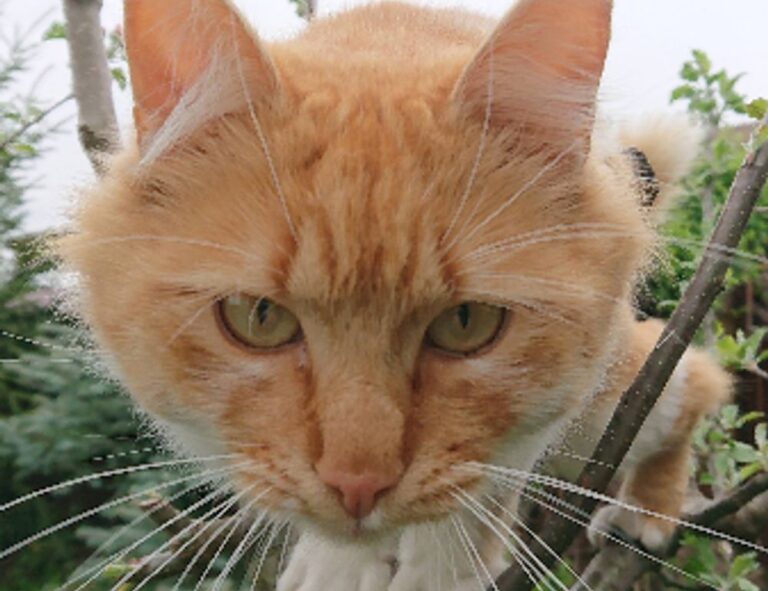
Just like humans, dogs experience anxiety, and it can manifest in excessive barking, restlessness, destructive behavior, or even aggression. If you’ve noticed signs of stress in your dog, there are simple and effective ways you can help them relax and feel secure again.

Create a Safe Space

Give your dog a dedicated calm zone. This can be a cozy crate with their favorite blanket, or a quiet corner with soft lighting and minimal noise. When anxiety strikes, your dog will instinctively retreat to this spot, knowing it’s a peaceful and protected environment.
Stick to a Routine

Dogs thrive on predictability. Feeding, walking, and bedtime should happen around the same time each day. A structured routine helps anxious dogs feel more secure because they learn what to expect, and when.
Use Calming Scents

Essential oils like lavender and chamomile can have a soothing effect on dogs. Use a pet-safe diffuser, or try a calming collar infused with natural scents. Always consult your vet before introducing new products to make sure they’re safe for your dog.

Try a Weighted Blanket or Anxiety Vest

Much like humans, dogs can benefit from deep pressure therapy. A snug-fitting anxiety vest or dog-weighted blanket can provide a comforting, swaddled feeling that reduces fear and panic. Use during fireworks, vet visits, or thunderstorms for best results.

Train Relaxation Commands

Teaching your dog specific commands like settle, relax, or place helps them associate those words with calm behavior. Start small, reward relaxed behavior on a mat or in their bed, and gradually build duration and distractions.

If you’re unsure where to begin or your dog’s anxiety is more severe, consider working with a professional. Experts in dog training Richmond VA often specialize in behavioral issues like fear, separation anxiety, and reactivity. They’ll help you build a personalized training plan that gets real results.

Use Positive Reinforcement

Instead of punishing anxious behavior, reward calmness. Every time your dog sits quietly or relaxes without prompting, offer a treat, praise, or a toy. Over time, your dog will learn that calm behavior brings rewards, and anxiety won’t be their default state.

Provide Daily Exercise

Physical activity can be a natural anxiety reliever. Make sure your dog gets enough exercise for their breed and energy level. A long walk, a game of fetch, or even agility training can help burn off nervous energy and keep your pup mentally balanced.

Practice Desensitization

If your dog gets anxious around certain triggers, like vacuum cleaners, bicycles, or loud noises, gradual exposure can help. Start at a distance where your dog feels safe, reward calmness, and slowly decrease the distance over time. Always move at your dog’s pace.

Offer Puzzle Toys and Chews

Mental stimulation can keep your dog focused and calm. Puzzle feeders, lick mats, and long-lasting chews give your dog something positive to focus on when anxiety starts creeping in. These tools are great for downtime, crate time, or while you’re away.

Stay Calm Yourself

Dogs pick up on your emotions. If you’re tense or frustrated, your dog may become more anxious. Stay relaxed and speak in a soothing voice when trying to comfort them. Your calm energy can help them regulate their emotions more effectively.

Endnote

Anxiety in dogs can be overwhelming, but with the right tools and support, you can help your furry companion feel safe, confident, and calm. Try a few of these techniques, and be patient as your dog learns to relax. Every small step makes a big difference.

Image Source

Walmart is the biggest retailer in the United States, with almost 5,000 stores across the country. Like many other retail stores, Walmart has a pet policy that every shopper must follow in order to shop at one of their locations.

If you have a feline companion at home that you can’t leave alone or need to go shopping at Walmart for other reasons, our article is here to cover everything you need to know. Read to the end to get an answer to whether cats are allowed in Walmart. We will also answer whether cats with a valid emotional support animal letter are also subject to Walmart’s pet policies.


Are Cats Allowed in Walmart? Pet Policy of Walmart

Walmart has a straightforward pet policy – only service animals, as defined by the Americans with Disabilities Act, are allowed inside the stores. This means that dogs (and miniature horses) trained to assist an individual with a disability can accompany their handlers in Walmart. This also means that even if your cat is in an appropriate pet carrier, they can’t accompany you in the store.

Walmart is quite strict about enforcing its pet policies. Before you walk inside the store, you will immediately be notified about their pet policy via signs saying, “service animals welcome – no pets.” If you enter Walmart with a cat, whether inside a carrier or on a leash, you likely will be asked to leave or remove the cat to continue shopping.

Are Cats Allowed in Walmart if They Are Emotional Support Animals?

Emotional support cats aren’t the same as pet cats, as they have a different status. Are they allowed in Walmart? The answer is, unfortunately, no. The Americans with Disabilities Act only grants public access rights to service animals, not emotional support cats.

In fact, this applies to all types of emotional support animals, not just emotional support cats. Emotional support animals don’t have the same freedom of movement as service animals, as they don’t perform tasks related to their handlers’ disability.

However, emotional support animals have other rights, particularly when it comes to housing. They can live with their owners in a no-pet policy housing, for example.

What About Cats That Are Service Animals?

Under the Americans with Disabilities Act, only dogs (and miniature horses in some cases) are accepted as service animals. Even if the cat is trained to perform a task related to the handler’s disability, they don’t fit the description of a service animal as per the Americans with Disabilities Act.

Therefore, cats can’t become service animals under legal terms, which ultimately means that they can’t accompany their owners in Walmart. However, it wasn’t always like this before – the law changed in 2011 to exclude all the other species and only qualify dogs and miniature horses as service animals.

Are Cats Allowed in Walmart? A Conclusion

Even though you can’t take your cat physically inside the store, it doesn’t mean you can’t shop at Walmart. There are other ways to shop at Walmart than simply going to a store with your cat.

Walmart offers online delivery, where you can shop online, add all the items you want to purchase to your cart, and get everything delivered to your doorstep. Although there is a delivery fee for it, which is usually $9.95, it is the most convenient way to shop at Walmart without ever having to visit the store in person, with or without a cat by your side.

Another way to shop at Walmart is by curbside pickup. Similar to shopping online for home delivery, you add items to your basket and pick them up at the Walmart store. You will simply add everything you want to buy to your cart, book a time slot, and check in at the designated pickup spot, and a Walmart associate will bring everything to your car.

Since you won’t be entering the store and waiting for an associate at the designated parking space, your cat can wait for you inside the car without both of you needing to enter the store.

With these options, you don’t ever need to worry about whether cats are allowed in Walmart or not. You can simply shop online and get everything delivered to your home, or use the curbside pickup service to get your items without entering the store.

Understanding Airline Pet Policies

Understanding airline pet policies is crucial for a smooth journey. Each airline has its own set of rules, so familiarizing yourself with them helps avoid surprises.

Major Airlines and Their Requirements

Major airlines have distinct requirements for pet travel. Delta Airlines, for instance, allows small pets in cabin but restricts certain breeds from flying in cargo.

American Airlines permits pets in cabin for flights shorter than 12 hours. United Airlines has specific kennel size requirements for pets in cabin and cargo. Always check breed and size restrictions before booking.

Fees and Documentation Needed

Fees for flying with pets vary by airline. On Delta, the in-cabin pet fee is $125. American Airlines charges $125 for in-cabin pets and $200 for checked pets.

United Airlines charges $125 for in-cabin and $250 for cargo pets. Additionally, pets must have health certificates issued within 10 days of travel and up-to-date vaccination records.

Some airlines also require microchip information. Always ensure you have the required documentation to avoid travel delays.

Preparing Your Pet for Flight

Ensuring pets are ready for air travel involves a blend of health checks, planning, and care. Proper preparation reduces stress for pets and owners.

Health and Safety Considerations

Schedule a vet visit before the journey. Some airlines require a health certificate issued within 10 days of travel. This checkup ensures pets are fit to fly and up-to-date on vaccinations. Discuss any health concerns, especially respiratory or heart conditions, as these may affect travel safety.

Select a suitable pet carrier. The carrier should be well-ventilated, comfortable, and compliant with airline specifications. Label the carrier with your contact information and include a familiar item, like a blanket, to soothe the pet during the flight.

Administer travel-related medications, but always consult your vet first. Sedatives are generally discouraged due to potential adverse effects at high altitudes. Instead, explore natural calming products if necessary.

Feeding and Exercise Before Flying

  1. Feed pets 4-6 hours before the flight. Avoid feeding them shortly before travel to minimize the risk of discomfort and nausea.
  2. Provide water but in moderation to prevent dehydration without inducing frequent need for relief.
  3. Exercise pets thoroughly before heading to the airport. A tired pet is less likely to feel anxious during the flight.
  4. Engage in a long walk or play session to expend energy and help them relax.
  5. Plan bathroom breaks strategically. For dogs, ensure they relieve themselves just before entering the airport.
  6. For cats, include a disposable litter tray inside the carrier for long journeys.

Selecting the Right Carrier
Cat on pet carrier

Choosing the right carrier is crucial for ensuring your pet’s comfort and safety during the flight. Consider the following key aspects when selecting a carrier.

Hard vs. Soft Carriers

Hard carriers provide sturdy protection, making them ideal for pets who might get anxious and scratch or chew on their carrier. Examples include plastic crates and hard-shell carriers.

They also comply with most airline regulations for cargo hold travel. Soft carriers, on the other hand, offer flexibility and are often favored for in-cabin travel.

They can fit under the seat in front of you, which is useful for small pets like cats or small dogs. Examples are fabric carriers with mesh windows. The choice between hard and soft carriers depends on your pet’s behavior and the airline’s requirements.

Size and Comfort Considerations

The carrier must be the right size for your pet. Your pet should be able to stand, turn around, and lie down comfortably. Measure your pet’s dimensions and refer to the airline’s size guidelines for pet carriers.

Adding familiar items like blankets or toys can help make the carrier more comfortable and reduce your pet’s anxiety. Ensure the carrier has adequate ventilation openings for airflow.

Pads or linings that absorb accidents are beneficial if the flight is long.

In-Flight Tips for Pet Comfort and Safety

Ensuring pets remain comfortable and safe during a flight requires preparation and awareness of their needs. Here are practical tips for maintaining pet well-being in-flight.

Calming Techniques During Takeoff and Landing

Pets can get anxious during takeoff and landing. I recommend using familiar items, such as a favorite blanket or toy, to help ease stress. Calming aids, like:

  • pheromone sprays
  • anxiety wraps

can also reduce anxiety. Consult a vet about natural calming supplements, avoiding sedatives if possible.

Managing Food and Bathroom Needs

Limit food intake a few hours before the flight to prevent discomfort. I suggest feeding pets a small meal four hours prior to departure. Hydration is important, so ensure pets have access to water during the journey.

For bathroom needs, use absorbent pads inside their carrier, and consider a bathroom break just before boarding for optimal comfort.


Assessing Your Pet’s Suitability for Road Trips

Assessing your pet’s suitability is critical before hitting the road. Ensuring your pet is comfortable and safe can prevent mishaps and make the journey enjoyable.

Consider Your Pet’s Health

Health plays a significant role in your pet’s ability to travel. Schedule a vet visit to check your pet’s health status. Update vaccinations and obtain any necessary medications. Ensure your pet has no undisclosed illnesses that could worsen during the trip.

Understanding Your Pet’s Temperament

Temperament influences how your pet handles travel. Consider if your pet easily gets anxious or restless. Gauge your pet’s comfort in confined spaces and their behavior over extended periods.

Gradually introduce your pet to car rides if they’re not accustomed to traveling, closely monitoring their reactions and adjusting as needed.

Essential Pre-Trip Preparations

Preparing your pet for a road trip involves specific steps to ensure their comfort and safety throughout the journey. Here are essential pre-trip preparations to consider.

Training Your Pet for Travel

Introduce your pet to the car environment gradually. Start with short drives around the block. Monitor their reactions to identify any signs of anxiety. Reward calm behavior with treats or praise. Familiarize your pet with the car’s noises and movements.

Gradually increase the duration of the trips. Begin with a few minutes, then extend to half an hour. Each increment helps your pet adjust to longer journeys. Ensure they associate the car with positive experiences.

Choosing the Right Pet Gear

Select appropriate gear for your pet. Use a well-ventilated carrier for small pets. Ensure it’s spacious enough for them to turn around. For larger pets, a harness or seat belt attachment can provide safety. Secure the carrier or harness to prevent movement.

Bring familiar items. Pack your pet’s favorite blanket or toy. These items can comfort them and reduce anxiety. Ensure your pet wears an ID tag with up-to-date information. In case of an emergency, it helps locate and identify them.

By following these steps, you can make the road trip enjoyable for both you and your pet.

On the Day of the Trip

Thorough preparation ensures a smooth start to your road trip with your pet. Pay special attention to what you pack and pre-road trip routines.

What to Pack for Your Pet

Pack essential items to keep your pet comfortable and safe throughout the trip:

  1. Food and Water: Bring enough for the entire journey, including collapsible bowls for convenience.
  2. Medication: Include any regular medication and a first-aid kit.
  3. Comfort Items: Pack a favorite blanket or toy to help reduce anxiety.
  4. Cleaning Supplies: Bring waste bags, paper towels, and pet-safe cleaning spray for accidents.
  5. Identification: Ensure your pet’s ID tags are legible, and consider a temporary travel ID tag with your contact details.
  6. Feeding Schedule: Feed your pet 3-4 hours before departure to prevent motion sickness.
  7. Exercise Routine: Tire your pet with a walk or play session before leaving to help them relax.
  8. Bathroom Break: Ensure your pet has a chance to relieve themselves just before getting in the car.

Traveling Safely and Comfortably

Ensuring pet safety and comfort during a road trip requires attention to detail. Following these guidelines helps create a pleasant travel experience.

Securing Your Pet in the Vehicle

For a safe trip, secure your pet properly in the vehicle. Use a pet seatbelt, travel crate, or barrier to prevent movement. A pet seatbelt harness attaches to the car’s seatbelt system, providing a secure restraint without sacrificing comfort.

If you prefer using a travel crate, choose one that is crash-tested and fits your pet’s size. Place the crate in a well-ventilated area, ideally the back seat.

For larger pets, a car barrier works well to confine them safely to the rear compartment. Always avoid letting your pet roam freely in the vehicle, which could be dangerous during sudden stops or accidents.

Managing Stress and Anxiety During the Trip

Minimize your pet’s stress and anxiety during the trip by creating a soothing environment. Start by laying a familiar blanket or toy in their designated area to provide comfort and reduce unease.

Classical music or pet-specific playlists can help promote a calm atmosphere. Consistency in routines also plays a key role—keep feeding and bathroom schedules as close to normal as possible. For particularly anxious pets, consider using calming sprays or supplements.

Consult your vet for advice if your pet shows severe anxiety symptoms during travel. Regular breaks every two to three hours are essential. They provide not only physical relief but also mental relaxation for your pet.

Taking Breaks and Managing Pit Stops

Regular breaks keep pets comfortable and manage their stress levels during a road trip. Pay attention to your pet’s needs for a successful journey.

Scheduling Regular Stops

Schedule stops every 2-3 hours. This period gives pets time to:

  • stretch
  • relieve themselves
  • drink water

Research pet-friendly rest areas on your route using resources like BringFido and GoPetFriendly.

If planning an overnight stay, choose pet-friendly accommodations in advance. Monitor your pet’s behavior; if they seem restless or uncomfortable, consider adjusting the frequency of breaks.

Handling Pet Needs During Breaks

During breaks, focus on hydration, exercise, and bathroom needs. Ensure your pet has access to clean water and encourage them to drink. Use a leash or harness to walk your pet safely and allow them to relieve themselves.

Carry waste disposal bags to clean up after your pet. If your pet shows signs of anxiety or discomfort, take additional time to reassure and calm them. Keep their favorite toy or blanket on hand for added comfort. Rehydrate and offer small snacks before resuming your journey.

Post-Trip Care

Returning home after a road trip with your pet involves important post-trip care steps to ensure their well-being.

Monitoring Your Pet Post-Trip

I always check for any signs of stress or discomfort in my pet right after the trip. Look for changes in behavior, such as restlessness or excessive licking.

Examine paws for cuts or abrasions and inspect their coat for ticks or fleas. Observe their eating and drinking habits to spot any issues early. If you notice anything unusual, consult your vet immediately.

Adjusting Back to Routine

It’s crucial to help your pet adjust back to their normal routine gradually. Reintroduce regular feeding times slowly to prevent gastrointestinal upset.

Restore their usual exercise schedule to help them readjust. Reinforce familiar sleeping spots to offer comfort. Consistency in routine helps mitigate any post-trip anxiety, ensuring a smooth transition back to everyday life.


Understanding Pet Travel Etiquette

Knowing pet travel etiquette is crucial for a smooth journey. It ensures the comfort of your pet and respects fellow travelers and their space.

Why It’s Important

Pet travel etiquette maintains harmony during travel. Without it, chaos can ensue, leading to stressed pets and frustrated passengers.

Proper behavior guides ensure pets feel safe and travelers experience a pleasant trip. Ignoring these rules can result in complaints or even travel bans for pets, according to airline policies.

Basics of Pet Etiquette

Adhering to pet etiquette means preparing your pet for travel, considering their comfort and others’ space.

  1. Preparation: Ensure vaccinations are up-to-date and carry necessary documents. Proper identification on your pet, like a collar with tags, is essential during trips.
  2. Crate Training: Use a comfortable restraint for pets. Airlines often require crate sizes that allow pets to stand and turn around. Vet recommendations can guide the best crate choices.
  3. Hygiene: Groom pets prior to travel. A clean, well-groomed pet reduces discomfort for others and prevents hair and dander from spreading.
  4. Quietness: Train pets to be quiet. Excessive noise can disturb fellow travelers. Treats and toys may help keep pets calm and engaged.
  5. Respect: Always keep pets under control. Leashes and tethers are necessary in shared spaces, ensuring pets don’t intrude on others’ personal areas.

Preparing for Pet Travel

Ensuring your pet is ready for travel builds the foundation for a smooth journey. Follow these essential steps to guarantee your pet’s safety and comfort throughout the trip.

Health and Safety Considerations

Schedule a vet visit to verify your pet’s health status and update vaccinations prior to travel. Ensure your pet receives a health certificate if required by the airline or destination country.

Microchipping improves pet safety; update the contact information before the trip. Assess your pet’s temperament to decide if anti-anxiety solutions are necessary, but consult with your vet first.

What to Pack

Create a packing checklist tailored for your pet’s needs such as:

  • Identification Tags: Include your contact information.
  • Health Documents: Carry vaccination records and health certificates.
  • Comfort Items: Bring blankets, toys, and familiar items to ease anxiety.
  • Medication: Pack any prescribed medications with dosage instructions.
  • Food and Water: Pack sufficient food, a portable water bowl, and treats.
  • Waste Management: Include waste bags, litter, or pee pads for sanitation.

These preparations help ensure your pet enjoys a safe and stress-free journey.

Do’s of Pet Travel

Pet travel etiquette involves several do’s to ensure a smooth trip for both you and your furry friend. Implementing these guidelines will promote wellbeing and peace of mind.

Training Your Pet for Travel

Training a pet enhances travel experience. Introduce your pet to its carrier weeks in advance. Reward positive behavior to create a positive association.

Use commands like “sit” and “stay” to ensure control. Practice short trips to acclimate your pet to the vehicle. Monitor behavior to adjust to any issues. This foundation makes longer journeys more manageable.

Keeping Your Pet Comfortable

Maintaining comfort reduces stress. Ensure the carrier is spacious and ventilated. Place familiar items, such as blankets or toys, in the carrier. Regulate temperature to avoid extreme heat or cold.

Take regular breaks during road trips, allowing your pet to hydrate and relieve itself. If flying, select pet-friendly airlines with specific accommodations. Pre-trip vet visits can identify any health issues and update necessary vaccinations.

Don’ts of Pet Travel

Travelling with pets demands careful attention to detail. Avoid these common mistakes for a stress-free journey.

Common Mistakes to Avoid

Ignoring Regulations: Each airline or transportation method has specific pet travel rules. Always check these regulations in advance.

Skipping Identification: Pets need proper identification, like tags and microchips. Losing a pet during travel is less likely with these precautions.

Neglecting Health Checks: Don’t skip pre-trip vet visits. Vaccinations, health certificates, and overall wellness checks are essential.

Overfeeding Before Travel: Feeding your pet too much before travel can lead to nausea and discomfort. Offer a light meal a few hours before the trip.

Using Inadequate Carriers: Ensure carriers are well-ventilated and of appropriate size. Pets need enough room to move comfortably.

Managing Pet Anxiety and Misbehavior

Ignoring Acclimatization: Acclimate your pet to the carrier and travel environment well before the trip. Regularly practice short travels in the carrier.

Skipping Breaks: For longer trips, periodic breaks are necessary for pets. Plan stops for bathroom breaks and short walks.

Neglecting Comfort: Pets need familiar items, like toys or blankets, to reduce anxiety. Prioritize their comfort to manage stress.

Overlooking Exercise: Exercise your pet before travel to reduce restlessness. A tired pet is less likely to misbehave.

Failing to Monitor Behavior: Stay attentive to your pet’s needs and behavior during the trip. Address issues promptly to avoid escalation.

Paying attention to these don’ts makes pet travel smoother and more enjoyable for both of you.


Pets occupy a special place in culture, games and stories. In video games, they play not only a decorative role, but also become faithful companions who help the player in the most difficult situations. Sometimes the companion in the game is an ordinary dog that saves from enemies, and sometimes – a fantastic creature, with unique abilities, capable of performing difficult tasks. Video games with dog companions are often a favorite among fans, because they create an emotional connection between the player and the game environment.

image1

The Role of Dog Companions in Video Games

The role of dogs in video games can be different. In some titles, they act as aesthetics or plot details, in others they help the player navigate complex locations, warn of danger, attack enemies, or even become guides in dark scenes. In shooters and adventure games, the presence of a dog gives the gameplay more dynamics and an element of unpredictability. Passing the game with a faithful companion is an additional level of immersion, where the dog can bring objects or help during the hunt.

The emotional aspect is especially valuable. Players tend to see dogs as true friends, which causes stronger emotions during the game. That is why developers often pay attention to details, make realistic animations, characteristic sounds, or even opportunities to pet a virtual pet. This creates the effect of presence and helps to feel the game more realistically.

In addition to the benefits in gameplay, dogs often become an additional means of revealing the character of the protagonist. Through interaction with a faithful companion, the player discovers new storylines, moral choices and personality development. Also, dogs help to emphasize the atmosphere of the world: from post-apocalyptic landscapes to magical fairy-tale lands. Their presence makes the game world more alive and organic.

Iconic Dog Companions in Action and Adventure Games

In the gaming industry there are many well-known video games in which dogs played an important role. For example, in the Call of Duty: Ghosts series, Riley’s pit bull helped attack enemies and amplified plot scenes with his dedication. One of the most famous examples is the legendary dog in Fallout 4, which has become a symbol of post-apocalyptic survival, supporting the player in the most dangerous places of the wasteland. In adventure games such as Fable II, the dog reacted to the actions of the hero, showing the moral consequences of the choice.

However, the presence of a dog is not possible in all video games. For example, watching cs2 live streams, you will notice that there are no pets in this e-sports discipline. This is because in games of this type there is a very large dynamics and even if you add a pet to the gameplay, he will not be given as much time as other components of the game. However, speaking of action and adventure games, it is easy to implement.

In this genre, dogs are not a background element. They are real participants in events that help create a unique gameplay experience.

RPG Worlds Where Dogs Become Essential Allies

image2

The role of dogs in the RPG genre is often deeper than in other game genres. Besides attacking enemies, they can develop alongside the character. For example, in the Dragon Age series, a battle mastiff can grow and gain new skills, while in Skyrim, a loyal dog helps explore dangerous dungeons and protects the player from sudden attacks. There can be many roles, and in all cases, the dog is a useful companion.

In video games, dogs often become part of the moral choice. Should I sacrifice resources to cure a wounded companion, or leave him and buy a new one? The player’s decisions affect not only the plot, but also the internal perception of history. Players feel a responsibility similar to that which arises in real life, and this is what creates a unique immersion in the game environment.

Moreover, in many RPGs dogs act not as secondary characters, but as full-fledged team members. They can be represented as a separate hero, perform tasks that are unavailable to others, which opens new opportunities for strategies and tactical interaction.

Indie Titles and Hidden Gems

It’s not just the big studios that are adding dogs to their video games. Independent projects are often more creative and add clever playable characters. In them, the role of four-legged companions is often even more functional. For example, the game Home Free dog is the main character, and the player literally experiences his adventures in the big city.

Indie games often emphasize the psychological side of the relationship between humans and animals. The authors experiment with plots and mechanics that are rarely found in major releases, often creating unique projects. For example, in some names, the dog helps to survive the loss, symbolizing support and devotion. Such video games show that dogs in video games are not only a functional part of the gameplay, but also a tool for conveying emotions.

In addition to the plot and emotional load, indie games can play the role of rest. The player, along with a companion dog, can simply calmly explore the game universe, enjoy landscapes and locations. In indie games, game mechanics allow the dog to interact with the environment, reveal the secrets of locations or help perform puzzles, which adds even more interactivity. Passing levels for a secondary game character stimulates the player to explore the world more carefully and inventively, and also creates a special connection between the player and his digital friend. So even small studios are able to create deep, memorable stories, where dogs become full-fledged partners in adventures.

Conclusion

Putting all the facts together, it can be said that dogs in video games are more than just virtual animals. They help the player complete levels, cope with challenges, add depth to storylines, and create an emotional connection. From RPGs to indie projects, dogs play an important role and remain a symbol of loyalty, making the gaming experience more human. In this text, you have learned about popular companion dogs that prove that even in the gaming environment, players value the friendship and support these loyal creatures embody. And that is what makes them so unique and unforgettable in the world of gaming.