The house and the office are the two main places that many people base their habits on these days. A growing trend highlights the importance of “third places.” These are unofficial spots where people gather, interact, and feel a sense of belonging. These areas are not bound by the privacy of home or the responsibilities of the workplace. Rather, they live on human engagement, openness, and accessibility. Physical third places are vital cultural anchors in our scattered lives. They offer a sense of community. Similarly, online casino in Canada create virtual spaces for fun and connection. 

Comprehending Third Places

Sociologist Ray Oldenburg first proposed the idea of third places in his book The Great Good Place. He described them as casual spots where people can hang out. These include cafés, parks, taverns, barbershops, libraries, and community centers. Third places are fun, open, and free. They differ from the private and structured feel of home and work. According to Oldenburg, these environments are essential for creating a feeling of community. Conversation, humor, or even simple everyday routines like getting coffee from the same café every morning can help people bond. These areas help build relationships and bridge social divides. They give neighborhoods a lively sense of community.

Why People Are Paying More Attention to Third Places

Lifestyles have drastically changed in the last few decades. Daily chances for in-person engagement have dropped. This is due to remote work, online shopping, and digital entertainment. Nowadays, people spend less time interacting with their neighbors and more time in front of devices. Third places are now more valuable than ever because of the obvious gap this has created in social life. Many sociologists, urban planners, and civic leaders say today’s cities lack free spaces. These are places where people can relax and just “be” without spending much money. Neutral gathering places are growing in importance. As housing gets more privatized, work schedules often mix with personal time. 

Benefits to the Social and Psychological

Third-place advantages extend well beyond leisure. Regular participants in these settings often say they feel better mentally. They also report less stress and stronger community bonds. Because they frequently welcome people from all backgrounds and income levels, these spaces foster diversity. They also promote civic involvement at the same time. A simple discussion in a bookshop or park can lead to grassroots activism, local projects, or even partnerships. Third places help build social capital. They create connections and trust, which let communities thrive. 

Difficulties and Third Places’ Future

Third positions are facing increasing difficulties despite their importance. Chain stores and upscale buildings are taking over small, independent businesses. This shift is happening because real estate costs are going up. Access is restricted by the frequent privatization or stringent regulation of public areas. The openness that makes some urban neighborhoods attractive is hurt when people feel unsafe or face too much enforcement. 

Maintaining and growing third places takes deliberate work. Cities can create mixed-use areas with housing, shops, and green spaces. They should invest in public infrastructure. Also, offering tax breaks or subsidies can help businesses that support the community. Communities can sustain independent spaces by using and supporting them. They should see these spaces as essential parts of social life, not just luxuries. 

The need for local, community-focused gathering spots will grow as our world becomes more connected online. Third places hold communities together; they’re more than just places on a map. They provide happiness, conversation, and a sense of community. You can’t replicate this in a private home or an office. Third spaces, like cafes and parks, are more than a trend. They show a key shift in how we connect with each other. By fostering these areas, we are also fostering future communities that are healthier and more resilient.
 

Choosing the Right Hotel for Your Pet

Choosing a hotel requires careful consideration, especially when traveling with your pet. Ensuring a comfortable stay involves looking into specific details about pet-friendly features and policies.

Finding Pet-Friendly Accommodations

Finding a suitable hotel involves research. Start by checking travel websites that filter search options for pet-friendly accommodations, such as BringFido or PetsWelcome.

Some hotels offer pet amenities like designated walking areas, pet beds, and welcome kits, making your pet’s stay more enjoyable. When booking, confirm that the hotel accepts pets of your size and breed to avoid last-minute surprises.

Understanding Hotel Pet Policies

Understanding hotel pet policies helps avoid issues during your stay. Different hotels have varying rules regarding pets. Some may charge non-refundable pet fees, while others impose weight or breed restrictions.

It’s essential to know if the hotel requires pets to be kenneled when left alone in the room. Always read the fine print and ask the hotel staff directly to ensure a smooth experience.

Preparing for the Stay

Ensuring your pet’s comfort in an unfamiliar environment begins with thorough preparation. Packing the right supplies and planning the journey can make all the difference.

Packing Essential Pet Supplies

Having the right supplies is crucial for a comfortable stay. I pack the following items for my pet:

  1. Food and Water: I bring enough familiar food for the entire stay to avoid dietary changes. I also pack a portable water bowl.
  2. Bedding: I include my pet’s bed or a blanket that has their scent for a touch of home.
  3. Toys: I bring a mix of my pet’s favorite toys to keep them entertained and calm.
  4. Leash and Collar: These are essential for walks and ensuring pet safety.
  5. Cleaning Supplies: I pack waste bags, a scoop, and pet-safe cleaning wipes.
  6. Medications: I include any necessary medications and a basic first-aid kit.

Tips for a Stress-Free Journey

Travel can be stressful for pets, so I follow these tips to ensure a smoother experience such as :

  • Familiarization: I let my pet explore their travel carrier or crate a few days before the trip. This minimizes anxiety.
  • Comfortable Carrier: I choose a spacious and well-ventilated carrier with a soft lining.
  • Frequent Breaks: On long journeys, I stop every few hours to let my pet stretch, hydrate, and relieve themselves.
  • Calming Aids: I consider using pheromone sprays or calming collars if my pet is prone to anxiety.
  • Hydration and Snacks: I keep water and light snacks within reach to maintain my pet’s comfort and hydration.

By preparing effectively, I can ensure my pet feels safe and comfortable throughout the trip.

Setting Up Your Hotel Room

To make your pet comfortable in a hotel, it’s essential to set up the room thoughtfully.

Creating a Familiar Environment

Bring items that smell like home. Lay out your pet’s bed or favorite blanket in a corner. Position food and water bowls near the bed for easy access.

Unpack familiar toys like chew bones or stuffed animals to provide comfort. Keep the same feeding and walking schedules as at home to reduce anxiety. Ensure the TV or radio is on at a low volume to mimic household noises if your pet is used to them.

Safety Measures and Comfort Items

Inspect the room for potential hazards. Secure loose wires and check for open windows or balconies. Use a portable baby gate to restrict access to unsafe areas.

Place non-slip mats under food and water bowls to prevent spills. Supply a travel crate if your pet finds comfort in enclosed spaces. Use pee pads or designate an area with easily cleanable flooring for accidents. Keep a leash and collar handy for quick trips outside.

Daily Routines and Activities

Keeping pets engaged in a hotel requires structure and attention. Following daily routines and exploring available services can help.

Maintaining Regular Schedules

Maintaining pets’ schedules fosters comfort. Continuation of meal times, regular walks, and play ensures familiarity. I set feeding times to mirror those at home, helping pets feel secure.

Consistent bathroom breaks prevent stress. Pets, like dogs and cats, thrive on routine.

Exploring Pet Services and Amenities

Many hotels offer pet services. Researching these amenities ahead of time highlights options tailored for pets. Some hotels provide pet-sitting, grooming, and designated play areas.

I often check for nearby parks suitable for exercise. Using these services enriches pets’ experiences and enhances their comfort.


Preparing for a Road Trip With Pets

Taking your pet on a road trip requires careful preparation to ensure their safety and comfort.

Choosing the Right Pet Carrier

Selecting a suitable pet carrier is crucial. The carrier should be well-ventilated and spacious enough for your pet to move comfortably.

Measure your pet’s height and length, then choose a carrier that provides enough room. Most carriers come with padded interiors, which help make the trip more comfortable.

Ensure the carrier has secure locks to prevent accidental escapes. Some carriers contain additional safety features like seatbelt loops for added security during the drive.

  1. Food and Water: Pack enough for the entire trip, considering your pet’s regular diet.
  2. Bedding: Bring familiar bedding to help your pet feel at home.
  3. Toys: Include favorite toys to keep them entertained.
  4. Leash and Collar: Ensure they have identification tags with updated contact information.
  5. Waste Bags: Pack plenty for restroom breaks.
  6. First Aid Kit: Include items like bandages, tweezers, and antiseptic wipes tailored for pets.
  7. Medicines: Bring all necessary medications with clear instructions for administration.

Ensuring Pet Safety During the Journey

Road trips with pets require extra precautions to ensure both their safety and comfort. Proper safety measures help make the journey stress-free for everyone involved.

Securing Pets in the Vehicle

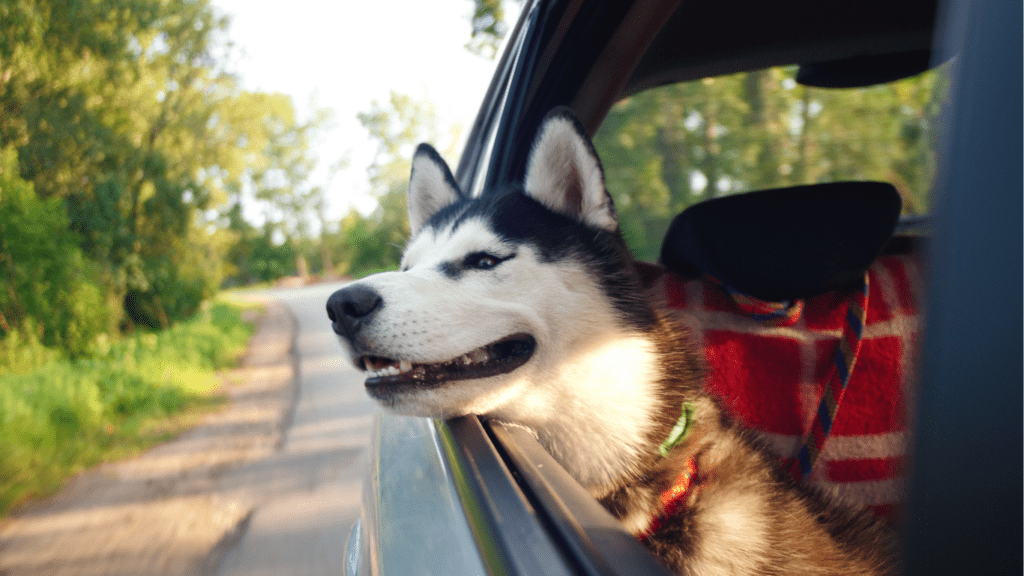
Pets should always be secured in the vehicle to prevent injuries during sudden stops or accidents. Use pet seat belts, crash-tested crates, or pet barriers.

Double-check the fit and security of the seat belt harness or straps. Avoid using regular seat belts, as they don’t adequately restrain pets in an accident.

Place crates in the back seat or cargo area to minimize injury risk if the airbag deploys. Ensure the crate is well-ventilated and spacious enough for the pet to stand, turn, and lie down.

Managing Pet Anxiety and Motion Sickness

Some pets experience anxiety or motion sickness during car rides. To minimize anxiety, use calming aids or sprays, play soothing music, and bring familiar toys or blankets.

Gradually acclimate pets to car travel by taking short trips before the main journey. For motion sickness, consult a veterinarian for advice and possible medication.

Don’t feed pets a heavy meal just before travel to prevent nausea. Offer small amounts of water periodically to keep them hydrated without causing stomach upset.

Stop frequently to allow pets to:

  • stretch
  • relieve themselves
  • and get fresh air

reducing both anxiety and motion sickness.

Breaks and Pet Management En Route

Ensuring pets’ comfort during a road trip demands regular breaks and attentive management. Frequent stops help pets remain relaxed and healthy.

Scheduling Regular Stops

Plan to stop every 2-3 hours. This schedule provides pets time to stretch and relieve themselves. Use rest stop areas or pet-friendly parks to give pets a safe environment. Check for shaded areas when stopping to avoid dehydration from excessive heat.

Handling Pet Needs During Breaks

Unleash pets cautiously. Employ a sturdy leash and harness to prevent escapes. Offer fresh water to keep pets hydrated. Provide a portable dish to ensure convenience.

Clean up waste using biodegradable bags, maintaining a hygienic environment. Monitor pets for signs of stress or fatigue, addressing any issues immediately.

Keeping Pets Comfortable in Different Climates

Keeping pets comfortable in various climates ensures a safer, more pleasant road trip. Here are essential tips to adjust car temperature and manage extreme weather conditions.

Adjusting Car Temperature

Maintaining an optimal car temperature is crucial for pet comfort. I use climate controls to keep the car cool in the summer and warm in the winter.

Monitoring the car’s internal temperature with a portable thermometer helps make necessary adjustments. I also avoid leaving pets in the car unattended, especially on hot or cold days, to prevent health risks.

Dealing with Extreme Weather

Extreme weather requires extra precautions to ensure pet safety. In hot climates, I use sunshades and ventilated crates, and provide cold water at regular intervals.

Using cooling mats or vests helps keep pets comfortable. In cold climates, I provide cozy blankets and ensure the carrier is insulated. I check paws for frostbite and avoid leaving pets exposed to the cold for long periods.

Being proactive about weather conditions helps ensure pets remain comfortable throughout the journey.


Understanding the Importance of Daily Play for Pets

Daily play is crucial for both the health and happiness of pets. Engaging in regular activities helps address their physical and mental needs.

Benefits for Physical Health

  1. Regular play boosts physical health.
  2. Pets stay fit and maintain a healthy weight through activities.
  3. Active play sessions reduce the risk of obesity, heart disease, and joint issues.
  4. Dog that frequently fetches a ball will burn calories and strengthen muscles.
  5. Daily exercise also improves cardiovascular fitness.
  6. Pets that run and jump benefit from enhanced heart function.
  7. This ultimately leads to a longer, healthier life.

Structured play provides these physical benefits consistently.

Mental Stimulation and Behavioral Improvements

Mental stimulation is equally important. Pets need cognitive challenges to stay sharp and avoid boredom. Engaging toys and interactive games provide necessary mental engagement. A cat playing with a puzzle feeder will stay occupied and mentally active.

Behavioral improvements often follow daily play routines. Pets showing less undesirable behavior, like excessive barking or scratching, indicate positive behavior changes due to regular engagement. Structured sessions help alleviate anxiety and stress. This leads to a more balanced, calm pet.

By incorporating these elements into a daily schedule, both physical and mental health benefits for pets are maximized.

Steps to Create a Daily Play Routine

Creating a daily play routine for pets involves understanding their individual needs and structuring playtime effectively. By doing this, I can enhance their well-being and strengthen our bond.

Assessing Your Pet’s Needs and Preferences

I first consider my pet’s breed, age, and health to assess their needs. For instance, puppies and younger animals usually require more active playtime.

Older pets might prefer gentle activities like leisurely walks. By observing their reactions to different toys and activities, I can identify their preferences.

If my cat loves laser pointers while my dog prefers tug-of-war, I include these in their routine. Consulting with my vet helps ensure I tailor activities to any physical or health constraints my pet may have.

Structuring Playtime Throughout the Day

I divide playtime into short sessions throughout the day to keep my pet engaged and happy. For example, I schedule a morning session for a brisk walk or interactive play with toys.

Midday, I incorporate mental stimulation activities like puzzle feeders. Evening sessions might involve more relaxed play, such as cuddling or gentle games. By varying the types of activities, I keep my pet physically active, mentally stimulated, and emotionally satisfied.

Choosing the Right Toys and Games

Selecting appropriate toys and games for your pet is crucial to ensure their engagement and safety.

Options for Different Types of Pets

Different pets require different toys and activities. Dogs enjoy chew toys, fetch toys, and puzzle games like Kongs. Cats prefer toys that mimic prey, such as:

  • feather wands
  • laser pointers
  • interactive puzzles

Birds enjoy foraging toys, mirrors, and swings. Small mammals, like rabbits and hamsters, benefit from chew toys, tunnels, and exercise wheels. Tailoring toys to suit the specific pet type ensures they get the right amount of physical and mental stimulation.

Safety Considerations for Playtime

Ensuring toys are safe is paramount to avoid accidents or injuries. Inspect toys regularly for damage, such as cracks or tears, which can cause choking hazards.

Use non-toxic materials to ensure pets don’t ingest harmful substances. Choose toys appropriate for the pet’s size to prevent swallowing hazards.

Supervise pets during playtime, especially with new or complex toys, to observe how they interact and prevent any potential issues. Always store toys correctly to avoid pets accessing them unsupervised.

By carefully selecting toys and games tailored to your pet’s needs and ensuring their safety, you enhance their playtime experience and contribute to their overall well-being.

Tips for Consistency and Engagement

Maintaining a consistent play routine for your pet ensures they receive the necessary exercise and stimulation daily. Increased engagement prevents boredom and enhances the bond between you and your pet, leading to a happier, healthier life.

Making Play a Priority

Scheduling daily playtime emphasizes its importance. Designate specific times each day for activities. Incorporating play into your daily routine, such as before meals or during breaks, fosters consistency.

Use reminders on your phone to ensure you don’t miss these sessions. Prioritizing play reflects its essential role in your pet’s well-being.

Adjusting the Routine as Needed

Observe your pet’s behavior and adjust the routine based on their needs. Variation keeps them engaged while adapting to their energy levels and moods.

If your pet seems tired or disinterested, consider shorter but more frequent sessions. Conversely, if they appear restless, introduce more energetic activities. Regularly consulting with your vet allows for modifications aligned with any health changes. This flexible approach ensures the routine remains effective and enjoyable.


Understanding DIY Playtime for Pets

DIY playtime for pets presents a cost-effective way to keep them entertained and offers numerous benefits. Creating toys and activities at home strengthens the bond between pets and owners.

Benefits of DIY Playtime

  1. Homemade Enrichment: DIY playtime provides mental stimulation for pets, preventing boredom and destructive behaviors. For example, puzzle toys made from cardboard challenge pets to think critically.
  2. Physical Exercise: Engaging in DIY playtime helps pets stay active, promoting better health. Activities such as obstacle courses or fetch games made from household items encourage movement.
  3. Customization: Owners can tailor DIY toys to their pets’ preferences and needs. For instance, using favorite treats in homemade toys makes playtime more appealing.

Essential Considerations Before Starting

  1. Safety First: Ensure materials used are safe for pets, avoiding small parts that could be swallowed. Non-toxic options should be prioritized to prevent harm.
  2. Pet’s Interests: Knowing a pet’s likes and dislikes helps make DIY playtime more effective. Observing what toys they prefer can guide the creation of new, engaging activities.
  3. Time Commitment: DIY projects require a time investment to make and supervise. Owners should be ready to dedicate time for both preparation and play to maximize enjoyment and safety.

Popular DIY Playtime Ideas

Keeping pets entertained with DIY playtime caters to their natural behaviors and preferences. Here are some creative ideas for both indoor and outdoor settings.

Indoor Activities for Small Spaces

Indoor playtime can be enriching even in limited space. Focus on activities that utilize mental stimulation and agility.

  1. Box Forts: Transform cardboard boxes into tunnels or forts for cats. Cut entry and exit holes, and connect multiple boxes for an engaging maze.
  2. Puzzle Feeders: Create a puzzle feeder with a muffin tin and tennis balls. Hide treats in the tins, covering them with balls, making dogs work to uncover their reward.
  3. Interactive Toys: Craft a fishing pole toy with a stick, string, and a small plush. Cats will enjoy chasing and pouncing on the moving target.
  4. Sock Puppets: Use old socks to design hand puppets. Stuff the sock lightly, sew on colorful buttons, and use them for interactive play with dogs and cats.

Outdoor Adventures for More Space

Utilize your yard or nearby park for activities that allow pets to explore and expend energy.

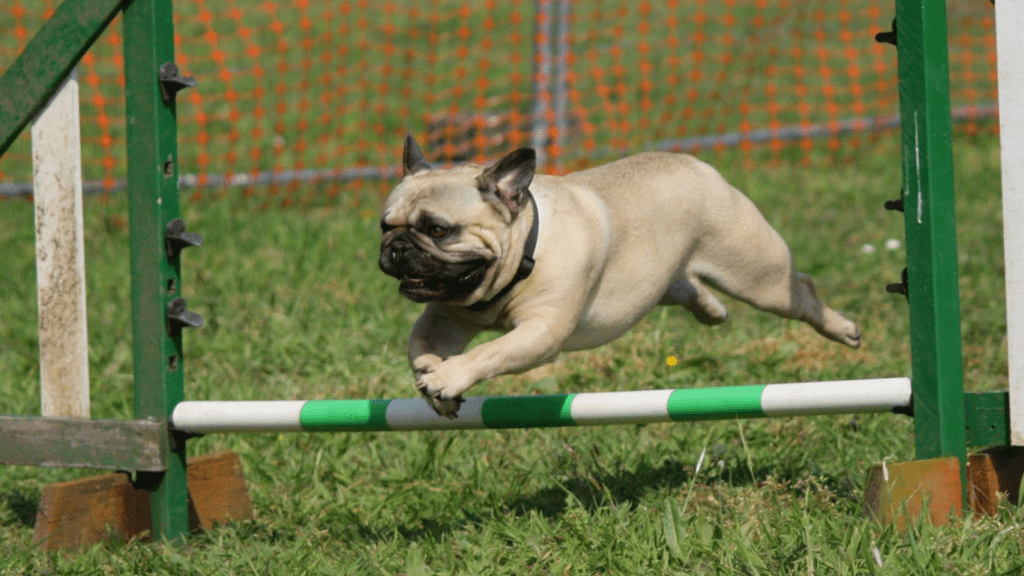
  1. DIY Agility Course: Set up a simple agility course with household items like broomsticks, hula hoops, and cones. Dogs love navigating new obstacles.
  2. Water Play: On hot days, fill a kiddie pool with water and toss in floating toys. This keeps dogs cool and engaged.
  3. Tug Toys: Braid thick ropes or old fabrics into sturdy tug toys for safe play in open spaces. Ideal for dogs who love to tug and pull.
  4. Bug Hunt: Hide dog treats in the yard. Create a trail with clues, stimulating dogs’ sense of smell and curiosity.

These DIY ideas keep pets mentally and physically stimulated while providing cost-effective enjoyment.

Tips for Creating Engaging DIY Toys
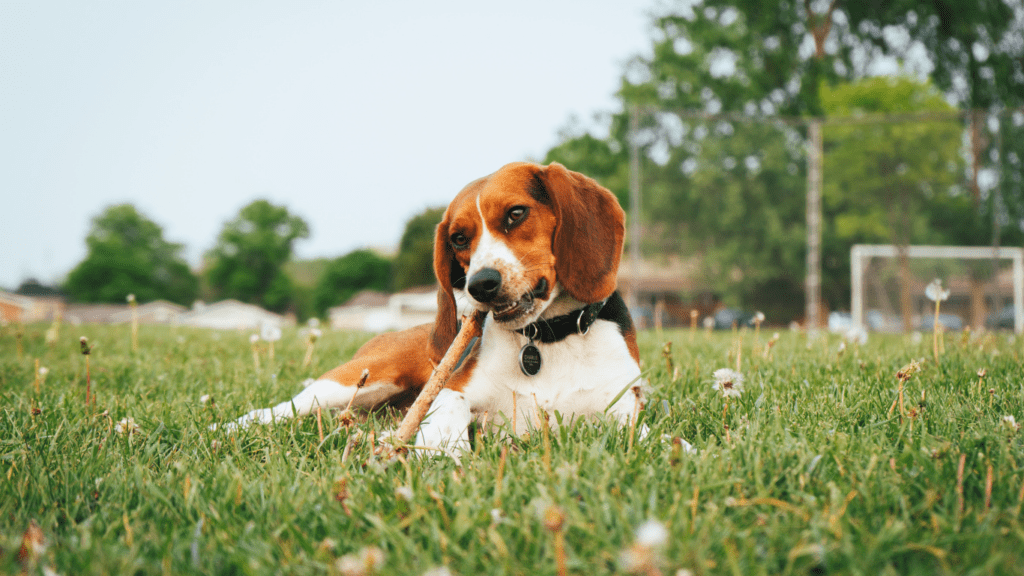
Dog Chewing on Stick

DIY toys keep pets entertained while promoting their mental and physical health. Use simple materials and prioritize their safety when crafting these toys.

Using Household Items

Household items often make excellent DIY pet toys. Cardboard boxes, for example, can be repurposed into tunnels or hideouts. Old clothes become perfect sock toys or tug ropes.

Empty plastic bottles transform into treat dispensers. It’s essential to select non-toxic, durable items to ensure long-lasting play without risk.

Ensuring Safety in DIY Toys

Safety must always be top of mind when making DIY pet toys. To minimize risks, avoid materials that can splinter or break easily, such as thin plastic or brittle wood.

Check for small parts that pets could swallow. Always supervise initial play sessions with new DIY toys, observing how the pet interacts to ensure the toy is safe and suitable for continued use.

Incorporating Training Into Playtime

Training sessions can seamlessly integrate into playtime, providing mental stimulation and reinforcing desired behaviors effectively.

Basic Commands Through Games

Incorporating basic commands within playtime enhances a pet’s obedience. Integrate commands like “sit,” “stay,” and “come” into fetch or hide-and-seek.

For example, during a game of fetch, instruct your pet to “sit” before throwing the toy. Use “stay” as you hide treats or toys around the house, then command “come” once you’re ready for a fun search game.

This method not only helps reinforce these essential commands but also makes training more engaging for your pet.

Reward Systems

Utilize reward systems to encourage positive behavior. Positive reinforcement through treats, toys, or praise motivates pets during playtime.

For instance, a treat-dispensing toy rewards your pet for solving puzzles, making playtime both fun and rewarding. When your pet successfully follows a command or completes a task, offer a reward to reinforce the behavior.

This approach strengthens the association between obedience and rewards, promoting better learning outcomes.

By merging training with play, pets gain essential skills while enjoying their favorite activities.


Understanding Your Pet’s Exercise Needs

Pets need regular exercise to stay healthy and happy. Knowing what exercises suit each season helps ensure consistent activity.

Seasonal Considerations for Pet Activity

1. Cold Weather:

  • Use insulated jackets for smaller or short-haired pets.
  • Paw wax protects against ice and salt.
  • Indoor games like hide-and-seek or fetch keep pets engaged.

2. Warm Weather:

  • Morning or evening walks avoid peak heat.
  • Provide plenty of water and shaded areas during outdoor play.
  • Water-based activities, like swimming or sprinklers, cool pets down.

3. Rainy Weather:

  • Use waterproof gear to keep pets dry.
  • Choose covered outdoor areas for exercise.
  • Indoor agility courses or treadmill training offers physical stimulation.
  • Prevents obesity and related health issues.
  • Reduces anxiety and destructive behavior by providing mental stimulation.
  • Strengthens muscles and improves cardiovascular health, increasing overall lifespan.
  • Socialization opportunities, like dog parks, enhance mood and interaction skills.

Creative Indoor Exercise Ideas

Keeping pets active indoors can be fun and beneficial. Use these strategies to ensure year-round exercise for your furry friend.

Interactive Games and Toys

Interactive games and toys can keep pets engaged while indoors. Laser pointers, feather wands, and puzzle feeders act as excellent tools to stimulate both their minds and bodies.

Puzzle feeders reward pets with treats, making them work for their food. Laser pointers and feather wands mimic the movements of prey, enticing pets to chase and pounce. These activities engage their natural instincts and provide much-needed physical exercise.

Agility Training and Obstacle Courses

Agility training and obstacle courses offer a dynamic form of exercise indoors. Set up an agility course using household items like chairs, broomsticks, and blankets.

Teach pets to weave through poles or jump over low obstacles. This type of training improves their coordination, balance, and confidence. It enriches their routine, turning everyday items into fun exercise opportunities.

Outdoor Activities for Every Season

Pets need regular exercise, regardless of the weather. Here are some ideas for keeping your pets active outdoors all year round.

Spring and Summer Fun

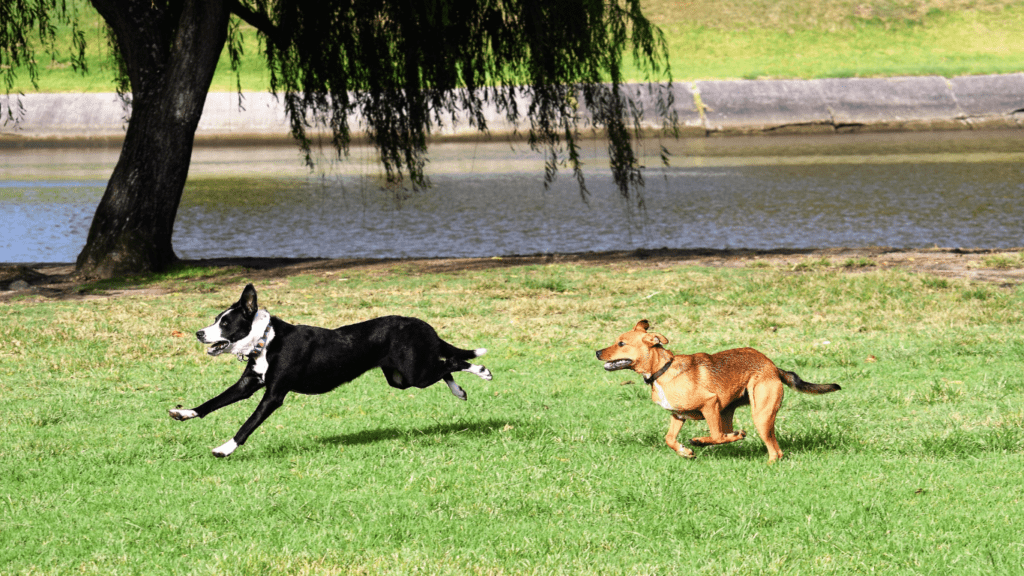
Balmy weather offers the perfect setting for outdoor pet activities. Visit parks or trails where pets can explore and socialize. Play fetch, frisbee, or even set up agility courses in your backyard to challenge them.

For dogs that enjoy water, visit dog-friendly beaches or lakes to swim and cool off. Always keep your pet hydrated and monitor them for signs of overheating.

Safe Exercising in Fall and Winter

Cooler months provide a unique opportunity for your pet to engage in outdoor exercise. Go for brisk walks to stimulate their senses with new scents and sights.

Layer them in insulated jackets and use paw wax to protect their paws from cold or rough surfaces. Snow can be fun for many pets; consider playing snow-related games like fetch with snowballs.

In wet conditions, use waterproof gear to keep them dry and comfortable. Monitor their body temperature and limit outdoor exposure to prevent any health issues.

Adapting Exercises for Different Pets

Pets need tailored exercises based on their species and size to stay healthy all year. I’ll cover specific ideas for dogs, cats, and small pets.

Exercise Ideas for Dogs

Dog owners can engage their pets with fetch, tug-of-war, or agility training. For indoor exercises, I use interactive toys like treat-dispensing balls and laser pointers.

Outdoor activities vary by season: in the spring and summer, I visit parks, set up obstacle courses, and let my dog swim in dog-friendly areas. In the fall and winter, I go for brisk walks and play snow-related games to keep my dog active.

Keeping Cats Physically Active

Cats benefit from activities that mimic hunting. I use laser pointers, feather wands, and interactive toys to keep my cat engaged. Puzzle feeders provide mental stimulation while encouraging exercise.

Cat trees and shelves offer climbing opportunities, and small toys can be hidden around the house to promote exploration. Even in colder months, these activities keep my cat entertained indoors.

Special Considerations for Small Pets

Small pets like rabbits, hamsters, and guinea pigs require gentle exercises. I set up playpens with tunnels and hiding spots for my rabbit. Guinea pigs enjoy exploring obstacle courses made from cardboard tubes.

Hamsters benefit from exercise wheels and climbing structures. Regardless of the season, always ensure their play area is safe from hazards.


Exploring Fun Indoor Activities for Pets

Keeping pets entertained indoors improves their well-being, making it essential to incorporate varied and engaging activities even when they can’t go outside.

Interactive Games for Stimulating Your Pet’s Mind

Interactive games stimulate pets mentally and keep them engaged. Puzzle toys that hide treats challenge pets to solve problems. For dogs, treat-dispensing toys like KONGs keep them occupied for hours.

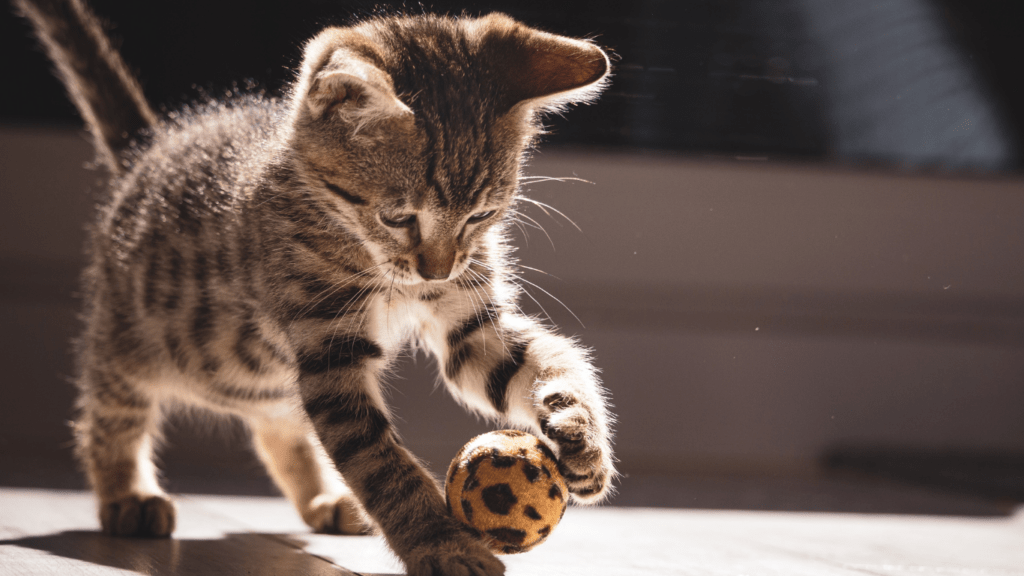
Cats enjoy laser pointers, which tap into their hunting instincts, and feather wands offering dynamic play. Hiding treats around the house turns snack time into a stimulating treasure hunt. Engaging in hide-and-seek games builds stronger bonds with pets while providing mental stimulation.

Crafting DIY Toys for Pets

Crafting DIY toys can be both fun and cost-effective. Using household items, create toys tailored to your pet’s interests. For dogs, braid old t-shirts into tug-of-war ropes.

Cats delight in toilet paper rolls transformed into treat puzzles. Interactive feeders can be made from cardboard boxes with cut-out holes for inserting treats. Recycling socks into stuffed chew toys helps keep pets occupied. Get creative and ensure toys are safe without small, detachable parts that pets could swallow.

Keeping Pets Physically Active Indoors

Providing physical stimulation for pets indoors helps maintain their health and prevents behavioral issues. Active pets are generally happier and exhibit fewer destructive tendencies.

Creating Indoor Obstacle Courses

Creating indoor obstacle courses introduces a fun and challenging physical activity for pets. Use household items like:

  • chairs
  • cushions
  • boxes

to design tunnels and hurdles.

Make sure the course is safe by securing items to prevent accidental falls. Encouraging pets to navigate these obstacles using treats or toys keeps them engaged and promotes agility.

The Importance of Regular Play Sessions

Regular play sessions play a crucial role in a pet’s daily routine. Dedicating around 15-30 minutes twice a day to playtime helps pets burn energy and stay fit.

Use a variety of toys, such as laser pointers for cats or fetch toys for dogs, to keep the activities diverse. Consistent playtime also strengthens the bond between pets and their owners, enhancing mutual trust and companionship.

Educational Activities for Pets

Educational activities provide both mental stimulation and physical exercise for pets. They not only enrich their lives but also strengthen the bond between pets and their owners.

Training Sessions That Teach New Tricks

Training sessions offer a productive way to engage pets mentally while teaching them new skills. For

Using treats as rewards keeps pets motivated and helps reinforce positive behavior. Consistency and patience during these sessions are key for successful training outcomes.

Introducing Puzzle Feeders for Mental Stimulation

Puzzle feeders challenge pets to think and solve problems to access their food. These feeders come in various designs, from simple treat-dispensing toys to intricate puzzles requiring multiple steps to release the food.

Dogs may enjoy using Kong toys filled with peanut butter or kibble, while cats might prefer puzzle boxes with hidden treats. Incorporating puzzle feeders into daily routines not only extends mealtime but also sharpens pets’ cognitive skills.

Safe Spaces and Comfort Zones for Indoor Pets

Creating a safe and comfortable environment for pets indoors is essential for their wellbeing. Establishing designated areas helps pets feel secure and relaxed.

Designing a Pet-Friendly Room

A pet-friendly room should include comfortable bedding and accessible water. Place beds in quiet corners where pets can retreat and rest undisturbed. Use non-toxic materials and avoid sharp objects. Ensure the room has proper ventilation and a stable temperature.

Include engaging items, like scratching posts for cats or chew toys for dogs. If space allows, add climbing structures or tunnels to keep pets active. Use baby gates to block off unsafe areas while allowing your pet freedom within their designated space.

The Role of Quiet Areas and Hiding Spots

  1. Quiet areas and hiding spots provide essential retreats for pets.
  2. Cats, for instance, enjoy nooks where they can hide and observe their environment.
  3. Dogs also benefit from cozy corners, especially in busy households.
  4. Use enclosed beds or crates to create these safe havens.
  5. Placing these spots in less trafficked areas minimizes stress, ensuring pets have a place to relax.
  6. Rotate toys and enrich these spots with familiar scents to maintain comfort and engagement.


The Importance of Play in Pet Training

Play is crucial in pet training, creating a fun atmosphere that promotes effective learning. It engages pets, making training sessions more productive and less stressful.

Benefits of Play for Pets

Play has numerous benefits for pets. It keeps them physically active, reducing the risk of obesity and associated health issues. Engaging in play also stimulates pets mentally, helping to prevent boredom and destructive behaviors like:

  • chewing 
  • scratching

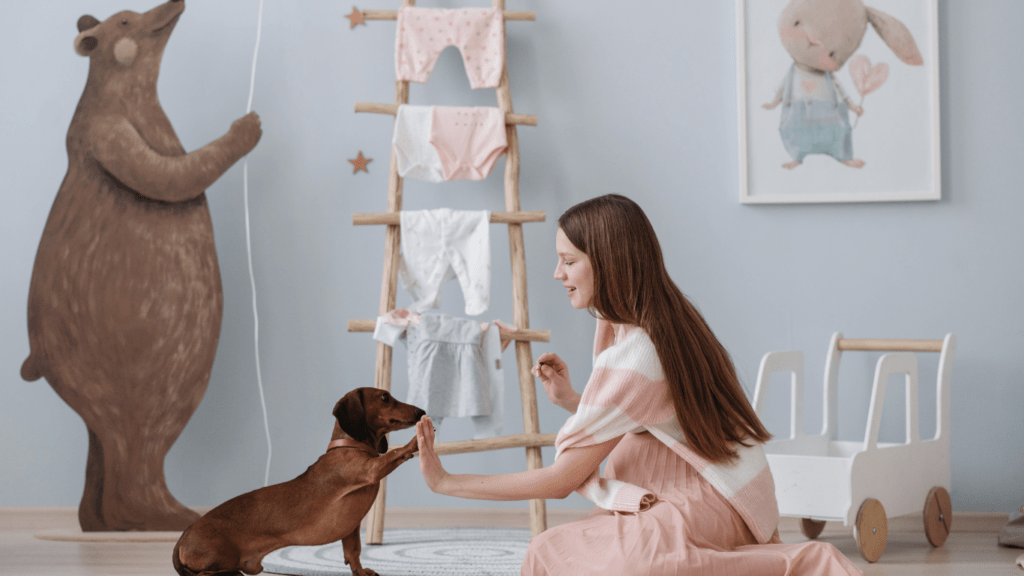
Play strengthens the bond between pet and owner, fostering trust and cooperation. For example, games like fetch or tug-of-war encourage interaction and build obedience in an enjoyable manner.

Understanding Your Pet’s Play Preferences

Understanding play preferences is key to incorporating play into training successfully. Each pet has unique likes and dislikes regarding toys and activities. Observe behaviors to identify preferences.

Some dogs might prefer fetching balls, while others enjoy puzzle toys. Cats might be more interested in chasing laser pointers or feather wands. Adapting training techniques to match these preferences keeps pets engaged and encourages enthusiastic participation during training sessions.

How to Incorporate Play into Training Sessions

Incorporating play into training sessions enhances your pet’s learning experience. Use strategic methods to ensure training remains fun and effective.

Choosing the Right Toys and Games

Selecting appropriate toys and games facilitates better engagement during training. Choose toys that match your pet’s size and play style. For example, fetch toys for dogs who enjoy running, or puzzle toys for those needing mental stimulation.

Introduce a variety of toys to prevent boredom and maintain interest. Ensure the toys are safe and durable to avoid any risk.

Creating a Balanced Training Schedule

Balancing training and playtime avoids overworking your pet. Schedule short, frequent sessions rather than long, tiring ones. Incorporate rest periods and play breaks between training tasks to keep your pet energized and motivated.

Adjust the schedule based on your pet’s energy levels and attention span, ensuring they remain alert and engaged.

Tips for Effective Play-Based Training

Incorporating play into your pet’s training isn’t just about fun. It enhances their learning and reinforces positive behaviors, making training sessions both productive and enjoyable for you and your furry friend.

Reinforcing Positive Behavior with Play

Using play to reinforce positive behavior creates a strong, rewarding connection in your pet’s mind. When they perform a desired behavior, immediately engaging in a favorite game or toy acts as a powerful motivator. This method proves particularly effective for active breeds or pets who thrive on interaction.

For instance, if your dog successfully follows a command, you can reward them with a quick game of fetch using their favorite ball. It’s essential to keep the play session short to maintain focus on the training objectives.

Adjusting Play Strategies to Suit Different Pets

Not all pets respond to the same types of play. Tailoring your play strategies to your pet’s preferences and personality ensures more effective training.

For example, cats often enjoy interactive toys like feather wands or laser pointers, which stimulate their hunting instincts. In contrast, dogs might prefer physical play like tug-of-war or agility exercises. Observing your pet’s reactions to various activities helps determine what keeps them engaged and motivated.

Adjusting the approach based on their energy levels, breed tendencies, and individual quirks can maximize the benefits of play-based training.

Challenges and Solutions

Incorporating play into pet training presents certain challenges. Here, I address common issues and offer solutions to enhance the training experience.

Dealing with Overexcitement and Distractions

Overexcitement disrupts training sessions. If a pet becomes overly excited, brief breaks help them calm down. Start with simple commands to refocus their attention.

Use high-value treats sparingly to maintain their interest without overstimulating them. Gradually increase distractions during training to improve their focus over time. Introducing new environments and distractions incrementally conditions them to stay engaged.

Ensuring Safety During Play and Training

  1. Safety is paramount in play-based training.
  2. Choose toys suitable for the pet’s size to prevent choking hazards.
  3. Inspect toys regularly for wear and tear to avoid accidents.
  4. Use soft surfaces like grass or mats to prevent injuries during active play.
  5. Supervise all play sessions to intervene if necessary.
  6. Avoid overly aggressive games that might lead to unintended injuries.
  7. If playing in open areas, ensure it’s secure and free from potential dangers.

These solutions address common challenges, making play-based training more effective and enjoyable for both pets and owners.


Understanding Pet Needs for Activity

Pets need exercise and mental stimulation to stay healthy and happy. This is true for any living space, big or small.

The Importance of Regular Exercise

  1. Regular exercise maintains a pet’s physical health.
  2. It helps control weight, improves cardiovascular health, and strengthens muscles.
  3. Daily physical activity also reduces behavioral issues caused by boredom. 
  4. Dogs that exercise regularly are less likely to chew furniture, while active cats are less prone to scratching inappropriate items.

Challenges in Small Living Spaces

Small living spaces limit the availability of large exercise areas. This can make it difficult for pets to burn off energy through traditional activities like running.

Noise and lack of privacy can also stress pets, affecting their willingness to engage in exercise. Adapting exercise routines to fit the available space is crucial for maintaining a pet’s health and well-being.

Tips for Keeping Your Pet Active in Small Spaces

Keeping pets active in small living spaces requires creativity and strategic plans. Here are some effective tips to ensure pets stay engaged and healthy.

Interactive Toys and Games

Providing interactive toys and games can significantly enhance a pet’s activity level. Toys that dispense treats keep pets physically and mentally stimulated.

Puzzle toys challenge their problem-solving skills, reducing boredom. Electronic toys that mimic prey movements encourage exercise and play. Regularly rotating toys prevents them from becoming monotonous.

Creative Use of Furniture and Space

Maximizing the use of available space can help keep pets active. Vertical space can be utilized with cat trees or shelves, allowing pets to climb and explore.

Creating obstacle courses using cushions, boxes, and tunnels engages pets in physical activities. Rearranging furniture to create new paths and hiding spots provides constant novelty. Multi-functional furniture like pet beds integrated into shelving units saves space while offering play areas.

Training Techniques for Small Spaces

Training pets in limited living areas requires creativity and effective methods. I’ve compiled some practical techniques to ensure your pet stays active and obedient in confined spaces.

Obedience Training

Obedience training benefits pets by instilling discipline and mental stimulation. Focus on teaching basic commands like:

  • sit
  • stay
  • come

Use positive reinforcement, such as treats or praise, to encourage correct behavior. Short, frequent sessions work best, maintaining your pet’s focus and preventing boredom. Train in different rooms to add variety and keep your pet engaged.

Agility Exercises

Agility exercises provide great physical stimulation in small spaces. Set up simple obstacle courses using household items like chairs for weaving or cushions for jumping.

Use tunnels, ramps, or hoops if space permits. Encourage your pet to navigate these obstacles by guiding them with toys or treats. Regularly change the course layout to maintain interest and challenge your pet’s agility skills.

Useful Products to Enhance Activity

Providing the right products keeps pets active, especially in small spaces. Here are some essentials.

Recommended Toys for Small Spaces

Interactive toys prevent boredom and promote physical activity. Puzzle feeders engage pets’ minds while offering a food reward. Laser pointers create engaging chase games for cats or dogs.

Soft, squeaky toys appeal to dogs’ senses and encourage play without taking up much room. Wand toys mimic prey, keeping cats entertained and active in confined areas.

Space-Saving Pet Equipment

Compact pet furniture utilizes vertical space to create exercise opportunities. Cat trees provide climbing, scratching, and perching options. Wall-mounted shelves and ramps create a playground along the walls.

Folding agility equipment, such as tunnels and hurdles, can be easily stored when not in use. Activity mats offer a varied surface that encourages cats or dogs to explore different textures and areas.


Understanding the Link Between Play and Learning for Pets

Play is essential for teaching pets new tricks. Through interactive activities, pets engage their minds and bodies, making learning enjoyable and effective.

Benefits of Play in Pet Training

Play enhances a pet’s learning experience by providing mental stimulation and physical exercise. It keeps pets motivated and focused, ensuring they remain attentive during training sessions.

Interactive play strengthens the bond between the pet and the owner, building trust and cooperation.

  1. Mental Stimulation: Activities like puzzle toys or hide-and-seek challenge pets to think critically, improving problem-solving skills.
  2. Physical Exercise: Games involving fetch or agility courses keep pets active, reducing the risk of obesity and related health issues.
  3. Motivation: Rewards-based play, such as tug-of-war with treats, maintains a pet’s interest and encourages consistent participation.
  4. Trust Building: Consistent, positive interactions during play build a pet’s trust in their owner, making them more receptive to learning new tricks.

Types of Play Suitable for Learning

Various types of play are effective for teaching pets new tricks. Each type engages different skills and provides unique learning opportunities.

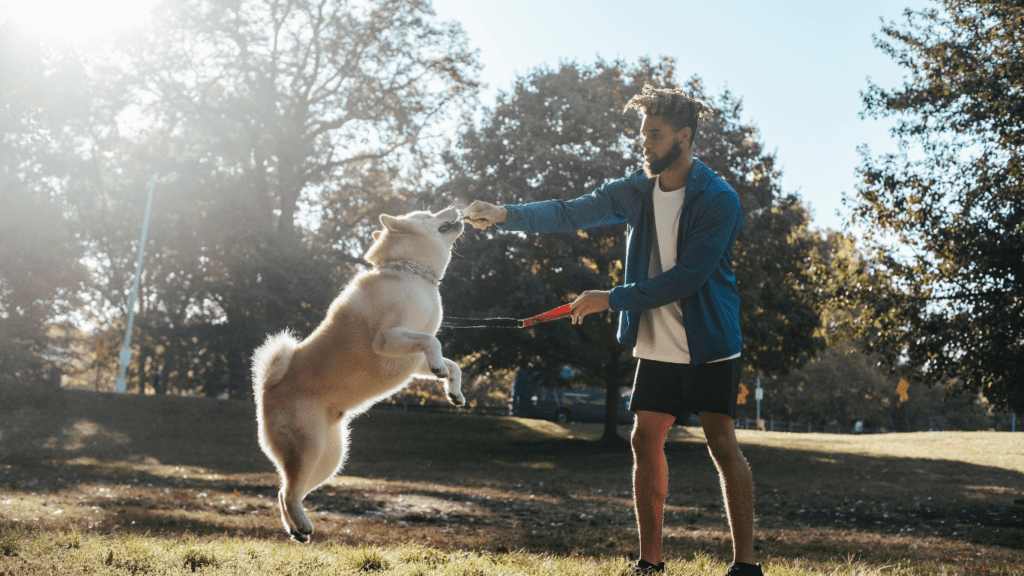
  1. Fetch: Teaches pets to respond to commands like ‘bring it back,’ enhancing their listening and retrieval skills.
  2. Tug-of-War: Encourages pets to follow ‘release’ commands, reinforcing cooperation and impulse control.
  3. Puzzle Toys: Stimulate a pet’s brain, teaching problem-solving and keeping them mentally engaged.
  4. Agility Courses: Improve a pet’s coordination, balance, and ability to follow complex sequences of commands.
  5. Hide-and-Seek: Develops a pet’s tracking and search capabilities, making it easier for them to find hidden objects or people.

Strategically using these play types makes learning new tricks engaging and rewarding for pets.

Setting Up for Success

Teaching your pet new tricks through play requires a thoughtful approach to ensure effective learning. The right environment, tools, and toys set the foundation for success.

Choosing the Right Environment

Choosing the right environment ensures your pet’s comfort and focus. Pick a quiet, familiar area free from distractions. A fenced backyard, a spacious living room, or a designated training zone works well. Avoid areas with high foot traffic or loud noises. The environment should be safe, secure, and conducive to learning.

Essential Tools and Toys for Playful Learning

Essential tools and toys aid in playful learning. Use treats for positive reinforcement; they’re highly motivating. Interactive toys like puzzle toys, fetch balls, and tug ropes engage pets mentally and physically. Utilize clickers to mark desired behaviors precisely.

Item Purpose
Treats Positive reinforcement
Puzzle Toys Mental stimulation
Fetch Balls Physical exercise
Tug Ropes Engaging play
Clickers Precise behavior marking

Incorporate these essentials to create an enriching and effective training experience for your pet.

Basic Tricks to Teach Through Play

Using games to teach pets new tricks leverages their natural instincts and keeps them engaged. Below are specific tricks you can teach through play.

Using Games to Teach Sit and Stay

Teaching “sit” and “stay” can start with interactive games. Use a favorite toy or treat to get your pet’s attention. Hold the reward above their nose to encourage a sitting position. Once they sit, offer the treat and praise them. Repeat this process during short play sessions.

For “stay”, use a similar approach. Ask your pet to sit, then show them a treat. Take a step back while holding your hand out and say “stay.” If they remain seated, give the treat and offer praise. Gradually increase the distance and duration. Playtime helps reinforce these commands.

Interactive Play to Encourage Fetch and Drop

“Fetch” and “drop” are perfect for active play. Start by rolling a ball or throwing a toy a short distance. Encourage your pet to retrieve it by calling them back with enthusiasm. Once they return, use another toy or treat to prompt them to release the item, saying “drop.”

Consistent play sessions reinforce the “fetch” and “drop” commands. Over time, increase the distance and vary the toys to keep it interesting. Interactive play offers physical exercise and reinforces learned behaviors.

Advanced Tricks and Play Strategies

Once basic commands are mastered, pets can move on to more advanced tricks using play strategies.

Incorporating Agility Training Through Play

Agility training combines physical exercise with mental stimulation. I set up an obstacle course using cones, tunnels, and jumps. Guided by toys and treats, pets navigate the course, learning to respond to commands like “jump” and “weave.” Regular agility sessions improve coordination and increase trust. Obstacles like A-frames and balance beams challenge pets further, ensuring varied and engaging training routines.

Teaching Complex Tricks with Playful Rewards

Complex tricks, like “roll over” and “play dead,” require incremental steps and consistent practice. I use clickers and treats to mark successful actions, gradually increasing the complexity of the tricks.

For example, teaching “spin” involves leading the pet in a circle with a toy, gradually phasing out the toy. Repetition and positive reinforcement are key.

Playful rewards, such as a favorite toy or game, make the training enjoyable, reinforcing the pet’s motivation to learn and perform advanced tricks.

Ensuring Safety During Play Training

Focusing on safety ensures pets enjoy play training without injury or stress. This responsibility boosts both learning and the pet-owner bond.

Monitoring Play Intensity

Monitor the intensity to keep play sessions safe. High-energy games, like fetch or tug-of-war, demand close attention to avoid overexertion.

Encourage water breaks every 10-15 minutes to prevent dehydration. For indoor sessions, clear spaces of obstacles to prevent accidents. Observe energy levels; if your pet slows down, it’s time to rest.

Recognizing Signs of Stress or Discomfort

Recognize signs of stress by watching your pet’s behavior. Common indicators include panting, whining, or tail tucking. If these symptoms appear, pause the activity.

Additionally, excessive drooling or a hunched posture signals discomfort; stop and reassess the situation. Use calm tones and gentle pats to reassure your pet and resume only when they seem comfortable. By staying observant, ensure your pet remains happy and stress-free during training.