Importance of Hydration in Pets

Keeping pets hydrated is crucial for their overall health and well-being. Hydration assists in various bodily functions, from digestion to temperature regulation.

Signs of Dehydration in Pets

Recognizing dehydration in pets quickly can prevent serious health issues.

Common signs include:

  • Dry Gums: Gums appearing sticky and pale.
  • Low Energy: Fatigue or lethargy.
  • Sunken Eyes: Eyes looking recessed.
  • Decreased Appetite: Less interest in food.
  • Loss of Skin Elasticity: Skin does not return to place when gently pulled.

Monitoring these signs helps in taking prompt action to rehydrate pets.

Benefits of Proper Hydration

Proper hydration offers numerous benefits. It:

  1. Maintains Organ Function: Vital for kidney and liver health.
  2. Aids Digestion: Helps in breaking down food and nutrient absorption.
  3. Regulates Body Temperature: Prevents overheating and heatstroke.
  4. Promotes Mobility: Keeps joints lubricated and functional.
  5. Improves Coat and Skin Health: Reduces dryness and enhances skin condition.

Ensuring pets have ample water throughout the day supports their health and longevity.

Tips for Keeping Your Pet Hydrated

Keeping your pet hydrated is crucial for their health. Here are some actionable tips to ensure your pet always has access to sufficient water.

Choosing the Right Water Bowls

Selecting suitable water bowls can make a significant difference in your pet’s hydration. Stainless steel, ceramic, or BPA-free plastic bowls are good options.

They are easy to clean and don’t harbor bacteria. For pets that tend to tip over their bowls, weighted or non-slip options can help. Elevated bowls can also make drinking easier, especially for older pets with joint issues.

Incorporating Wet Foods

Incorporating wet foods into your pet’s diet can boost their water intake. Wet food typically contains around 70-80% water, which can significantly aid hydration.

Cats, who naturally have a low thirst drive, particularly benefit from wet foods. Mixing wet food with dry kibble or serving it as a separate meal can ensure your pet stays hydrated and enjoys a varied diet.

Monitoring Your Pet’s Hydration Levels

Keeping your pet hydrated is vital for their health. Regularly monitoring hydration levels helps maintain their well-being.

Understanding Your Pet’s Needs

Different breeds and species have varying hydration needs. Dogs, for example, typically need about 1 ounce of water per pound of body weight daily.

Cats require a similar amount but might drink less, as they often rely on wet food. Observe your pet’s drinking habits to understand their norms. For example, if a cat’s bowl remains untouched, increasing wet food can help.

Recognizing Dehydration Signs

Watch for physical indicators. Dry gums, low energy, sunken eyes, and decreased appetite signal dehydration. Loss of skin elasticity is another sign – gently pinch their skin; it should return to place quickly. Slow return indicates dehydration.

When to Consult a Veterinarian

If you notice persistent signs of dehydration or sudden changes in drinking habits, consult a veterinarian. Immediate professional advice is essential if severe symptoms like vomiting, diarrhea, or lethargy accompany dehydration. Regular check-ups help prevent chronic issues and ensure hydration strategies are effective.


Choosing the Right Pet

Selecting the right pet involves assessing both your lifestyle and the specific needs of the pet. It’s crucial to consider factors like:

  • activity level
  • time availability
  • pet’s behavior patterns

Consider Your Lifestyle

Evaluate your daily routine to determine what pet fits best. If you’re often busy, a low-maintenance pet like a fish or a reptile might be better than a high-energy dog.

Apartment dwellers might lean towards smaller animals like cats, which adapt well to limited space. Families with children should look for friendly pets like Labrador Retrievers to ensure safety and companionship.

Understand Pet Needs and Behavior

Research the specific needs of potential pets to ensure compatibility. Dogs require regular exercise and social interaction. Cats need mental stimulation and space for scratching and climbing.

Birds demand social time and mental enrichment. Guinea pigs need company from other guinea pigs for emotional well-being. Understanding typical behaviors helps in anticipating challenges and adopting the right training techniques.

Setting Up Your Home

Creating a comfortable, safe environment for a new pet is crucial. This involves both setting up a secure living space and being prepared with daily care supplies.

Creating a Safe Space

Start by identifying potential hazards in the home. Secure electrical cords and remove small items pets might swallow. For dogs and cats, ensure windows have proper screens.

For smaller animals, like guinea pigs, confirm cages are escape-proof. Create designated areas for pets to eat, sleep, and play, ensuring these spaces are quiet and safe.

Establish routines for feeding and bathroom breaks to help with adjustment. Use baby gates or close doors to restrict access to unsafe areas.

Essential Supplies for Daily Care

Stock up on key supplies before bringing home your pet. For dogs, get a collar, leash, food and water bowls, a bed, and toys. Cats need a litter box, scratching posts, and perches.

Small pets like guinea pigs require cages, bedding, and chew toys. Buy high-quality food, specific to the pet’s age and species. Have grooming tools, like brushes and nail clippers, on hand.

For health monitoring, include items like a pet thermometer and a first-aid kit. Ensure you have cleaning supplies for messes and accidents.

Basic Training for Pets

Training pets ensures they feel comfortable and secure in their new environment. Start with straightforward techniques and gradually introduce new commands.

House Training Basics

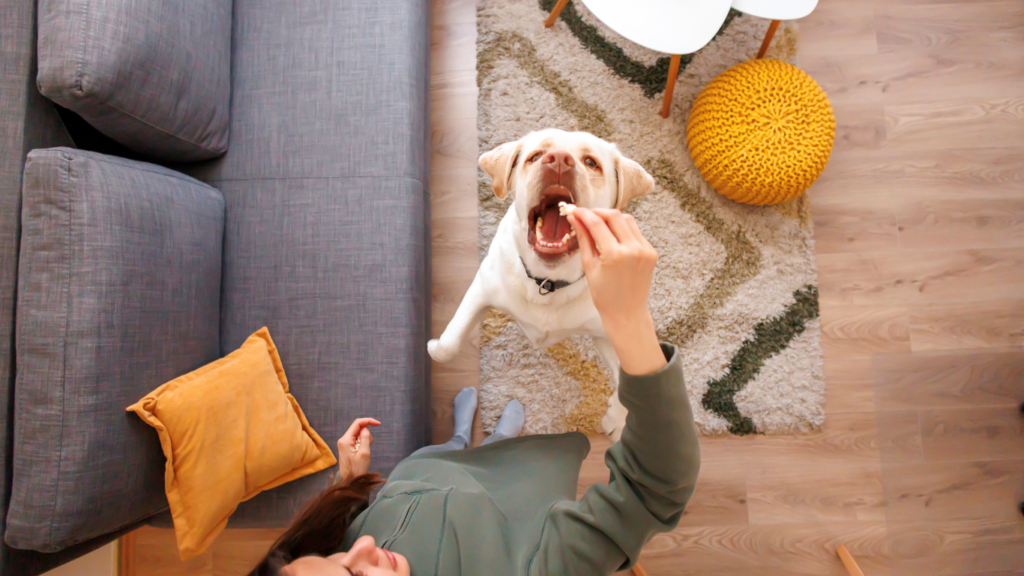
Start house training from day one. Take pets to their designated bathroom spot frequently, especially after eating or drinking. Reward them with praise or treats when they follow through.

Use consistent commands, like “go potty,” to reinforce behavior. If pets have accidents inside, clean the area thoroughly to remove any scents that might encourage repeat behavior. Use positive reinforcement to encourage good habits, not punishment.

Commands and Obedience

Teach basic commands such as “sit,” “stay,” and “come” early on. Use a firm, clear voice paired with hand signals. Treats and praise strengthen obedience training.

Practice commands in short, regular sessions to keep pets engaged and prevent boredom. Gradually introduce more complex commands and combine them for heightened obedience. Seek professional training help if pets show persistent difficulty learning commands.

Nutrition and Feeding

Ensuring pets get the right nutrition and feeding schedule ensures their long-term health and happiness.

Understanding Nutritional Needs

Every pet species and breed has unique nutritional requirements. Dogs, for example, need protein, carbohydrates, fats, vitamins, and minerals in balanced proportions.

Cats, being obligate carnivores, require high protein and taurine. Consult a veterinarian to determine the specific dietary needs of your pet.

High-quality commercial pet food usually meets these needs, but read labels to ensure you’re providing a balanced diet. Avoid feeding pets human foods like chocolate, onions, and grapes as these can be toxic.

Scheduling Feeding Times

Maintain consistent feeding schedules to regulate your pet’s metabolism and prevent obesity. For puppies and kittens under six months, provide four meals daily. For adult pets, feed them twice daily.

Measure portions according to guidelines on the pet food package or your vet’s advice. Consistent feeding times help establish a routine, making pets feel secure and well-cared for. Monitor their weight and adjust portions as necessary to prevent overfeeding and underfeeding.

Regular Health Care
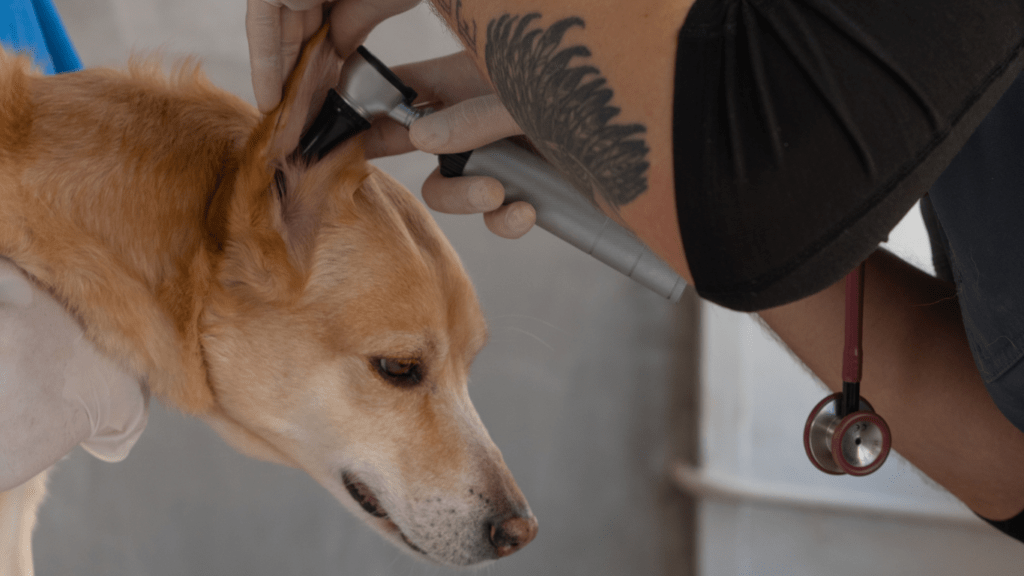
Ear cleaning for dog

Ensuring regular health care is crucial for keeping pets happy and healthy. Pets’ unique health needs, tailored care, and attention help prevent issues and promote well-being.

Routine Veterinary Visits

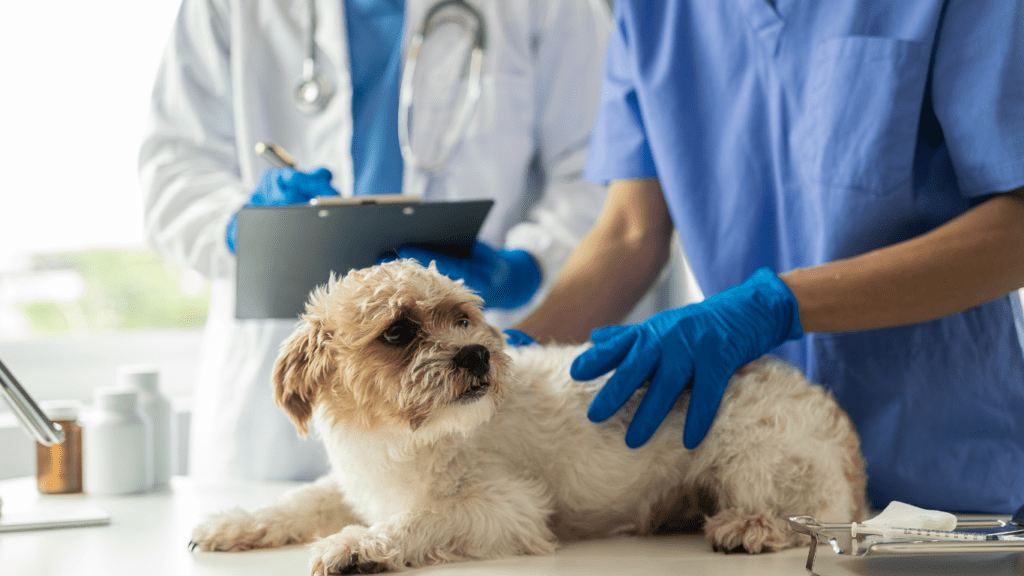
Regular veterinary visits are essential. I schedule annual check-ups to monitor my pet’s health and catch potential problems early. These visits cover vaccinations, dental check-ups, and general health assessments.

If any unusual behaviors or symptoms arise, I book an appointment immediately. According to the American Veterinary Medical Association (AVMA), routine visits reduce the risk of serious health issues.

Preventive Treatments

Administering preventive treatments is another key aspect. I use flea and tick preventives monthly to protect against parasites.

Heartworm prevention is also necessary, especially in regions where mosquitoes are prevalent. I follow my vet’s recommendations for deworming schedules and ensure my pet is up-to-date on all vaccinations.

Grooming and Hygiene

Proper grooming and hygiene play crucial roles in maintaining your pet’s health. Regular grooming helps detect early signs of health issues and ensures your pet stays clean and comfortable.

Basic Grooming Techniques

Brush your pet’s coat regularly to remove dirt, prevent matting, and reduce shedding. Short-haired breeds typically need weekly brushing, while long-haired breeds may require daily brushing.

Use breed-specific brushes for best results. Trim your pet’s nails once a month to prevent overgrowth, which can cause pain and mobility issues.

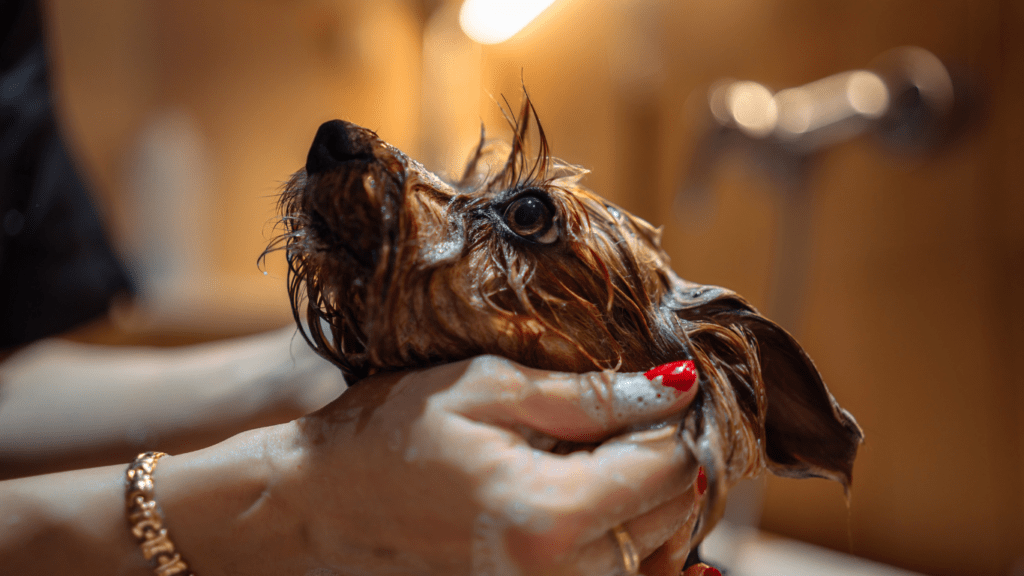
Bathe your pet every few months, depending on their activity level and breed, using pet-safe shampoos to avoid skin irritation. Check and clean their ears weekly to prevent infections, using vet-approved ear cleansers.

Dental Care Tips

  1. Maintain your pet’s dental health with regular brushing and vet check-ups.
  2. Brush your pet’s teeth at least 2-3 times a week with pet-specific toothpaste.
  3. Offer dental chews and toys designed to reduce plaque and tartar.
  4. Schedule annual dental cleanings with your veterinarian to professionally remove plaque build-up.
  5. Monitor for signs of dental issues, including bad breath, drooling, or difficulty eating, and consult a vet if any symptoms appear.

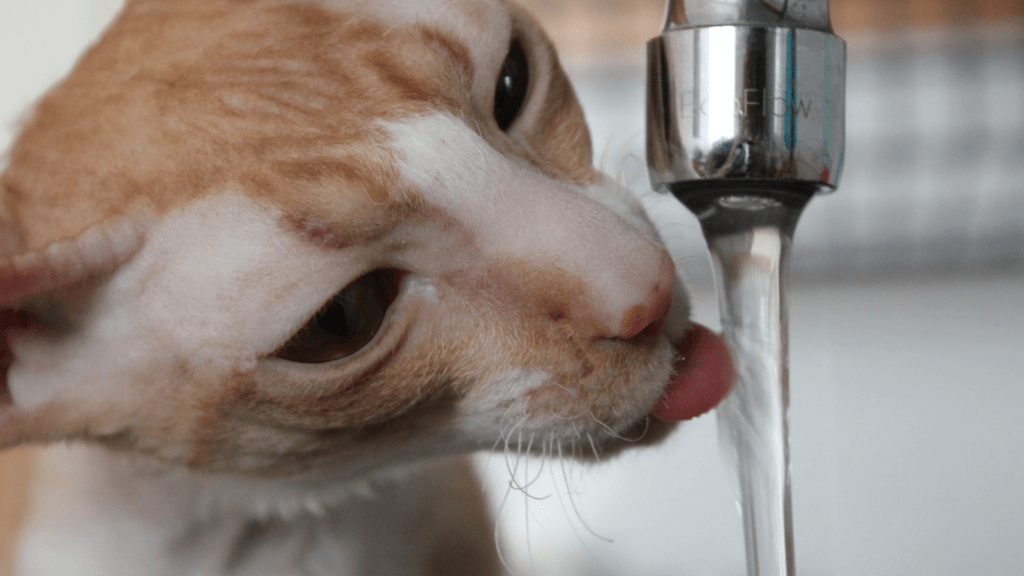
 

Understanding the Importance of a Routine for Pets

Creating a predictable daily routine helps pets feel secure and content. Consistency meets their instinctual needs and strengthens the bond between pet and owner.

Benefits for Behavioral Health

  1. Routine reduces anxiety in pets.
  2. Consistent schedules offer pets a sense of predictability (e.g., knowing when to expect meals and walks).
  3. Reduced anxiety leads to fewer behavioral issues like excessive barking or destructive chewing.
  4. Training also becomes easier when pets know what to expect. 
  5. Pets are more likely to follow commands when they understand the timing of daily events.

Physical Health Advantages

Daily routines promote better physical health. Regular feeding times aid digestion and prevent overeating. Scheduled exercise keeps pets physically active and maintains a healthy weight.

For instance, a daily walk at the same time each day ensures consistent physical activity. Regular grooming routines, like brushing fur or cleaning teeth, improve pets’ overall hygiene and well-being.

Key Elements of a Daily Pet Routine

A well-structured daily routine for pets includes several essential components. Understanding these key elements ensures pets maintain optimal health and happiness.

Feeding Times

Regular feeding times are crucial for pets’ digestion and overall well-being. Feed pets at the same time each day to create a sense of predictability.

Split meals into portions; for example, dogs often benefit from two meals, one in the morning and one in the evening, while cats may prefer smaller, more frequent meals. Use high-quality food suited to the pet’s breed, age, and health needs.

Exercise and Play Sessions

Daily exercise and play are vital for pets’ physical and mental health. Schedule exercise sessions that match the pet’s energy levels.

For instance, dogs require walks and playtime, like fetch sessions or agility training, while cats benefit from interactive toys and climbing structures. Ensure each session lasts at least 30 minutes to an hour, and adjust based on the pet’s age and health.

Sleep and Rest Periods

Consistent sleep and rest periods are important for recovery and relaxation. Create a calm, comfortable sleeping environment away from loud noises and disturbances.

Allow pets to sleep and rest after meals and play sessions. For example, puppies and kittens may need up to 18 hours of sleep, while adult cats and dogs typically require 12 to 14 hours per day. Monitor the pet’s rest patterns to ensure they are getting enough restorative sleep.

Adapting the Routine for Different Types of Pets

Creating daily routines for pets requires adapting activities to match their specific needs. Dogs, cats, and small pets have unique requirements.

Routines for Dogs

Dogs thrive on consistency. I ensure regular feeding times, typically twice a day, to support their digestion and energy levels. Daily walks and play sessions cater to their exercise needs and help prevent obesity.

Mental stimulation activities, like puzzle toys, keep them engaged. Scheduled grooming maintains their hygiene.

Routines for Cats

Cats prefer predictable environments. I schedule feeding times, often twice a day, to suit their dietary habits. Interactive play sessions with toys mimic hunting and help expend energy.

Providing climbing structures and scratching posts satisfies their natural behaviors. Regular litter box cleaning ensures a clean living space.

Special Considerations for Small Pets

Small pets like rabbits or hamsters benefit from routines too. I offer consistent feeding times with appropriate portions. Daily exercise outside their cages, like supervised play in a safe area, supports their physical health.

Enrichment activities, such as tunnels and chew toys, keep them mentally stimulated. Frequent cage cleaning maintains a hygienic habitat.

By tailoring routines to the specific needs of dogs, cats, and small pets, I can enhance their well-being and strengthen our bond.

Tips for Maintaining and Adjusting the Routine

Pets thrive on consistency but adjusting the routine based on their needs ensures their well-being. Observing their behavior and making necessary changes prevent stress and boredom.

Monitoring Your Pet’s Response

I observe my pet’s behavior to gauge how they’re responding to the routine. Signs like:

  • enthusiasm during playtime
  • regular appetite
  • calmness

indicate success

Conversely, changes in behavior, such as lethargy or anxiety, might mean adjustments are needed. For example, if my dog shows restlessness, I consider increasing the duration or intensity of exercise.

If my cat seems disinterested in play, I introduce new toys or activities to keep her engaged. Regular vet check-ups also help me ensure the routine supports my pet’s health.

Flexibility in Routine Planning

I maintain a flexible approach to the routine to accommodate my pet’s evolving needs. This flexibility is crucial for adapting to life changes like moving or new family members.

For instance, if I change jobs and my schedule shifts, I adjust feeding and exercise times to match the new routine.

Seasonal changes also require adjustments; during winter, I might shorten outdoor activities and focus on stimulating indoor games. This flexibility ensures my pet’s routine remains effective and supportive, regardless of external changes.


Assessing Your Home for Pet Safety Hazipient

Ensuring your pet’s safety at home involves identifying potential hazards. It’s essential to evaluate your living space, considering the perspective of your pet.

Identifying Common Household Hazards

Identify potential hazards that may harm your pet. Some examples of common household dangers include:

  • Toxic Plants: Research plants toxic to pets, such as lilies for cats and aloe vera for dogs.
  • Unsecured Cabinets: Secure cabinets containing cleaning supplies and medications to prevent accidental ingestion.
  • Electrical Cords: Safeguard electrical cords from being chewed by covering or organizing them out of reach.
  • Open Windows: Install screens or restrict access to prevent falls, especially in multi-story homes.
  • Small Objects: Remove small items like buttons, coins, and jewelry that pets might swallow.
  1. Check low-lying shelves for breakables or harmful items within your pet’s reach.
  2. Inspect tight spaces behind furniture where pets might get stuck or injured.
  3. Ensure that furniture is stable to avoid tipping if a pet jumps or climbs on it.
  4. Look for accessible food that might be harmful, such as chocolate or grapes, on countertops.
  5. Examine floor surfaces; ensure rugs and mats don’t slip, causing falls.

Pet-Proofing By Area

Pet-proofing involves specific measures for different areas of the home. The main sections include the kitchen, bathroom, living room, and bedroom.

Kitchen Safety Measures

Store food securely in cabinets or the refrigerator. Chocolate, grapes, onions, and garlic pose serious risks to pets. Use child-proof latches on lower cabinets to restrict access.

Keep sharp objects and plastic bags out of reach. Ensure trash bins have secure lids or place them in cabinets. Sweep the floor regularly to eliminate small items pets might ingest.

Bathroom Dangers for Pets

Store cleaning supplies, medications, and toiletries securely in cabinets with child-proof latches. Keep toilet lids down to prevent pets from drinking possibly harmful water.

Use non-slip mats to reduce the risk of slipping. Remove small objects like toothpaste caps and razors from countertops.

Securing Living Rooms and Bedrooms

Hide electrical cords behind furniture or use protective coverings to prevent chewing. Remove fragile items or position them out of reach. Ensure window screens are secure to prevent falls.

Avoid small decorative items that could be ingested. Secure large furniture to walls to prevent tipping. Check under beds and dressers for small objects that might pose a choking hazard.

Safe Materials and Toxic Substances

Ensuring your home has safe materials and eliminating toxic substances reduces risks for pets. Specific steps can help maintain a secure environment.

Choosing Pet-Safe Furniture and Decorations

Opt for furniture made from non-toxic materials and sturdy constructions. Avoid pieces with small parts that pets could swallow, like buttons on cushions.

Choose decorations that can’t easily break or contain harmful substances like lead or sharp edges. Use pet-friendly fabrics which resist stains and wear, such as microfiber and leather. Make sure decorative items are securely placed to prevent them from being knocked over by curious pets.

Understanding Toxic Plants and Foods

Certain plants can be harmful to pets if ingested. Avoid keeping species like lilies, poinsettias, and philodendrons in the house. Opt for pet-safe alternatives like spider plants, bamboo palms, and Boston ferns.

Foods toxic to pets include chocolate, grapes, onions, and garlic. Store these items securely out of reach. Ensure pet food doesn’t contain harmful additives or ingredients by checking labels carefully. Replace human snacks with pet-safe treats to provide pets with safe alternatives.

Essential Pet Safety Equipment

Pet safety gear plays a crucial role in creating a secure environment at home. Selecting the right equipment can prevent accidents and ensure pets’ well-being.

Gates, Crates, and Enclosures

Gates, crates, and enclosures help manage your pet’s movement, especially in multi-level homes or areas with hazards. Gates keep pets away from stairs or rooms with dangerous objects.

Crates offer a secure resting space that prevents chewing on cables or furniture. Enclosures can be used outdoors to give pets fresh air while keeping them contained.

Smart Devices for Monitoring Pets

Smart devices enable round-the-clock pet monitoring. Cameras with Wi-Fi connectivity let you check on pets remotely. Some devices offer two-way audio, allowing interaction with pets when away.

Motion detectors alert you to unusual activity, ensuring prompt action if needed. Automated feeders ensure timely meals, even if you’re not home.

Emergency Preparedness

Being prepared for emergencies ensures the safety and quick response for pets during unforeseen events.

Creating a Pet Safety Plan

Develop a detailed pet safety plan to address different types of emergencies. Outline evacuation routes and include a designated safe spot within the home.

Make a checklist of essential items like food, water, medications, and comfort items. Ensure that each family member understands the plan and their role in executing it. Practice the plan regularly to familiarize pets with the process.

First Aid and Emergency Contacts

Assemble a pet first aid kit with essentials like bandages, antiseptics, tweezers, and pet-specific medications. Keeping this kit accessible at all times is crucial.

Compile a list of emergency contacts, including your veterinarian, local animal hospital, and a 24/7 pet poison control hotline. Save these contacts in your phone and place a physical copy in a visible location at home.


Choosing the Right Shampoo and Bath Products

Selecting the best shampoo and bath products ensures your pet’s bath is safe and effective.

Assessing Your Pet’s Skin and Coat Type

Assess your pet’s skin and coat type before picking products. Pets have diverse skin types and coat textures that require specific treatments.

For instance, dogs with dry skin need moisturizing shampoos while those with oily coats benefit from degreasing formulas. Cats with long fur might need detangling shampoos. Identify your pet’s unique needs to avoid skin irritation and enhance coat health.

Understanding Ingredient Safety for Pets

Check the ingredients in pet shampoos to ensure safety. Harmful substances can cause allergies or skin conditions. Avoid products with parabens, sulfates, or artificial fragrances as they can irritate skin.

Opt for shampoos with natural ingredients like oatmeal or aloe vera which soothe and nourish. Verify with your vet if uncertain about a product’s safety.

Preparing Your Bath Space

Ensuring an appropriate bath space for your pet is crucial for a safe and enjoyable experience.

Gathering Necessary Tools and Supplies

Collecting essential tools and supplies beforehand streamlines the bathing process.

  1. Pet Shampoo: Choose one suitable for your pet’s skin and coat type, avoiding harmful ingredients.
  2. Brush: Detangle fur and remove loose hairs before the bath.
  3. Towels: Have at least two towels handy—one for drying and one for the floor.
  4. Non-slip Mat: Place a mat inside the tub or sink to prevent slipping.
  5. Cup or Spray Nozzle: Use a cup or detachable spray nozzle for rinsing.
  6. Treats: Keep a few treats nearby to reward good behavior and reduce stress.

Creating a Safe and Comfortable Environment

Setting up the bath area properly enhances safety and comfort for your pet.

  1. Temperature: Ensure the water is lukewarm, around 100°F (38°C).
  2. Space: Use a tub, sink, or large basin to accommodate your pet comfortably.
  3. Lighting: Ensure the area is well-lit to see clearly while bathing.
  4. Noise: Minimize noise to keep your pet calm, avoiding loud appliances or music.
  5. Restraints: Use a leash or harness if necessary to keep your pet secure.
  6. Accessibility: Arrange all supplies within easy reach to avoid leaving your pet unattended.

By preparing your bath space with these tips, both you and your pet can enjoy a stress-free bathing experience.

Bathing Techniques for Different Types of Pets

Different pets require specific bathing techniques depending on their type and temperament. These tailored approaches ensure a safe, stress-free experience for both you and your pet.

Tips for Bathing Dogs

Most dogs enjoy water, but it’s important to follow certain steps to ensure safety.

  1. Brush the Coat: Before bathing, brush your dog’s coat to remove tangles and loose fur. This prevents matting and makes shampooing easier.
  2. Use Lukewarm Water: Fill the tub with lukewarm water. Hot or cold water can cause discomfort or stress.
  3. Apply Shampoo Evenly: Use a pet-specific shampoo. Avoid the eyes and ears while shampooing.
  4. Rinse Thoroughly: Ensure all shampoo residue is rinsed out completely to avoid skin irritation.
  5. Dry Properly: Towel-dry the coat, then use a blow dryer on a low-heat setting if needed.

Tips for Bathing Cats

Cats are generally not fond of water, so a gentle and calm approach is essential.

  1. Trim Nails First: Trim your cat’s nails before bathing to prevent scratches.
  2. Prepare All Tools in Advance: Have everything ready before starting, including shampoo, towels, and a cup for rinsing.
  3. Use Minimal Water: Fill the sink or tub with just a few inches of lukewarm water.
  4. Gently Wet Fur: Use a cup or gentle spray nozzle to wet the fur, avoiding the head.
  5. Massage in Shampoo: Apply shampoo gently and massage it in, avoiding the face area.
  6. Rinse Well: Rinse thoroughly but gently, ensuring no shampoo remains.
  7. Dry Gently: Towel-dry your cat, and use a blow dryer on a low setting if your cat tolerates it.

Handling Nervous or Fearful Pets

Nervous or fearful pets require extra care to make the experience manageable.

  1. Stay Calm: Maintain a calm demeanor. Pets can sense your anxiety, which may worsen their fear.
  2. Use Treats: Utilize treats to create positive associations with bath time.
  3. Go Slowly: Introduce water gradually. Let them get used to each step before proceeding.
  4. Seek Assistance: Have another person help if needed, especially for larger pets.
  5. Consider Professional Help: If the pet remains fearful, consult a professional groomer or vet for advice.

By using these tailored techniques, you can ensure a more positive and safer bathing experience for your pet.

Drying and Post-Bath Care

Thorough drying and proper post-bath care ensure your pet stays comfortable and healthy. Paying attention to these steps can prevent issues like skin infections.

Effective Drying Techniques

Pat dry with a towel to remove excess water. Focus on high-moisture areas like the belly and underarms. Don’t rub vigorously, as this can cause tangles and skin irritation. Use a pet-safe dryer on a low, warm setting to complete drying. Keep the dryer moving constantly to avoid overheating any spot. For cats, skip the dryer if they’re too anxious; towel drying alone is usually sufficient.

Post-Bath Grooming Essentials

Brush coat after drying to remove any remaining loose fur and prevent matting. For breeds with longer hair, consider a de-matting comb or slicker brush.

Check ears for moisture and use a pet-safe ear cleaner if needed to prevent infections. Inspect paws and trim nails if required. Finally, reward your pet with treats or affection to positively reinforce the bathing experience.

Common Mistakes to Avoid When Bathing Your Pet

Every pet needs regular baths, but some errors can make the experience unpleasant or harmful. Awareness of these common mistakes ensures a safe and enjoyable bath time for both you and your pet.

Overbathing and Its Risks

Overbathing a pet strips natural oils from the skin, leading to dryness and irritation. Dogs benefit from baths every 4-6 weeks, while cats need them less frequently, about every few months.

Frequent baths weaken the skin’s barrier, making pets prone to infections and allergies. Consult your vet about a suitable bathing schedule based on your pet’s breed and health condition.

Ignoring Signs of Stress and Discomfort

Pets communicate stress through body language. Ignoring signs like trembling, whining, or attempting to escape causes trauma, making future baths more difficult.

Stop the bath immediately if your pet shows significant distress, then use treats and soothing tones to calm them. Gradually reintroduce your pet to water in subsequent sessions if they show stress in response to baths.


Understanding Pet Allergies

Navigating pet allergies while loving your furry friends feels like a challenge, but it’s possible with the right knowledge and strategies. I’ll explain the key causes and symptoms of pet allergies to help you manage them effectively.

What Causes Pet Allergies?

Proteins in pet dander, saliva, and urine typically trigger allergic reactions. When pets shed their skin flakes (dander), it becomes airborne and inhaled.

Often, cats and dogs are the main culprits, though other animals like rodents and birds can also cause allergies. Some breeds produce more dander and allergens than others.

Symptoms of Pet Allergies

Common symptoms of pet allergies usually include:

  • Sneezing: Frequently sneezing can indicate an allergy.
  • Runny or Stuffy Nose: Nasal congestion or a runny nose often accompany other symptoms.
  • Itchy or Watery Eyes: Persistent itching or tearing is a common response.
  • Coughing or Wheezing: Respiratory issues such as coughing or wheezing may develop.
  • Skin Rashes: Contact with allergens can result in hives or skin rashes.

Recognizing these symptoms enables better management and improves living conditions.

Managing Pet Allergies

Effectively managing pet allergies involves adopting strategies that minimize allergen exposure. Implementing these steps helps maintain a healthier living environment.

Regular Cleaning Routines

Consistent cleaning routines reduce allergens in the home. Vacuum carpets, rugs, and upholstery weekly using a HEPA filter vacuum. Damp mop hard floors to trap dust and dander.

Wash pet bedding, toys, and blankets in hot water weekly. Clean and disinfect pet grooming tools after each use. Do not allow pets on furniture or beds to minimize allergen spread.

Use microfiber cloths for dusting surfaces and ensure ventilation by opening windows regularly. Consider installing air purifiers with HEPA filters in bedrooms and living areas to capture airborne allergens.

Choosing Hypoallergenic Pets

Select hypoallergenic pets if allergies are severe or persistent. Breeds like poodles, schnauzers, and certain terriers produce fewer allergens.

Consider pets with hair over fur because they shed less dander. Explore smaller animals like fish or reptiles, which generally cause fewer allergic reactions.

Consult with a veterinarian or allergist before adopting a new pet to ensure compatibility with your allergy management plan.

Medical Treatments for Pet Allergies

Medical treatments offer relief when home remedies aren’t enough for managing pet allergies.

Over-the-Counter Solutions

Over-the-counter (OTC) solutions help alleviate mild pet allergy symptoms. Antihistamines, such as cetirizine (Zyrtec) and loratadine (Claritin), reduce sneezing, itching, and runny noses.

Decongestants like pseudoephedrine (Sudafed) relieve nasal congestion but should be used cautiously due to potential side effects. Nasal corticosteroids, such as fluticasone (Flonase), lessen nasal inflammation.

When to See a Specialist

Consulting a specialist becomes necessary when OTC solutions don’t control symptoms. Allergists can perform skin or blood tests to pinpoint specific allergens.

Immunotherapy, involving allergy shots or sublingual drops, may be recommended to build immunity over time. Specialists can also prescribe stronger medications, like leukotriene modifiers or biologics, to better manage severe cases.

Medical treatment enhances overall allergy management.

Alternative Remedies and Preventive Measures

Managing pet allergies involves exploring both natural and preventive measures. These solutions can complement medical treatments and improve quality of life for both pet owners and their pets.

Natural Solutions for Allergy Relief

Certain natural remedies can reduce allergy symptoms. Quercetin, a plant flavonoid with antioxidant properties, acts as a natural antihistamine.

Local honey might help reduce sensitivity to pollen in pet fur. Incorporating the probiotic Lactobacillus casei in your diet can strengthen the immune system and alleviate allergy symptoms. Essential oils, like eucalyptus and lavender, also offer some relief when diffused in living spaces.

Preventive Strategies to Minimize Allergens

Preventive measures help maintain a low-allergen environment. Regular grooming reduces the amount of dander, limiting potential allergens.

Use a HEPA filter in your home’s air purifier to capture airborne allergens efficiently. Wash pet bedding weekly in hot water and clean pet toys frequently. Restrict pets from entering bedrooms to create a dander-free sanctuary. Vacuum your home with a HEPA-filter-equipped vacuum and dust surfaces with a damp cloth to control allergens effectively.


Benefits of DIY Pet Toys

Creating DIY pet toys offers numerous advantages. It fosters creativity, ensures safety, and enhances your connection with your pet.

Cost-Effectiveness

DIY pet toys are budget-friendly. Store-bought toys can be expensive, especially those with special features. Making toys at home reduces costs significantly.

For instance, a simple rope tug toy made from old t-shirts or a cardboard box puzzle feeder uses materials already on hand. Saving money on pet toys allows for reallocation of funds to other important areas like health care or quality food.

Customization and Personal Bonding

Customizing pet toys ensures they fit your pet’s specific needs and interests. Meet your pet’s preferences by choosing materials they enjoy, such as soft fabrics for cats or durable rubber for dogs.

Personalizing toys also strengthens the bond between you and your pet. The process of creating these toys together enhances interaction and builds trust. Each time your pet plays with these customized toys, it creates new shared experiences, reinforcing your connection.

Popular Materials for DIY Pet Toys

Creating DIY pet toys offers the familiarity of knowing exactly what’s going into each project. Here, I discuss commonly used materials for these enjoyable crafts.

Safe Materials for Pets

Choosing materials safe for pets is essential. I prefer cotton fabric for its softness and durability. Cotton ropes make great tug toys. Fleece works well for chew toys, as it’s gentle on gums.

Rubber materials like old tires or rubber balls from pet stores ensure resilience and safety. Wood is another option if treated appropriately.

Choose untreated wood to avoid harmful chemicals. Lastly, consider recycled materials like old jeans or t-shirts which add a unique touch while promoting sustainability.

Avoiding Hazardous Substances

When crafting pet toys, certain substances must be avoided. Avoid toxic glues or adhesives; use pet-safe alternatives instead. Skip painted or treated woods, as they may contain chemicals harmful to pets.

Steer clear of materials prone to breaking apart, like inexpensive plastics, which pose choking hazards. Avoid wool or stringy materials that can unravel and be ingested, leading to digestive issues.

Choose materials carefully, ensuring your furry friend stays safe while enjoying their new toy.

Step-by-Step Guides for DIY Pet Toys

Creating DIY pet toys can be simple and rewarding. Here are some step-by-step guides to get you started on some fun projects tailored for your furry friends.

Toys for Dogs

1. T-Shirt Tug Toy:

  • Materials Needed: Old T-shirts, Scissors
  • Steps:
  1. Cut T-shirts into long strips.
  2. Twist three strips together.
  3. Tie a knot at each end to secure.

2. Treat Dispenser:

  • Materials Needed: Plastic bottle, Dog treats
  • Steps:
  1. Clean a plastic bottle.
  2. Cut small holes around it.
  3. Fill with dog treats and secure the cap.

3. Rope Ball Toy:

  • Materials Needed: Rope, Tennis ball
  • Steps:
  1. Puncture holes in a tennis ball.
  2. Thread the rope through the holes.
  3. Tie knots on each end of the rope.

Toys for Cats

1. Feather Wand:

  • Materials Needed: Dowel rod, String, Feathers
  • Steps:
  1. Attach the string to one end of the dowel.
  2. Tie feathers to the other end of the string.
  3. Secure the attachments with non-toxic glue.

2. Catnip Sock:

  • Materials Needed: Sock, Catnip, Needle
  • Steps:
  1. Fill a sock with catnip.
  2. Sew the sock’s opening shut.
  3. Ensure no loose threads remain.

      Creating these DIY toys fosters creativity and offers personalized entertainment for your pets.

      Troubleshooting Common Issues

      Even the best DIY pet toys can encounter some challenges. Here are some solutions to common problems you might face.

      Durable Designs

      Pets, especially dogs, can be hard on their toys. To ensure durability, use multiple layers of sturdy fabric like denim or canvas. Reinforce seams with a strong, non-toxic glue and double stitching.

      If a toy starts to fall apart, promptly repair it to prevent your pet from swallowing any loose parts. If toys regularly disintegrate, consider using tougher materials or simplifying the design.

      Ensuring Toy Safety

      Safety should always be top of mind when crafting pet toys. Inspect materials for any small parts that could pose a choking hazard. Regularly check toys for wear and tear, disposing of any that become compromised.

      Choose non-toxic, pet-safe materials, avoiding those treated with chemicals or paint. If your pet shows signs of an allergic reaction like itching or swelling, discontinue use of the toy and consult your vet.


      Understanding Puppy Behavior

      Understanding why puppies behave in certain ways simplifies the training process. Their actions often stem from basic instincts and developmental stages.

      Why Puppies Behave the Way They Do

      Puppies chew on things, explore with their mouths, and exhibit boundless energy. These behaviors result from natural instincts and help them learn about their environment.

      For example, chewing eases teething discomfort and strengthens jaw muscles, while exploring supports cognitive development.

      Puppies also thrive on social interaction. They engage in playful behavior to establish social bonds and communicate with their human family and other pets.

      The Importance of Early Training

      Early training establishes good behavior patterns and prevents future issues. Consistency in commands and actions ensures that puppies understand what’s expected.

      For example, setting routines for feeding, playtime, and potty breaks helps puppies adapt to household norms. Positive reinforcement, like treats and praise, motivates puppies and strengthens desired behaviors.

      This approach leads to a well-behaved and happy dog, reducing stress for both the puppy and the owner.

      Essential Training Basics

      Puppy training sets the stage for your dog’s future behavior. A strong foundation makes this journey smoother.

      Establishing House Rules

      Set clear boundaries from day one to instill proper behavior. Designate areas where the puppy can and can’t go. Only allow access to certain rooms and use baby gates if necessary.

      Consistent rules help the puppy learn expectations quickly. Reward good behavior with treats, ensuring immediate positive reinforcement.

      Crate Training and Potty Training

      Crate training offers a safe space for your puppy, aiding housebreaking and providing comfort. Choose a crate that’s large enough for the puppy to:

      • stand
      • turn around
      • lie down

      Introduce the crate gradually by placing treats inside and praising the puppy for entering. Close the door briefly to start, then extend the time as the puppy becomes comfortable.

      For potty training, establish a routine. Take the puppy outside first thing in the morning, after meals, and before bedtime. Praise and reward the puppy immediately after they eliminate outside.

      If accidents occur, clean the area thoroughly to remove scents, avoiding punishment which can cause fear. Consistency and patience are key to successful potty training.
      Teaching Basic Commands
      Teaching Basic Commands

      Training a puppy to follow basic commands establishes essential communication and fosters trust. Start with these fundamental commands: Sit, Stay, and Come.

      Sit, Stay, and Come

      Start with “sit”. Hold a treat close to the puppy’s nose, then move your hand up. As the puppy’s head follows, their bottom will lower. As soon as they sit, say “sit” and give the treat. Practice this several times a day.


      Next, teach “stay”. Ask the puppy to sit, then open your palm in front of them and say “stay”. Take a few steps back. If they stay, reward them. Gradually increase the distance and length of time. If the puppy moves, go back to their side and start over.

      Finally, “come” involves encouraging the puppy to return to you. With the puppy on a leash, say “come” while gently pulling towards you. When they reach you, reward them with a treat. Practice this in different environments to build reliability.

      Leash Training and Walking

      Introduce the leash indoors first. Allow the puppy to wear it for short periods while playing and getting treats. This helps them associate the leash with positive experiences.

      When the puppy is comfortable, start leash training outdoors. Keep the leash short but not tight. Reward the puppy for staying close and walking beside you. If they pull, stop walking and stand still until the leash relaxes.

      Gradually increase the lengths of the walks. Use the command “let’s go” to signal moving forward. Consistency and positive reinforcement are key during leash training sessions.

      Long, daily walks keep puppies stimulated and well-behaved. Practice makes perfect as puppies learn the expected behavior during walks.

      Socializing Your Puppy

      Socializing your puppy is crucial for developing a well-adjusted, confident dog. Positive experiences with other dogs, people, and environments create a strong foundation for good behavior.

      Introducing Your Puppy to Other Dogs and People

      1. Begin introducing your puppy to new dogs and people as early as possible.
      2. Puppies are most receptive to socialization between 3-14 weeks. During this period, take your puppy to parks, pet-friendly stores, or organize playdates.
      3. Use positive reinforcement like treats and praise to make these interactions enjoyable.
      4. If your puppy shows signs of fear or aggression towards other dogs or people, gradually increase exposure while ensuring the encounters are positive.
      5. Controlled social interactions help build confidence. It’s beneficial to include various types of people, like children, adults, and those wearing different clothing styles.

      This broad exposure helps reduce future anxieties.

      Dealing with Fear and Anxiety

      Recognize and address your puppy’s fear and anxiety early. Common signs include trembling, hiding, or excessive barking. When dealing with fear, use gradual exposure techniques. Start by exposing your puppy to the fear source from a distance and slowly decrease the distance over time, rewarding calm behavior.

      Counter-conditioning and desensitization are effective methods. Pair the presence of the fear source with something your puppy loves, like treats or toys. Over time, your puppy will associate the fear source with positive experiences, reducing anxiety.

      Consult a professional dog trainer or behaviorist if fear and anxiety are severe and don’t improve with basic interventions. They offer tailored strategies for managing high-anxiety behaviors.

      Addressing Behavioral Issues

      Puppies often develop behavioral issues that need swift attention. Focused training ensures these behaviors don’t become problematic.

      Biting and Chewing

      Puppies naturally bite and chew objects due to teething and exploring their surroundings. Discourage this behavior using chew toys. When a puppy bites, offer an approved chew toy instead of your hand or furniture.

      Praise good behavior immediately. To minimize chewing on furniture or shoes, puppy-proof your home by removing temptations. Using puppy-safe deterrent sprays on off-limits items creates an aversion. Consistent redirection and positive reinforcement shape better habits.

      Jumping Up and Excessive Barking

      Jumping up and barking excessively are common issues. To stop jumping, ignore the puppy when it jumps and reward it when all four paws are on the ground.

      Teaching the “Off” command helps too. Encourage visitors to do the same. For excessive barking, identify the cause, whether it’s boredom, fear, or attention-seeking.

      Counteract unwanted barking with command training, such as “Quiet,” and use rewarding treats. Providing ample physical and mental stimulation reduces boredom-induced barking. Use techniques like crate training for anxiety-induced barking, ensuring it doesn’t become a habitual response.


      Understanding the Need for a Safe Space

      Pets need safe spaces for their well-being and happiness. These areas provide comfort and security, essential for any pet at home.

      Benefits for Your Pet

      Safe spaces offer several benefits for pets, such as reducing stress. A designated area allows pets to retreat from loud noises or unfamiliar guests. By providing a quiet environment, pets can rest and recharge.

      Creating a familiar zone can also enhance a pet’s sense of belonging and stability, which is crucial for overall mental health. Additionally, safe spaces can improve health by minimizing exposure to potential household hazards.

      Impact on Pet Behavior

      Establishing a safe space significantly impacts pet behavior. Pets with access to secure areas exhibit fewer anxiety-related behaviors, like:

      • destructive chewing 
      • excessive barking

      These safe havens help pets manage separation anxiety, especially when owners leave home. Behavior studies show that animals with dedicated spaces are more likely to exhibit positive social behaviors and adapt better to changes in their environment.

      Choosing the Right Location in Your Home

      Ensuring your pet’s comfort starts with picking the perfect spot in your home. The ideal location considers your pet’s specific needs and habits.

      Considerations for Dogs

      1. Dogs thrive in quiet areas. Choose a location away from busy foot traffic, like a corner of the living room or a section of the bedroom.
      2. Ensure it’s close to where family members spend time to help your dog feel part of the pack.
      3. Avoid spots near loud appliances, such as washing machines.
      4. Make the space big enough for a bed, toys, and water bowl.
      5. If possible, provide a view of the outdoors to satisfy their curiosity.
      6. Natural light invigorates dogs and a window can keep them entertained. Ensure the area is free from hazards like exposed wires.

      Considerations for Cats

      Cats need their spaces to be elevated. Choose a location on higher ground like a window sill or top shelf. Ensure the area offers a good vantage point for observing their territory, as cats feel safer when they can see their surroundings.

      Opt for quiet areas as cats tend to be sensitive to noise. Spaces near windows are great; natural light and outdoor views stimulate their senses. Make sure there are no fragile items that could be knocked over when they jump.

      Incorporate vertical space with cat trees or shelves to climb. These additions cater to their instinctive need to climb and explore.

      Essential Elements of a Safe Space
      Essential Elements of a Safe Space

      Creating a safe space for your pet involves selecting the right elements that cater to their comfort and security. These essentials ensure that your pet feels relaxed and at home.

      Comfortable Bedding

      Comfortable bedding is crucial for a pet’s safe space. For dogs, choose a bed with orthopedic support if they have joint issues. Soft, washable materials work best for easy maintenance. For cats, consider plush beds or hammocks. Place the bedding in a quiet, low-traffic area to promote uninterrupted rest.

      Safe Toys and Accessories

      Safe toys and accessories keep pets mentally stimulated and prevent boredom. For dogs, consider chew toys made from durable, non-toxic materials. Tug ropes and puzzle toys are excellent for mental engagement.

      For cats, opt for feather wands and interactive ball toys. Avoid small parts that can be swallowed. Additionally, include scratching posts to encourage natural behaviors and prevent claw damage to furniture.

      Maintaining the Safe Space

      Ensuring your pet’s safe space remains clean and suitable involves regular upkeep and adjustments to meet their changing needs.

      Regular Cleaning and Maintenance

      Consistent cleaning prevents the buildup of dirt and allergens. Wash bedding and toys weekly, using pet-safe detergents. Inspect toys for wear and replace damaged ones to avoid choking hazards.

      Wipe down surfaces with non-toxic cleaners to maintain a germ-free environment. Vacuum the area to remove fur and dander, especially if your pet sheds heavily.

      Adjustments as Your Pet Grows

      Modify the safe space as your pet matures. For puppies and kittens, choose smaller beds and softer toys. As they grow, switch to larger beds and more robust toys.

      Older pets may benefit from orthopedic bedding to support aging joints. Regularly assess your pet’s preferences and adjust the space to match their needs and comfort levels.


      Common Health Issues in Pets

      Pets often face various health challenges affecting their quality of life. By recognizing these issues, pet owners can take effective steps to prevent them.

      Dogs and Their Most Frequent Health Problems

      Dogs commonly suffer from ailments such as arthritis, hip dysplasia, and heart disease. Arthritis, affecting their joints, can lead to discomfort and mobility issues.

      Ensuring regular exercise and maintaining a healthy weight helps mitigate its impact. Hip dysplasia, a genetic condition, leads to abnormal hip joint development, resulting in pain and arthritis. Regular vet check-ups and appropriate exercise levels are crucial in managing this condition.

      Heart disease, caused by various factors like congenital defects and aging, necessitates regular cardiovascular check-ups and a balanced diet to maintain heart health.

      Cats and Typical Health Concerns

      Cats frequently encounter urinary tract infections (UTIs), diabetes, and renal disease. UTIs, often presenting as frequent or painful urination, require ample water intake and regular vet visits to prevent severe complications. Diabetes, influenced by obesity and genetics, manifests through increased thirst and weight loss.

      Monitoring their diet and maintaining an ideal weight are effective preventive measures. Renal disease, marked by poor kidney function, leads to weight loss and lethargy. Early detection through regular blood tests and a renal-friendly diet significantly helps in managing this condition.

      Birds and Common Ailments

      Birds often experience respiratory infections, nutritional deficiencies, and feather plucking. Respiratory infections, indicated by sneezing and nasal discharge, necessitate a clean living environment and proper ventilation to avoid pathogens. Nutritional deficiencies, often due to an imbalanced diet, lead to weak bones and poor feather quality.

      A varied diet rich in fruits and vegetables prevents these deficiencies. Feather plucking, a behavioral disorder, often stems from stress or boredom. Providing mental stimulation and a balanced diet helps reduce this behavior.

      Preventative Measures for Pet Health
      Preventative Measures for Pet Health

      Preventative care is crucial for maintaining your pet’s well-being. Regular veterinary visits, proper diet and exercise, and timely vaccinations ensure your pet stays healthy.

      Importance of Regular Veterinary Visits

      Regular visits to the vet help detect health issues early. Vets perform routine checks such as dental exams, blood tests, and weight assessments to catch problems like infections, organ dysfunction, and obesity. Annual or bi-annual vet visits are essential for early diagnosis and effective treatment.

      Diet and Exercise Essentials

      Balanced nutrition and regular exercise are critical. Feeding pets species-specific diets rich in necessary nutrients like proteins, vitamins, and minerals prevents nutritional deficiencies and obesity.

      Exercise, whether through walks, play, or structured activities, maintains a healthy weight and reduces the risk of diseases such as diabetes and arthritis. Cats benefit from puzzle feeders and climbing structures, while dogs enjoy fetch and agility training.

      Vaccinations and Routine Treatments

      Vaccinations protect pets from fatal diseases. Essential vaccines include rabies, distemper, parvovirus for dogs, and feline leukemia virus for cats.

      Timely treatments for parasites, such as fleas, ticks, and heartworms, prevent infestations and related health issues. Consult your vet to establish a vaccination and treatment schedule tailored to your pet’s needs.

      Special Care for Aging Pets

      Aging pets need extra care to ensure a good quality of life. Special attention to their changing needs can make a significant difference.

      Recognizing Signs of Aging

      Identifying aging signs helps in providing timely care. Senior pets often experience:

      1. Decreased Mobility: Pets may show stiffness, limping, or reluctance to climb stairs.
      2. Weight Changes: Unexplained weight gain or loss could indicate health issues.
      3. Behavioral Shifts: Increased aggression or anxiety, or changes in sleeping patterns, might occur.

      Monitoring these signs helps in early intervention and management.

      Managing Chronic Conditions

      Chronic conditions need consistent management. Key strategies include:

      • Regular Vet Visits: Bi-annual check-ups detect and monitor chronic conditions such as arthritis, diabetes, and kidney disease.
      • Medication and Supplements: Prescribed treatments and nutritional supplements can alleviate symptoms and support overall health.
      • Dietary Adjustments: Special diets formulated for senior pets help manage weight, support joint health, and ensure proper digestion.

      Adapting care routines to meet the specific needs of aging pets ensures they remain comfortable and healthy.