Understanding Overweight and Obesity in Pets

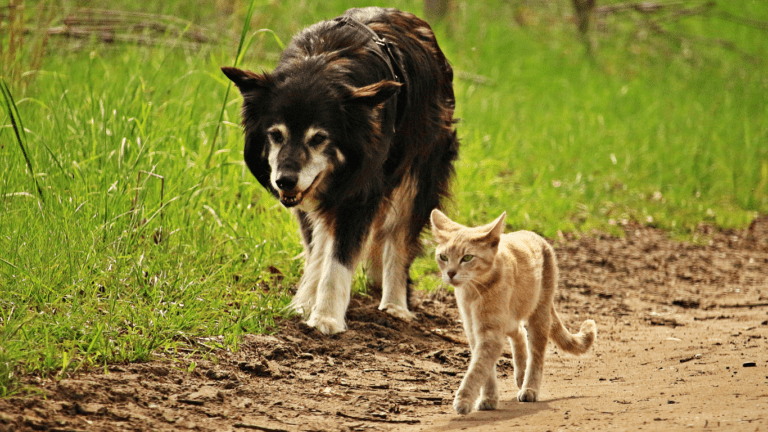
Pet obesity is a significant concern that directly impacts their health and well-being. Addressing this issue requires understanding the underlying causes and associated health risks.

The Causes of Weight Gain

Several factors contribute to weight gain in pets. Overfeeding, poor diet, and lack of exercise are primary causes. Pets consuming high-calorie foods or receiving too many treats often gain weight quickly. Inactivity further exacerbates the problem, especially for indoor pets.

Genetics also play a role. Some breeds, like:

  • Labrador Retrievers 
  • Maine Coons

are more prone to gaining weight. Medical conditions, like hypothyroidism and Cushing’s disease, can lead to weight gain. Regular vet check-ups help identify these issues early.

Health Risks of Excess Weight in Pets

  1. Excess weight in pets leads to severe health issues.
  2. Obese pets are more likely to develop diabetes, as extra fat can impact insulin function.
  3. Arthritis is another common problem; excess weight places additional stress on joints, leading to pain and decreased mobility.
  4. Heart disease is a risk for overweight pets.
  5. Extra fat can cause hypertension and heart strain.
  6. Respiratory issues may arise due to fat deposits around the chest and abdomen, making breathing difficult.
  7. The lifespan of overweight pets often shortens.
  8. Studies indicate that obesity can reduce a pet’s life expectancy by up to two years.

By addressing weight issues early, owners improve their pets’ quality of life and longevity.

Strategies to Promote Healthy Weight

Pet obesity requires active management to ensure overall health and longevity. Addressing dietary habits and physical activity provides the foundation for effective weight management in pets.

Diet Adjustments for Overweight Pets

Pet diet adjustments can significantly impact their weight. Controlled portion sizes prevent overfeeding. Using a measuring cup for each meal, follow the guidelines provided by your veterinarian.

High-protein, low-carb diets maintain muscle mass while reducing fat. Foods rich in fiber promote satiety and reduce hunger between meals, making pets less likely to overeat.

Opt for low-calorie treats to reward your pet without adding excess calories. Consult a veterinary nutritionist for tailored diet plans if your pet has specific needs or health conditions.

The Role of Exercise in Weight Management


Exercise plays a crucial role in managing your pet’s weight. Daily physical activity helps burn calories and maintain muscle tone, preventing excess fat accumulation.

Regular walks and play sessions keep dogs active, while interactive toys and climbing structures provide exercise for cats. Aim for at least 30 minutes of activity daily for dogs and varied interactive play sessions for cats.

Structured exercise routines adapted to your pet’s age, breed, and health ensure safety and effectiveness. Work with your veterinarian to design an optimal exercise plan for your pet’s physical condition and lifestyle.

Professional Interventions

Professional interventions help effectively address pet obesity by providing expert guidance tailored to the pet’s specific needs.

When to Consult a Veterinarian

Consult a veterinarian if a pet shows signs of being overweight or obese. These signs include noticeable weight gain, difficulty in movement, excessive panting, or lethargy. A vet can perform a comprehensive health assessment, identify any underlying medical issues, and provide a baseline for weight management.

The Benefits of Professional Diet Plans

Professional diet plans offer tailored solutions for a pet’s unique nutritional requirements. Veterinary nutritionists create balanced, portion-controlled diets that ensure the pet receives essential nutrients while promoting weight loss.

Customized diet plans help address specific health conditions like diabetes, arthritis, and cardiovascular issues often associated with obesity, enhancing the pet’s overall well-being.

Monitoring Progress and Maintaining Healthy Habits

Effective monitoring of progress and maintaining healthy habits ensures long-term success in managing pet obesity. Consistent tracking, combined with patient reinforcement of healthy routines, plays a critical role.

Tools for Tracking Weight and Fitness

Accurate tools enhance tracking your pet’s weight and fitness levels. Digital scales designed for pets provide precise measurements. Regular weigh-ins reveal weight changes that might need addressing. Pet fitness trackers are helpful for tracking activity levels, such as daily steps or playtime duration.

These devices offer insights into your pet’s daily exercise, ensuring it meets the recommended activity level. Maintaining a log of these metrics helps identify patterns and make necessary adjustments.

The Importance of Consistency and Patience

Consistent and patient approaches lead to the best outcomes. Regular feeding times and controlled portion sizes help stabilize weight. Repetitive exercise routines create healthy habits.

Gradual changes in diet and activity levels prevent stress and discourage negative behavior. Since weight loss in pets is usually slow, patience becomes essential. Recognizing small improvements keeps motivation high.

Consulting with your veterinarian periodically ensures that the chosen strategies remain effective and safe.

 

Importance of Vitamins and Supplements for Pets

Providing essential vitamins and supplements plays a crucial role in a pet’s well-being. It’s vital to understand their specific needs to maintain their health and happiness.

Role in Overall Health

Vitamins and supplements contribute significantly to a pet’s overall health. They support bodily functions, immune responses, and energy levels.

For example, Vitamin A aids vision and immune function, while B vitamins enhance energy metabolism. Omega-3 fatty acids improve skin, coat, and joint health. Supplementing these nutrients ensures pets receive a balanced diet, filling gaps that might exist in regular food.

Common Deficiencies

Common deficiencies in pets often include vitamins A, B, D, and E, as well as minerals like:

  • calcium
  • magnesium

These deficiencies can cause various health issues.

For example, a lack of Vitamin D can lead to weak bones and muscle tremors, while an absence of Vitamin E might result in skin problems and poor immunity.

Recognizing and addressing these deficiencies through appropriate supplements can prevent potential health complications, keeping pets in optimal condition.

By targeting these deficiencies, supplements help enhance a pet’s quality of life, promoting longevity and vitality.

Key Vitamins and Supplements for Different Pets

Understanding the specific vitamins and supplements needed for different pets ensures their optimal health and longevity.

Dogs

Dogs benefit from vitamins and supplements such as:

  1. Vitamin A: Important for healthy skin and coat, as well as vision.
  2. Vitamin B-complex: Supports metabolism and energy production.
  3. Omega-3 Fatty Acids: Helps reduce inflammation and promotes heart health.
  4. Probiotics: Strengthens the digestive system and supports gut health.
  5. Glucosamine and Chondroitin: Alleviates arthritis symptoms and supports joint health.

Cats

Cats require specific vitamins and supplements for health:

  1. Taurine: Essential for heart function, vision, and reproduction.
  2. Vitamin E: Acts as an antioxidant, defending against cellular damage.
  3. Vitamin D: Assists in calcium absorption for strong bones and teeth.
  4. Fish Oil: Provides Omega-3 fatty acids, improving coat condition and reducing inflammation.
  5. L-Lysine: Helps boost the immune system, particularly against upper respiratory infections.

Birds

Birds have unique dietary needs fulfilled through:

  1. Calcium: Essential for bone strength and eggshell formation.
  2. Vitamin A: Crucial for respiratory health and feather condition.
  3. Vitamin D3: Facilitates calcium absorption for overall skeletal health.
  4. Iodine: Supports thyroid function, crucial for metabolic processes.
  5. Vitamin E: Functions as an antioxidant, protecting cells from damage.

Ensuring these vitamins and supplements match the needs of each pet type provides the foundation for their health and well-being.

Choosing the Right Products

Choosing the right products can be daunting, given the countless options available. Personalizing choices for each pet ensures optimal health benefits.

Factors to Consider

Different factors influence the selection process. Firstly, assess each pet’s specific nutritional needs based on species, age, and health conditions. Older pets might need joint support supplements, while younger ones benefit from growth-promoting vitamins.

Secondly, consult a veterinarian before adding any new vitamins. Professionals provide advice tailored to individual pets’ health profiles and help avoid harmful interactions with existing medications.

Thirdly, consider product quality. Look for supplements produced by reputable brands, which typically follow good manufacturing practices (GMP). The National Animal Supplement Council (NASC) seal indicates reliable and safe products.

Lastly, practicality and pet acceptance matter. Select forms that pets can easily consume, such as flavored chews or powders that mix with food. This ensures they get the full benefits without fuss.

Reading Labels and Understanding Dosages

Reading labels aids in identifying the right supplements. Check active ingredients, and ensure they match the nutritional needs discussed with the veterinarian. Ingredients listed first are the most concentrated, revealing formula priorities.

Dosage understanding is crucial to avoid underdosing or overdosing. Labels should provide clear dosage instructions based on weight or size. Cross-check these doses with veterinarian recommendations. Incorrect dosages can lead to ineffective or harmful results.

Additionally, review the product’s expiration date to ensure freshness and efficacy. Expired supplements may lose potency or become unsafe. Being cautious prevents potential risks associated with outdated products.

Proper research and guidance lead to informed decisions, enhancing pets’ lives through tailored nutritional support.

Safety and Risks of Supplements

Ensuring the safety of supplements for pets is crucial. While supplements can offer benefits, they can also pose risks if not administered correctly.

Potential Side Effects

Supplements can cause side effects in pets. Some might show allergic reactions, including itching, swelling, and digestive issues like vomiting.

Excessive vitamin intake may lead to toxicity. For instance, too much Vitamin A can result in bone and joint pain in dogs. Monitoring pets for any adverse reactions after introducing a new supplement helps ensure their safety.

Interaction with Other Medications

Supplements can interact with existing medications pets take. For example, mixing Vitamin K with blood thinners can affect blood clotting.

It’s essential to consult a veterinarian before combining supplements with medications. Adjusting dosages or switching supplements might be necessary to avoid harmful interactions and preserve pet health.


Understanding the Nutritional Needs of Senior Pets

Recognizing the distinct nutritional requirements of senior pets boosts their overall well-being. I’ll explore why tailored diets and awareness of common age-related health issues are crucial.

Importance of Tailored Diets

Different nutrients impact health significantly. Proteins support muscle maintenance. Older pets benefit from easily digestible proteins, like chicken or fish.

Vitamins and minerals aid in overall health, reducing the risk of deficiencies. Omega-3 fatty acids, for instance, improve joint health and reduce inflammation.

Fiber helps with digestion and maintains healthy body weight, essential for senior pets with sensitive digestive systems. A tailored diet includes the precise balance of these nutrients, catering to the specific needs of aging pets.

Common Age-Related Health Issues in Pets

  1. Senior pets often face health issues that impact their diet.
  2. Arthritis, for example, limits mobility, requiring diets rich in anti-inflammatory ingredients.
  3. Dental issues, such as periodontal disease, make chewing painful, necessitating soft or specially formulated dry food.
  4. Cognitive decline affects appetite, mandating diets with brain-supportive nutrients like antioxidants.
  5. Chronic illnesses, including diabetes and kidney disease, require specific dietary adjustments.

Understanding these common issues allows me to select appropriate food, promoting longevity and quality of life.

Choosing the Right Food for Your Senior Pet

Selecting the right food greatly impacts the health of senior pets. It’s crucial to understand their unique dietary needs.

Dry vs. Wet Food Considerations

Both dry and wet foods have benefits and drawbacks. Dry food may help maintain dental health by reducing plaque buildup due to chewing. However, wet food can be more palatable and provide extra moisture, which is essential for pets that might not drink enough water. Choosing between them depends on your pet’s preferences, health conditions, and dietary requirements.

Critical Ingredients for Aging Pets

Certain nutrients support the health of senior pets. High-quality proteins are key for maintaining muscle mass. Omega-3 fatty acids help reduce inflammation and improve joint health.

Fiber aids in digestion and maintains a healthy weight. Vitamins and minerals ensure overall vitality. Always check the ingredient list to ensure the food includes these essential nutrients.

Supplements and Additives for Enhanced Health

Providing the right supplements and additives can significantly enhance your senior pet’s health. Let’s explore some targeted options for specific needs.

Joint Supplements

Joint supplements play a crucial role in maintaining mobility and reducing discomfort in aging pets. Glucosamine and chondroitin are top supplements for joint health.

These compounds support cartilage repair and reduce inflammation. MSM (methylsulfonylmethane) offers additional benefits by alleviating pain and enhancing joint flexibility.

For pets with severe joint problems, supplements containing collagen can be beneficial, aiding in overall joint structure. Always consult a vet before introducing new supplements to ensure safety and efficacy.


Cognitive and Digestive Enhancements

Cognitive decline and digestive issues are common in senior pets. Antioxidants like vitamins E and C, along with omega-3 fatty acids, support brain health and slow cognitive decline.

These nutrients protect brain cells and enhance cognitive function. Adding probiotics to your pet’s diet improves gut health by promoting a balanced intestinal flora, which aids in digestion and nutrient absorption.

Prebiotics, like inulin, further support digestive health by feeding beneficial bacteria. For optimal results, consult a vet to tailor these supplements to your pet’s specific needs.

Feeding Schedules and Portion Control

Establishing a consistent feeding schedule and controlling portion sizes are essential for maintaining your senior pet’s optimal health.

Adjusting Meal Times and Quantities

Feeding senior pets at regular intervals helps regulate their metabolism. Smaller, more frequent meals can prevent overeating and aid digestion.

If your pet exhibits reduced activity levels, adjust portion sizes to avoid weight gain. For example, feed an adult cat two to four small meals daily, depending on its caloric needs and activity level.

Monitoring Weight and Health

Regular monitoring of your pet’s weight ensures they stay within a healthy range. Weigh your pet monthly to track changes, and consult your vet if you notice significant fluctuations.

Regular vet check-ups can help detect early signs of health issues and make dietary adjustments as needed. For instance, a senior dog with a tendency to gain weight might benefit from a low-calorie diet and increased physical activity.

The Role of Regular Veterinary Check-Ups

Regular veterinary check-ups significantly contribute to a senior pet’s health. They ensure early detection of potential issues and allow for timely dietary adjustments.

Importance of Regular Health Assessments

Periodic health assessments help monitor your pet’s overall well-being. Vets can detect age-related problems like arthritis or cognitive decline in their early stages.

Blood tests, physical exams, and diagnostic imaging provide insights into underlying conditions that might require changes in diet or treatment plans. For example, a vet might notice subtle signs of kidney issues, prompting a shift to kidney-supportive food.

Understanding Veterinary Dietary Recommendations

Veterinary dietary recommendations offer tailored advice for your senior pet. Vets consider such as:

  • health conditions
  • weight
  • nutritional needs

They may suggest specific diets enriched with omega-3 fatty acids for joint health or high-fiber foods to prevent obesity. These recommendations ensure your pet receives balanced nutrition that addresses their unique health challenges, promoting optimal health and longevity.


Understanding the Need for a Diet Change

Pets may require a diet change due to various health or lifestyle factors. Identifying the key reasons will help ensure your pet’s wellbeing.

Identifying Signs That Your Pet Needs a New Diet

Pets show signs indicating a need for a diet change. Unexplained weight gain or loss often points to nutritional imbalances. Chronic digestive issues, such as diarrhea or constipation, can signal that the current diet isn’t suitable.

Noticeable changes in energy levels or coat condition also serve as red flags. For example, a dull coat might indicate a lack of essential nutrients.

Consultation With a Veterinarian

Consulting a veterinarian is crucial before making any changes. Veterinarians conduct thorough assessments to determine the most suitable diet, considering factors like:

  • age
  • breed
  • health conditions

They can recommend specific foods or brands tailored to meet your pet’s needs. Receiving professional advice helps avoid potential health risks and ensures a smooth transition.

Preparing for the Dietary Transition

Understanding the process of transitioning your pet to a new diet is critical for their health. Let’s explore how to choose the right diet and set an effective transition schedule.

Choosing the Right Diet for Your Pet

Selecting the appropriate diet involves considering your pet’s specific needs and preferences. Veterinarians can offer guidance based on your pet’s age, breed, and health conditions.

Look for high-quality pet food that lists meat as the first ingredient, and avoid products with fillers like corn or soy. Check for any special dietary requirements such as grain-free or hypoallergenic options.

Experiment with small samples to see how your pet reacts before committing to a full bag.

Setting a Transition Schedule

Transitioning should happen gradually to avoid digestive issues. Start by mixing 25% of the new food with 75% of the old food for 3 days. Increase to a 50/50 mix for the next 3 days, then to 75% new food with 25% old food for another 3 days.

Finally, offer 100% of the new diet. Monitor your pet’s stool and behavior for any signs of distress, adjusting the pace if necessary.

Implementing the Diet Change

Transitioning your pet’s diet requires a structured approach to ensure their health and well-being. This section outlines the steps to follow during the diet change process.

Introducing New Foods Gradually

Introduce the new food by mixing it with your pet’s current food. Start with a small portion, such as 25% new food and 75% old food. Over the next 7-10 days, gradually increase the new food while decreasing the old food.

This method minimizes digestive issues. By the end of the period, your pet should be consuming 100% new food. Maintain consistency to help them adapt smoothly.

Monitoring Your Pet’s Reaction to the New Diet

Monitor your pet’s reaction to the new diet closely. Look for signs like changes in stool consistency, appetite, and energy levels. If adverse reactions such as vomiting or diarrhea occur, consult your veterinarian immediately.

Keep an eye on their coat condition and weight too. Documenting these observations helps identify potential issues early and ensures your pet thrives on the new diet.

Maintaining the New Diet

Ensuring your pet continues to thrive on their new diet involves consistent monitoring and adjustments based on their health and lifestyle.

Tips for Long-term Diet Success

  1. Observe Routine: Keep feeding schedules consistent to maintain your pet’s digestive health and well-being. Regular timing helps establish a stable routine for your pet.
  2. Use Quality Ingredients: Opt for pet foods with high-quality ingredients that meet their nutritional needs. Look for certifications or recommendations from reputable sources.
  3. Monitor Health Indicators: Regularly check your pet’s stool consistency, energy levels, coat condition, and weight. These indicators provide insights into how well they’re adapting to the new diet.
  4. Consult a Vet: Schedule periodic check-ups with your veterinarian to assess your pet’s health and make necessary dietary adjustments. Veterinary guidance ensures the diet remains suitable over time.
  5. Avoid Overfeeding: Follow feeding guidelines to prevent obesity and its associated health problems. Measure portions accurately and adjust as advised by your vet.

When to Reevaluate Your Pet’s Dietary Needs

  1. Behavioral Changes: Notice any significant changes in behavior, such as reduced activity or increased irritability. These may indicate a need to reassess their diet.
  2. Health Conditions: Changes due to age, weight, or medical conditions might necessitate a dietary adjustment. For example, aging pets may require diets with specific nutrients.
  3. Veterinary Advice: Pay attention to your veterinarian’s recommendations based on regular health check-ups. Professional advice helps in tailoring the diet to current health needs.
  4. Performance Issues: If your pet shows signs of lethargy, poor coat condition, or weight changes, reevaluating their diet could provide solutions. Altering the diet might enhance overall health.

By maintaining vigilant observation and remaining flexible in dietary adjustments, your pet can continue to enjoy a healthy, balanced life.

 

Understanding a Balanced Diet for Pets

Understanding what makes up a balanced diet for pets requires knowledge of their specific nutritional needs. This section breaks down essential nutrients and correct serving sizes for dogs and cats.

Essential Nutrients for Dogs and Cats

Pets depend on various nutrients for optimal health. Dogs need proteins, carbohydrates, fats, vitamins, minerals, and water. Chicken, beef, and fish provide high-quality proteins, while oatmeal and brown rice offer necessary carbohydrates.

Fats from sources like fish oil support skin health. Vitamins A, D, and E, and minerals like calcium and phosphorus, play vital roles in their well-being.

Cats, being obligate carnivores, require more proteins and fats. Meat-based proteins such as:

  • poultry
  • fish
  • liver

are crucial. Taurine, an amino acid, is essential for heart and eye health.

Omega-3 and omega-6 fatty acids found in fish oil are important too. Vitamin A and niacin are also necessary since cats can’t synthesize them efficiently.

Importance of Proportions and Serving Sizes

Feeding the right proportions of nutrients ensures pets stay healthy. Incorrect serving sizes can lead to obesity or malnutrition. Use body weight and activity level to determine appropriate portions.

For instance, an active 50-pound dog typically needs 1,200-1,400 calories a day, while a less active one might need 900-1,000 calories.

Cats’ dietary needs differ. An average 10-pound indoor cat requires around 200-220 calories daily. Adjustments might be necessary based on age, health status, and activity.

Portion sizes in terms of cup measurements help maintain consistency. Using feeding guidelines on pet food labels provides a useful starting point.

Choosing the Right Pet Food

Selecting the best food for your pet is vital for their health and well-being. It’s essential to evaluate both commercial options and homemade meals.

Evaluating Commercial Pet Foods

Read labels carefully on commercial pet foods. Look for the first ingredient, as it often indicates the primary protein source. Avoid products with high amounts of fillers like corn or soy.


Ensure the food meets AAFCO standards, which confirm balanced nutrition. Choose brands that offer specific formulations for your pet’s age, size, and health needs.

Check for recalls regularly. Even reputable brands face recalls. Look up customer reviews and consult your veterinarian before making a decision. Some high-quality brands include Royal Canin, Hill’s Science Diet, and Orijen.

Benefits of Homemade Pet Meals

Homemade pet meals allow control over ingredient quality and portions. Fresh ingredients provide better nutrient absorption than processed foods. Tailor recipes to address specific health conditions, such as low-fat diets for pancreatitis or high-protein meals for active pets.

Use balanced recipes from reputable sources like veterinary nutritionists. Include essential nutrients like calcium and taurine to prevent deficiencies. Regularly review your homemade meal plans with your veterinarian to ensure all nutritional needs are met.

Special Dietary Considerations

Pets often have specific dietary requirements. Understanding these needs helps maintain their health and well-being.

Age-Specific Diet Needs

Pets’ nutritional needs change as they age. Puppies and kittens require higher protein and fat levels to support growth. They also need specific minerals like calcium and phosphorus for bone development. For instance, Hill’s Science Diet Puppy provides balanced nutrition tailored for young pets.

Adult pets need fewer calories and moderately higher protein. These diets maintain muscle mass without promoting weight gain. A brand like Royal Canin Adult meets these requirements.

Senior pets need fewer calories but higher fiber. Fiber aids digestion and prevents obesity. Orijen Senior is an excellent option, offering both high-quality proteins and fiber.

Managing Dietary Health Conditions

  1. Certain health conditions necessitate specialized diets. Diabetic pets benefit from low-carb, high-protein diets. Blue Buffalo Wilderness offers suitable options for managing diabetes through controlled ingredients.
  2. Pets with kidney disease need low-phosphorus and low-protein diets. Hill’s Prescription Diet  helps manage kidney health effectively. Additionally, adding Omega-3 fatty acids assists in reducing inflammation.
  3. Allergic pets require hypoallergenic diets to prevent skin issues and digestive problems. Brands like Royal Canin Veterinary Diet offer hydrolyzed protein formulas, which reduce allergenic potential.
  4. Weight management is crucial for obese pets. Low-calorie, high-fiber diets aid in weight loss. Hill’s Metabolic + Mobility supports weight reduction while promoting joint health.

By understanding these specific dietary needs, you can ensure optimal health and longevity for your pets.

Tips for Transitioning to a New Diet

Smooth transitions to a new diet can mitigate the risk of digestive issues and ensure your pet’s acceptance of different foods.

Introducing New Foods Gradually

Introduce new foods gradually to avoid upsetting your pet’s stomach. Start by mixing a small amount of the new food with the current diet.

Over a week, increase the proportion of new food and decrease the old one. For example, begin with 75% old food and 25% new food, shifting to a 50/50 mix by mid-week and then 75% new food by the week’s end. Gradual changes help pets adjust without experiencing significant digestive upset.

Monitoring Your Pet’s Reaction to Diet Changes

Monitor your pet’s reaction to diet changes to ensure the new food meets their health needs. Observe signs like changes in appetite, stool consistency, energy levels, and coat condition.

For instance, if their stool becomes loose or they show lethargy, it might indicate the new diet doesn’t suit them. Consult your vet if you notice adverse reactions, as they may recommend adjustments or alternative diets to meet your pet’s specific needs.


Understanding Pet Nutrition Basics

Proper nutrition is critical for pets to live healthy lives. It’s important to know the fundamentals of pet nutrition to make the best food choices.

Essential Nutrients for Pets

  1. Pets need a balanced diet that includes proteins, fats, carbohydrates, vitamins, and minerals.
  2. Proteins support muscle growth and repair; good sources include chicken, beef, and fish.
  3. Fats provide energy and aid in nutrient absorption; look for omega-3 and omega-6 fatty acids.
  4. Carbohydrates offer energy and support digestive health; examples are grains, vegetables, and fruits.
  5. Vitamins and minerals are crucial for various bodily functions.
  6. Ensure the pet food includes essential vitamins like A, B, C, D, E, and K and minerals like calcium, phosphorus, and zinc.

Reading Pet Food Labels

Understanding pet food labels helps in selecting high-quality products. Check the ingredient list for whole foods and avoid items with excessive fillers or by-products.

Pay attention to the guaranteed analysis, which shows the percentages of protein, fat, fiber, and moisture. Look for an AAFCO statement indicating that the food meets the nutritional standards for the pet’s life stage.

Ingredients should be listed in descending order by weight, with the primary component appearing first.

Factors to Consider When Choosing Pet Food

Selecting the right pet food involves several crucial factors to ensure your pet’s health and longevity. Each pet’s dietary needs differ based on various conditions.

Age and Life Stage Specific Needs

Pet age and life stage affect nutritional requirements. Puppies and kittens need higher protein levels for growth and development.

Adult pets maintain energy levels with balanced nutrition, while senior pets benefit from formulations supporting joint health and digestion.

For example, puppy food includes higher protein and fat than adult dog food, emphasizing calorie-dense ingredients to support rapid growth phases.

Health Issues and Special Diets

Address health issues and special diets with tailored food options. Pets with allergies need hypoallergenic diets that exclude common allergens like chicken or beef.

Those with obesity issues thrive on weight management formulas high in fiber and low in calories. For instance, grain-free versions cater to pets with grain sensitivities, providing alternative carbohydrate sources like sweet potatoes or peas to avoid triggering allergies.

Types of Pet Food Available

Different pet food types cater to various needs and preferences. Understanding the options helps in making the best choice for your pet.

Dry vs. Wet Pet Food

Dry food, also known as kibble, offers several benefits. It has a longer shelf life, is often more cost-effective, and may help in maintaining dental health by reducing plaque. Kibble is convenient for free-feeding, though some pets might prefer wet food for its moisture content and palatability.

Wet food, or canned food, contains higher moisture content, making it suitable for pets needing additional hydration. Wet food often has fewer carbohydrates, higher protein levels, and may be more digestible. It’s especially beneficial for pets with certain health conditions, like urinary tract issues or kidney disease.

Organic and Special Formula Options

Organic pet food is produced without synthetic pesticides, fertilizers, or genetically modified organisms (GMOs). It usually contains higher quality ingredients and may exclude artificial preservatives, colors, and flavors.

While organic food can be more expensive, it offers peace of mind for pet owners concerned about chemical exposure.

Special formula options cater to pets with specific dietary needs. These include hypoallergenic formulas for pets with food sensitivities, weight control formulas for managing obesity, and prescription diets for pets with health conditions such as:

  • diabetes 
  • kidney disease

Selecting the right formula requires understanding your pet’s unique health challenges and consulting with a veterinarian.

Where to Buy Quality Pet Food

Finding quality pet food involves considering various purchasing options to ensure the best for your pet. Here’s a breakdown of where to buy pet food and how to assess brands effectively.

Online Retailers vs. Local Stores

Both online retailers and local stores offer advantages. Online retailers, like Chewy and Amazon, provide convenience. They typically have a wide selection of products, including specialized diets.

Many offer subscription services, so you’ll never run out of your pet’s favorite food. Additionally, reviews from other pet owners can guide your choice.

Local stores, such as Petco and independent pet shops, offer the benefit of personalized service. Staff members often provide tailored advice based on their knowledge. You can immediately inspect the packaging and check expiration dates. Shopping locally supports community businesses.

Evaluating Brand Reputation

Choosing a reputable brand is crucial for your pet’s health. Look for brands that have undergone feeding trials by the Association of American Feed Control Officials (AAFCO). Reputable brands, such as Royal Canin and Hill’s Science Diet, often feature clear ingredient lists and nutritional information.

Check for recall histories. Brands with frequent recalls might indicate inconsistent quality. Also, research the company’s manufacturing practices. Companies with stringent quality controls tend to produce better products.

Reading reviews can provide insight into other pet owners’ experiences. Veterinarian recommendations also carry weight; consult your vet for brand suggestions tailored to your pet’s needs.


Understanding the Basics of Homemade Pet Food

Creating homemade pet food offers many advantages, from better control over ingredients to tailored nutrition.

Benefits of Homemade Meals for Pets

Homemade pet food allows precise ingredient selection, ensuring only high-quality and nutritious components. Processed pet food often contains preservatives and fillers, whereas homemade options avoid these additives.

Fresh, whole foods can enhance pets’ energy levels and skin health. Additionally, customizing meals helps address specific dietary needs or allergies that commercial foods might not meet. Pet owners often report improved digestion and shinier coats in their pets.

Essential Nutrients and Ingredients

Effective pet nutrition relies on a balanced diet comprising proteins, fats, carbohydrates, vitamins, and minerals. Proteins from sources like chicken or beef provide essential amino acids.

Fats, found in fish oil or flaxseed, support a healthy coat and skin. Carbohydrates such as rice or sweet potatoes offer energy. Including a variety of vegetables like carrots or peas ensures vitamin and mineral intake.

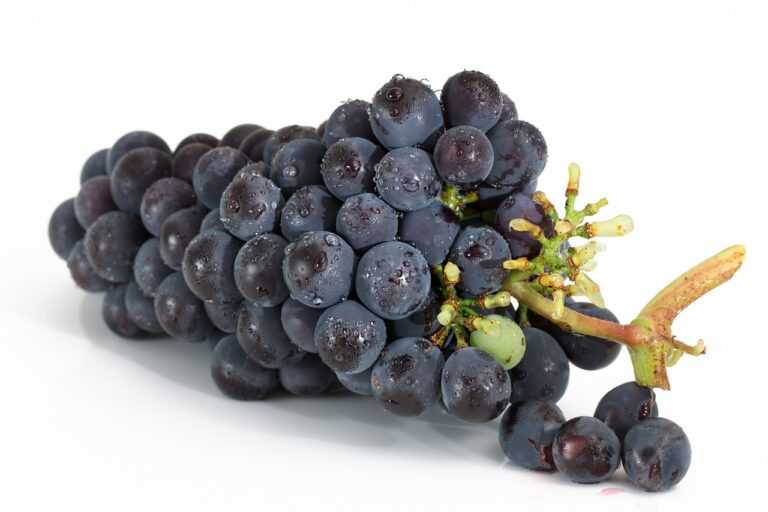
While crafting meals, ensuring the right calcium-phosphorus ratio is crucial for bone health. Always avoid toxic foods like chocolate, onions, or grapes.

Choosing the Right Recipes for Your Pet

Selecting the right homemade pet food recipes is crucial for ensuring balanced nutrition and meeting specific dietary needs.

Considerations for Dogs

Dogs require a diet rich in protein and moderate in fats. Proteins support muscle development, while fats provide energy. Suitable protein sources include chicken, beef, and fish. Dogs also benefit from carbohydrates like rice or sweet potatoes.

Include vegetables like carrots, peas, and spinach for essential vitamins and fiber. Ensure a balanced calcium to phosphorus ratio. Avoid toxic foods like chocolate, onions, and grapes.

Considerations for Cats

Cats need a high-protein diet as obligate carnivores. Beef, chicken, and fish are optimal protein sources. Include taurine, an essential amino acid found in meat. Cats benefit from moderate fats for energy and skin health.

Incorporate small amounts of carbohydrates such as rice. Vegetables like pumpkin and carrots offer fiber but should be minimal. Avoid onions, garlic, and chocolate due to their toxicity to cats.

How to Get Started with Homemade Pet Food

Crafting homemade pet food can enhance your pet’s nutrition and wellness. Setting up your kitchen and trying simple starter recipes are essential steps to begin this journey.

Setting Up Your Kitchen

Ensure you have the right equipment for making pet food. Start with:

  1. Cutting Boards: Use separate cutting boards for meat and vegetables to prevent cross-contamination.
  2. Knives: Have sharp kitchen knives for efficient chopping.
  3. Blender or Food Processor: These tools help puree ingredients, especially for cats who may need finer textures.
  4. Storage Containers: Use airtight containers to store prepared food in the refrigerator or freezer.
  5. Measuring Cups and Spoons: Accurate measurements ensure balanced nutrition.

A clean, organized kitchen improves efficiency and safety when preparing your own pet food.

Simple Starter Recipes

Transitioning to homemade pet food is easier with simple recipes. Here are two beginner-friendly examples for dogs and cats:

  1. Dog Recipe: Chicken and Rice
    Combine 1 cup of cooked chicken breast with 1/2 cup of cooked brown rice and 1/2 cup of mixed vegetables (carrots, peas). Ensure ingredients are cooked thoroughly and mixed well.
  2. Cat Recipe: Fish and Egg
    Mix 1/2 cup of cooked, boneless fish (salmon or mackerel) with one boiled egg (mashed). Add 1-2 teaspoons of fish oil for enhanced flavor and nutrition.

These recipes help provide balanced meals while allowing for easy preparation.

Addressing Common Concerns

When considering homemade pet food, several common concerns arise. I’ll address these to ensure a smooth transition into homemade meals for pets.

Handling Allergies and Sensitivities

Identifying pet allergies and sensitivities is essential before altering their diet. Common allergens include beef, dairy, wheat, and soy.

Observing any adverse reactions like itching, digestive issues, or lethargy when introducing new ingredients helps identify problematic foods.

Once identified, avoid these ingredients and opt for alternatives like lamb, rice, or potatoes. Consulting with a veterinarian strengthens confidence in managing pet allergies effectively.

Ensuring Balanced Nutrition

Balanced nutrition is crucial for pets’ well-being. Homemade recipes should cover all essential nutrients: proteins (chicken, beef), fats (fish oil, flaxseed), carbohydrates (rice, sweet potatoes), vitamins, and minerals.

Using supplements may be necessary to fill any gaps. Feeding trials and regular vet check-ups confirm the adequacy of the diet. Testing and adjusting recipes guarantee pets receive a nutritionally complete and balanced diet.


Understanding Common Pet Food Allergies

Food allergies in pets can cause various health issues, such as itching and digestive problems. Knowing the common allergenic ingredients and their symptoms helps maintain your pet’s health.

Identifying Allergenic Ingredients

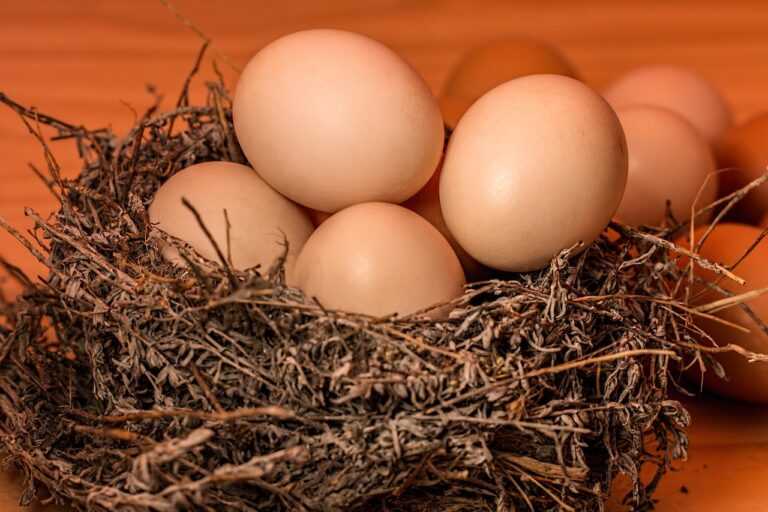
Certain ingredients often trigger food allergies in pets. Beef, dairy, wheat, chicken, eggs, and soy are common culprits. For example, high levels of beef in diets frequently result in allergic reactions.

Processed foods with hidden preservatives and additives also prompt allergies. Reading labels carefully and opting for hypoallergenic foods reduces the risk.

Signs and Symptoms of Food Allergies in Pets

  1. Recognizing allergy symptoms ensures timely intervention.
  2. Common signs include itching, redness, and hair loss. Pets may also experience digestive issues like vomiting or diarrhea.
  3. Skin rashes and ear infections often indicate food allergies as well.
  4. If symptoms persist, consulting a veterinarian for allergy testing identifies specific allergens effectively.

Managing and Treating Pet Food Allergies

Managing pet food allergies involves precise steps to identify and eliminate allergens from pets’ diets. It’s crucial to consult a veterinarian for accurate diagnosis and effective treatment plans.

Veterinary Diagnostics and Allergy Tests

Veterinarians use diagnostic tools to identify food allergies in pets. Blood tests, elimination diets, and intradermal skin tests are common methods.

Blood tests measure specific antibodies in a pet’s blood, indicating an allergic reaction. Elimination diets, meanwhile, involve feeding pets a novel protein or hydrolyzed diet for 8-12 weeks.

If symptoms improve, owners reintroduce suspected allergens gradually to identify triggers. Intradermal skin tests, although less common for food allergies, can also help diagnose allergic reactions to specific foods.

Dietary Adjustments and Alternative Foods

Making dietary adjustments is essential when managing pet food allergies. Owners must eliminate identified allergens completely from pets’ diets. Switching to hypoallergenic or limited ingredient diets can minimize allergic reactions.

Novel protein diets, which include uncommon proteins like duck or venison, are effective alternatives. Additionally, hydrolyzed diets, in which proteins are broken down into smaller components, can prevent immune reactions.

Regularly reading labels and consulting with veterinarians ensures pets receive safe and balanced nutrition.

Preventive Measures for Pet Food Allergies

Taking preventive measures can significantly reduce the risk of your pet developing food allergies. Incorporate these strategies into your pet care routine to ensure optimal health.

Choosing the Right Diet for Your Pet

Selecting the appropriate diet is fundamental in preventing food allergies. Focus on high-quality pet foods that list specific protein sources like “chicken” or “beef”.

Avoid foods with vague terms such as:

  • meat by-products
  • animal digest

It’s critical to check for common allergens, including beef, dairy, wheat, chicken, eggs, and soy.

Opt to feed your pet hypoallergenic diets or limited ingredient diets containing novel proteins like duck or venison. By choosing the right diet, you minimize exposure to potential allergens.

Importance of Regular Veterinary Check-Ups

Regular veterinary check-ups are essential in preventing and managing pet food allergies. Schedule annual or bi-annual visits to monitor your pet’s health and detect early signs of allergies.

Veterinarians offer advice on the best diets and may recommend allergy testing if your pet shows symptoms like itching or digestive issues. Frequent consultations ensure you receive professional guidance on safe food choices, helping to maintain your pet’s overall well-being.


Benefits of Indoor Exercise for Pets

Keeping pets active indoors isn’t just a practical solution for unfavorable weather. It’s also essential for their overall well-being.

Physical Health Benefits

Indoor exercise helps pets maintain a healthy weight, reducing the risk of obesity-related diseases.

Activities like:

  • fetch
  • hide 
  • seek
  • using interactive toys keep pets moving

These exercises strengthen muscles, improving joint mobility. Regular physical activity indoors also supports cardiovascular health, helping pets avoid conditions like heart disease.

Mental Health Benefits

Engaging pets in indoor activities stimulates their minds, preventing boredom. Cognitive toys, puzzle feeders, and simple training sessions keep their brains active.

Indoor games sharpen their problem-solving skills. Mentally stimulated pets exhibit fewer behavioral issues, such as excessive barking or destructive chewing. Involving pets in diverse indoor activities fosters a strong bond, enhancing their emotional well-being.

Types of Pets and Specific Indoor Exercises

Choosing the right indoor exercises for pets is crucial to catering to their unique needs. Different pets require distinct types of activities to stay healthy and happy.

Dogs

Dogs benefit from various indoor exercises tailored to their size and energy levels. Tug-of-war with a sturdy rope, fetch using soft toys, and agility drills around furniture help keep dogs engaged.

Puzzle toys containing treats stimulate their minds while providing physical activity. Small dogs can enjoy interactive games like hide-and-seek to burn off energy.

Cats

Cats thrive on activities that tap into their natural hunting instincts. Use laser pointers or feather wands to encourage them to chase and pounce.

Vertical spaces like cat trees or shelves allow cats to climb, which exercises their muscles and improves balance. Interactive toys loaded with treats or kibble keep cats entertained and mentally sharp. Scratch posts and tunnels offer additional physical stimulation.

Small Animals

Small animals like hamsters, rabbits, and guinea pigs also require specific exercises. Hamsters benefit from running wheels and mazes.

Rabbits enjoy exploring obstacle courses made from household items, encouraging them to hop and stretch. Guinea pigs appreciate tunnels and hiding spots to burrow and scamper. Providing varied activities ensures these pets remain active and stimulated indoors.

Essential Equipment for Indoor Pet Exercises

Equipping your home with the right tools ensures your pets stay active and mentally engaged. Let’s explore some crucial items for effective indoor exercise.

Toys and Accessories

Toys give pets the necessary stimulation to stay entertained. For dogs, interactive toys like treat-dispensing balls encourage mental and physical activity.

Cats prefer feather wands and laser pointers, which tap into their hunting instincts. Small animals like hamsters benefit from running wheels and chew toys. Additionally, providing a variety of toys prevents boredom and keeps pets engaged longer.

Space Considerations

Having ample space maximizes the effectiveness of indoor exercises. Clear a designated area where pets can move freely. For dogs, consider using hallways or basements for activities like fetch or agility drills.

Cats need vertical space, so set up climbing trees or shelves to promote jumping and climbing. Small animals need secure enclosures with enough room for obstacle courses. Allocating proper space ensures pets can exercise safely and efficiently indoors.

How to Motivate Your Pet to Exercise

Indoor activities are crucial for pets’ well-being. Motivating them involves creating routines and using treats.

Creating a Routine

Consistency forms the foundation of effective pet exercise routines. Establish regular times for activity, ensuring your pet knows when to expect exercise.

Morning and evening sessions work well, allowing pets to expend energy during peak times. Use engaging activities like fetch for dogs, laser pointer for cats, or tunnels for small animals, ensuring the sessions are fun and stimulating.

Using Treats and Rewards

Positive reinforcement makes exercise enjoyable for pets. Use favorite treats to reward active behavior. For dogs, small training treats work best for frequent rewards.

Cats respond well to treats like freeze-dried fish or toys infused with catnip. For small animals, fresh vegetables offer healthy incentives. Give treats immediately after desired activity to reinforce the connection between exercise and reward.

Safety Tips for Indoor Exercises

Ensuring the safety of your pet during indoor exercises is crucial. Follow these guidelines to avoid injuries and monitor your pet’s activity effectively.

Avoiding Injuries

Place mats, carpets, or rubber flooring in play areas to prevent slipping, especially for larger dogs prone to joint issues. Choose soft toys without sharp edges to avoid cuts and bruises.

Supervise pets while they’re using exercise equipment like treadmills and wheels to prevent accidents. Limit high-impact activities like jumping off furniture to minimize stress on joints. Should your pet show signs of pain or discomfort, consult a veterinarian immediately.

Monitoring Your Pet’s Activity

Track the duration of each play session to ensure your pet gets the right amount of exercise without overexertion. Use activity monitors, available for both dogs and cats, to measure activity levels accurately.

Observe for signs of fatigue, like excessive panting or reluctance to continue playing, and give your pet plenty of rest if these appear. Keep an eye on your pet’s weight and adjust exercise routines if they gain or lose weight too quickly.

Ensuring Hydration

Provide fresh water during breaks to keep your pet hydrated, especially after intense play sessions. Place water bowls in accessible locations to encourage regular drinking.

If your pet seems overheated, offer cool water and a comfortable resting area to help them recover. Consider using pet-safe water fountains to maintain a continuous supply of fresh water.

Creating a Safe Environment

  1. Clear the exercise area of any hazards like small objects, toxic plants, or unstable furniture.
  2. Use baby gates or pet barriers to restrict access to unsafe areas.
  3. Ensure windows and balconies are secured to prevent accidental falls.
  4. Regularly inspect toys and equipment for wear and tear, replacing anything that poses a risk.
  5. Applying these safety tips makes indoor exercises fun and risk-free for your pet.


Understanding Pet Nutrition

Understanding pet nutrition is crucial to ensure that pets receive the right balance of nutrients to maintain their health and well-being. Proper knowledge helps in making informed decisions when selecting their food.

Key Nutrients for Dogs and Cats

Dogs and cats need various nutrients to stay healthy. Proteins, fats, carbohydrates, vitamins, and minerals are essential components of their diet:

  1. Proteins: Proteins provide amino acids necessary for growth and repair. Chicken, beef, and fish are common protein sources.
  2. Fats: Fats supply energy and support cell function. Omega-3 and Omega-6 fatty acids found in fish oil and flaxseed improve skin and coat health.
  3. Carbohydrates: Carbohydrates offer a quick energy source. Brown rice, sweet potatoes, and peas are good examples.
  4. Vitamins: Vitamins support metabolic functions and immune health. Vitamin A, D, E, and K serve various roles in body processes.
  5. Minerals: Minerals like calcium and phosphorus strengthen bones and teeth. Iron and zinc aid in cellular function and immune response.

Importance of Water in Pets’ Diets

Water is vital for all living beings, including pets. It supports digestion, nutrient absorption, and waste elimination. Minimum daily water intake should be:

  1. Dogs: Dogs generally need about 1 ounce of water per pound of body weight daily. Increased activity levels or hot weather may raise this need.
  2. Cats: Cats often drink less water than dogs. Wet food can assist in maintaining their hydration. They typically need around 3.5 to 4.5 ounces of water daily, varying by weight and activity.

Ensuring fresh, clean water is available at all times helps pets stay hydrated and healthy.

Foods to Avoid Feeding Your Pets

Certain foods can seriously harm pets. Both dogs and cats have specific dietary restrictions that owners must be aware of to prevent potential health issues.

Toxic Foods for Dogs

Some foods are extremely dangerous for dogs.

Chocolate contains theobromine, which dogs can’t metabolize, leading to vomiting, diarrhea, and even heart issues.

Grapes and raisins can cause acute kidney failure, though the exact substance causing this reaction is unknown.

Onions and garlic destroy red blood cells, resulting in anemia.

Fatty foods like bacon, ham, and fried foods can trigger pancreatitis.

Avocado contains persin, which is toxic to dogs and can cause vomiting and diarrhea.

Here’s a concise table highlighting these foods:

Food Harmful Component Potential Effects
Chocolate Theobromine Vomiting, diarrhea, heart issues
Grapes/Raisins Unknown Acute kidney failure
Onions/Garlic Thiosulfate Anemia
Bacon/Ham High Fat Pancreatitis
Avocado Persin Vomiting, diarrhea

Toxic Foods for Cats

Like dogs, cats have their risks with certain foods. Onions, garlic, and chives can damage red blood cells and cause gastrointestinal upset. Raw eggs might lead to salmonella or E. coli infection. Chocolate and caffeine contain methylxanthines, causing vomiting, tremors, and seizures. Alcohol severely impacts their liver and brain, even in small amounts. Bones, particularly cooked ones, can splinter and cause obstructions or lacerations in the digestive tract.

Here’s a table summarizing the harmful foods for cats:

Food Harmful Component Potential Effects
Onions/Garlic Thiosulfate Anemia, gastrointestinal distress
Raw Eggs Pathogens (Salmonella, E. coli) Infection
Chocolate Methylxanthines Vomiting, tremors, seizures
Caffeine Methylxanthines Vomiting, tremors, seizures
Alcohol Ethanol Liver and brain damage
Bones Sharp Fragments Obstructions, digestive tract damage

By avoiding these toxic foods, pet owners can help ensure the safety and health of their furry companions.

How to Choose the Right Pet Food
 pet food

Selecting the right pet food ensures your pet receives the necessary nutrients. Focus on reading labels and considering your pet’s age, weight, and health conditions.

Reading Pet Food Labels

Pet food labels offer critical information about ingredient quality. Look for protein sources like chicken, beef, or fish. Avoid generic terms like “meat” or “animal by-products”. Ensure the first ingredient is a quality protein source.

Ingredients lists reveal nutrient content. Carbohydrates such as rice, barley, or sweet potatoes should be mentioned. Check for added vitamins and minerals like Vitamin E or calcium. Avoid artificial preservatives, colors, and flavors that don’t provide nutritional value.

The Role of Age, Weight, and Health Conditions

Age, weight, and health conditions significantly influence the choice of pet food. Puppies and kittens require diets high in protein and fat for growth. Adults need a balanced diet to maintain optimal weight, while seniors benefit from foods formulated for joint health and lower calorie intake.

Weight management involves selecting calories-appropriate food. For overweight pets, look for labeled “light” or “weight management” foods. Underweight pets might need higher-calorie options.

Health conditions also demand specific nutritional formulations. Pets with kidney issues require low-phosphorus diets. Diabetic pets need high-fiber, low-sugar foods. Consult a veterinarian for tailored dietary advice based on health concerns.

Supplementing Your Pet’s Diet

Supplements can address specific nutritional gaps in your pet’s diet. However, understanding when and what to supplement is crucial.

When Are Supplements Necessary?

Supplements become necessary if your pet’s diet lacks certain nutrients. Older pets, for instance, might need joint supplements like glucosamine and chondroitin.

Pets with medical conditions, such as skin allergies, may benefit from omega-3 fatty acids. A veterinarian can determine if your pet requires specific supplements based on its health status, age, and dietary intake.

Some common supplements include:

  • Probiotics: For digestive health and enhanced immune function.
  • Omega-3 Fatty Acids: For skin health, shiny coats, and inflammation reduction.
  • Glucosamine and Chondroitin: For joint health, especially in older pets.
  • Multivitamins: To cover any potential nutritional deficiencies in their regular diet.

Risks of Over-Supplementation

Over-supplementation poses risks to your pet’s health. Excessive vitamins or minerals can lead to toxicity. For instance, too much vitamin A can cause bone problems in cats, and high levels of calcium can lead to skeletal issues in dogs.

Pets on a balanced diet typically receive all necessary nutrients, so adding supplements without professional advice can be harmful. Regular check-ups with a veterinarian ensure your pet’s diet remains balanced and safe, avoiding unnecessary or excessive supplementation.