Understanding the Importance of Regular Vet Check-Ups

Regular vet check-ups ensure your pet’s health remains optimal. They provide an opportunity to address any hidden health concerns early.

Why Regular Vet Visits Are Crucial

Regular vet visits are crucial for early disease detection, vaccination updates, and overall health monitoring. Early detection helps address conditions like heart disease, arthritis, or diabetes before they advance.

Vaccinations prevent serious diseases, ensuring your pet’s immunity stays strong. Health monitoring involves tracking weight, dental health, and nutritional needs, which supports a longer, healthier life.

What Happens During a Vet Check-Up?

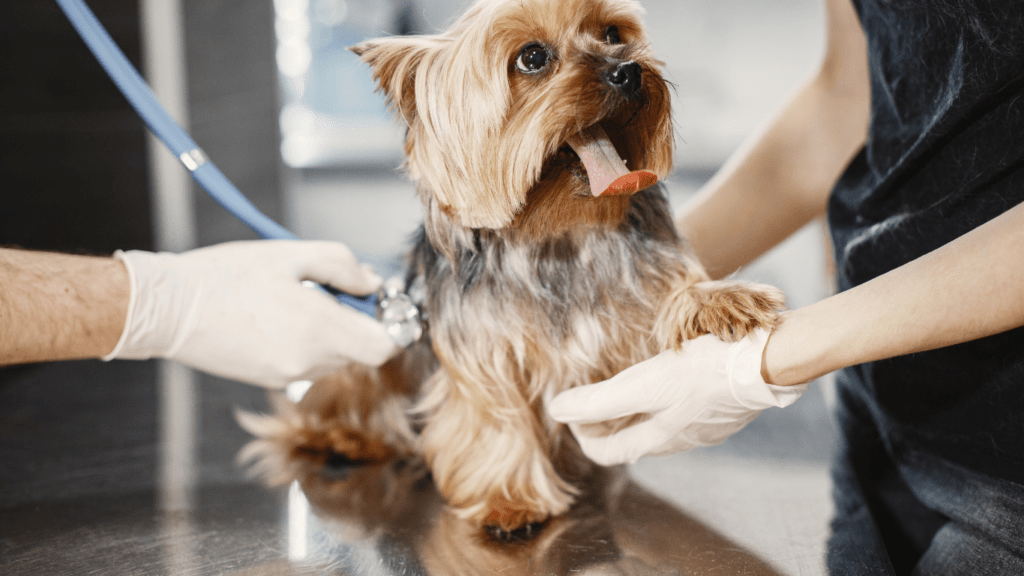
During a vet check-up, the vet conducts a thorough physical exam. This includes checking the pet’s eyes, ears, teeth, skin, and coat. Blood tests and urine analysis may be ordered to assess internal health.

Updated vaccinations are administered, and the vet discusses behavioral and dietary concerns. This holistic approach ensures every aspect of your pet’s health is evaluated and managed effectively.

The Connection Between Vet Check-Ups and Pet Longevity

Regular vet check-ups significantly contribute to extending pets’ lifespans by ensuring early disease detection and implementing preventative care strategies.

Early Disease Detection Benefits

Identifying illnesses early during vet check-ups can dramatically improve treatment outcomes. Vets can spot issues like:

  • heart disease
  • diabetes
  • cancer

in the initial stages when they conduct routine screenings and diagnostic tests.

For instance, early-stage cancer often responds better to treatment, which can prolong a pet’s life. In addition, early detection prevents the progression of chronic diseases, reducing long-term health complications.

Preventative Care Strategies

Veterinarians develop effective preventative care plans during regular visits, which directly impact pet longevity. They administer vaccinations to prevent diseases like rabies and distemper, which can otherwise be fatal.

Vets also prescribe parasite preventatives that guard against conditions caused by ticks, fleas, and worms. Nutritional counseling ensures that pets have balanced diets, reducing risks of obesity and related illnesses such as arthritis.

Spaying or neutering pets not only prevents unwanted litters but also reduces chances of certain cancers.

Routine vet check-ups offer comprehensive services that together enhance a pet’s health and extend its lifespan.

Cost Implications of Regular Vet Visits

Regular vet check-ups might seem costly at first glance, but they offer substantial benefits. Understanding the financial aspects can help manage these expenses effectively.

Managing Vet Costs

Many pet owners worry about the expenses associated with regular vet visits. Planning can ease this burden. Setting aside funds specifically for pet care ensures readiness for scheduled appointments and emergencies.

Pet insurance can defray costs for routine check-ups and unexpected medical conditions.

Comparing prices at different clinics can reveal more budget-friendly options without compromising care quality. Membership plans offer savings on check-ups and treatments.

The Long-Term Savings of Preventative Care

Preventative care results in significant long-term savings. Regular vet check-ups can detect health issues early, leading to less costly treatments.

For example, treating early-stage dental disease costs less than advanced dental surgeries. Vaccinations and parasite preventatives can prevent serious illnesses requiring expensive treatments. Spaying or neutering pets reduces the risk of certain cancers, lowering potential future medical costs.

Nutritional counseling helps avoid obesity-related conditions, saving on treatment for diabetes and joint issues. These measures contribute to lower overall expenditure on pet healthcare while ensuring pets live healthier lives.

How Often Should Pets Visit the Vet?

Regular vet visits are crucial for maintaining pets’ health. Frequency depends on the pet’s age, species, and health status.

Guidelines for Different Ages and Species

  1. Frequency of vet visits varies based on the pet’s age and species.
  2. Kittens and puppies, for example, need monthly visits during their first six months for vaccinations and growth monitoring.
  3. Adult pets, aged one to seven years, should visit the vet annually for check-ups and vaccinations.
  4. Senior pets, over seven years, require semi-annual visits to monitor age-related health issues.
  5. For species-specific guidelines, small mammals (like rabbits and guinea pigs) benefit from annual exams.
  6. Birds need yearly check-ups to catch any issues early.
  7. Reptiles typically require annual or biannual vet visits depending on their breed and health conditions.

Special Considerations for At-Risk Pets

Certain pets need more frequent vet visits. At-risk pets include those with chronic conditions like diabetes or heart disease, requiring more frequent monitoring. Pets predisposed to genetic disorders also need regular check-ups.

Visits occur every three to six months in such cases, ensuring any health issues are managed proactively.

Pets exposed to higher risk environments, such as outdoor cats or dogs in tick-prone areas, need more frequent health checks. Regular screenings for parasites and infectious diseases become essential, preventing severe health issues.

Optimizing vet visit frequency based on specific needs ensures pets receive appropriate care, enhancing life quality and longevity.
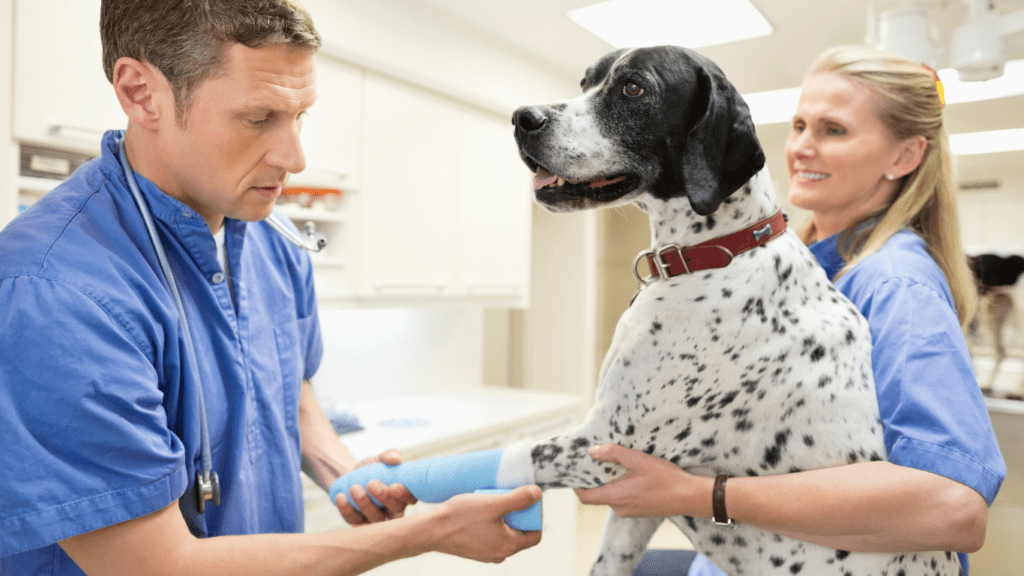
 

Understanding the Importance of Dental Health in Pets

Dental health is vital for pets as it impacts their overall well-being. Neglecting dental care can lead to severe health problems.

Why Dental Care Is Crucial for Pets

Dental care prevents infections and other oral diseases. Gum disease, common in pets, can result in tooth loss without proper care.

Poor dental hygiene can also lead to bacteria entering the bloodstream, affecting vital organs such as the heart, liver, and kidneys. By maintaining good dental health, pets experience less pain, eat better, and enjoy a higher quality of life.

Signs of Dental Problems in Pets

Detecting dental issues early can prevent serious complications.

Common signs include:

  • Bad Breath: Persistent foul odor may indicate periodontal disease.
  • Red, Swollen Gums: Inflammation can signal gingivitis or infection.
  • Difficulty Eating: Pets with dental issues may drop food or chew on one side.
  • Excessive Drooling: Increased saliva can point to oral discomfort.
  • Loose or Missing Teeth: This suggests advanced dental disease needing prompt attention.

Regularly observing these signs helps ensure pets receive timely dental care.

Simple Steps to Keep Your Pet’s Teeth Clean

Maintaining your pet’s dental health doesn’t have to be complicated. With consistent care and the right tools, you can ensure your pet’s teeth stay clean and gums remain healthy.

Regular Brushing Techniques

Regular brushing is crucial for preventing plaque buildup and gum disease. Brush your pet’s teeth at least two to three times a week, using a pet-specific toothbrush and toothpaste.

Begin by introducing your pet to the taste of the toothpaste. Once they’re comfortable, gently lift their lips and brush in small, circular motions. Focus on the gum line to remove plaque effectively. Give your pet positive reinforcement and treats to make brushing a positive experience.

Choosing the Right Dental Products

Selecting the right dental products makes a significant difference in maintaining your pet’s oral hygiene. Use toothbrushes designed for pets, which have softer bristles and properly sized heads.

Use pet-safe toothpaste, as human toothpaste can be toxic to animals. Incorporate dental chews and toys that help reduce plaque and tartar. Look for approved products from organizations like the Veterinary Oral Health Council (VOHC) to ensure they’re effective and safe for your pet.

Diet and Supplements for Dental Health

A pet’s diet plays a crucial role in maintaining dental health. Proper nutrition and targeted supplements can significantly improve oral hygiene.

The Role of Nutrition in Dental Care

A balanced diet helps maintain strong teeth and gums. Dry kibble, for example, can help reduce plaque buildup by mechanically cleaning the teeth.

Incorporating raw fruits and vegetables, like carrots and apples, aids in naturally cleaning teeth and providing essential vitamins. Avoid sugary treats as they contribute to tooth decay and gum disease. Specially formulated dental diets contain ingredients that actively combat plaque and tartar.

Recommended Supplements for Strong Teeth

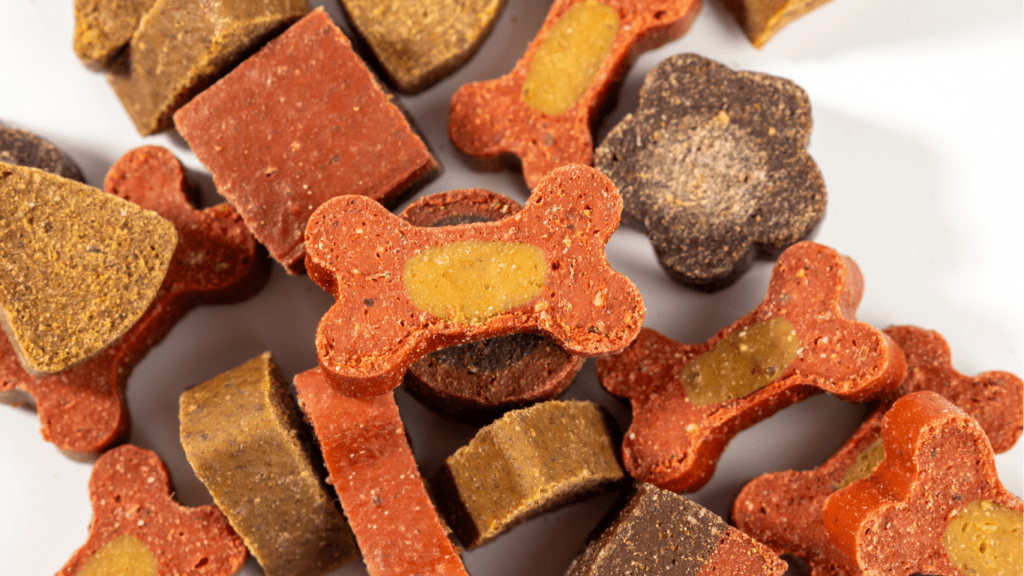
Supplements can support dental health by providing necessary nutrients. Dental chews, such as ones infused with enzymes, help reduce plaque and freshen breath when used regularly. Antioxidant-rich supplements strengthen gums, reducing inflammation and supporting overall oral health.

Probiotics maintain a healthy balance of bacteria in the mouth, preventing the growth of harmful bacteria. Always consult a vet before introducing new supplements to ensure they’re safe and suitable for your pet.

Professional Dental Care for Pets

Professional dental care is vital to maintaining your pet’s overall health. Regular veterinary dental check-ups can identify problems early and prevent serious health issues.

When to Consider Professional Cleaning

  1. Consider professional cleaning if your pet shows signs of dental problems like persistent bad breath, difficulty eating, or visible tartar buildup.
  2. Pets generally need a professional dental cleaning once a year, but some breeds might need it more often due to genetic predisposition to dental issues.
  3. Always consult your vet to determine the best schedule for your pet.

What Happens During Professional Dental Treatments

Professional dental treatments for pets involve several steps. Vets usually start with a thorough oral examination to assess the condition of the teeth and gums.

They then use ultrasonic and hand scalers to remove plaque and tartar from both above and below the gum line. After cleaning, the vet polishes the teeth to smooth surfaces and delay future plaque buildup.

In advanced cases, extractions or other dental procedures may be necessary to maintain oral health. Anesthesia ensures your pet remains comfortable and still throughout the procedure.


Understanding Pet First Aid

Pet first aid is essential for any responsible owner. Immediate actions can save a pet’s life during emergencies.

The Importance of First Aid for Pets

Every second counts in emergencies. Providing prompt first aid helps stabilize your pet before reaching a vet. This immediate care can prevent a minor injury from becoming severe. Recognizing the importance of first aid ensures your pet’s well-being.

Basic Skills Every Pet Owner Should Learn

Some basic skills are crucial for every pet owner. Learning how to perform CPR on pets can maintain heart and lung function until professional help arrives.

Knowing how to control bleeding by applying pressure or using bandages can prevent excessive blood loss. Understanding how to treat burns using cool water can minimize tissue damage.

Recognizing signs of choking and knowing how to perform the Heimlich maneuver can save a pet’s life.

Skill Description
Pet CPR Maintain heart and lung function in emergencies
Bleeding Control Apply pressure or use bandages to prevent blood loss
Burn Treatment Use cool water to minimize tissue damage
Choking Relief Perform Heimlich maneuver to clear airway

These skills equip owners to act confidently, ensuring pets receive immediate and effective care.

Common Injuries and Emergencies in Pets

Pets, like humans, can face various injuries and emergencies. Prompt identification and action can help mitigate the severity of these incidents.

How to Handle Cuts and Bruises

Pets might get cuts and bruises from sharp objects or rough play. Clean the area with water to remove debris. Apply antiseptic to prevent infection. For bleeding, apply pressure with a clean cloth until it stops. If the cut is deep or doesn’t stop bleeding within 10 minutes, see a vet.

Dealing With Poisoning and Allergic Reactions

Pets may ingest toxic substances or develop allergies. Symptoms of poisoning include vomiting, diarrhea, drooling, and lethargy. Contact a vet immediately if poisoning is suspected.

For allergic reactions, look for signs like swelling, hives, and excessive scratching. Administer antihistamines as directed by a vet and seek professional help without delay.

Heatstroke and Cold Injuries

Pets can suffer from heatstroke and hypothermia. For heatstroke, signs include excessive panting, drooling, and weakness. Move the pet to a cool area, provide water, and dampen their fur with wet towels.

For cold injuries, look for shivering, lethargy, and pale gums. Use blankets to warm the pet gradually and avoid direct heat sources. In both cases, consult a vet as soon as possible.

Preparing a Pet First Aid Kit

Creating a pet first aid kit ensures you’re ready to handle emergencies effectively. Let’s explore the essential items and customization tips.

Essential Items for Your Pet’s First Aid Kit

Including comprehensive items in a pet first aid kit provides immediate care during emergencies.

Here’s a list of key components:

  1. Gauze Pads: Use sterile gauze pads to clean and cover wounds.
  2. Bandages: Include adhesive bandages and non-stick bandages to secure wound dressings.
  3. Antiseptic Wipes: Clean wounds and reduce infection risks with antiseptic wipes.
  4. Tweezers: Remove splinters and foreign objects using tweezers.
  5. Digital Thermometer: Monitor your pet’s temperature accurately with a digital thermometer.
  6. Hydrogen Peroxide: Induce vomiting in poisoning cases under veterinary advice with hydrogen peroxide.
  7. Scissors: Cut bandages and gauze or trim fur around wounds using blunt-end scissors.
  8. Saline Solution: Clean eyes and wounds with saline solution to reduce irritation.
  9. Disposable Gloves: Maintain hygiene and prevent contamination with disposable gloves.
  10. Emergency Blanket: Keep your pet warm in shock or hypothermia scenarios using an emergency blanket.

Customizing Your Kit Based on Pet Needs

Adapting the first aid kit to your pet’s specific needs enhances its effectiveness.

Consider these factors:

  1. Pet Size: Larger pets may require larger bandages and more supplies; adjust quantities accordingly.
  2. Health Conditions: Include specific medications and supplies for pets with chronic conditions (e.g., insulin for diabetic pets).
  3. Allergies: Add antihistamines and aloe vera gel for pets with known allergies.
  4. Activity Level: Incorporate items like paw balm and insect repellent for active pets that spend much time outdoors.
  5. Age: Seniors might need joint supplements and dog pain relief medications included in the kit.

Prepare a pet first aid kit that caters to your pet’s unique needs, ensuring prompt and effective care during emergencies.

Taking Action During a Pet Emergency

Responding promptly and calmly in a pet emergency can make a significant difference in outcomes. I focus on assessing the situation and determining when to seek professional help.

Steps to Assess the Situation

First, evaluate the pet’s condition. Check for vital signs like breathing and heartbeat. If the pet isn’t breathing, begin CPR immediately as every second counts.

Look for visible injuries such as cuts or burns. In the case of bleeding, apply firm pressure with a clean cloth. For suspected fractures, immobilize the affected area to prevent further damage.

Second, identify immediate threats. Remove any hazards that may worsen the condition, such as toxic substances or sharp objects. Keep the pet calm and avoid unnecessary movement.

When to Call a Veterinarian

Contact a veterinarian in severe cases. If the pet shows signs of poisoning, such as drooling or seizures, immediate veterinary attention is crucial.

Allergic reactions warrant a call, especially if swelling or difficulty breathing is observed. Heatstroke symptoms like excessive panting or lethargy also require urgent care.

Discuss the pet’s symptoms clearly when calling the vet. Provide as much detail as possible to ensure accurate advice and timely intervention.

Pet First Aid Training and Resources

Proper training and resources can make a significant difference in emergency situations involving pets. Learning the right skills not only boosts confidence but can also save your pet’s life.

Finding Courses and Certifications

Numerous organizations offer pet first aid courses that include certification. The American Red Cross provides comprehensive training covering CPR, bleeding control, and more.

Many local animal shelters and veterinary clinics also offer classes, either in-person or online. Certification programs add an extra layer of credibility and assurance about your skills.

Online Resources and Mobile Apps

Digital resources offer great flexibility for learning and quick reference during emergencies. Websites like PetMD and the American Veterinary Medical Association provide detailed first aid guides.

Mobile apps like Pet First Aid by the American Red Cross offer instant access to tutorials, videos, and emergency protocols. These tools can be lifesavers when immediate answers are needed.


Understanding Flea and Tick Prevention

Flea and tick prevention keeps pets healthy and happy. Addressing prevention helps avoid serious health issues.

Why It’s Important

Fleas and ticks carry diseases like:

  • Lyme disease 
  • ehrlichiosis

which can cause severe health problems in pets. These parasites cause discomfort and allergic reactions in susceptible animals.

Prevention also helps reduce the risk of infestations in homes, ensuring a safer environment for both pets and humans.

Common Parasite Misconceptions

Many think fleas and ticks only target dirty environments, but they thrive in clean spaces too. It’s a myth that only outdoor pets need protection; indoor pets can also get infested.

Another misconception is that colder weather eliminates the risk; however, fleas and ticks can survive in various climates year-round.

Chemical Preventatives

Chemical preventatives offer effective solutions to protect pets from fleas and ticks. These methods include spot-on treatments and oral medications, which provide convenient and reliable protection.

Spot-On Treatments

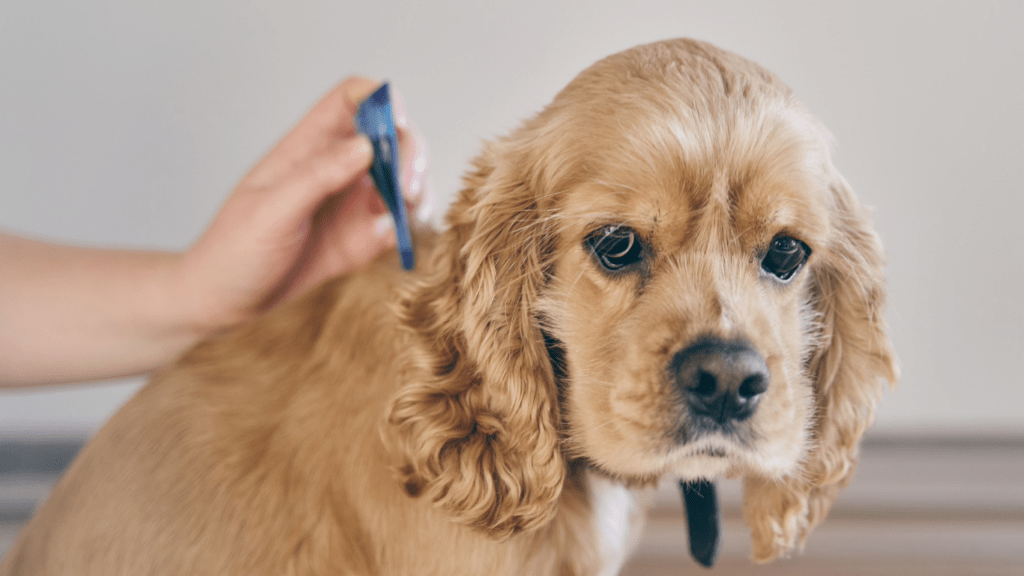
Spot-on treatments deliver active ingredients directly to pets’ skin. I apply the liquid to their neck, where they can’t lick it off. These treatments spread through the skin oils, killing fleas and ticks on contact.

Common brands include Frontline Plus and Advantage II, which offer monthly protection. Spot-on treatments are easy to use, making them a popular choice among pet owners.

Oral Medications

Oral medications provide another effective way to combat fleas and ticks. Pets ingest these pills, which then circulate through their bloodstream.

When fleas or ticks bite, they ingest the active ingredient and die. Brands like NexGard and Bravecto offer chewable tablets that are easy to administer. I prefer oral medications for pets that might have skin sensitivities or for added protection alongside spot-on treatments.

Natural Alternatives

Exploring natural alternatives for flea and tick prevention provides pet owners with less invasive options. These methods rely on nature’s power to keep pests at bay, ensuring pets stay healthy without using chemicals.

Herbal Remedies and Essential Oils

  1. Herbal remedies and essential oils offer eco-friendly ways to prevent fleas and ticks.
  2. Using essential oils like lavender, eucalyptus, and lemongrass, which have insect-repellent properties.
  3. Dilute these oils and apply them to your pet’s collar, or use them in a spray with water and a few drops of apple cider vinegar.
  4. Herbal options include neem oil, which can be mixed with a carrier oil like coconut oil and applied to your pet’s coat.
  5. Another effective herb is rosemary, which can be used in a rinse for your pet’s fur.

Diet-Based Solutions

Diet-based solutions play a crucial role in natural flea and tick prevention. Adding specific ingredients to a pet’s diet enhances their natural defenses.

I suggest incorporating brewer’s yeast and garlic in small amounts into your pet’s food, as these ingredients make your pet less appealing to pests.

Omega-3 fatty acids, found in fish oil, also strengthen the immune system and improve skin health, creating a less hospitable environment for fleas and ticks. Always consult your veterinarian before making dietary changes to ensure your pet’s safety and health.

Tips for Application and Safety

Proper application and safety measures are crucial when using flea and tick preventatives to ensure effectiveness and avoid harm to pets.

Best Practices for Applying Treatments

Choose products recommended by veterinarians. Always follow the manufacturer’s instructions when applying topical or oral treatments.

When using a spot-on treatment, apply it directly to the skin, not on the fur, usually between the shoulder blades where pets can’t lick it. For oral medications, ensure pets consume the entire dose by mixing it with their food if necessary.

Store treatments in a cool, dry place out of reach of children and other pets. Washing hands after application prevents accidental ingestion or skin contact.

How to Monitor for Side Effects

Observe pets for any signs of adverse reactions after administering treatment. Common side effects include vomiting, diarrhea, lethargy, and excessive drooling.

Contact a veterinarian immediately if pets show severe reactions such as seizures or difficulty breathing. Keeping a record of past treatments helps identify any patterns or recurring issues.

Regularly inspect the application site for redness, hair loss, or scabs. Share observations with the vet during routine check-ups to ensure ongoing safety and efficacy of the flea and tick prevention methods.


Exploring the Latest Trends in Pet Fashion

Keeping pets stylish and comfortable remains a priority for many pet owners. Current trends show a blend of sustainability and technology reshaping pet fashion.

The Rise of Sustainable Pet Clothing

Sustainable pet clothing gains traction in the fashion industry. Brands now use eco-friendly materials like:

  • organic cotton
  • recycled polyester
  • hemp

They also focus on ethical production practices. For example, some companies ensure fair trade conditions and reduce carbon footprints.

Pet owners prefer durable and biodegradable fabrics to minimize environmental impact. Many seek out clothing lines that support conservation efforts or donate to animal welfare organizations. These trends highlight a shift towards eco-conscious consumption.

High-Tech Accessories for Pets

Tech innovations transform pet fashion with smart accessories.

  1. Wearable tech like GPS collars and health monitoring devices is popular. These gadgets help track pets’ locations and monitor their vitals.
  2. LED-embedded collars and leashes enhance visibility during night walks.
  3. Some brands even offer temperature-controlled pet clothing, keeping pets comfortable in varying weather conditions.
  4. Integrating tech into pet accessories prioritizes safety and convenience, reflecting broader trends in human fashion.

Popular Pet Fashion Styles in 2023

Pet fashion in 2023 showcases a mix of seasonal trends and celebrity influences. Pets are now fashion-forward with styles inspired by human fashion.

Seasonal Trends in Pet Outfits

Seasonal pet outfits mirror human fashion trends. In spring, light, breathable fabrics like cotton dresses and bandanas are popular. Summer brings vibrant colors and cooling apparel, such as mesh vests and UV-protection shirts.

Fall sees a shift towards cozy materials, with wool sweaters and plaid patterns. Winter outfits include insulated jackets and waterproof boots to keep pets warm and dry. Raincoats and snow gear have also gained popularity for their functionality in adverse weather.

Celebrity Pet Fashion Influences

Celebrity pets drive trends in the pet fashion industry, influencing styles and accessories. For instance, Doug the Pug’s quirky outfits, including themed costumes and casual wear, often go viral, driving demand.

Chrissy Teigen’s pets frequently showcase designer apparel, making luxury pet fashion more mainstream. Influential pets like JiffPom often sport custom-made gear, reflecting human runway trends, from streetwear to high fashion.

Celebrity pets set trends embraced by pet owners globally, making their style choices highly impactful.

Innovative Materials Used in Pet Apparel

Pet fashion has embraced advanced materials to enhance comfort and durability. Innovative fabrics meet both aesthetics and practical needs, ensuring pets stay stylish and protected.

Eco-Friendly And Recycled Fabrics

Eco-friendly fabrics like organic cotton and hemp have gained popularity in pet apparel. These materials reduce environmental impact while offering comfort.

Recycled polyester, made from plastic bottles, is frequently used for creating durable pet clothes. Brands like Earth Paws and Eco Pup lead this trend by committing to sustainable practices.

Durable And Weather-Resistant Materials

Weather-resistant fabrics, like Gore-Tex and nylon, provide durability and protection against harsh conditions. These materials keep pets dry during rainy weather and warm in cold climates.

Insulated pet jackets, often lined with fleece or Thinsulate, ensure pets remain comfortable regardless of the season. Companies such as Ruffwear and Hurtta innovate by incorporating these materials into their products.

How Pet Fashion Trends Influence Pet Care Products

Pet fashion trends significantly shape the development of pet care products by aligning these products with the latest styles and functional needs, ensuring pets not only look good but also stay healthy.

Grooming Products Tailored for Styled Pets

Grooming product manufacturers create tailored solutions to maintain the appearance of styled pets. High-quality shampoos and conditioners now come in varieties specific to coat types influenced by fashion trends.

For instance, shampoos formulated for silky and fleece-lined coats help preserve the texture and shine of these fashionable pet trends.

Specialty grooming tools, such as detangling brushes and mats, support grooming routines for pets with elaborate hairstyles. Designers ensure these tools work efficiently without causing discomfort. Conditioning sprays maintain moisture and keep fur smooth for pets with intricate grooming needs.

The Integration of Fashion and Functionality in Pet Gear

Pet gear now integrates fashion with functionality to meet the demands of pet owners. Collars and leashes come in fashionable designs but also feature practical additions like reflective stitching or LED lights, enhancing visibility during evening walks. Reflective threads in patterned outfits balance safety and style.

Pet carriers and harnesses see innovation in design and utility. Fashion-forward carriers with temperature-regulating fabrics and ergonomic designs improve pets’ comfort during travel. Multi-purpose harnesses blend aesthetic appeal with functional aspects like adjustable straps and built-in pockets for carrying essentials.

Fashion influences pet clothing designed for specific seasonal needs. Winter jackets, while stylish, include thermal insulation or water-resistant materials to keep pets warm and dry. Summer attire incorporates breathable, lightweight fabrics designed for maximum airflow and comfort.


Understanding Senior Pets

Senior pets offer unique advantages often overlooked in shelters.

What Qualifies as a Senior Pet?

Pets aged 7 or older usually fall into the senior category. Smaller dog breeds often age slower, while larger breeds become seniors quicker. Cats typically become seniors around their 7th to 10th year. Shelter staff can help determine the specific age category for each animal.

Common Misconceptions

Senior pets aren’t always frail and sickly. Many maintain good health with routine care. Some assume older pets won’t bond with new owners, but senior pets are often very affectionate.

Another myth is higher costs; while seniors may need more frequent vet visits, many remain healthy and require standard care similar to younger pets.

Emotional Benefits of Adopting a Senior Pet

Adopting a senior pet offers numerous emotional rewards. Their age often brings a unique blend of maturity and expressiveness.

Emotional Maturity and Stability

Senior pets generally exhibit emotional maturity and stability. Compared to younger animals, they have well-established temperaments, reducing unpredictable behavior.

This stability can create a soothing environment, making the bonding process smoother and more profound. By adopting a senior pet, you gain a companion who’s experienced and resilient.

Working with Their Known Personality

Senior pets already possess distinct, known personalities. Shelter staff can provide detailed descriptions of their behavior, preferences, and quirks, allowing for a more informed adoption.

This knowledge helps ensure a better match between the pet and owner. For example, adopting a calm senior cat suits someone seeking a low-maintenance companion. Familiarity with their personality leads to a more fulfilling and harmonious relationship.

Practical Advantages

Senior pets bring several practical benefits that younger pets don’t often provide.

Less Training Required

Senior pets already have fundamental skills and manners. Many of them are potty-trained, saving you the effort of housebreaking.

Additionally, older pets often know basic commands like “sit” and “stay,” reducing the time needed for obedience training. If you prefer not to invest substantial time in training, adopting a senior pet eliminates those extensive sessions.

Predictable Needs

Senior pets come with established habits and clear preferences. Unlike younger pets, whose needs and temperaments can change significantly, senior pets’ behavior patterns are stable.

This predictability aids in managing their care efficiently. You can plan their diet, exercise, and vet visits better since their requirements are well-known. This stability makes integrating an older pet into your household smoother.

Health Considerations

Senior pets may require more specialized care than younger ones, but being aware of common health issues and knowing how to handle vet visits and medications can help maintain their well-being.

Common Health Issues

Many senior pets face common health issues that become more prevalent with age. These include:

  • arthritis, which can limit their mobility
  • dental disease, which affects their ability to eat
  • chronic conditions like diabetes or kidney disease

Past traumatic injuries can also resurface as older pets. Regular check-ups help identify and manage these issues early, ensuring a better quality of life for senior pets.

Handling Vet Visits and Medications

Regular vet visits become crucial for senior pets to monitor and manage their health conditions effectively. I ensure my senior pet sees a vet at least twice a year for comprehensive check-ups.

Keeping a consistent medication schedule reduces potential complications. Using pill pockets or mixing medication with food makes administering medication easier.

Maintaining a detailed log of vet visits and medications helps track their health and adjust care plans as needed. Reducing stress during vet visits enhances their overall experience; using familiar carriers and soothing aids can help.

Making a Home Welcoming for a Senior Pet

Senior pets thrive in environments tailored to their needs. Creating a comfortable home ensures they adjust smoothly and maintain their well-being.

Creating a Comfortable Living Space

Senior pets need spaces that minimize strain on their bodies. Soft bedding helps alleviate joint pain and provides a resting haven. Place beds in quiet, accessible areas to reduce stress and provide comfort.

Ensure food and water bowls are at an appropriate height to avoid neck strain. Consider using non-slip mats on floors to prevent falls, especially for pets with arthritis. Elevated feeders can also help with digestion and posture.

Adjusting Your Routine

  1. Adapting routines to fit a senior pet’s lifestyle fosters a strong bond.
  2. Establish regular feeding times to aid their digestion and medication schedules.
  3. Incorporate gentle exercise, like short walks or indoor play, to keep them active without overexertion.
  4. Monitor their activity levels and adjust accordingly, ensuring they get enough rest.
  5. Spend quality time through petting or grooming to strengthen your connection and provide emotional comfort.

Trends in Pet Food for This Year

New pet food brands focus on health, nutrition, and eco-friendly solutions. They meet pet owners’ growing desire for better pet care options.

Health and Nutrition Focus

Brands zero in on functional ingredients that promote wellness. They include probiotics, Omega-3 fatty acids, and antioxidants. Consumers see formulations for specific health concerns like joint support or digestive health.

Chicken-based pet foods cater to protein needs, while sweet potatoes serve as a carbohydrate source. Pet foods now have added vitamins and minerals to ensure balanced nutrition.

The Rise of Eco-Friendly Products

Eco-friendly pet food options have surged. Brands use sustainable ingredients such as insect protein and plant-based proteins. Packaging reflects this trend, with biodegradable and recyclable materials becoming standard.

Companies source locally to reduce carbon footprints, also ensuring high-quality raw materials. The push for less environmental impact aligns with pet owners’ values.

Highlighting Top New Pet Food Brands

Exploring new pet food brands this year opens up exciting opportunities for better nutrition and sustainability for pets. Here are two standout brands making waves in the industry.

Brand One: Innovating Nutrition

Brand One has pushed the boundaries of pet nutrition by incorporating innovative ingredients. They’ve introduced formulas rich in Omega-3 fatty acids from fish oil, probiotics to aid digestion, and antioxidants for immune support.

For example, their salmon and quinoa blend provides high-quality protein and essential amino acids, ensuring pets receive complete and balanced nutrition. This brand’s focus is on addressing specific health concerns, such as joint support and coat health, through carefully selected ingredients.

Brand Two: Sustainability Champions

Brand Two stands out as a leader in sustainable pet food solutions. They utilize eco-friendly ingredients like insect protein and plant-based proteins, helping to reduce the environmental impact. Their packaging is biodegradable and often made from recycled materials, aligning with eco-conscious pet owners’ values.

Fresh examples include their insect-protein-based kibble and lentil and chickpea mix, which offer alternative protein sources without compromising nutritional value. This commitment to sustainability makes Brand Two a top choice for those seeking environmentally responsible pet food options.

What Makes These Brands Stand Out?

New pet food brands stand out due to their unique ingredients and commitment to environmental sustainability. They are revolutionizing pet nutrition and reflecting a growing trend towards eco-conscious practices.

Unique Ingredients And Recipes

These brands prioritize unique ingredients and recipes to address specific pet health needs.

Many incorporate functional ingredients like:

  • Probiotics: Support digestive health.
  • Omega-3 Fatty Acids: Improve coat health and reduce inflammation.
  • Antioxidants: Boost the immune system.

For example, Brand One uses a combination of Omega-3 fatty acids, probiotics, and antioxidants to enhance overall pet health.

Popular ingredients, such as chicken and sweet potatoes, are present alongside added vitamins and minerals to ensure balanced nutrition. Recipes are tailored to specific life stages and dietary needs, offering options like grain-free or high-protein variants.

Commitment To Environmental Sustainability

Environmental sustainability is a core commitment for these brands.

Practices include:

  • Sustainable Ingredients: Insect protein and plant-based proteins reduce reliance on traditional livestock.
  • Biodegradable Packaging: Made from recycled materials to minimize waste.

Brand Two champions environmental efforts by incorporating insect protein and biodegradable packaging. These choices not only reduce carbon footprints but align with eco-conscious pet owners’ values.

The focus on sustainability reflects a broader trend towards responsible ingredient sourcing and packaging solutions in the pet food industry.

Choosing the Right Food for Your Pet

Finding the right food for your pet involves understanding their unique nutritional requirements and transitioning them smoothly to a new brand.

Understanding Your Pet’s Nutritional Needs

Each pet’s nutritional needs vary based on factors like age, breed, and activity level. Puppies and kittens, for example, need more protein and calcium to support growth.

Senior pets often benefit from foods rich in Omega-3 fatty acids and joint supplements. Active dogs may require diets higher in calories, while less active pets need a balanced diet to prevent weight gain.

Reading the labels helps identify the primary ingredients and ensures they match your pet’s dietary needs. Consulting your veterinarian can provide tailored recommendations specific to your pet’s health.

How to Transition to a New Brand

Transitioning slowly prevents digestive issues. Start by mixing 25% of the new food with 75% of the old food for the first few days. Gradually increase the new food percentage over a week, moving to a 50-50 mix then 75-25, before fully switching.

Monitor your pet for any signs of discomfort, like vomiting or diarrhea, and adjust the transition rate if necessary. Patience ensures a smooth adjustment to the new diet and helps your pet accept the new flavors and textures.

Keeping an eye on their stool quality and overall health ensures the new food is a good match.


Understanding Pet-Friendly Travel

Pet-friendly travel destinations ensure both humans and pets have enjoyable experiences. Knowing what factors make a destination accommodating for pets is crucial when planning a trip with your furry friend.

What Makes a Destination Pet-Friendly?

Pet-friendly destinations offer amenities and services designed for pets. Hotels and rentals often provide pet beds, bowls, and treats. Parks and beaches should have areas where dogs can run and play off-leash. Some restaurants welcome pets in outdoor seating areas, providing water bowls and treats.

Additionally, these locations frequently have veterinary services nearby, ensuring your pet’s health needs are met in case of an emergency. Examples of popular pet-friendly spots include dog parks, hiking trails, and pet-friendly beaches.

Challenges of Traveling with Pets

Traveling with pets presents unique challenges. Many transport options like airlines may have strict regulations regarding pet travel, including size restrictions and crate requirements. Ensuring your pet is comfortable during the journey is essential, as unfamiliar environments can cause anxiety.

Accommodations might have limited availability for pet-friendly rooms, particularly during peak travel seasons. Furthermore, finding pet-friendly activities and dining options might be challenging in some destinations. Managing these aspects ensures a smoother, more enjoyable trip for you and your pet.

Top Pet-Friendly Destinations in the USA
dog on vacation

Discover the best vacation spots in the USA where you and your furry friends can both enjoy. These destinations offer various activities and amenities to ensure a pleasant stay for both pets and their owners.

Beaches and Parks for Active Pets

  1. Carmel Beach, California: Dogs roam freely off-leash on this stunning coastline.
  2. Huntington Dog Beach, California: A mile-long beach where dogs splash and play in the surf.
  3. Acadia National Park, Maine: 100 miles of pet-friendly trails and carriage roads.
  4. Jupiter Dog Beach, Florida: Dogs must stay within designated off-leash areas.
  5. Fort De Soto Park, Florida: Offers fenced-in areas and dog showers for post-sand cleaning.
  6. Austin, Texas: Zilker Park and Lady Bird Lake offer scenic areas for pets.
  7. Portland, Oregon: Known for 30+ pet-friendly breweries and parks like Forest Park.
  8. San Diego, California: Balboa Park and dog-friendly beaches like Ocean Beach Dog Beach.
  9. New York City, New York: Central Park provides 23 designated areas for off-leash play until 9 AM.
  10. Chicago, Illinois: Montrose Dog Beach and pet-friendly patio dining at local restaurants.

International Escapes That Welcome Pets

Travelers can find many pet-friendly international destinations that offer amenities for both owners and their pets. Here are some top choices.

Europe’s Open Paws Policy

Several European countries have embraced pet-friendly travel. France stands out with its widespread acceptance of dogs in cafes, restaurants, and even some museums.

Paris, for example, boasts many dog-friendly parks where pets can roam freely. Germany also ranks high, with cities like Berlin featuring numerous pet-friendly hotels and public transportation options allowing well-behaved dogs.

Italy loves pets too, with Rome offering several pet-friendly attractions and beaches where dogs especially thrive during summer months.

Unexpected Pet-Welcoming Countries

Japan may surprise many as a pet-friendly destination. Tokyo offers pet cafes and pet parks, while public transportation sometimes accommodates pets in carriers.

Australia, known for its strict quarantine laws, still provides pet-friendly accommodations and parks in cities like Sydney and Melbourne.

Lastly, Canada, with cities like Vancouver and Toronto, ensures pets feel welcome with a range of outdoor parks, pet-friendly cafes, and dog beaches. Each destination offers unique experiences catering to both pets and their owners, ensuring memorable travel adventures.

Tips for Traveling with Your Pets

Optimizing pet travel involves preparation and careful planning. Below are essential tips to ensure a smooth journey with your furry friend.

Safety First: Traveling by Car, Plane, and Train

Securing pets in vehicles ensures their and your safety. Use pet seat belts or carriers to avoid distractions while driving. Plan rest stops every two hours for bathroom breaks and exercise.

When flying, know airline policies, which vary significantly. Small pets often fit under the seat in an airline-approved carrier; for larger pets, cargo holds might be necessary. Book direct flights to reduce stress, and consult your vet regarding sedation or anti-anxiety measures.

For train travel, check pet policies since some routes restrict pets’ presence. Use a carrier to keep pets secure and ensure they are comfortable for potentially long rides. Bring essentials like water, food, and waste bags.

Finding Pet-Friendly Accommodations

Choose accommodations that welcome pets to ensure a comfortable stay. Many hotels and vacation rentals now offer pet-friendly options. Websites like BringFido and Airbnb have filters to find the best pet-friendly stays.

Inform the host about your pet, as some places have size or breed restrictions. Clarify policies on extra fees, and confirm the availability of amenities like pet beds and outdoor areas.

Bring familiar items from home to help pets settle in unfamiliar environments. Stick to their routine for feeding and exercise to minimize stress. Check local regulations on leash laws and pet-friendly zones to ensure a pleasant and conflict-free stay.


Understanding the Basics of Pet Gurning

A solid foundation in pet grooming ensures pets remain healthy and comfortable. Knowing the types of pet coats and essential grooming tools helps in managing grooming routines effectively.

Types of Pet Coats

Different pets have various coat types which determine the grooming approach. Here are the common types:

  1. Short Coats: Pets with short hair, like Beagles, need regular brushing to remove loose hair and distribute skin oils.
  2. Double Coats: Breeds like Huskies have a dense undercoat and soft outer coat. They need frequent grooming to avoid matting and control shedding.
  3. Curly Coats: Poodles often have curly hair that requires regular clipping. Brushing prevents tangles and mats.
  4. Silky Coats: Breeds like Yorkshire Terriers have fine, long hair. Regular brushing keeps their coats shiny and free of tangles.
  5. Hairless Breeds: Cats like the Sphynx, though hairless, still need skincare routines to prevent oil buildup.

Essential Grooming Tools

Proper grooming tools make the grooming process efficient and comfortable for pets. Here are tools that should be in every pet owner’s kit:

  1. Brushes and Combs: Different types of brushes (slicker, bristle, pin) and combs (wide-toothed, fine-toothed) cater to various coat types.
  2. Clippers and Scissors: Quality clippers and grooming scissors help in trimming hair, especially for curly and silky coat breeds.
  3. Nail Clippers: Designed for pets, these keep nails at a safe length, preventing health issues.
  4. Ear Cleaners: Solutions and wipes clean ears, reducing the risk of infections.
  5. Shampoo and Conditioner: Specific formulas exist for different coat types and skin conditions, ensuring pets’ skin and fur remain healthy.

Understanding these basics enables more effective and enjoyable grooming sessions, contributing to pets’ overall well-being.

Step-by-Step Grooming Techniques

Grooming techniques help maintain your pet’s coat and overall health. Follow these steps to keep your pet looking and feeling their best through regular brushing, combing, and bathing.

Brushing and Combing

Start by identifying the right brush and comb for your pet’s coat type. Use a slicker brush for curly coats, a bristle brush for short-haired pets, and an undercoat rake for double coats.

  1. Detangle Knots: First, remove any tangles using a detangling spray and fingers. For stubborn knots, gently work through them with a wide-toothed comb.
  2. Whole Body Brushing: Begin at the head and move down to the tail, ensuring you brush in the direction of hair growth. This distributes natural oils, keeping the coat shiny and healthy.
  3. Combing: After brushing, use a comb to remove any remaining loose hairs. Pay special attention to areas prone to matting, such as behind the ears, under the legs, and around the neck.
  4. Regular Maintenance: Brush and comb your pet regularly. Long-haired breeds may need daily grooming, while short-haired breeds can benefit from weekly sessions.

Bathing Procedures

Consistent bathing keeps your pet’s skin and coat clean and healthy. Choose a pet-specific shampoo to avoid irritating their skin.

  1. Preparation: Gather supplies, including a pet-friendly shampoo, conditioner, towels, and a non-slip mat. Brush your pet to remove loose fur and mats before the bath.
  2. Water Temperature: Fill the tub with lukewarm water. Ensure the water is not too hot or cold to keep your pet comfortable.
  3. Wetting and Shampooing: Wet your pet thoroughly, avoiding their ears and eyes. Apply shampoo and lather well, starting from the neck and working down to the tail.
  4. Rinsing: Rinse your pet thoroughly to remove all shampoo residues. Leftover shampoo can cause skin irritation, so ensure no product remains.
  5. Conditioning: Apply a pet conditioner if needed, then rinse thoroughly. Conditioning helps keep the coat soft and manageable.
  6. Drying: Towel dry your pet to remove excess water, then use a blow dryer on a low heat setting if your pet tolerates it. Ensure your pet is completely dry to prevent skin issues.

Regularly adhere to these steps to ensure your pet’s coat remains in top condition, contributing to their overall comfort and health.

Special Care for Different Pets
Grooming for Dogs

Providing special care tailored to each pet’s unique needs is essential in grooming. Each pet species has specific requirements to maintain optimal health and comfort.

Dogs: Breed-Specific Tips

Dogs need grooming routines that cater to their breed characteristics. Long-haired breeds like Shih Tzus and Collies need daily brushing to prevent matting and tangles.

Short-haired breeds like Beagles and Boxers need less frequent brushing, typically once a week, using a bristle or rubber brush to remove loose hair. Double-coated breeds like Huskies and German Shepherds experience seasonal shedding, requiring more intensive grooming during these periods.

Bathing frequency varies by breed and activity level. Some dogs, like Poodles, which have curly coats, need regular bathing every 3-4 weeks, while others, like Bulldogs with skin folds, might need frequent cleaning to prevent infections. Using breed-appropriate shampoos and conditioners helps maintain coat and skin health.

Cats: Managing Matting and More

Cats are generally self-groomers, but they still need human assistance with certain aspects. Long-haired breeds like Persians and Maine Coons are prone to matting, making daily brushing essential.

Short-haired cats like Siamese and American Shorthairs benefit from weekly brushing to reduce shedding and hairballs.

Matting can lead to skin issues if left untreated. To manage matting, use a wide-toothed comb or a mat splitter specifically designed for cats. Additionally, pay attention to their nails and dental hygiene. Regularly trimming nails and providing appropriate dental care can prevent potential health issues.

Cats’ sensitive skin requires careful product selection. Use cat-specific grooming products to avoid skin irritations and allergic reactions. Regular grooming helps keep your cat healthy and comfortable, reducing the risk of health complications.

Additional Pet Grooming Needs

Pet grooming involves more than just brushing and bathing. Several additional tasks ensure pets stay healthy and comfortable.

Nail Trimming

Nail trimming prevents overgrown nails, which can cause pain or infection. Clip your pet’s nails every 3-4 weeks. Use pet-specific nail clippers and ensure you don’t cut into the quick, a sensitive area within the nail.

To make this easier, hold your pet’s paw firmly but gently, trim a small portion of the nail, and repeat. For darker nails without visible quicks, trim cautiously in small increments.

Ear and Eye Care

Proper ear and eye care help prevent infections and other issues. Clean your pet’s ears weekly using a pet-specific ear cleaner and cotton balls. Gently wipe the ear canal, avoiding deep cleaning to prevent damage.

For eye care, check for debris or discharge daily. Use a damp, soft cloth to wipe away any gunk from the corner of your pet’s eyes. Consult your vet if you notice persistent redness or discharge.


What Are the iidaamilda leaks?

The iidaamilda leaks refer to a collection of private content—photos, videos, and possibly messages—allegedly connected to a social media personality known as IidaAmilda. The materials began circulating across platforms like Reddit, Twitter, and Telegram, sparking debate about consent, digital exposure, and the ethics of content sharing.

What makes these leaks stand out isn’t just the content itself—it’s how quickly it gained traction and what it says about how we view online influencers. The leaks weren’t a onetime splash; they ricocheted through communities, discussions, and reaction threads, maintaining relevance longer than expected.

The Source of the Leak

Every internet leak has a story. So far, no official source has been confirmed for the iidaamilda leaks. Some speculate hacking; others cite trusted contacts gone rogue. What’s clear is that someone crossed a line—not just legally, but morally. When personal data or media gets shared without approval, it ceases to be a tech issue. It becomes a people issue.

In this case, the breach represents more than just a security fault. It highlights how easy it is for influencers, or anyone with an online presence, to lose control of their narrative. Just one bad actor or lapse in judgment can trigger a public cascade of content, speculation, and misinformation.

Public Reaction and Online Ethics

Once the iidaamilda leaks hit the internet, reactions were swift and mixed. Some users shared out of curiosity, others condemned the spread entirely. A third group tried to profit—posting, reposting, and driving traffic in exchange for attention or ad revenue.

It’s a pattern we’ve seen before. When public figures become victims of privacy breaches, lines blur fast. Audiences judge without context. Platforms act slowly. People forget there’s a human being behind the pixels.

And that’s the deeper issue here: how digitally desensitized we’ve become. Leaks like this are more than trending topics—they’re moments where the internet shows its best and worst sides sidebyside. They force uncomfortable questions about digital responsibility.

Legal and Platform Responses

As with other privacy breaches, there’s been talk of legal action. But in cases like the iidaamilda leaks, it’s often a race against time. Once content’s been mirrored, saved, and reposted across platforms, it’s nearly impossible to undo.

Some social platforms reacted by banning specific keywords or removing threads, but online moderation often struggles to keep up. You ban one subreddit, another pops up. Delete one tweet, a dozen others quote it.

Legal teams may eventually trace origins or issue takedown orders, but by then, the impact’s done. Even if platforms aren’t complicit, their lack of agility gives harmful content more room to breathe.

Navigating the Digital Fallout

For anyone in the public eye—especially influencers—this situation is a blueprint of what can go wrong. It’s a wakeup call about securing personal data, managing online relationships, and understanding just how few safeguards the internet really offers.

And for the rest of us, there’s a simple challenge: rethink how we consume leaked content. Ask why we’re so invested in someone else’s private moment. Ask whether curiosity justifies participation, even if passively.

Lessons From the iidaamilda leaks

This isn’t just about IidaAmilda or her content. It’s about a universal vulnerability. Today it’s her, tomorrow it could be someone else—maybe even you. The speed and scale of the leak tell us a few hard truths:

Nothing online is 100% private. Consent matters, and the internet often forgets that. Being a viewer or sharer of leaked content makes you part of the breach.

We live in an attention economy, and leaks like these generate clicks, views, and likes. But every share reinforces a system that devalues privacy in favor of momentary attention.

Final Thought

The iidaamilda leaks aren’t just a headline. They’re a harsh reminder of the thin line between influence and exposure. Whether you’re a public figure or a casual user, your digital existence is more vulnerable than you think.

Handle it with care.