The Benefits of Regular Exercise for Pets

Regular exercise for pets provides numerous advantages. It enhances their physical health and improves behavioral issues.

Physical Health Improvements

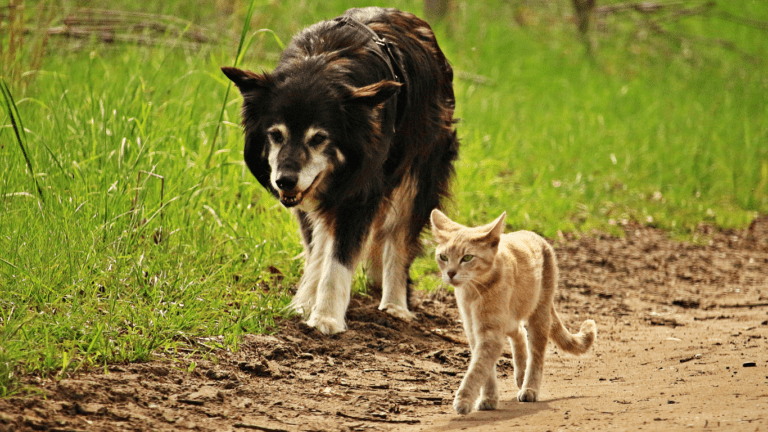
Exercise boosts pets’ cardiovascular health, strengthening their heart and lungs. Dogs, for example, benefit from daily walks that enhance their overall endurance.

Cats also need play sessions to maintain muscle tone. Exercise aids in weight control, reducing the risk of obesity-related issues like diabetes and arthritis. Regular physical activity increases metabolism and helps burn calories, keeping pets fit and energetic.

Behavioral Benefits

Exercise alleviates stress and anxiety in pets. Activities like fetch and tug-of-war can release pent-up energy in dogs, reducing hyperactivity and restlessness.

Cats benefit from interactive toys that mimic hunting, which stimulates their natural instincts and keeps them engaged. Regular exercise prevents destructive behaviors, such as chewing furniture or scratching walls, by providing an outlet for excess energy.

Types of Exercises Suitable for Different Pets

Different pets require tailored exercises to suit their species and individual needs. Regular exercise ensures pets remain healthy, active, and mentally stimulated.

Exercises for Dogs

Dogs benefit from activities like walking, running, and playing fetch.

  1. Walking: Daily walks, ranging from 30 minutes to an hour, help dogs stay fit and maintain a healthy weight.
  2. Running: Active breeds like Border Collies and Labrador Retrievers thrive on running. Spend 20-30 minutes running with them in a park or a safe, enclosed area.
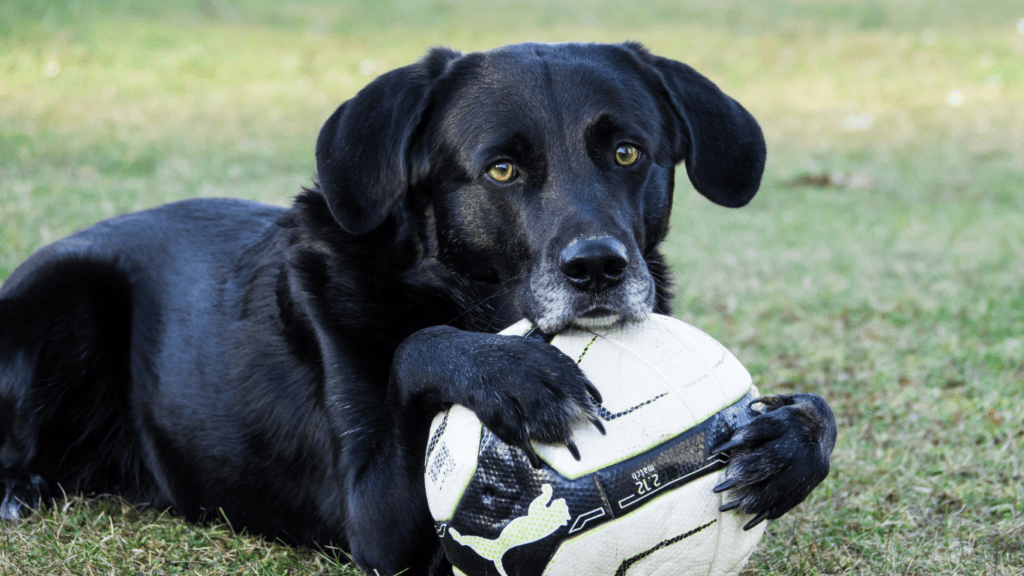
  3. Fetch: Playing fetch with a ball or frisbee for 20 minutes engages dogs’ physical and mental faculties.

Exercises for Cats

Cats often prefer activities that mimic hunting behaviors.

  1. Interactive Toys: Laser pointers and feather wands trigger cats’ natural hunting instincts, providing 15-20 minutes of vigorous play.
  2. Climbing: Cat trees and shelves encourage climbing and jumping, enhancing their agility and strength.
  3. Puzzle Feeders: These devices extend meal times and stimulate mental engagement as cats work to retrieve their food.

Exercises for Smaller Pets

Smaller pets like rabbits, hamsters, and guinea pigs also need exercise, although their needs differ significantly from those of cats and dogs.

  1. Rabbits: Provide a safe outdoor or indoor space for them to hop and explore. Minimum exercise of 30 minutes per day is recommended.
  2. Hamsters: Hamster wheels and tunnels in their habitat offer essential physical activity. At least 20 minutes of active play is necessary.
  3. Guinea Pigs: Floor time outside their cage lets guinea pigs run and explore. Allocate 1 hour daily for supervised floor exercises.

Ensuring pets get the right type of exercise for their species is crucial for their overall health and well-being.

How to Safely Introduce Exercise to Your Pet’s Routine
How to Safely Introduce Exercise to Your Pet's Routine

Introducing exercise to your pet’s routine boosts their overall health. It’s important to do it safely to prevent injuries and undue stress.

Starting Slowly

Begin by incorporating short, low-intensity activities. For example, start with 5-10 minute walks for dogs or brief play sessions with cats. Observing your pet’s stamina and enthusiasm helps adjust the intensity accordingly. Gradually increase the duration and intensity of the exercises over time.

Monitoring Your Pet’s Response

Watch for signs of discomfort or fatigue in your pet. Symptoms like heavy panting in dogs or lethargy in cats indicate the need for rest. By adjusting the frequency and intensity based on their responses, you ensure a safe and effective exercise routine. Consult a veterinarian if you notice persistent issues.

Overcoming Challenges in Exercising Pets

Exercising pets has its set of challenges, but overcoming them is essential for their well-being. Understanding potential obstacles and addressing them ensures a consistent exercise routine.

Dealing with Unmotivated Pets

Unmotivated pets require patience and creative approaches. Constant encouragement during exercises helps. Introducing new toys or changing the routine can spark interest.

For instance, rotating toys for cats or playing fetch at different locations for dogs prevents boredom. Monitor the pet’s reactions and adjust the activities based on their preferences. Rewarding with treats or affection after exercise reinforces positive behavior.

Adapting to Weather Conditions

Weather conditions often impact outdoor exercises. In extreme heat, early morning or late evening walks reduce exposure to high temperatures.

During cold weather, shorter but more frequent walks ensure pets remain active without discomfort. For small pets like hamsters, creating indoor obstacle courses can be a good alternative.

Always protect pets from harsh elements by using appropriate gear like jackets or paw balms. If weather conditions persist, consider indoor activities like using treadmills or playing interactive games to keep them engaged.


 

Finding the perfect training program for your new puppy can feel overwhelming. With so many options available, how do you know which one will work best? As someone who has helped countless puppy owners make this important decision, I want to share some insights that will make your choice easier.

Why Choosing the Right Training Matters

Picking a training program that doesn’t match your puppy’s needs or your lifestyle can lead to frustration for both of you. Many new puppy owners waste money on approaches that don’t address their specific challenges.

“The biggest mistake I see is people choosing a training program based solely on convenience or price, without considering if it actually fits their puppy’s personality or their own schedule,” says Ryan Gwilliam, a professional dog trainer with over 18 years of experience.

The right training approach can set your puppy up for a lifetime of good behavior, while the wrong one might reinforce problems you’re trying to fix.

Understanding Your Training Options

When looking at puppy obedience programs in Salt Lake City, you’ll typically find three main types:

  • Group Classes: Training alongside other puppies and their owners
  • Private Training: One-on-one sessions with a professional trainer
  • Board & Train Programs: Your puppy stays with the trainer for intensive learning 

Each option has strengths and limitations that make it better for certain situations.

Group Classes: Social But Basic

Group classes are usually the most affordable option, which makes them appealing to many new puppy owners. 

However, group settings offer limited personal attention. Your puppy might struggle to focus with all the distractions, and the trainer can’t customize the lessons to address your specific concerns in depth.

Group classes work best for puppies who are already fairly well-behaved and mainly need socialization practice.

Private Training: Personalized But Time-Consuming

Private training gives you and your puppy individualized attention from a professional trainer. The trainer can create a customized plan that addresses your puppy’s unique challenges.

The downside is that you’ll need to do most of the actual training yourself between sessions. This typically requires at least 60 minutes of practice daily, which can be difficult for busy families.

Private training is ideal if you have specific issues to address, plenty of time to practice, and enjoy being actively involved in the training process.

Board & Train: Efficient But Higher Investment

In a Board & Train program, your puppy lives with the trainer for a period of time, usually 2-4 weeks. The trainer works with your puppy throughout each day, creating consistent habits much faster than weekly lessons can.

“When puppies are completely immersed in training, they learn much more quickly,” says Ryan Gwilliam. “It’s like the difference between taking a language class once a week versus living in a country where everyone speaks that language.”

Board & Train programs offer faster results and work well for:

  • Busy families who don’t have hours for daily training
  • Puppies with more challenging behavior issues
  • People who want professional handling from the start

The main considerations are the higher cost and being separated from your puppy during training.

Making Your Decision

When choosing a puppy training program, be honest about these factors:

  1. How much time can you realistically commit to training each day?
  2. What specific behaviors are you trying to teach or change?
  3. What’s your budget for training?
  4. How quickly do you need to see improvements?

If you’re short on time but want reliable results, a Board & Train program might be worth the investment. If you enjoy working with your puppy and have a flexible schedule, private lessons could be perfect.

The Follow-Through Factor

Remember that all training programs require some effort from you, even after the formal sessions end. Your puppy needs consistent rules and practice to maintain good behaviors over time.

The best program is one you’ll actually follow through with. Be realistic about what fits into your life, and don’t hesitate to ask trainers questions about what they expect from you as the owner.

A great trainer will be honest about whether their program is a good match for your situation. They should explain exactly what you can expect during and after training.

Setting Your Puppy Up For Success

The puppy stage is crucial for developing good habits that will last a lifetime. Taking the time to choose the right training approach now can prevent years of frustration later.

Whether you choose group classes, private lessons, or a Board & Train program, the important thing is starting early with a clear plan. Your puppy has amazing potential – the right training program will help them reach it!

Your Puppy’s Journey Starts With the Right Foundation

The early months of your puppy’s life are critical for their development. During this time, their brains are like sponges, absorbing information about how the world works and what behaviors are rewarded. This makes puppyhood the perfect opportunity to establish good habits that will serve them throughout their life.

Many behavioral problems that adult dogs struggle with could have been prevented with proper training during puppyhood. Issues like leash pulling, jumping on guests, excessive barking, or resource guarding are much easier to prevent than to fix later.

Think of puppy training as an investment in your future together. Every minute and dollar spent on proper training now will save you countless hours of frustration and stress down the road. More importantly, it helps build a stronger bond between you and your puppy based on clear communication and mutual understanding.

When researching puppy obedience programs in Salt Lake City, look beyond just the basic commands. The best programs teach puppies how to learn and help owners understand how to communicate effectively with their dogs. This creates a foundation for ongoing learning that extends far beyond the training program itself.

Ask potential trainers about their approach to puppy development, not just obedience. How do they address fear periods? How do they build confidence in shy puppies? How do they help energetic puppies learn self-control? These questions will help you find a trainer who understands the unique needs of young dogs.

Remember that your puppy isn’t just learning commands during training—they’re learning about their relationship with you and their place in your family. Choose a training approach that reflects the kind of relationship you want to build: one based on trust, respect, and clear communication.

With the right training program and your consistent follow-through, your puppy will grow into a well-mannered adult dog that’s a joy to live with and a welcome companion wherever you go.

In the quiet moments of a busy home—amid packed lunches, school runs, and family commitments—women navigating menopause often find themselves sidelining their own needs. This midlife shift, marked by hormonal upheaval and emotional recalibration, isn’t a solo journey. It’s a family matter. And yet, in most homes, menopause symptoms are addressed with fragmented solutions, if at all. What if the family planner—a cornerstone of domestic order—could become a tool for restoring balance?

The Domestic Load Meets the Hormonal Load

The average family planner is crammed with soccer practices, dentist appointments, work deadlines, and grocery lists. It rarely includes time for vasomotor flare-ups, sleep disruptions, or sudden fatigue. But menopause symptoms don’t operate in the margins—they infiltrate daily life.

By making menopause wellness a fixture in the family schedule, households can foster a culture of empathy, proactivity, and shared responsibility. This isn’t about putting menopause in bold letters on the calendar. It’s about weaving it into the rhythm of the home with subtle consistency and intention.

Carving Out Time for Self-Care

The first step is deceptively simple: schedule it. A 20-minute mindfulness session, a walk after dinner, a mid-morning window for herbal tea and stretching—these don’t need to be dramatic gestures. They require visibility—placing them on the planner with the same weight as any other commitment.

This small act normalizes the notion that midlife wellness deserves protected time. Families can start by designating a recurring “wellness hour,” encouraging every member, regardless of age or gender, to invest in their health during that window. This approach not only uplifts the menopausal woman but reframes wellness as a communal priority.

Meals That Support Hormonal Balance

Weekly meal planning is another cornerstone of the family planner that can double as a wellness lever. Incorporating foods rich in phytoestrogens, such as flaxseeds, chickpeas, and tofu, can offer nutritional support for fluctuating hormone levels. Omega-3 fatty acids from fatty fish or walnuts contribute to mood stability and heart health, both critical during this stage of life.

Involve the family in meal prep. Let them learn not only recipes but reasons—why certain foods are being emphasized, and how dietary choices can soothe menopause symptoms. It’s an educational opportunity masquerading as dinner.

Delegation: A Feminist Act of Wellness

In many households, the mental load still falls disproportionately on women. Menopause, with its cognitive fog and fatigue, can exacerbate the burnout that stems from this invisible labor. Integrating menopause wellness into a family planner also means redistributing domestic tasks.

Assign chore rotations, set digital reminders for who’s walking the dog or folding laundry, and use shared family calendar apps to automate household management. This reduces the pressure on one individual and acknowledges the temporary but real impact that hormonal transitions can have on cognition and stamina.

This isn’t just pragmatic—it’s political. It’s a statement that health is not a luxury but a shared responsibility.

Sleep as a Scheduled Priority

Insomnia and night sweats are common yet often trivialized aspects of menopause symptoms. Still, their cumulative impact on mood, immunity, and daily functioning is profound. That’s why prioritizing sleep hygiene should be part of the daily planner—not just as an item for the menopausal woman, but as a family-wide goal.

Set household-wide digital sunset rules: screens off by 9 p.m., dimmed lights, calming music or herbal infusions. Children benefit from these rituals too, and their inclusion emphasizes that rest is a family value, not just a medical prescription.

Building Emotional Check-Ins Into the Schedule

Mood swings, irritability, and unexpected emotional drops can leave women feeling unmoored and isolated. The planner can offer a buffer here too, through small, scheduled emotional check-ins.

These aren’t therapy sessions. They can be simple: a Sunday evening walk with a partner, a quiet moment over coffee, or even a five-minute journaling prompt shared between family members. The goal is to create rhythm and ritual around emotional wellness.

This also models vulnerability and emotional literacy for children, who will learn that all stages of life carry challenges that can be met with intention, not silence.

Community, Connection, and Communication

Not every solution is homegrown. External support matters—online forums, health platforms, and digital clinics such as ByWinona are vital extensions of the home planner. Women deserve access to telehealth appointments, support groups, and expert-backed advice without sacrificing their family time. Integrating reminders or links into the family calendar—whether for medication, virtual consultations, or educational webinars—ensures that wellness is not an afterthought but an integrated system.

The Planner as a Manifesto

The family planner isn’t just about organization. It’s a declaration of what matters. When menopause wellness finds a seat at the family table alongside school pickup and vet appointments, it ceases to be a private battle. It becomes a shared narrative, a moment of evolution for the household.

Prioritizing wellness isn’t an indulgence. It’s infrastructure. It’s what allows women to show up—fully, fiercely, and without apology. The planner is just the blueprint. What it builds is a life lived with intention, even in transition.

Understanding the Importance of Physical Activity for Pets

Keeping pets active is crucial for their overall well-being. Regular exercise impacts both their physical and psychological health.

Physical Health Benefits

Exercise aids in maintaining a healthy weight in pets. Obesity poses significant risks, such as:

  • diabetes
  • joint issues

Active pets usually have better cardiovascular health.

Activities like running and fetching help strengthen their heart and muscles. Engaging in exercise also supports a pet’s digestive health, alleviating constipation and related issues.

Psychological Health Benefits

  1. Regular activity reduces pet boredom, which can lead to destructive behavior.
  2. Mental stimulation through varied exercises promotes positive behavior and emotional stability.
  3. Routine physical activities can relieve anxiety and stress in pets, promoting a more relaxed demeanor.
  4. Social interactions in pets who engage in regular exercise, as it improves their mood and reduces aggression.

Exploring Fun Exercises for Dogs

Ensuring dogs stay active and entertained prevents health issues and unwanted behaviors. Regular exercise keeps them both physically and mentally healthy.

Fetch Variations

Fetch’s a classic game that can be enhanced with variations to keep it interesting. Use different toys (balls, frisbees, rope toys) to change the dynamic.

Introduce obstacles to the retrieving path, like small hurdles, for added challenge. Play fetch in different environments like parks, beaches, or backyards. These variations stimulate dogs and offer them new experiences while keeping them fit.

Agility Training

Agility training builds physical strength and sharpens mental acuity. Create a course using tunnels, weave poles, and jumps. Start with basic elements and increase complexity gradually.

Use treats and positive reinforcement to encourage participation. Practice sessions of 15-20 minutes to maintain focus and avoid overexertion. This type of training also fosters better obedience and a strong bond with your dog.

Interactive Games for Cats

Cats thrive on mental and physical stimulation. Engaging interactive games can keep your feline friend entertained and healthy.

Laser Pointer Chase

Laser pointers provide endless fun. Cats love to chase the moving light, and it stimulates their hunting instincts. Ensure safety by avoiding direct eye contact with the laser. Sessions should last 10-15 minutes to prevent overexertion.

Interactive Toys

Interactive toys, like feather wands and motorized mice, captivate a cat’s attention. These toys mimic prey movements, encouraging a cat to pounce and chase. Rotate toys regularly to maintain interest and prevent boredom.

Exercises for Small Pets

Small pets, like hamsters and guinea pigs, need fun and safe exercises to stay active and healthy. These activities help prevent boredom and encourage natural behaviors.

Exercise Balls for Hamsters

Exercise balls provide hamsters with a safe environment to roam outside their cages. These transparent spheres let pets explore their surroundings without escaping.

Hamsters can build muscle strength and improve cardiovascular health by moving in these balls. Ensure supervision to avoid any obstacles or dangers.

Maze Runs for Guinea Pigs

Maze runs stimulate guinea pigs’ minds and bodies. Set up tunnels and barriers using cardboard or plastic to create a labyrinth. These mazes mimic the instinctual need to navigate and forage.

Guinea pigs can enhance their problem-solving skills and boost their physical activity levels. Supervise to ensure no trapped spaces and use treats as positive reinforcement to motivate them through the maze.

Exercises Suitable for All Pets

Engaging exercises benefit all pets by promoting health and happiness. Below are two versatile activities.

Hide and Seek

Hide and seek works for dogs, cats, and even smaller animals like rabbits. Hide treats around the house for your pet to find. This exercise stimulates their senses and natural foraging instincts.

Start with easy-to-find locations and gradually increase the difficulty. Supervise the game to ensure your pet doesn’t eat anything harmful by mistake.

Obstacle Courses

Obstacle courses provide a fun and challenging way to keep pets active. Use household items to create a simple course with tunnels, jumps, and climbing areas.

Dogs can benefit from agility training, while cats enjoy exploring high perches and tight spaces. Ensure the course is safe and suitable for your pet’s size and abilities. Supervision helps avoid accidents and keeps the experience enjoyable.


Benefits of Outdoor Games for Pets

Engaging in outdoor games with your pet offers numerous advantages. These activities enhance physical health and provide essential mental stimulation.

Physical Health Boost

Outdoor games significantly improve a pet’s physical health. Activities like fetch and frisbee keep pets active, reducing the risk of obesity and related health issues.

Regular exercise strengthens muscles and joints, promoting overall mobility and endurance. Additionally, exposure to sunlight helps pets synthesize vitamin D.

Mental Stimulation And Socialization

Outdoor games also stimulate a pet’s mind. Games like hide-and-seek or agility courses require problem-solving skills, keeping pets mentally sharp. Interacting with other animals and humans during playtime enhances social skills.

This reduces anxiety and improves behavior. Moreover, new environments and varied activities prevent boredom, contributing to a pet’s emotional well-being.

Popular Outdoor Games for Pets

Finding engaging games for pets enhances their physical and mental well-being while strengthening the bond between pet and owner. Below are some top outdoor games to try.

Fetch Variations

Fetch is a classic game, yet varying it can keep pets intrigued. Using different objects like frisbees, balls, or sticks adds variety.

Introducing a water element by throwing toys into shallow water can offer extra excitement, especially for dogs that enjoy swimming. Another variation involves playing fetch on varied terrain like hills to provide additional exercise.

Agility Games

Agility games challenge pets physically and mentally, improving coordination and obedience. Setting up simple obstacle courses in your backyard using hoops, tunnels, and cones can turn playtime into a fun exercise.

Hide treats at various points in the course to motivate your pet and keep their interest. Organizing time trials can add a competitive edge, pushing your pet to be quicker and more agile.

Tailoring Games to Different Pet Types

Tailoring games to fit specific pet types ensures maximum enjoyment and benefit. Different pets have unique abilities and preferences which should guide game choices.

Games for Dogs

Dogs thrive on interactive and physically demanding games. Fetch remains a top choice due to its simplicity and the excitement it elicits. Using a variety of objects like:

  • tennis balls
  • frisbees
  • sticks

can keep this game fresh and engaging.

Setting up an obstacle course in the backyard can also test agility and obedience. Tunnels, jumps, and weave poles can be purchased or DIY-ed using household items.

Organized play such as tug-of-war using durable ropes challenges dogs’ strength and reflexes. Always supervise to prevent overly aggressive behavior.

For dogs that tend to chew more intensely, providing some of the best toys for aggressive chewers can ensure both safety and durability during play.  

Hide-and-seek can stimulate a dog’s natural hunting instincts. Owners can hide treats or toys in outdoor areas, encouraging dogs to use their keen sense of smell to locate them.

Games for Other Pet Types

  1. Cats benefit from games that mimic hunting activities. Laser pointers can be used to create elusive prey that cats chase, providing excellent exercise. Feather wands or motorized toys also engage cats’ predatory behaviors, offering both mental and physical stimulation.
  2. Rabbits enjoy games that incorporate their digging and tunneling instincts. Setting up a safe digging box filled with shredded paper or hay can entertain them for hours. Creating cardboard tunnels and hiding treats within encourages natural foraging behavior.

  3. Birds engage in games that stimulate their intelligence and climbing abilities. Placing puzzles with hidden treats, or setting up climbing structures using branches or ropes in the outdoor aviary, can keep them busy and happy.

Each of these games leverages the natural instincts of different pets, ensuring they stay engaged and healthy during play. Tailoring activities based on pet types optimizes their mental and physical benefits.

Safety Tips for Outdoor Pet Games
Rabbit playing outside

Ensuring safety during outdoor pet games is crucial. Focusing on the right environment and being aware of your pet’s limits are essential steps.

Choosing the Right Environment

Select a secure, enclosed space for outdoor games. Fences prevent pets from running into danger and discourage unwanted animals. Scan the area for hazards like sharp objects or toxic plants.

Ensure the ground is even to avoid injuries from tripping or stumbling. For birds, use aviaries or confined areas to prevent escape.

Knowing Your Pet’s Limits

Recognize signs of fatigue or stress in your pet. Panting, drooling, or slowing down indicate it’s time for a break. Keep play sessions short, especially in hot weather, to prevent overheating.

Regularly provide water and allow rest periods. Adjust the intensity of games based on your pet’s age, size, and health condition to avoid overexertion.


Understanding Mental Stimulation for Pets

Mental stimulation plays a crucial role in pets’ overall well-being. Activities engaging their minds can significantly enhance their quality of life and prevent numerous issues.

Why Mental Stimulation Is Essential

Mental stimulation activates pets’ cognitive functions, helping maintain their mental health. Dogs, for example, become bored without engaging activities, leading to destructive behaviors like:

  • chewing furniture 
  • excessive barking

Cats may develop stress-related behaviors such as:

  • inappropriate urination 
  • aggression

if not mentally stimulated. Incorporating puzzle toys, training sessions, and interactive games offers varied and effective mental exercises.

Signs of Inadequate Mental Stimulation

Pets exhibit specific behaviors when they’re not mentally stimulated enough. Bored dogs often bark excessively, dig, or chew household items. Cats display signs of stress, including over-grooming or hiding.

Look out for these behaviors as indicators of inadequate mental exercise. Address them by incorporating more engaging activities into their daily routines.

Benefits of Mental Stimulation for Different Types of Pets

Mental stimulation greatly enhances pets’ well-being, improving their overall quality of life. Different types of pets benefit uniquely from mental exercises.

Dogs

Mental exercises boost dogs’ cognitive skills, keep them engaged, and prevent behavioral problems. Activities like puzzle toys, training for tricks, and scent games challenge a dog’s mind.

These activities reduce boredom-related issues like excessive barking and chewing. Regular mental stimulation also helps manage anxiety or stress in dogs.

Cats

Cats thrive on mental stimulation to stay sharp and active. Engaging cats with laser pointers, interactive toys, and puzzle feeders promotes problem-solving and reduces stress-related behaviors.

Mental exercises in cats can alleviate over-grooming and destructive scratching. Keeping a cat mentally stimulated ensures they remain curious and exhibit natural hunting behaviors.

Birds and Other Pets

Birds need mental stimulation to mimic their natural foraging habits and stay entertained. Toys that require problem-solving, such as foraging puzzles, keep birds mentally sharp and reduce feather plucking or repetitive behaviors.

Small mammals like rabbits and guinea pigs benefit from tunnels, obstacle courses, and hidden treats, which encourage exploration and cognitive engagement. Reptiles, too, can be enriched with varied environments and objects to investigate, promoting natural behaviors and reducing stress.

How to Provide Mental Stimulation

Providing mental stimulation for pets is integral to their overall well-being. Various methods ensure pets stay engaged and stimulated.

Interactive Toys and Puzzles

Interactive toys and puzzles can significantly enhance mental stimulation for pets. Puzzle feeders, for instance, challenge pets to work for their food by solving problems or manipulating objects.

These toys improve cognitive function. For example, cats can benefit from toy mice that they need to “hunt,” while dogs enjoy treat-dispensing puzzles. Ensure toys are safe and appropriate for the pet’s size and capabilities to maximize benefits.

Training and Learning Sessions

Training and learning sessions provide excellent mental exercise. Pets learn new commands and tricks while strengthening their bond with their owners.

Start with simple commands like “sit” or “stay” and gradually increase difficulty. Food rewards and positive reinforcement make sessions more effective. Allocate a few minutes daily for training to keep the pet’s mind active and focused.

Consider advanced training classes if the pet excels in basic commands, ensuring continued mental growth.

Challenges and Solutions in Mental Stimulation

Mental stimulation is essential for pets’ well-being, yet it presents certain challenges. Here are practical solutions for common issues.

Dealing With Bored or Destructive Behavior

Boredom often leads to destructive behavior in pets, such as chewing furniture or excessive barking. Engaging activities help mitigate these tendencies. I recommend interactive toys and puzzle feeders for dogs and cats.

Birds benefit from foraging toys and mirrored objects. Regularly changing toys prevents monotony and keeps pets engaged. Inconsistent mental stimulation can lead to stress, so ensuring daily engagement is crucial.

Incorporating Routine and Diversity

  1. Establishing a routine provides pets with a sense of security, yet diversity keeps them mentally stimulated.
  2. I suggest integrating varied activities to maintain interest.
  3. For dogs, mix training sessions with fetch or sniffing games.
  4. Cats enjoy laser pointers, climbing trees, and hidden treats.
  5. Birds thrive on daily flight time paired with problem-solving toys.
  6. Keeping a log of activities helps track what works best and prevents repetition.
  7. Balance routine and novelty to ensure pets remain stimulated and content.


Understanding Superfoods for Pets

Incorporating superfoods into pets’ diets ensures they receive essential nutrients. I’ll explain what makes a food “super” and how it benefits your pet’s health.

The Concept of Superfoods

Superfoods are nutrient-rich foods that offer significant health benefits. These foods contain high levels of vitamins, minerals, antioxidants, and other essential nutrients.

For pets, superfoods can come from natural sources like fruits, vegetables, and certain proteins.

  1. Fruits: Blueberries, apples, and bananas are rich in vitamins and antioxidants.
  2. Vegetables: Sweet potatoes, carrots, and kale provide valuable vitamins and fiber.
  3. Proteins: Fish, chicken liver, and eggs are excellent sources of protein and essential fatty acids.

Understanding the specific nutrients each superfood provides helps tailor your pet’s diet to their individual needs.

Benefits for Your Pet’s Health

Superfoods offer numerous health benefits, improving your pet’s overall well-being.

Specific benefits include:

  • Improved Immunity: Superfoods like blueberries and spinach boost the immune system due to their high antioxidant levels.
  • Better Digestion: Fiber-rich foods like sweet potatoes and carrots promote healthy digestion and prevent gastrointestinal issues.
  • Healthy Skin and Coat: Omega-3 fatty acids from fish and flaxseed enhance skin and coat health, reducing dryness and shedding.
  • Increased Energy Levels: Superfoods provide sustained energy, keeping pets active and alert throughout the day.

Incorporating these superfoods into your pet’s diet maximizes their health benefits and supports long-term well-being.

Key Superfoods to Include in Your Pet’s Diet
Key Superfoods to Include in Your Pet's Diet

Incorporating superfoods can significantly bolster your pet’s health. Here are several key superfoods, categorized by their types.

Fruits and Vegetables

Fruits and vegetables like blueberries, spinach, and carrots are excellent for pets. Blueberries offer antioxidants, vitamin C, and fiber, supporting immune function and digestion.

Spinach contains iron, vitamin K, and folate, enhancing your pet’s blood health. Carrots, rich in beta-carotene and fiber, improve vision and digestion. Always ensure fruits like grapes and raisins, toxic to pets, are avoided.

Lean Proteins and Fish

Lean proteins and fish support muscle growth and joint health. Chicken breast is a prime source of lean protein, promoting muscle development.

Salmon provides omega-3 fatty acids, boosting coat health and reducing inflammation. Turkey is another lean protein that helps maintain muscle mass. Avoid fish high in mercury like mackerel or raw fish to prevent health issues.

Grains and Seeds

Grains and seeds like quinoa, brown rice, and flaxseeds offer essential nutrients. Quinoa is a complete protein, delivering all amino acids necessary for muscle repair.

Brown rice provides fiber and manganese, aiding digestion and energy production. Flaxseeds are rich in omega-3 fatty acids and fiber, improving coat health and supporting digestion. Avoid grains that pets might be allergic to, such as wheat or corn.

By incorporating these superfoods, pet owners can optimize their pets’ diets for better health and longevity.

Preparing Superfoods for Your Pets

Incorporating superfoods into your pets’ diet isn’t tricky, but it requires some care. Understanding safe preparation practices and having recipes can simplify this process.

Safe Preparation Practices

Safe preparation practices ensure pets receive the maximum benefits from superfoods. Always wash fruits and vegetables to remove pesticides and dirt.

Chop ingredients into bite-sized pieces to avoid choking hazards. Cook lean proteins like chicken and fish thoroughly to kill harmful bacteria. When dealing with grains like quinoa, rinse them before cooking to remove saponins. Avoid adding spices, salt, or sugar as they can be harmful to pets.

Recipes and Ideas for Incorporating Superfoods

Simple recipes can help integrate superfoods into daily meals. Mix pumpkin puree with dry kibble for added fiber and vitamins. Combine cooked salmon with rice and peas for a nutrient-rich dinner.

Blend blueberries and spinach into a pet-safe smoothie as a refreshing snack. Add flaxseed powder to homemade pet treats for a boost of omega-3 fatty acids. Create a quinoa and chicken breast salad with steamed vegetables for a balanced meal.

Potential Risks and Considerations

While superfoods offer numerous benefits, there are potential risks and considerations to keep in mind when adding them to pets’ diets.

When Superfoods Can Harm

Certain superfoods may harm pets if not introduced properly. Chocolate, avocado, onions, and garlic are toxic. Even nutritious foods like nuts pose choking hazards or cause digestive issues.

Some grains and fish high in mercury can adversely impact health. It’s essential to research each superfood and monitor pets for any adverse reactions.

Watching for Allergic Reactions

Pets can develop allergies to various superfoods. Common allergens include chicken, beef, dairy, and certain grains. If a pet exhibits symptoms like itching, swelling, vomiting, or diarrhea, remove the suspected allergen immediately. Consult a veterinarian for allergy testing and guidance on safe dietary choices.


Understanding Raw Food Diets for Pets

Raw food diets for pets have gained popularity, sparking interest among many pet owners. These diets typically consist of uncooked ingredients aimed at providing more natural nutrition.

What Is a Raw Food Diet?

A raw food diet consists of uncooked meats, bones, fruits, vegetables, and sometimes dairy. This diet aims to mimic what an animal might eat in the wild. Proponents claim it offers more natural nutrition compared to processed pet foods.

Key components often include:

  • Raw Meats: Chicken, beef, lamb, or fish to provide protein.
  • Bones: Offer calcium and other minerals.
  • Organs: Liver, kidneys, and heart for vital nutrients.
  • Fruits and Vegetables: Apples, carrots, and spinach for vitamins.
  • Dairy: Yogurt or raw eggs for additional protein and probiotics.

Types of Raw Diets Available

Several variations of raw diets cater to different pet needs and owner preferences.

Common types include:

  • BARF (Biologically Appropriate Raw Food): Emphasizes raw meat, bones, and vegetables, aiming to mirror the ancestral diet of dogs and cats.
  • Pre-Made Raw Diets: Packaged meals available in stores, often frozen or freeze-dried, ensuring balanced nutrition.
  • Homemade Raw Diets: Owners prepare meals at home, allowing customization but requiring careful planning to balance nutrients.
  • Whole Prey Model: Attempts to replicate what wild predators eat, including whole animals. This diet includes muscle meat, organs, and bones.

Understanding these core aspects helps in making informed decisions about whether a raw food diet suits your pet’s needs.

Benefits of Raw Food Diets

Raw food diets for pets offer various advantages that can improve their overall health. These benefits stem from natural, unprocessed ingredients that mimic what animals consume in the wild.

Enhanced Nutritional Value

Raw food diets typically use fresh, uncooked meats, organs, fruits, and vegetables. This provides higher levels of vitamins, minerals, and enzymes, contributing to more robust immune systems.

For instance, raw meat offers amino acids crucial for muscle development, while raw fruits and vegetables supply fiber and antioxidants.

Improved Digestion and Dental Health

Pets consuming raw food diets often experience better digestion. Raw foods, containing natural enzymes and moisture, are easier to break down. This can lead to firmer stools and fewer gastrointestinal issues.

Additionally, raw bones help clean pets’ teeth and reduce tartar buildup. For example, chewing on raw bones naturally scrapes off dental plaque, promoting healthier gums and fresher breath.

Challenges of Raw Food Diets

Although raw food diets offer several benefits, they also present various challenges that pet owners need to consider.

Health Risks and Safety Concerns

Health risks and safety concerns pose significant challenges in raw food diets. Handling raw meat may expose pets and humans to harmful pathogens like Salmonella and E. coli, which can cause severe illnesses.

An improperly balanced diet may lead to nutritional deficiencies, affecting a pet’s health over time. Veterinarians have raised concerns about bone fragments in these diets, which may pose choking hazards or cause internal injuries if not correctly managed.

Proper handling, preparation, and storage of raw food are essential to mitigate these health risks.

Cost and Convenience Factors

Cost and convenience factors can make raw food diets less appealing to some pet owners. These diets are often more expensive than traditional pet foods due to the need for fresh, high-quality ingredients.

Preparing raw meals requires significant time and effort, including sourcing ingredients, meal planning, and proper storage to ensure food safety.

Commercial raw diets may offer convenience but often come at a higher cost than homemade options. The time and financial investment required for raw food diets can be a barrier for many pet owners.

By understanding these challenges, pet owners can make more informed decisions about whether a raw food diet aligns with their pet’s needs and their lifestyle.

Comparing Raw and Commercial Diets

When deciding between raw and commercial diets for pets, several key aspects come into play.

Nutritional Analyses

Nutritional composition differs significantly between raw and commercial diets. Raw diets typically consist of uncooked meat, bones, fruits, and vegetables.

Studies indicate that raw diets can offer higher protein levels, essential amino acids, and unprocessed nutrients compared to commercial options. Conversely, commercial diets undergo extensive processing, often resulting in nutrient loss.

However, commercial pet foods are formulated to meet established nutritional standards (AAFCO), ensuring a balanced intake of proteins, fats, vitamins, and minerals.

Nutritional Aspect Raw Diets Commercial Diets
Protein High Moderate to High
Amino Acids Essential Balanced
Vitamins/Minerals Natural Synthetic
Processing Minimal Extensive

Pet Owner Testimonials

Many pet owners report improved health outcomes with raw diets. Examples include shinier coats, increased energy levels, and better dental health.

Testimonials often mention pets experiencing fewer allergies and gastrointestinal issues. In contrast, some owners of pets on commercial diets praise the convenience and consistency of the food, citing fewer immediate health risks.

These owners value the ease of preparation and the extended shelf life of commercial pet foods.By reviewing these elements, pet owners can weigh the nutritional benefits and other practical aspects of raw and commercial diets for their pets.


Understanding the Dietary Needs for Active and Working Pets

Active and working pets require specific diets to sustain their energy levels and support their health. These pets include working dogs and high-energy breeds, both of which have unique dietary needs.

Energy Requirements

Active and working pets need significantly more calories than sedentary pets. The energy requirement varies based on the pet’s activity level, size, breed, and age. For example, a Border Collie working on a farm may need up to three times more calories than a similarly sized sedentary dog.

It’s essential to monitor the pet’s weight and adjust food intake accordingly. Overweight pets risk joint issues and other health problems, while underweight pets may not have the energy to perform their tasks effectively.

Nutritional Balance

Nutritional balance is crucial for active and working pets. These pets need diets rich in proteins, fats, vitamins, and minerals. Proteins support muscle repair and growth, while fats provide a concentrated energy source.

Include meats like chicken or fish and fats from sources like fish oil or flaxseed in their diet. Ensure the diet also includes adequate vitamins and minerals, such as:

  • Vitamin E for muscle maintenance 
  • calcium for bone health

Balanced nutrition helps maintain optimal body function and performance for these high-energy pets.

Key Nutrients for Active Pets

Active pets demand a diet rich in essential nutrients to support their high energy levels and overall health. Proper nutrition ensures peak performance and optimal body function.

Protein and Fat: Building Blocks for Muscle

Protein and fat are crucial for muscle development and energy. Protein helps repair and build muscles, which is vital for active pets engaging in strenuous activities.

Poultry, fish, and beef offer high-quality protein sources. Meanwhile, fat provides a concentrated energy source, aiding endurance and performance. Look for foods containing chicken fat or fish oil, providing both energy and essential fatty acids.

Carbohydrates for Endurance

Carbohydrates supply prolonged energy essential for endurance activities. Digestible carbohydrates, such as sweet potatoes and rice, help maintain consistent energy levels.

Fibers support digestive health, improving nutrient absorption and overall vitality. Including a mix of simple and complex carbohydrates creates a balanced energy release, keeping active pets energized throughout the day.

Special Considerations for Working Pets

Special Considerations for Working Pets

Active and working pets, such as herding dogs and service animals, have unique dietary needs that require special attention. Ensuring these pets receive the right balance of nutrients and hydration influences their performance and health.

Hydration Needs

Hydration is crucial for working pets. They lose fluids rapidly through physical exertion and need constant replenishment. Water should be accessible at all times to prevent dehydration, which impacts performance. Signs of dehydration include dry gums, lethargy, and excessive panting.

Supplement Use

Supplements can enhance the diet of working pets. Glucosamine and chondroitin support joint health, while omega-3 fatty acids boost cardiovascular function.

Consult a veterinarian before introducing new supplements to avoid adverse reactions. Supplements augment a balanced diet but don’t replace whole foods.

Choosing the Right Food for Your Active Pet

Active pets need a diet that matches their high energy demands. Understanding what to look for in commercial foods and when to consider homemade options helps in providing balanced nutrition.

Evaluating Commercial Pet Foods

  1. Commercial pet foods offer convenience.
  2. For active pets, look for high-protein formulas.
  3. Proteins promote muscle repair and maintenance.
  4. Check labels for quality protein sources like chicken or fish.
  5. Fats are equally important as they provide dense energy.
  6. Seek foods with healthy fats such as chicken fat.
  7. Carbohydrates should be complex to sustain endurance.
  8. Ingredients like sweet potatoes offer prolonged energy release. Avoid fillers and artificial additives which can compromise nutritional value.

When to Consider Homemade Diets

Homemade diets offer control over ingredients. Pets with specific dietary needs can benefit from personalized meals. Ensure nutrient balance; improper ratios can lead to deficiencies.

Consult a veterinarian or a pet nutritionist before starting. High-quality proteins, fats, and carbs are essential. Include supplements if recommended by a professional.

Homemade diets suit pets with allergies or sensitivities, but they require thorough planning and commitment to maintain nutritional adequacy.


Understanding Grain-Free Diets for Pets

Grain-free diets for pets have gained attention for their touted health benefits. Many pet owners are opting for these diets to improve their pets’ overall well-being.

What Is a Grain-Free Diet?

A grain-free diet for pets excludes common grains like wheat, corn, and rice. These diets focus on high-quality protein, vegetables, and sometimes fruits.

Common ingredients include chicken, beef, peas, and sweet potatoes. Manufacturers often replace grains with alternative carbohydrate sources like lentils or chickpeas.

  1. Improved Digestion: Pets with grain allergies or sensitivities may benefit from these diets. Symptoms like diarrhea, gas, and bloating may reduce.
  2. Shinier Coats: Many pet owners report shinier, healthier coats after switching to grain-free diets, likely due to the higher protein and fat content.
  3. Increased Energy Levels: Grain-free diets often provide more proteins and fats, which can enhance pets’ energy levels.
  4. Better Weight Management: These diets may help with weight management in pets prone to obesity, as the ingredients can be more easily metabolized.

Health Benefits of Grain-Free Diets for Pets

Grain-free diets offer several health benefits for pets, often leading to noticeable improvements in their overall well-being.

Improved Digestion

Many pets experience enhanced digestion without grains in their diet. Grain-free food has high-quality proteins and vegetables like chicken and peas.

These ingredients are easier for pets to digest. Common grains like wheat and corn often cause allergies or intolerances. Eliminating these grains can reduce gastrointestinal issues. Improved digestion can lead to better nutrient absorption and less frequent stomach upsets.

Better Skin and Coat Health

A grain-free diet often contributes to healthier skin and shinier coats. Allergens present in grains can cause itching, redness, or dryness in pets.

By removing these allergens, a grain-free diet can alleviate these symptoms. Ingredients like sweet potatoes provide essential vitamins and fatty acids.

These nutrients promote healthy skin and a glossy coat. Consistent improvement in coat health is one of the first visible changes when switching to grain-free food.

Enhanced Energy Levels

Pets on grain-free diets often have higher energy levels. High-quality proteins such as beef provide essential amino acids that help build muscle and maintain energy.

Grains can lead to energy spikes and crashes. Replacing them with complex carbohydrates like sweet potatoes provides a steady energy source.

This sustained energy can translate into more playful and active pets. Enhanced energy levels are particularly beneficial for pets prone to weight issues, as increased activity helps with weight management.

Comparing Grain-Free and Traditional Diets

Exploring grain-free and traditional diets reveals notable distinctions that impact pets’ health and well-being.

Nutritional Differences

Grain-free diets exclude common grains in favor of high-quality proteins and vegetables. Proteins like chicken, beef, and fish serve as main sources.

Traditional diets rely on grains such as wheat, corn, and rice as primary carbohydrates. Grain-free options often include complex carbs like sweet potatoes.

Nutrient Sources:

  • Grain-Free Diets: Chicken, beef, fish, sweet potatoes, peas.
  • Traditional Diets: Wheat, corn, rice, barley.

Grain-free diets generally contain more protein and fewer carbohydrates, benefiting pets prone to obesity.

Cost Implications

Grain-free diets typically cost more due to higher-quality ingredients. Pet owners can spend 20-50% more on grain-free pet food. Traditional diets are usually more affordable, but they often include fillers and grains.


Diet Type Annual Expense Ingredient Quality
Grain-Free $500 – $1,200 High-quality proteins, vegetables
Traditional $250 – $800 Grains, fillers

Grain-free diets involve a higher investment but may reduce future veterinary costs by promoting better overall health.

Choosing the Right Grain-Free Diet

Selecting the proper grain-free diet ensures pets receive optimal nutrition without grains. Consider various factors to make an informed decision.

Ingredients to Look For

High-quality proteins like chicken, beef, and fish should be primary. Vegetables and fruits such as sweet potatoes, peas, and blueberries provide essential vitamins and antioxidants. Look for natural fats, including fish oil and flaxseed, to support skin and coat health. Avoid artificial additives and fillers.

Understanding Pet Food Labels

Reading pet food labels helps identify the best options. The ingredients list should start with a named protein source like “chicken” rather than generic terms like “meat.”

Check for whole vegetables and fruits, which indicate higher quality. Analyze the guaranteed analysis section to ensure the diet meets protein and fat requirements, often listed as percentages. Also, look for AAFCO statements to verify the food meets established nutritional standards.