Start With What You’ve Got

Living in a smaller space doesn’t mean your pet has to miss out on daily activity. With a few creative adjustments, your home can become a surprisingly stimulating environment.

Build Up: Use Vertical Space

Make the most of your apartment or small home by encouraging your pet to move upwards as well as across the floor.
Install cat trees, wall mounted steps, or floating shelves to give cats or adventurous small dogs a chance to climb.
Create safe perch areas near windows to offer a stimulating view perfect for passive enrichment.
Rotate climbing access points to keep the experience novel and engaging.

Reclaim Unused Corners and Hallways

Even the smallest homes have hidden opportunities. Slight rearrangements can reveal more than enough room for play and movement.
Use hallways as fetch lanes or paths for basic agility games.
Turn low traffic corners into boutique play zones using cushions, mats, or hideaway toys.
Anchor scratchers or interactive toys in otherwise empty areas to prompt spontaneous activity.

Rethink Furniture Layout

Your current setup may be limiting your pet’s ability to move freely even in a small area.
Shift or consolidate bulky furniture to open up central floor space for play.
Designate a consistent play zone clear of obstacles for your pet to associate with movement and fun.
Use multifunctional furniture like ottomans with storage to reduce clutter and free up more space for your pet to roam.

With a few thoughtful changes, your limited space can become an active, enriching environment that keeps your pet both physically and mentally stimulated.

Daily Movement Without a Backyard

Small space? No problem. You don’t need a yard to keep your pet moving you just need to get creative. Start by building basic obstacle courses using what you already have: pillows become hurdles, cardboard boxes turn into tunnels, and dining chairs make excellent weavers. Keep it simple, keep it safe, and most of all keep it fun.

Next, bring out the tug ropes, tennis balls, and puzzle toys. Even a narrow hallway can double as an indoor fetch zone. Short tosses or a few rounds of tug are more impactful than you’d think, especially when done in short bursts multiple times a day. Puzzles? They burn mental and physical energy, perfect for tight quarters.

Mix things up by switching up walking routines inside your building. If you have stairs, use them. Even a few flights up and down can be great cardio. No stairs? Try pacing your unit or adding short walks multiple times a day rather than one long one. Movement’s movement and for your pet, it all counts.

Strategic Play Sessions

You don’t need a big backyard to keep your pet moving you just need to be smart with time and effort. Quick, focused play sessions are usually more effective than hours of aimless activity. Ten to fifteen minutes of concentrated movement a few times a day can do more than one long, distracted session. Think short sprints of fetch down a hallway, a quick game of tug, or structured chase with a wand toy.

Sticking to a daily schedule helps your pet know when it’s time to get active. Same time each day? Even better. Pets thrive on routine. Build movement into morning coffee, lunch breaks, or TV time whatever naturally fits your day.

Another simple trick: rotate toys. Don’t dump the whole basket out at once. Keep a few in rotation and swap them out every couple days. A toy they haven’t seen in a week feels brand new. That keeps interest high without constantly buying more stuff.

Training + Activity = Smarter Exercise
intelligent workout

Keeping your pet active isn’t just about wearing them out it’s about tuning them in. When you combine physical play with basic training, your pet gets more out of every minute. Think short commands like “sit,” “jump,” or “turn” layered into a game of fetch or a quick indoor agility track. It’s fast, easy, and way more interesting for your pet than just another round of tug.

This kind of mental plus physical combo keeps them sharp and reduces boredom. It also strengthens your bond your pet’s paying attention, and you’re right there with them. Even a five minute session can challenge their brain while giving them a workout.

Want to get even more out of it? Use training through play to double up on value, especially in tighter spaces. It’s about working smarter, not longer and your pet will love it.

Tools That Help

Living small doesn’t mean your pet’s play has to suffer. There’s a growing market of interactive toys designed specifically for compact spaces and they do a lot of heavy lifting when it comes to keeping pets mentally and physically active.

Start with the smart stuff. Interactive toys that move, chirp, or challenge your pet to problem solve can burn off more energy in ten minutes than a casual stroll. Puzzle feeders and treat dispensing balls are dual purpose: they slow down mealtime and add a game like challenge that keeps pets sharp and satisfied. Perfect for floor time in studio apartments or narrow hallways.

Passive stimulation matters too. Pet safe mirrors give curious animals something to explore, while clear wall mounted window beds turn a regular window into a prime entertainment zone. Watching the world go by is surprisingly engaging for cats and some dogs, too.

Bottom line: the right tools let you do more with less space. You don’t need a yard when you’ve got the right gear and a little creativity.

When You’ve Got a Busy Day

Some days, you just don’t have time to play tug or set up a mini obstacle course. That doesn’t mean your pet has to be bored.

Start with low effort enrichment. A frozen lick mat, a snuffle mat, or a filled kong toy can buy you 20 to 30 quiet minutes while still engaging your pet’s brain and senses. These tools don’t just distract they give pets a task, which helps burn mental energy.

Surprisingly effective? Pet friendly TV or video playlists. There are YouTube channels and streaming platforms with content designed for pets. Think birds flitting across the screen or fish swimming by. It’s not a miracle solution, but it’s something, and that matters when you’re slammed.

If your pet’s more into smell than screen time, create a basic sensory box. Toss in a towel with your scent, a crinkly paper, a pine cone, and a dab of lavender or vanilla on a toy (check it’s pet safe first). Variety in texture and smell can stimulate their curiosity even in a tiny room.

When time’s tight, the goal isn’t to wear them out. It’s to keep them engaged enough to avoid anxiety or destructive boredom. A little goes a long way.

Don’t Forget Mental Energy

When space is tight, brain games step up. You don’t need a yard to work your pet’s mind just a little creativity and a few minutes a day. Simple training games like practicing sit, stay, or turn in rapid bursts can go a long way, especially when built into fun sessions. Try weaving commands into quick routines or play focused drills just a few reps can mentally tire them out.

Hide and seek works surprisingly well too. Stash treats behind doors, under blankets, or inside rolled up towels. With toys, switch it up: sometimes make it easy, sometimes make them work for it. Let them sniff, search, and solve it taps into natural instincts that keep them sharp without needing to run laps.

For more ways to blend activity and obedience into something fun and functional, check out training through play. It’s a no fuss, high reward move that’s ideal for small spaces and busy schedules.

Wrap It Into Your Routine

Keeping your pet active doesn’t always mean carving out extra time. Fold movement into the things you’re already doing. Sweeping the floor? Let your dog chase the broom for a lap or two. Doing laundry? Toss a sock across the hall between loads and make it a mini fetch session. Even brief moments like these add up.

Consider pairing exercise with fixed parts of your day right before meals, during coffee prep, or as part of the evening wind down. A quick five minute play before breakfast signals structure (and tires them out a bit). A calm walk around the apartment post dinner helps both of you reset.

And here’s what really works: showing up every day, even if it’s only for a little. You don’t need to run a daily obstacle course or fill the living room with toys. A short, regular routine builds a habit. Your pet doesn’t need a backyard they need you in motion and in sync.

Routine isn’t just efficient. It’s bonding.
Reading the Signals

Animals don’t speak our language but they’re always saying something. The trick is knowing how to listen. A stiff tail, lowered head, or shift in posture can speak volumes about what your pet is feeling, long before they growl, hiss, or hide.

Learning to read these subtle cues matters. It’s not just about bonding it’s about prevention. Catching early signs of stress or discomfort can head off aggression, illness, or bigger behavioral issues down the road. And often, it’s the non verbal things body language, energy shifts, simple routines that reveal the most.

In a world where pets rely on us to bridge the communication gap, paying attention isn’t optional. It’s how you keep them healthy, grounded, and understood.

Dogs: What Their Actions Really Mean

When a dog wags its tail, it’s easy to assume they’re happy. But that’s only part of the picture. A fast, stiff wag can be a sign of tension. A low, slow wag often signals caution. Context tells the real story look at their body, ears, and eyes too.

Stress and anxiety show up in small, repeat behaviors: pacing, yawning when not tired, licking lips when there’s no food, or turning their head away from you. These are subtle but important signals that your dog isn’t relaxed.

Not all alert behavior points to aggression. A dog stiffening up, locking eyes, and raising hackles is more concerning than one sniffing or tilting their head. Curious dogs move toward things with an open body posture. Aggressive ones guard space or resources and give clear warning signs.

If a once calm dog suddenly becomes withdrawn, reactive, or clingy, it’s not just a phase. Sudden shifts can reflect deeper issues pain, fear, or medical problems. Pay attention. Your dog is speaking, even if they don’t say a word.

Cats: The Art of Subtle Communication

feline signals

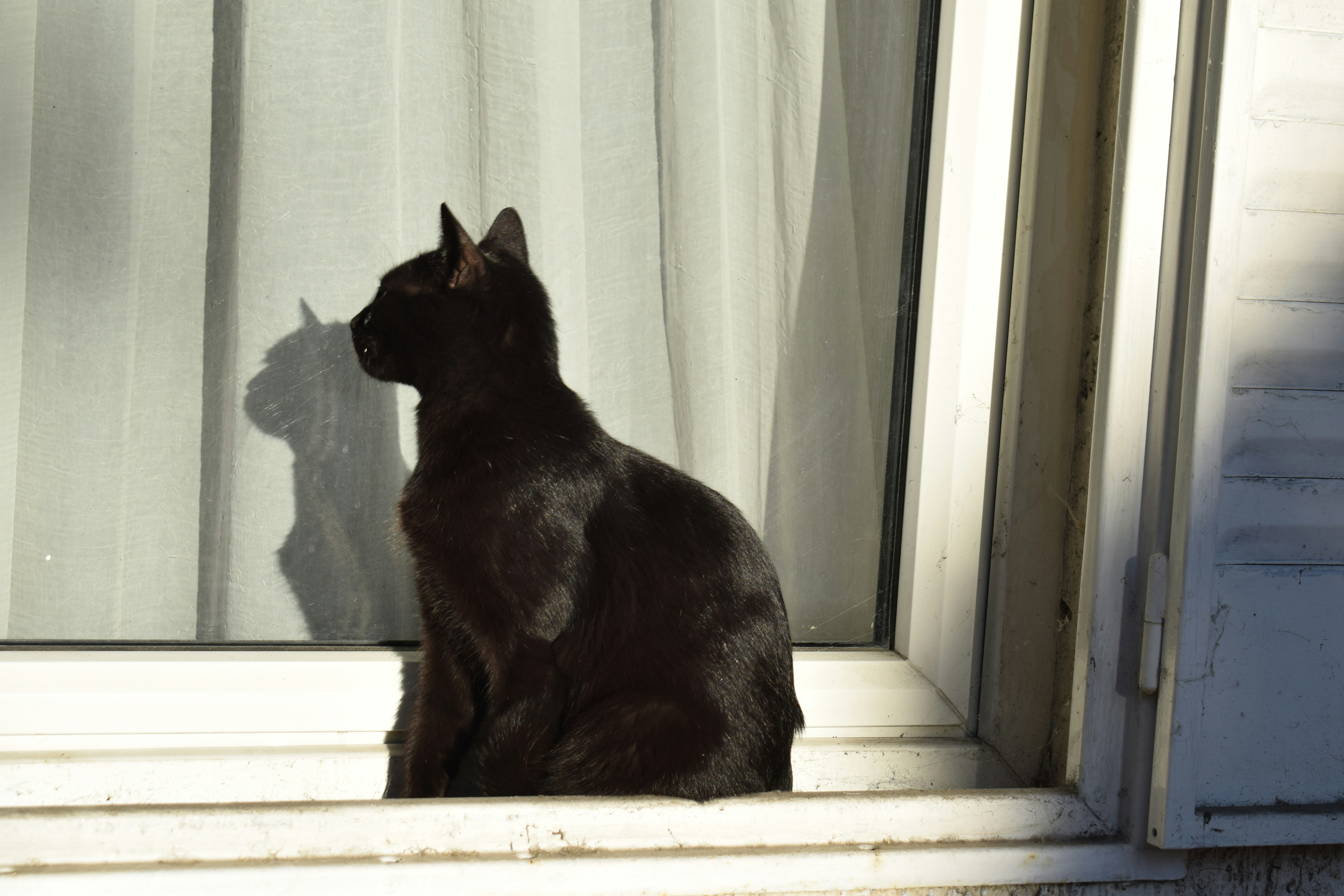
Cats don’t shout. They whisper in posture, tail flicks, and how long they hold your gaze. They’re quiet communicators, but they’re always saying something if you know how to read them.

That twitching tail? It might signal focus, excitement, or creeping irritation. Don’t assume it’s all play context is everything. Wide eyes can be a sign of surprise or tension. If the ears are back or flat, it’s probably the latter.

But when your cat starts kneading on a blanket (or your lap) or gives you a deliberate, slow blink, that’s trust. That’s comfort. It’s their way of saying you’re safe.

Learn to watch more than you listen. For a deeper guide on decoding your cat’s silent signals, check out our full guide to cat body language.

Eating, Sleeping & Grooming Habits Matter

Your pet’s daily patterns are more telling than most people think. A shift in appetite eating less or suddenly eating more can be an early sign of stress, illness, or even depression. Same goes for changes in sleep. Too much lounging? Restlessness at night? Don’t brush it off.

Grooming is another key signal. Cats especially are meticulous cleaners, so if they stop grooming, it’s often a red flag. On the flip side, obsessive grooming especially in dogs can point to anxiety or skin issues. These routines are your baseline. When something’s off, it usually means your pet is trying to tell you something.

Paying attention to these subtle changes gives you a head start. It’s not about panicking it’s about noticing patterns before they turn into problems.

When to Consult a Vet or Behaviorist

Some behaviors aren’t just your pet being “weird.” Sudden aggression, withdrawal, nonstop meowing or barking, even clinginess they’re all signals something could be off. It’s easy to shrug them off as quirks, but they often point to deeper issues.

Maybe it’s pain. Maybe it’s stress. Could be something in their environment you’ve overlooked. This is where bringing in a vet or certified behaviorist pays off. They can connect the dots between behavior and underlying health, or flag a change in routine that’s messing with your pet’s head.

Most problems don’t pop up overnight they build. Catching early shifts in behavior, even subtle ones, can save you time, stress, and money down the road. More importantly, it helps your pet stay healthy, both mentally and physically. Don’t wait until it’s obvious. If something feels off, trust your gut and get a pro involved.

Final Thought

Tuning into your pet’s behavior isn’t about mastering every quirk or decoding their every move. It’s about learning their language whatever that looks like and building real trust from it. When you know what’s normal for your animal, small changes don’t go unnoticed. That means you can catch stress or illness early, instead of reacting after things get worse.

Perfection isn’t the target. Connection is. The more time you spend paying quiet attention, the louder their body language gets. Whether it’s a stiff tail, a change in sleep patterns, or a look that just says something’s off you’ll catch it.

If cats are your companion of choice, dive deeper into their subtle signals with this in depth guide to cat body language.

Watching your cat get older is one of those things you don’t quite see coming. They slow down. They change. By the time the shifts look really obvious, several years of small age-related changes are usually already behind them. Vets classify cats as senior from age seven and geriatric from eleven. The most important changes start years before anything looks wrong, and almost all of them can be supported at home with a few small adjustments. 

This guide walks you through what really changes in senior cat care after age ten.

Diseases That Become More Common After 10

A handful of conditions become noticeably more common past ten, and the difference between catching them early and catching them late is significant.

Diabetes

Diabetes risk climbs sharply after age 10, particularly in cats carrying extra weight. The early cat diabetes symptoms include increased thirst and more frequent urination, plus weight loss despite a normal or even bigger appetite. 

These usually show up well before bloodwork would have caught the disease. The first thing you’ll often notice is your cat draining the water bowl faster than usual. KittySpout’s full guide covers the subtler signs too, including coat condition shifts and changes in gait and energy. When caught early, feline diabetes is manageable. Some cats even reach remission.

Chronic Kidney Disease

Chronic kidney disease is the most common serious diagnosis in older cats. The hard part is how quietly it progresses. By the time visible symptoms appear, a substantial fraction of kidney function is often already gone. 

Routine bloodwork from age seven catches it earlier, while interventions can still meaningfully slow the disease. Increased thirst is sometimes the only early sign you’ll notice at home, which is one reason hydration tracking matters from age seven onwards.

Hyperthyroidism

Hyperthyroidism is one of the most treatable senior diseases when it’s caught early. The signs look counterintuitive. Your cat loses weight while their appetite goes up. They become restless and develop a coarser coat, sometimes with a noticeably fast heart rate. It’s most common in cats over age ten and easy to confirm with a simple blood test. Treatment options range from daily medication to a one-time radioactive iodine therapy that resolves the condition permanently for most cats.

Adapting Your Home For A Senior Cat

Most of the changes that matter most aren’t medical. They’re environmental. A senior-friendly home reduces the daily friction that compounds into bigger problems.

Encouraging Water Intake Around The House

Multiple water stations placed away from food and litter increase the odds your senior cat will drink consistently across the day. A wireless cat fountain makes that setup much simpler. You can put fresh moving water in quiet low-traffic corners without running cables across the room. Most cats drink more from moving water than from a still bowl, and cats prefer drinking away from busy areas. 

KittySpout’s fountains use a stainless steel basin and a replaceable carbon filter, both of which matter more for senior cats because declining kidney function makes water palatability directly affect daily intake.

Litter Box Placement And Access

Litter box avoidance in seniors is almost always a mobility or placement issue, not a behaviour one. Low-sided boxes prevent the hesitation that comes with stepping over a high edge on stiff hips. Two or more boxes on the same floor matter more than they used to. Climbing stairs to reach the only box in the house is sometimes enough to cause accidents. Keep boxes away from food and water bowls and away from noisy appliances.

Soft Resting Spots And Warmth

Senior cats sleep more and feel cold more. A heated bed, a sunny window perch, or a soft blanket draped over a favourite chair gives your furry friend the warmth that eases stiff joints. Arthritis pain is consistently worse in cold weather, and a comfortable resting setup is one of the cheapest interventions in senior cat care. It’s also one of the most appreciated.

Why Hydration Becomes Harder To Maintain

Cat hydration matters more as your cat ages. Ironically, staying properly hydrated also gets harder. The reasons are part biology, part habit.

The Decline In Thirst Drive

Cats evolved from desert ancestors with a low natural thirst drive. They were built to pull most of their water from prey, not to drink it freely from a bowl. That low baseline becomes a real problem with age. 

Your senior cat needs more water to support declining kidney function, but feels less compelled to seek it out. The practical takeaway is simple: don’t rely on your cat to feel thirsty. Hydration becomes a setup problem you solve with placement and presentation.

What Healthy Daily Intake Looks Like

A useful rule of thumb is around 50-60 ml of total water per kg of body weight per day, counting water from wet food. A 4 kg senior cat needs roughly 200-240 ml across the day. The easiest way to track at home is to mark your cat’s water bowl level in the morning and check it 24 hours later. A sudden change in either direction is worth a vet call. Annual bloodwork from age seven catches hydration-driven shifts in kidney markers that often signal trouble first.

Diet Adjustments That Matter Most

Your older cat’s nutritional needs shift, and what worked at five or six often isn’t quite right by ten.

Protein And Calorie Needs Shift With Age

Your cat probably needs more digestible protein now, not less. The old advice to drop protein for seniors has been quietly revised. Newer thinking on feline kidney health suggests that keeping high-quality animal protein in your senior cat’s diet helps them hold on to lean muscle mass as they age. 

What matters most is digestibility and the quality of the source, not the headline percentage on the bag. If your cat is losing weight even though they’re still eating well, they almost certainly need more dietary support.

Why Wet Food Becomes More Important

Wet food matters more in senior nutrition because it doubles as a hydration vehicle. Cats on dry food have to pull most of their daily water from drinking, and aging cats are already prone to under-drinking. Switching to wet or partly-wet feeding gives your senior cat a steady moisture boost with every meal. There’s a dental reason too. Many older cats lose teeth or develop gum disease, and softer textures are much easier to eat. If your cat has snubbed wet food before, try warming it slightly to release more aroma.

Mobility Changes And Joint Support

Cats hide pain well, which is one reason most arthritis in seniors goes unreported. Your feline friend won’t tell you when their joints start to hurt, so you have to read the signs yourself.

Signs Of Arthritis Cats Try To Hide

Feline arthritis is more common in older cats than most owners realise. It’s now thought to be near-universal in cats over twelve, though very few cats are ever formally diagnosed. 

The signs are easy to miss. 

Your cat takes the long way around instead of leaping onto the windowsill they used to nail in one go. Litter box edges start getting missed. Grooming around the spine and hind legs drops off, because reaching back there has started to hurt. Sleeping spots migrate to lower furniture.

Small Home Adjustments For Better Kitty Joints

A few inexpensive changes can take a lot of friction out of an arthritic cat’s day. Pet stairs beside your cat’s favourite resting spots remove the hard jump onto and off the bed. Lower-sided litter boxes prevent the missed entries that come from stepping over a high edge on stiff hips. Non-slip mats give traction on hard floors. And heated beds help most in winter. Joint stiffness visibly eases with a bit of warmth, and your cat will seek it out on their own.

Understanding the Need for Pet Travel Gear

Traveling with pets requires specific gear to ensure their safety and comfort. Specialized pet travel accessories transform a stressful trip into a smooth experience.

Why Invest in Specialized Pet Travel Accessories?

Investing in specialized pet travel accessories enhances the trip for both you and your pet. Accessories such as pet carriers, travel bowls, and seat covers provide practical solutions for common travel challenges.

Pet carriers, for example, keep your pet secure during transit, minimizing the risk of accidents.

Travel bowls offer convenience, ensuring your pet stays hydrated and fed. Using seat covers protects your vehicle from pet hair and potential damage, maintaining cleanliness and comfort.

Evaluating Safety and Comfort for Pets

Evaluating safety and comfort for pets involves selecting the right gear. First, choose carriers with proper ventilation and secure closures to keep your pet safe.

Look for harnesses that distribute pressure evenly to prevent discomfort during travel. Consider items like calming sprays or travel beds to improve your pet’s comfort. Using these tools helps reduce stress, making the journey more enjoyable for your pet.

Types of Pet Travel Gear

Selecting the right pet travel gear ensures a hassle-free trip. This section delves into essential items that provide security and comfort.

Carriers and Crates

Carriers and crates offer safety and convenience. Carriers ensure pets stay secure in cars or planes. Soft-sided carriers (with handles and mesh windows) work for small pets.

Hard-sided crates (with metal doors and durable construction) accommodate larger pets. Choose one that allows your pet to stand, turn, and lie down comfortably. Proper ventilation and a leak-proof bottom add to comfort and cleanliness.

Harnesses and Seat Belts

Harnesses and seat belts prevent injuries in sudden stops. A well-fitted harness distributes pressure evenly and avoids choking. Look for padded harnesses that reduce strain on your pet.

Seat belts (designed for pets with adjustable lengths) attach to the car’s seatbelt system. The combination (harness and seatbelt) secures pets and lets them sit or lie down comfortably.

Portable Food and Water Containers

Portable food and water containers maintain pet hydration and nutrition on the go. Collapsible bowls (made of silicone or fabric) save space and are easy to clean.

Travel water bottles (with an attached drinking bowl) provide a convenient way to give water without spills. Ensure containers are leak-proof and easy to carry, avoiding messes and ensuring your pet’s needs are met anywhere.

Features to Consider When Choosing Pet Travel Gear

Selecting the right pet travel gear ensures that pets are safe and comfortable during trips. Consider the following features for an optimal travel experience.

Materials and Durability

Opt for high-quality materials to ensure long-lasting use. When choosing carriers and harnesses, look for sturdy fabrics like polyester or ballistic nylon. Metal fastenings and reinforced stitching provide added durability. Select gear made from water-resistant materials for easier handling during wet conditions.

Size and Portability

Ensure gear fits your pet’s size for comfort and security. Measure your pet’s dimensions before purchasing carriers or crates. Choose collapsible or lightweight carriers for easy transportation. Backpack carriers and foldable crates offer both convenience and comfort.

Easy to Clean and Maintain

Select gear that simplifies maintenance. Removable and washable pads in carriers help maintain hygiene. Materials like silicone or stainless steel in bowls and containers resist stains and odors. Look for gear with detachable components to ease the cleaning process.

Top Brands in Pet Travel Gear

When choosing pet travel gear, selecting trusted brands ensures quality and reliability. I’ll detail top brands known for their exceptional products.

Reviews of Popular Pet Travel Gear Brands

  1. Petmate
    Petmate is renowned for its diverse range of pet carriers. Their products feature sturdy materials and ergonomic designs. For example, the Petmate Sky Kennel offers enhanced security with its robust build and ventilation windows, making it ideal for air travel.
  2. Ruffwear
    Ruffwear specializes in outdoor and adventure gear. Their Load Up Harness exemplifies practicality combined with safety, designed for comfort during car rides and quick-release buckles for ease of use.
  3. Kurgo
    Kurgo excels in multifunctional travel gear. The Kurgo Car Seat Cover protects vehicle interiors from dirt and damage. Customers appreciate its water-resistant material and adjustable straps, ensuring a universal fit for most cars.
  4. Sherpa
    Sherpa leads the market in soft-sided carriers. The Sherpa Original Deluxe Carrier features mesh windows, padded straps, and a faux lambskin liner, ensuring pet comfort. It’s also approved by most airlines, adding convenience for frequent flyers.

Comparison of Cost and Value

Quality pet travel gear can be an investment, but getting the best value is crucial. Consider the following comparisons:

Brand Average Cost Key Features Value
Petmate $30-$150 Durable, ventilated carriers Highly reliable for various travels
Ruffwear $50-$100 Secure, comfortable harnesses Great for active lifestyles
Kurgo $20-$80 Versatile seat covers, easy to clean Excellent for car protection
Sherpa $25-$100 Airline-approved soft-sided carriers Favored by frequent travelers

Investing in these brands enhances travel safety and convenience, underscoring the importance of high-quality gear for both you and your pet’s travel experience.

Tips for Traveling with Pets

Traveling with pets requires careful preparation and attention to their needs. Following these tips will ensure a smoother, more enjoyable journey for both you and your furry friend.

Preparing Your Pet for Long Travels

Gradually acclimate your pet to travel conditions before taking a long trip. Begin with short drives, allowing them to get used to the carrier or harness. Increase the duration of these trips over time so your pet feels more comfortable.

Ensure your pet’s vaccinations are up to date. Carry a copy of their health records, especially if traveling across state or country borders. Pack enough food, water, and medications for the journey.

Choose a quiet, secure travel spot for your pet. Place the carrier in the back seat or use a harness to keep them safe. Avoid feeding your pet right before departure to minimize motion sickness.

Managing Pet Anxiety and Health on the Road

Combat pet anxiety by bringing along familiar items like their favorite toy or blanket. These items provide comfort and reduce stress. Take regular breaks every two to three hours to let your pet stretch and relieve themselves.

Monitor your pet’s health closely during travel. Look out for signs of stress or discomfort, such as panting, drooling, or restlessness. If these signs appear, take a break and provide water.

Avoid leaving your pet alone in the vehicle, especially in extreme temperatures. Heat can rise rapidly in parked cars, leading to dangerous conditions. Use a sunshade and keep windows slightly open for ventilation if you must leave them momentarily.

By following these tips, your pet can enjoy a safer, more comfortable travel experience.


Everyone deserves a break, but for pet owners, planning a holiday comes with extra emotional and financial strain. Leaving your beloved dog behind, whether in a kennel or with a trusted sitter, can be distressing. The worry, guilt, and rising pet care costs add unexpected pressure to what should be a time to relax and recharge.

According to recent research from TrustedHousesitters, the average cost of a week’s overnight care for a dog in the UK is approx. £204.61 per week, with luxury kennels charging as much as £560.77. Even if you choose to hire a sitter, overnight rates typically range from £60 to £75 per night, almost as much as a luxury spa treatment.

While many holidaymakers budget for their flights, hotels, and spending money, most don’t expect to have to fork out hundreds of pounds to ensure their pets are cared for while they’re away, but this is an additional expense that needs to be factored into their overall holiday budget.  Particularly in the summer holiday months, as pet care costs can skyrocket due to high demand for kennel space.

Another consideration is that if your return journey home from your holiday is struck by unavoidable delays and disruptions, its likely you’ll be charged extra kennel fees to keep your pet for any unexpected additional nights.

A money expert has revealed an easy ‘hack’ that pet owners should look out for to overcome these last-minute extra kennel fees if delays were to occur. The key is to buy the right travel insurance policy. Depending on their travel insurance, travellers can usually claim back any unexpected kennel fees for their furry companions if they have this travel delay benefit.

Hannah Mayfield, a money expert working with specialist travel insurance comparison company PayingTooMuch, says, “With the right policy the cost of pet care is covered in the form of additional kennel or cattery fees if you are delayed on your return home.

“It’s a small additional cover benefit but for anyone who travels and boards their pet, it’s reassuring to know you can recoup some of the cost if you were stuck abroad longer than anticipated,” she advises.

Not all policies include this benefit, but those that do gives you that extra peace of mind— not just from a financial point of view but also that your fury friends can continue to be looked after and remain in a safe place until you return.

“If you have pets, it’s best practice to check if your travel insurance policy covers unplanned additional boarding fees due to travel delays. It’s likely that certain policies will account for delays and disruptions and cover an extra day’s cost of taking care of your pet. Just remember to look under the ‘delayed return’ or ‘additional expenses’ section of your policy,” she advises.

Hannah also reminds travellers to have a contingency plan in place.  It’s a good idea to discuss a possible delayed return with their pet sitter or kennel and provide additional contact details, for a family member in the UK should a delay occur.

“To get the most out of your cover, compare the daily limit, as some insurers may offer more than others. Keep all official documentation of any delays – as you’ll need this to send to your insurer to claim for the extra kennel or cattery costs. Travellers should also check what counts as a valid delay; it’s usually something outside of your control, like a medical emergency, severe weather, airline cancellations, or air traffic control strikes,” she says.

Lastly, Hannah shares, “It’s a good idea to always compare travel insurance to see which policies offer cover for last minute kennel and pet sitting fees.  The right policy can help you recover these unexpected expenses, so it’s important to choose one that matches your needs. With many options available, look for insurance that offers the right level of protection for what matters most to you. That way, you can travel with greater peace of mind.”

Crash games on 1xBet have rapidly gained popularity in India due to their quick gameplay and high-risk, high-reward format. Each round typically lasts under 8 seconds, creating a fast-paced rhythm that keeps users engaged. Players of crash game place their bets before the multiplier starts rising—beginning at 1.00x and potentially climbing up to 500x if not interrupted. The catch? The multiplier can “crash” at any moment, and players must cash out before that happens to lock in profits.

Most Indian users place average bets ranging from ₹150 to ₹750, depending on their risk appetite. The lower end, around ₹150–₹250, is popular among new or conservative players. High-stake players often aim for multipliers between 5x to 25x, hoping for rapid gains. However, thrill-seekers sometimes aim for 100x or more, knowing that every millisecond counts in these short cycles.

Here’s what makes Crash games especially appealing:

  • Transparent multiplier chart, visible in real time.
  • Cash-out points of all active players displayed during each round.
  • Social and competitive element that lets users track top scorers.
  • 1.3 rounds played per minute, with over 70 rounds per hour.

These features create a dynamic ecosystem that rewards both skill and timing.

The most successful Crash game sessions are typically those with disciplined auto-cashout settings, often placed at 1.75x to 2.25x. This range balances safety and profit. While the 500x jackpot is rare, rounds reaching 50x–100x occur at least once every 75 rounds, according to gameplay trends from May–July 2025.

From strategy-based low multipliers to adrenaline-pumping 500x chases, 1xBet’s game Crash offers quick wins and high volatility wrapped into bite-sized rounds of under 8 seconds.

Chicken Road Slot: Vibrant Visuals, Chicken Cracks, and Lightning-Fast Rounds

Chicken Road is not your typical slot. It combines humour, high-speed gameplay, and cartoon-style graphics to create a memorable experience. Each 1xBet play Chicken Road round lasts just 6–9 seconds, letting users complete over 400 rounds per hour. What keeps players hooked isn’t just the pace—it’s the personality built into every detail.

One standout feature is the explosion animation. When a winning combo triggers, golden coins burst from the reels with glowing effects and dynamic lighting. Explosions are timed to player interactions, making each spin feel responsive and alive. These visuals are especially optimised for mid-range smartphones, which 1xBet reports as the device of choice for over 73% of Indian slot users.

The game’s quirky charm is boosted by voiceover sound effects from the animated chicken mascot. These include celebratory clucks, warning chirps before low multipliers, and hilarious panic sounds during bonus rounds. These voiceovers aren’t just funny—they build emotional tension during gameplay, heightening the thrill.

Players often describe the visual theme as a mix between arcade slot and animated cartoon, with bright red barns, flying eggs, and coin explosions keeping every round fresh. Reactions from Indian users have been overwhelmingly positive: in recent feedback polls, 82% of respondents rated Chicken Road’s design and effects as “extremely enjoyable.”

Round durations of 6–9 seconds also allow for repeated strategy testing. Many players use the auto-spin feature for up to 50 rounds, combined with betting ranges of ₹50 to ₹300. This creates consistency while chasing higher multipliers or triggering bonus effects like chicken stampedes or coin rain.

Ultimately, Chicken Road is more than a slot—it’s an animated experience packed with humour, action, and eye-catching effects. For Indian users 1xBet Chicken Road play seeking high-speed entertainment with comic flair, it’s an instant favorite. Its blend of speed, sound, and spectacle makes it uniquely memorable. Many users return daily just to hear the quirky chicken screams. And with new animations added regularly, the experience stays fresh round after round.

Most of us expect walks to be the easiest part of dog ownership — a bit of exercise, some fresh air, and a happy pup by our side. But what if your dog’s behaviour on walks is the complete opposite? Maybe they pull constantly, lunge at distractions, or freeze up and refuse to move. While training and socialisation play a big role, there’s one simple reason many people overlook: your dog’s gear might not be working for them — it might be working against them.

Sometimes, the issue is as simple as using the wrong fit or style of harness. A well-fitted, adjustable dog harness can help reduce discomfort, give you better control, and make the whole walk feel smoother for both of you. And if your current harness is too tight, too loose, or awkwardly designed? That alone could be the root of your walking troubles.

Here’s why that small detail makes a big difference — and how to set your dog up for better walks.

Why the Wrong Gear Causes Big Problems

A dog that pulls or reacts on walks isn’t always just “badly behaved.” In many cases, they’re uncomfortable, anxious, or unsure of what’s expected. Poor-fitting collars or harnesses can cause:

  • Chafing around the shoulders or armpits
  • Pressure on the neck or chest that feels restrictin
  • Lack of security, making dogs feel vulnerable
  • A general sense of tension, especially with restrictive gear

When your dog doesn’t feel physically at ease, they’re less able to stay calm or focus on your cues. That tension can show up as pulling, reactivity, or even avoidance behaviours like trying to turn around or lie down.

The Case for an Adjustable Fit

Every dog is built differently. A harness that fits one dog perfectly might be completely off for another — even if they’re the same breed or weight. That’s why an adjustable harness is often the best choice. It allows you to tweak the fit across the neck, chest, and body so the harness stays snug without rubbing or slipping.

Here’s what to look for:

  • Adjustable straps at multiple points (not just the belly)
  • Soft, padded edges that won’t dig into the skin
  • A design that allows full range of motion
  • Secure buckles that won’t loosen over time
    A properly adjusted harness can help your dog move more naturally and feel more confident, making them less likely to pull or panic when a distraction appears.

It’s Not Just About Control — It’s About Communication

Your gear isn’t just for keeping your dog close. It’s a communication tool. A harness that fits well and sits in the right place on your dog’s body gives clearer, gentler feedback through the lead. That’s important when you need to redirect your dog’s attention or guide them through a tricky spot.

With a poor fit, small corrections can feel like uncomfortable jolts — especially if the pressure hits sensitive areas like the throat. With the right harness, you can guide them smoothly and without confusion.

Signs Your Dog’s Harness Isn’t Working

If you’re not sure whether your current setup is the problem, watch for these red flags:

  • Your dog constantly scratches or bites at their harness
  • They flatten their ears or try to run when you bring it out
  • They pull more than usual, even in calm areas
  • They seem stiff or restricted in how they walk
  • You see red marks, fur loss, or rubbing where the harness sits

Even if you’ve been using the same harness for months (or years), it’s worth reassessing the fit and comfort — especially if your dog’s behaviour on walks has changed.

It’s Not Always the Dog — Sometimes It’s the Setup

Dogs are incredibly responsive to small changes in how we handle them. A better harness won’t magically solve every behavioural issue — but it can remove a major source of frustration or discomfort that’s been fuelling those problems all along.

Try switching to a more thoughtfully designed, adjustable harness and pay attention to how your dog reacts over the next few walks. You might be surprised how much more cooperative and relaxed they become when they feel secure and comfortable.

Sometimes the answers are simpler than we think. If your dog has been acting up on walks and training alone isn’t helping, take a closer look at their gear. A few small changes might be all it takes to turn stressful walks into something you both enjoy again.

We all know that dogs are a man’s and a woman’s best friend. Loyal, dependable, and unconditional in their love, they’re just the sort of companions that sports people need. They’ll be there to celebrate the victories and commiserate over the defeats.

In exchange, these lucky pooches can expect to be treated to a life of luxury and a VIP reception wherever they go.

There’s also a distinct trend for them to have a social media profile. Some are even starting to join the ever-swelling ranks of canine influencers, including several of these lucky pups.

Christopher Chip Rafael Nadal (Serena Williams)

When she’s not on the court, returning ball after ball to her training partner, one of the greatest players of all time, she is cuddling up to her cute little Yorkshire terrier. She’s so fond of him that she’s even given him the name of the similarly accomplished Spanish tennis ace. Roger Federer is said to be most put out by this revelation.

Steel and Silver (Patrick Mahomes)

Some say that the Kansas City Chiefs’ quarterback is the greatest of all time and features frequently in sports betting. So, it wouldn’t be a big surprise if he had a pet goat. But the more conventional Mahomes has gone for a pit bull and a cane corso with distinctly macho names of Steel and Silver. And when he throws a stick for them and calls “fetch,” they know they have a long chase ahead.

Anthony Edwards Jr (Anthony Edwards)

We’ve heard owners are starting to look like their dogs and vice versa. But having the same name is certainly a new twist on this. The Minnesota Timberwolves’ shooting guard said that he named his dog after him because, just like its owner, it also knows how to do everything. It’s unknown if Junior also shares his owner’s profound sense of modesty.

Lilo and Rambo Biles (Simone Biles)

The multiple Olympic gold medal-winning gymnast has nearly gone as far as Anthony Edwards, but at least she only shares a surname with her pair of French bulldogs. While she is all poise and grace, whether on the beam or the vaulting horse of the mat, she says that the troublesome twosome is always up to some mischief.

Lucy, Leo, and Jade (Lindsey Vonn)

Now that she has retired from professional skiing, Lindsey Vonn has more time to care for her three adorable rescue dogs. Their Instagram account is full of fabulous pics of the trio living their best life high up in the mountains, without a single black run.

Marosca (Cristiano Ronaldo)

The legendary Portuguese striker is well-known for his love of dogs. He even stepped in to save a struggling kennel by auctioning off a signed shirt and giving them the proceeds. So it’s not too big a surprise that he has a much-loved dog. What breed is Marosca?  He’s an excellent big golden retriever. And what could be more appropriate for a five-time winner of the prestigious Ballon d’Or?

Lua, Scooby, and Fluffy (Tom Brady)

Our next all-star quarterback started with just the one dog, Lua. But then the cute little beagle Scooby came up for adoption, and he just couldn’t resist giving him a new home. Not to be outdone, Brady’s partner Giselle Bundchen adopted her own adorable pup, Fluffy, and brought him home to join the other two. Although he hadn’t been consulted, Brady was delighted at the new arrival.

Atom and Humber (Alexis Sanchez)

He’s moved around a great deal in his career, but now he seems settled at Sevilla in Spain, which means that soccer star Sanchez can now have two dogs of his own. Atom and Humber are his golden retrievers – perhaps he’s hoping they’ll act as lucky charms to help him win his own Ballon d’Or just like Ronaldo.

Pacman (Manny Pacquiao)

It’s unknown whether it was his love of 1980s arcade games or just a desire to have a dog nearly named after him that led to his dog being called Pac-Man. He was often seen out with his owner on training runs in his owner’s boxing days, but had to take more of a back seat when Manny became a senator in the Philippines.

Onyx (Michael Phelps)

He was a great swimmer, and now he has a great dane at his side. Phelps has said that owning dogs has been vital for maintaining his mental health. Truly, man and beast in perfect harmony.

So there you have them – the dogs of the sporting elite. Now perhaps it’s time for someone to organise a show for them to decide which is the top dog.

Modern play rarely stays in one place. The session begins on a train, continues on a couch, and ends at a desk between emails. Cross-progression turns this zigzag into a single timeline, letting progress survive device swaps without drama. The idea sounds simple: one account, one cloud save, three screens in sync. The craft sits in the details.

Consider how a fishing mini-game inside a broader arcade loop travels between phone, tablet, and TV. A title such as jili royal fishing illustrates the promise when session flow feels portable, not fragile. Daily quests line up, rewards stack, and the save state behaves like a passport rather than a boarding pass with fine print.

Why Cross-Progression Matters Beyond Convenience

Attention moves in short bursts during commutes and longer stretches at home. Cross-progression respects that rhythm by carrying over currencies, unlocks, and settings. Learned inputs persist as well; control remaps, camera sensitivity, and colorblind modes arrive intact on each device. Monetization grows healthier when a single profile anchors purchase history across platforms, reducing duplicate buys and refund friction. Support also improves, since customer service can read one account log instead of chasing separate device histories.

What Cross-Progression Actually Solves — A Reality Check

  • Session continuity: Short mobile bursts convert into meaningful account growth that rewards the next sit-down session.
  • Frictionless setup: A QR or deep link ties a new device to the same profile in seconds, avoiding passwords and confusion.
  • Unified economy: Currencies, battle pass levels, and cosmetic unlocks update once, preventing accidental double spending.
  • Accessible control: Input preferences, subtitles, and assist options sync, so comfort does not reset at each login.
  • Trust by design: Consistent progress reinforces the sense that effort is respected, which keeps churn in check.

The Architecture Under the Hood

Good cross-progression starts with identity. Account linking needs to support email, platform IDs, and social sign-ins without forcing any single route. A slim, encrypted profile mirrors to the cloud at meaningful moments: checkpoint reached, inventory changed, or settings updated. Conflict handling matters. If two sessions touch the same record offline, a timestamp plus per-field merge logic prevents blunt overwrites. Telemetry flags dangerous loops, like rapid connect-disconnect cycles that can corrupt saves on unstable networks.

UX That Teaches Without Lecturing

A clean first-run teaches the entire flow. “Play here, continue anywhere” lands best when the claim is proven in under a minute. A small ceremony helps: finish a quick challenge on mobile, scan a code on TV, watch the reward arrive live. Success screens should name the account and device, not just show a check mark. Error states deserve plain language. If a sync fails, the interface should say what stayed local, what is safe in the cloud, and what to do next.

Business Rules That Don’t Backfire

Licensing can complicate portability when stores differ by platform. Clear rules keep goodwill intact. Cosmetic items and currencies should move freely. Competitive ladders might remain platform-segmented when input parity matters, but progression should still carry over. Cross-purchase policies deserve explicit pages inside the app, not just legal PDFs. Regions with privacy constraints need opt-in toggles that explain data use in one paragraph rather than ten.

A Studio Checklist for Shipping Cross-Progression — From Spec to Live Ops

  • Identity map: Document all sign-in options, fallback flows, and unlink procedures to prevent account traps.
  • Save schema: Separate hot data (inventory, currency) from cold data (cosmetics owned) to reduce sync payloads.
  • Conflict policy: Define per-field merge rules and friendly prompts when genuine choices must be made.
  • Observability: Add dashboards for failed sync rates, average payload size, and time-to-consistency after big events.
  • Graceful limits: Set caps on offline play duration and cache size, with on-device messaging before problems start.

Security Without Suspicion

Cheat prevention should not punish honest play. Server-authoritative sources of truth for economies and ranked stats stop obvious exploits. Device attestation can flag rooted environments, while sandboxed saves limit tampering. Backups require encryption and short-lived tokens. Support teams need a restore button for genuine accidents, with rate limits to avoid abuse. Transparency helps: a small “last cloud save” timestamp calms anxious users after network hiccups.

Measuring Success After Launch

Cross-progression pays off when day-seven retention improves for profiles linked across platforms. Session length might stay the same, but session count per day should rise as micro-play slots become safe. Look for reduced refund rates due to duplicate purchases and fewer tickets about missing items. Qualitative signs matter too: creators demonstrate device swaps on stream, and community threads focus on strategy rather than rescue missions for lost saves.

Closing Thought: One Story, Many Rooms

The best cross-progression treats devices like rooms in the same house. A session begins where time allows and continues where comfort invites. When identity, save logic, and UX cooperate, progress stops feeling fragile. The account becomes the real platform, not the hardware. One save, three screens, and a game that follows life’s pace instead of fighting it.


Benefits of Traveling with Pets

Traveling with pets offers several advantages that can enhance the experience for both you and your furry friend.

Emotional and Physical Benefits

Pets can significantly improve emotional well-being. Their companionship reduces stress and anxiety levels and increases happiness.

Traveling together ensures they stay active, promoting better physical health for both of you. Daily walks or hikes during your trip keep you both fit and engaged. An active pet is a happy pet.

Strengthening Bonds

Traveling with pets strengthens the bond between you and your animal companion. Shared experiences create lasting memories and reinforce trust.

When travel ends and we return to daily life, those beautiful moments can fade into obscurity. Enamel Pins Custom are a great way to preserve these precious memories. You can provide photos of you and your pet, create a design that represents your travels, or even incorporate details like your pet’s fur color or iconic elements from your destination into the design.

Enamel Pins Custom are custom-made just for you and your pet; no two are alike. It bears witness to your unique bond and those special travel moments. No matter how time passes, these Enamel Pins Custom will carry those precious memories with you and your animal companion, a testament to your everlasting love.

Overcoming challenges together, like navigating new environments or adapting to different accommodations, deepens your connection. The time spent provides opportunities for interactive play and communication, enhancing your relationship.

Planning Your Budget-Friendly Trip

Bringing your pet along on a trip doesn’t have to undermine your budget. Careful planning ensures a cost-effective yet enjoyable experience for both you and your pet.

Choosing Affordable Destinations

Selecting the right destination is crucial for budget-friendly travel. Research locations with pet-friendly accommodations. Prioritize places offering free or low-cost activities, such as national parks or public beaches.

Locations like Asheville, NC, and Portland, OR, often provide extensive pet-friendly venues.

Timing Your Travel for Savings

Travel during off-peak seasons to find better rates on accommodations and transportation. Look for discounts offered in late spring or early fall.

If flexibility isn’t an issue, mid-week travel often costs less than weekends. Booking flights well in advance can also yield significant savings.

Careful destination choice and timing enable an affordable and enjoyable travel experience.

Transportation Tips

Traveling with pets on a budget doesn’t have to be challenging. Here are some tips to help you save money and ensure a smooth trip with your furry friend.
Road Trips with Pets

Plan stops along the route to let pets stretch, use the bathroom, and burn off some energy. Use apps like BringFido to find pet-friendly rest stops and parks.

Pack snacks, water, and a travel-friendly pet bed to keep your pet comfortable. Avoid eating out frequently by bringing a cooler with meals for both you and your pet. Make sure your pet’s harness or crate is securely fastened to prevent distractions while driving.

Flying with Pets Economically

Choose budget airlines that offer affordable pet travel options. Compare the fees for pet travel among airlines before booking tickets.

Book flights during off-peak times to find cheaper fares and less crowded cabins. Use a soft-sided carrier that meets the airline’s requirements to avoid additional charges.

When checking in, inform the airline staff about your pet to prevent last-minute issues. Only take what’s necessary in your carry-on to avoid additional baggage fees. Monitor for discounts or promotions on pet travel through travel forums and airline newsletters.

Accommodation and Meals

Traveling with pets on a budget requires careful planning. Focusing on affordable accommodations and meal options ensures a cost-effective trip.

Pet-Friendly Hotels on a Budget

Finding budget-friendly pet accommodations involves researching and comparing options. Websites like BringFido and PetsWelcome list affordable pet-friendly hotels.

When booking, consider additional pet fees and policies. Negotiate directly with the hotel for possible pet fee waivers. Camping is another budget option, with many campgrounds accepting pets at no extra cost.

Online travel agencies often have discount codes or loyalty programs, which can reduce your costs further.

Saving on Meals and Snacks

Bringing your pet’s food saves money and ensures dietary consistency. Look for bulk deals on pet food before your trip. Packable snacks, like homemade treats, can minimize costs too.

Opt for accommodations with kitchen facilities to prepare meals for both you and your pet. Eating out less often reduces meal expenses.

Utilize local grocery stores for fresh and affordable ingredients. Portable water bowls ensure your pet stays hydrated without buying bottled water.

By planning ahead and using these strategies, one can smoothly manage pet travel expenses while ensuring a comfortable experience.

Packing Essentials for Your Pet
Thermometer

When traveling with pets on a budget, packing the right essentials ensures comfort and cost savings.

Must-Have Items for Comfort

Comfort items improve your pet’s travel experience. Bring their favorite bed or blanket to provide a sense of familiarity and security. Include toys to keep them entertained during downtime.

Pack enough food and treats to avoid buying overpriced options on the go. Bring a spill-proof water bowl for hydration and avoid the need for constant stops.

Add grooming supplies like a brush or comb to keep them looking their best. Finally, don’t forget their leash and waste bags to maintain hygiene during bathroom breaks.

Travel Kits to Save Money

  1. Assemble travel kits for your pet can save money.
  2. Create a first-aid kit with bandages, antiseptic wipes, and any prescription medications your pet may need.
  3. Pack reusable food containers to store leftovers, minimizing waste and cutting down on meal expenses. Include a portable pet carrier or crate suitable for different modes of transport.
  4. Invest in a foldable pet playpen to restrict movement safely in open areas.
  5. Bring along travel-sized pet toiletries to ensure hygiene without the added cost of buying them at your destination.

Managing Pet Needs on the Go

Keeping a pet happy and healthy during travel requires planning and attention. Focus on exercise breaks and emergency preparation to ensure smooth trips.

Exercise and Breaks

Regular activity keeps pets healthy and helps reduce stress. Plan frequent breaks during road trips. Aim for every 2-3 hours to let pets stretch and relieve themselves.

For longer stops, find local parks or rest areas with pet amenities. Pack toys or portable agility sets to keep them entertained. Monitor hydration closely, providing fresh water at each stop.

Handling Emergencies

Emergencies can arise without warning. Always carry a basic pet first-aid kit. Include items like:


  • bandages
  • tweezers
  • antiseptic wipes
  • digital thermometer

Identify nearby veterinary clinics along the travel route before setting out. Store contact info and addresses for quick reference.

For larger trips, consider investing in pet travel insurance to cover unforeseen medical expenses. Save electronic copies of your pet’s medical records on your phone or email for easy access.