
Understanding Your Pet’s Skin and Coat Health

Maintaining your pet’s skin and coat health is crucial for their overall well-being. Knowing the key indicators of health and being aware of common problems can help ensure they stay happy and healthy.

Key Indicators of Healthy Skin and Coat

  1. Shiny Coat: A shiny coat often indicates good health and proper nutrition. Pets with a shiny coat usually receive the right balance of nutrients, including omega fatty acids.
  2. Smooth Skin: Smooth and soft skin shows that your pet’s skin is well-hydrated and free from irritation. It should feel consistent without bumps or rough patches.
  3. Minimal Shedding: While some shedding is normal, excessive shedding can signal underlying health issues. A healthy pet will shed a manageable amount, with no significant hair loss.
  4. No Odor: Healthy skin and coat are usually free from unpleasant odors. An abnormal or strong odor could indicate infection or other issues.

Common Skin and Coat Problems in Pets

  1. Dry Skin: Pets may experience dry skin due to weather changes or allergies. Dry skin can appear flaky and cause constant scratching.
  2. Hot Spots: These are localized areas of skin inflammation that often become painful and intense. They may be caused by allergies, insect bites, or infections.
  3. Fleas and Ticks: These parasites cause significant discomfort and lead to more severe health issues if left untreated. Common signs include visible parasites, excessive scratching, and red, irritated skin.
  4. Skin Infections: Infections can result from bacteria, fungi, or yeast. Symptoms include redness, swelling, and sometimes discharge.
  5. Allergies: Allergies manifest as itching, redness, and sometimes sores. Pets can develop allergies from food, environmental factors, or parasites.

By understanding these indicators and issues, you can better care for your pet’s skin and coat health. Regular monitoring helps detect problems early and ensures your furry friend maintains a healthy, comfortable life.

Essential Tips for Maintaining Skin and Coat Health

A pet’s skin and coat condition reflect its overall well-being. By following essential care tips, owners can ensure their pets remain healthy and comfortable.

Proper Bathing Techniques

Bathing significantly impacts a pet’s skin and coat health. Use pet-specific shampoos that suit your pet’s skin type. For example, dogs with dry skin benefit from moisturizing shampoos.

Avoid over-bathing, as frequent washing strips natural oils. Typically, bathing once a month suffices for most pets. Rinse thoroughly to prevent shampoo residue, which may cause irritation. Always dry your pet completely to avoid fungal infections.

Importance of Regular Grooming

Regular grooming promotes a healthy coat and skin. Brush your pet’s fur according to its coat type—daily for long-haired breeds like Collies and weekly for short-haired breeds like Beagles.

Grooming removes dirt, spreads natural oils, and reduces shedding. Trimming nails, cleaning ears, and inspecting for parasites like fleas and ticks should be part of the routine.

Use appropriate grooming tools designed for your pet’s specific needs. Regular grooming sessions also strengthen the bond between you and your pet.

Balanced Nutrition

Nutrition plays a crucial role in skin and coat health. Provide a balanced diet rich in essential fatty acids, vitamins, and minerals. Omega-3 and Omega-6 fatty acids found in fish oils enhance coat shine and reduce inflammation.

For example, adding a teaspoon of fish oil to your dog’s food once a day can improve coat texture. Always consult a veterinarian before making dietary changes.

Hydration

Adequate hydration is fundamental for maintaining healthy skin and coat. Ensure your pet has constant access to fresh water. Dehydration leads to dry skin, making it susceptible to flaking and itching.

For pets reluctant to drink water, incorporating moisture-rich foods like wet cat or dog food may help.

Environmental Control

A pet’s environment impacts its skin and coat. Regularly clean bedding to remove allergens and parasites. Use hypoallergenic washes for pets prone to skin allergies.

If you live in a dry climate, consider using a humidifier to maintain skin moisture. Avoid prolonged exposure to harsh weather conditions by providing appropriate shelter.

By adhering to these tips, pet owners can actively contribute to their pets’ skin and coat health, ensuring a more vibrant, comfortable life.

Choosing the Right Products for Your Pet

Selecting appropriate products enhances the effectiveness of your pet’s skin and coat care routine. Focus on specifics under each product category.

Shampoos and Conditioners

Choosing the right shampoo and conditioner ensures effective cleaning and moisturizing without causing irritation. Medicated shampoos, for instance, address issues like dandruff, parasites, and infections.

For pets with sensitive skin, hypoallergenic options are ideal. Look for products with natural ingredients, such as:

  • oatmeal
  • aloe vera
  • chamomile

to soothe and hydrate.

Avoid shampoos with artificial fragrances and dyes, which can cause allergic reactions. Use conditioners to replenish moisture, especially for long-haired breeds. Conditioners with essential oils like coconut, argan, and jojoba promote shine and prevent tangles.

Supplements and Nutritional Aids

Incorporating supplements supports skin and coat health from within. Omega-3 fatty acids, found in fish oil supplements, reduce inflammation and enhance coat shine.

Biotin and zinc supplements improve skin elasticity and prevent dryness. Antioxidants like vitamins E and C combat oxidative stress and improve overall skin health.

When selecting supplements, consult your veterinarian for dosage recommendations tailored to your pet’s specific needs. Nutritional aids like specialized pet foods fortified with fatty acids, vitamins, and minerals contribute to a balanced diet, promoting healthy skin and a vibrant coat.

These product choices, combined with proper grooming and nutrition, ensure your pet maintains optimal skin and coat health.

Seasonal Care for Your Pet’s Skin and Coat
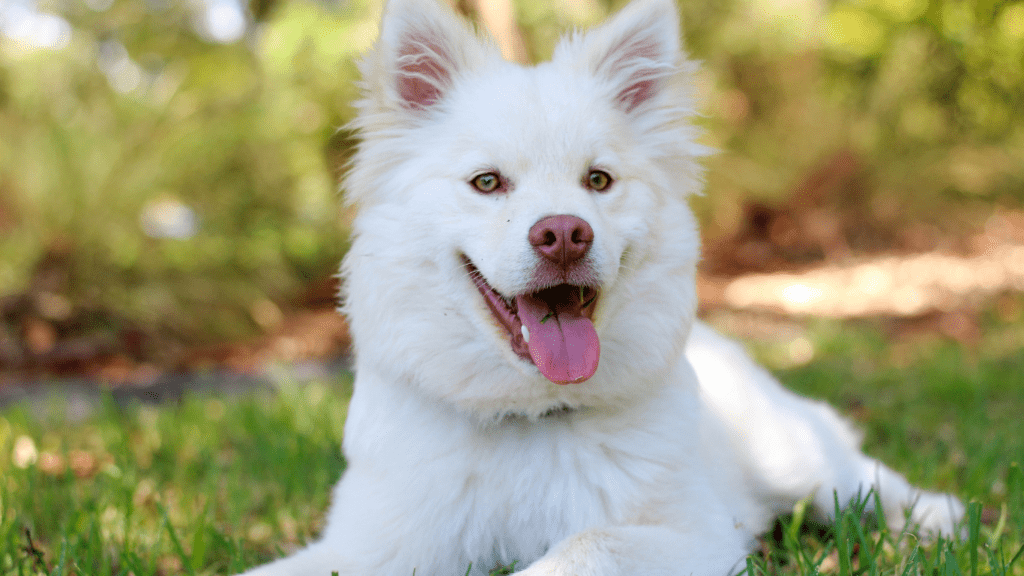

Caring for your pet’s skin and coat changes with the seasons. Let’s explore specific care tips for both winter and summer months.

Winter Care Tips

Winter brings challenges like dry skin and reduced humidity affecting your pet’s coat. To combat dryness, use a humidifier at home to maintain air moisture.

Increase hydration by providing fresh water frequently. Supplement their diet with Omega-3 fatty acids for added skin moisture. Avoid over-bathing to prevent stripping natural oils.

When bathing, use moisturizing shampoos. Regular brushing helps distribute natural oils and prevents mats and tangles. Protect your pet’s paws by using pet-safe balms to prevent cracking from cold surfaces and salt.

Summer Care Strategies

Summer care involves dealing with heat, humidity, and pests. Keep your pet cool by offering plenty of water and shade. Bathe them more frequently using a gentle shampoo to reduce dirt and allergens.

Use flea and tick preventatives consistently to guard against infestations. Regularly check for hot spots and ensure your pet’s environment is clean and cool.

Trim their coat if necessary, but avoid shaving as fur provides protection against sunburn. Increase brushing sessions to remove loose fur and prevent overheating.

Both winter and summer require different strategies to ensure optimal skin and coat health for your pets. Adapting care routines to seasons keeps your pet comfortable and healthy year-round.

When to Consult a Veterinarian

Pets may experience skin and coat issues that require professional attention. Spotting signs early and seeking treatment can prevent serious health problems.

Identifying Serious Skin Conditions

Serious skin conditions in pets often manifest through specific symptoms. Noticeable signs include persistent itching, red or inflamed areas, hair loss, or the presence of sores and scabs.

If pets scratch or lick excessively, it may indicate discomfort that warrants a vet visit. Swelling or unusual lumps on the skin can also be a cause for concern, as these may suggest underlying health issues like infections or tumors.

Changes in skin color or texture, such as thickening or darkening, should not be ignored.

Professional Treatments and Medications

Veterinarians can offer specialized treatments for various skin conditions. For bacterial infections, they may prescribe antibiotics. Fungal infections like ringworm often require antifungal medications.

Vets may treat allergic reactions with antihistamines or corticosteroids to reduce inflammation and itching. Parasites such as fleas or mites might necessitate specific treatments like topical or oral medications.

For chronic conditions such as dermatitis or autoimmune disorders, ongoing management with appropriate medication, topical treatments, and dietary adjustments may be needed.
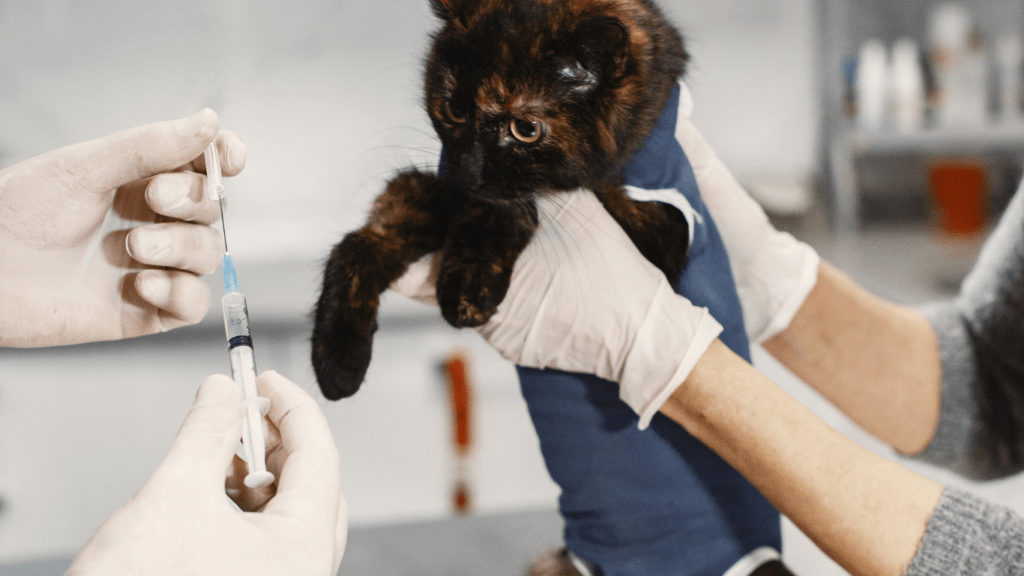
 

Understanding Your Pet’s Vaccination Schedule

Proper vaccination can prevent many diseases in pets. Vaccines stimulate the immune system to fight diseases without causing the illness.

Core Vaccines

Core vaccines are essential for all pets due to the risk and severity of diseases they prevent.

These vaccines include:

  • Dogs: Canine Parvovirus, Canine Distemper, Canine Adenovirus, Rabies
  • Cats: Feline Leukemia, Feline Viral Rhinotracheitis, Feline Calicivirus, Rabies

These vaccines are crucial because they prevent severe, often fatal diseases.

Non-Core Vaccines

Non-core vaccines vary based on the pet’s lifestyle and location.

These include:

  • Dogs: Bordetella, Canine Influenza, Leptospirosis, Lyme Disease
  • Cats: Chlamydophila Felis, Bordetella Bronchiseptica

Discuss non-core vaccines with your vet to determine if your pet needs them.

Puppy and Kitten Vaccination Schedule

Young animals need vaccines to build initial immunity. Puppies and kittens usually follow a strict schedule:

Age Vaccination
6-8 weeks Distemper, Parvovirus (Dogs), Rhinotracheitis, Calicivirus (Cats)
10-12 weeks Hepatitis, Parainfluenza (Dogs), Leukemia (Cats)
14-16 weeks Rabies (Both)

Puppies and kittens require boosters every 3-4 weeks until 16 weeks old.

Adult Pet Vaccination Schedule

Adults follow a different schedule from young animals. Annual or triennial boosters maintain immunity:

Frequency Vaccination
Annually Bordetella, Lyme Disease (Dogs), Leukemia (Cats)
Triennially Rabies (Both), Distemper, Parvovirus (Dogs), Rhinotracheitis, Calicivirus (Cats)

Maintaining this schedule ensures long-term health.

Special Considerations

Certain factors influence the vaccination schedule:

  1. Health Status: Pets with chronic diseases might need a customized plan.
  2. Environment: Pets in high-risk areas may require additional vaccines.
  3. Travel: If traveling internationally, check for specific vaccination requirements.

Importance of Vaccinations for Pets

Vaccinations play a critical role in safeguarding your pet’s health. They help prevent numerous infectious diseases, ensuring your pet’s longevity and well-being.

Benefits of Vaccinating Your Pet

Vaccines protect against contagious diseases like Canine Parvovirus and Rabies in dogs or Feline Leukemia in cats. They minimize the spread of these diseases within pet populations and to humans.

Healthy pets reduce healthcare costs by avoiding expensive treatments for preventable diseases. Regular vaccinations foster stronger immunity, ensuring your pet withstands potential infections.

Risks of Not Vaccinating

Unvaccinated pets face higher risks of contracting severe, potentially life-threatening diseases. They can also transmit diseases to other animals and humans.

Treating these infections often incurs significant costs and emotional stress. Mortality rates increase substantially when preventable diseases strike unvaccinated pets, undermining their overall quality of life.

Key Vaccines for Different Pets

Pets require vaccines to protect against diseases. These ensure their well-being and longevity.

Dogs: Core and Non-core Vaccines

Dogs need several vaccines to maintain their health. Core vaccines include Canine Parvovirus, Distemper, Canine Hepatitis, and Rabies. Veterinarians recommend these for all dogs due to their high risk and severity.

Non-core vaccines, given based on the dog’s lifestyle, include Bordetella, Lyme Disease, and Leptospirosis. Dogs frequently in contact with other animals or outdoors benefit from these additional protections.

Cats: Essential Vaccinations

Cats have specific vaccination needs. Core vaccines include Feline Viral Rhinotracheitis, Calicivirus, Panleukopenia (FVRCP), and Rabies. These protect against common, serious diseases.

Optional vaccines, for cats with higher exposure risks, include Feline Leukemia Virus (FeLV), Feline Immunodeficiency Virus (FIV), and Chlamydia. Indoor cats may only need core vaccines, while outdoor or multi-cat households might require others.

Exotic Pets: Special Considerations

Exotic pets like rabbits, ferrets, and birds have unique vaccine requirements. Rabbits often receive vaccines for Rabbit Hemorrhagic Disease (RHD) and Myxomatosis, particularly in regions prone to outbreaks.

Ferrets commonly need Canine Distemper and Rabies vaccines. Birds sometimes require vaccinations for Avian Polyomavirus and Pacheco’s Disease, depending on their environment. Consulting an exotic vet helps determine the best vaccination plan for these pets.

Vaccination Schedule for Pets

A well-planned vaccination schedule ensures that pets remain healthy throughout their lives. Pets require different vaccines at various stages of their lives to maintain strong immunity.

Puppies and Kittens: The First Year

During the first year, puppies and kittens need several core vaccines. Puppies typically require vaccines for Canine Parvovirus, Distemper, Canine Hepatitis, and Rabies.

Kittens often need vaccinations for Feline Viral Rhinotracheitis, Calicivirus, Panleukopenia, and Rabies. Both puppies and kittens start their vaccines at about 6-8 weeks old, with booster shots every 3-4 weeks until they are 16 weeks old.

During this period, non-core vaccines like Bordetella for puppies and Feline Leukemia for kittens may be considered based on their lifestyle and risk factors.

Adult Pets: Maintaining Immunity

Once pets transition from their first year to adulthood, maintaining immunity through regular vaccinations is crucial. Adult dogs typically receive boosters for core vaccines every 1-3 years, depending on veterinary guidance.

Similarly, adult cats usually need their core vaccine boosters every 1-3 years. Non-core vaccines might also require periodic boosting based on your vet’s recommendations and your pet’s specific exposure risks.

Senior Pets: Special Needs

Senior pets often have different vaccination needs due to their age and health status. As pets age, their immune systems may weaken, making them more susceptible to diseases.

While core vaccines remain essential, the frequency might change based on the individual pet’s health. Regular vet check-ups become even more critical to assess any necessary adjustments in their vaccination schedule.

Also, some non-core vaccines might be more important if the senior pet’s lifestyle includes increased exposure to certain diseases.

By following a structured vaccination schedule and consulting with your vet, pet owners can ensure their pets stay healthy and protected against preventable diseases throughout their lives.

Managing Side Effects and Reactions

Understanding how to manage your pet’s side effects and reactions to vaccinations helps ensure their safety and comfort. Knowing what to expect can make the process smoother and less stressful for both of you.

Common Reactions to Vaccinations

After vaccination, pets often show minor reactions. These reactions include swelling at the injection site, mild fever, reduced appetite, and sluggishness. Most reactions resolve within 24-48 hours. For example, a dog might be less energetic or a cat could avoid food temporarily.

When to Contact Your Vet

Contact your vet if your pet shows severe or prolonged reactions. Symptoms, such as persistent vomiting or diarrhea, facial swelling, difficulty breathing, or hives, indicate an adverse reaction. Immediate medical attention ensures your pet’s well-being and addresses any serious concerns promptly.


Understanding Your Pet’s Ideal Weight

Knowing your pet’s ideal weight is crucial for maintaining their overall health. Various factors influence pet weight, and assessing their body condition ensures tailored weight management.

Factors Influencing Pet Weight

Several factors impact a pet’s weight, including:

  • Age: Older pets usually move less and may gain weight easily.
  • Breed: Certain breeds, like Labradors and Dachshunds, have a higher predisposition to weight gain.
  • Diet: Overfeeding or providing high-calorie foods contribute to weight gain. Portions must match activity levels.
  • Activity: Pets that don’t get sufficient exercise often become overweight. Engaging them in regular physical activities helps maintain weight.
  • Health: Conditions like hypothyroidism and Cushing’s disease affect weight. Regular check-ups are essential to rule out these issues.

Assessing Your Pet’s Body Condition

To determine if your pet is at their ideal weight, use body condition scoring (BCS). This method evaluates fat deposits, particularly around the ribs, abdomen, and spine. Scores range from 1 (very underweight) to 9 (obese):

  1. Ribs: In an ideal weight pet, you can feel but not see their ribs. Excess fat obscures the ribs in overweight pets.
  2. Abdomen: A visible waistline and an upward tuck in the abdomen indicate a healthy weight.
  3. Spine: You should feel the bones without excess fat covering them.

Refer to the BCS chart provided by your veterinarian for precise evaluation. Regularly monitor and adjust your pet’s diet and activity levels based on these assessments.

Diet Management Tips
Fat Dog

Effective diet management ensures that pets maintain a healthy weight. Implementing the right strategies can make a significant difference in your pet’s overall health.

Choosing the Right Food

Selecting the right food is crucial for weight management. Look for high-quality, nutrient-dense foods designed for your pet’s age, breed, and health conditions.

Avoid foods with high fillers like corn or soy, which offer little nutritional value. For example, a senior dog might benefit from a diet lower in calories but higher in fiber. Consult your vet to identify the best food options tailored to your pet’s specific needs.

Understanding Portion Sizes

Proper portion control helps prevent overeating and weight gain. Follow the feeding guidelines on the food packaging as a starting point but adjust based on your pet’s activity level and metabolism.

Measure your pet’s food using a standard measuring cup to ensure accuracy. For instance, an inactive cat may only require half a cup per day. Regularly monitor your pet’s weight and adjust portions accordingly, consulting your vet if needed.

The Importance of Regular Exercise

Exercise is vital for maintaining your pet’s healthy weight. It boosts metabolism and prevents weight-related health issues.

Fun Exercise Ideas for Your Pet

  1. Fetch: Playing fetch with a ball or Frisbee keeps dogs active.
  2. Cat Toys: Engage cats with interactive toys like laser pointers or feather wands.
  3. Obstacle Course: Create a mini obstacle course in your backyard for physical and mental stimulation.
  4. Swimming: If available, swimming provides excellent low-impact exercise for pets.
  5. Agility Training: Enroll in agility classes that offer both physical exercise and mental challenges.

Setting an Exercise Schedule

Daily exercise benefits pets’ overall health. For dogs, aim for at least 30 minutes of activity twice daily. Divide cats’ playtime into shorter, multiple sessions to keep them interested.

Adjust the schedule based on your pet’s breed, age, and health condition. Consult your vet to determine the best routine for your pet’s needs.

Monitoring Progress and Adjustments

Regularly evaluating your pet’s weight helps maintain their health. Accurate tracking and timely adjustments ensure steady progress.

Keeping a Weight Log

Maintaining a weight log provides critical insights. Record your pet’s weight weekly. Include dates and weigh-in results. Ensure consistency by using the same scale and weighing conditions each time.

Document any notable changes in behavior, activity level, or diet. These records help identify trends, making it easier to determine if your current weight management plan is effective.

When to Adjust Diet and Exercise

Assess your pet’s progress monthly to decide if adjustments are necessary. Reduce portion sizes or adjust meal frequency if weight loss is slow.

Conversely, increase food intake if your pet loses weight too quickly, but do so gradually to avoid digestive issues. Modify exercise routines based on energy levels and body condition.

If your pet seems lethargic or isn’t losing weight despite regular activity, incrementally add more physical activities. Consult your vet before making significant changes to avoid negative health impacts.

Consulting Professionals

Consulting professionals can significantly aid in managing your pet’s weight. They offer personalized advice and help implement effective strategies.

When to Consult a Vet

Consult a vet if your pet’s weight changes suddenly or health issues arise. Vets conduct thorough exams to identify underlying medical conditions contributing to weight gain or loss.

Schedule regular check-ups every six months to monitor your pet’s weight and overall health. For signs like lethargy, reduced appetite, or difficulty moving, make an immediate appointment.

The Role of Professional Dietitians

Professional dietitians specialize in crafting bespoke nutrition plans. They assess your pet’s specific dietary needs, based on factors like age, breed, and activity level.

Dietitians recommend suitable food types and portion sizes, ensuring balanced nutrition. They also provide guidance on avoiding common feeding mistakes and advice on high-quality, nutrient-rich pet foods.

Consulting these experts optimizes your pet’s weight management plan and supports their overall well-being.


Decoding the Basics of Cat Body Language

Cats use their bodies to communicate a wide range of feelings and intentions. To deepen our understanding of these messages, let’s explore two key aspects: tail movements and ear positions.

Tail Movements and Their Meanings

  1. Upright Tail: Indicates a happy, confident cat. For example, when I see my cat’s tail standing straight up, I know she’s contentedly greeting me.
  2. Puffed-Up Tail: Signals fear or aggression. For instance, when my cat encounters a dog, her tail fluffs up dramatically.
  3. Slowly Swishing Tail: Shows irritation. My cat’s slow, deliberate tail movements often precede her deciding she’s had enough petting and wants to be left alone.
  4. Rapid Tail Flicking: Manifests intense feelings. When my cat rapidly flicks her tail, it usually means she’s overstimulated or agitated by something in her environment.
  5. Ears Forward: Denote interest or curiosity. My cat’s ears perk up whenever she hears an unfamiliar sound, showing her intrigue.
  6. Ears Back and Flat: Indicate fear or aggression. When my cat is frightened, her ears flatten against her head, signaling she’s either scared or ready to defend herself.
  7. Ears Turning: Reflect attentiveness or uncertainty. If my cat’s ears rotate frequently, she’s likely trying to pinpoint the source of a noise or feeling unsure about her surroundings.

Understanding these basic cues helps me better connect with my cat, ensuring she feels safe, heard, and cared for.

Understanding Expressions and Sounds

Recognizing your cat’s expressions and sounds deepens the understanding of their emotional state. Cats use eyes, blinks, and vocalizations to communicate subtle messages.

Eye Signals and Blinking

Cats convey emotions through their eyes. A slow blink signals trust and relaxation. To reciprocate, blink slowly at your cat. Dilated pupils can indicate excitement or fear while constricted pupils might signal aggression or tension. Observe these signals closely to gauge your cat’s mood.

Vocalizations and Their Contexts

Cats employ various sounds to communicate needs and feelings. A purr generally indicates contentment though it might also express discomfort when paired with other signals.

Meowing often conveys a desire for attention, food, or interaction. Hissing or growling signifies fear or aggression. Paying attention to these vocal cues helps in responding appropriately to your cat’s needs.

Key Gestures and Their Interpretations

Understanding specific cat gestures enhances the communication between you and your cat. Below are common gestures and their interpretations.

Kneading and Purring

Kneading, where a cat pushes its paws against a soft surface, usually indicates contentment and comfort. Cats often knead when they’re relaxed, associating it with the comfort of nursing as kittens.

Purring also signifies contentment but can serve as a self-soothing mechanism in stressful situations. Pay attention to the context your cat is in to understand the true meaning behind these actions.

Hissing and Arching

Hissing reflects fear or agitation. When a cat feels threatened, it’ll often hiss as a defensive mechanism. You may notice hissing during encounters with unfamiliar animals or sudden movements.

Arching the back, coupled with puffed-up fur, signifies a cat’s attempt to appear larger and more intimidating to potential threats. This gesture is a clear sign of fear or readiness to defend itself if necessary.

Practical Tips for Responding to Your Cat’s Cues
Practical Tips for Responding to Your Cat's Cues

Tail Movements

Understand tail language to interpret emotions. A gently waving tail usually means curiosity. When my cat’s tail puffs up, I know it’s scared or angry. I give it space to calm down. Recognizing these subtleties helps address my cat’s needs efficiently.

Ear Positions

Ear positions reveal a lot. Forward ears depict interest, while flattened ears signal fear or aggression. If I see my cat’s ears flatten, I avoid sudden movements and provide a safe space. These actions foster trust and reduce anxiety.

Eye Signals

Eye contact can communicate trust or discomfort. When my cat slow blinks at me, it’s a sign of affection. I return the slow blink to reinforce the bond. Avoid staring directly into a cat’s eyes if it’s in a defensive state, as this can escalate stress.

Vocalizations

Cat vocalizations vary. Purring often means contentment. If my cat meows repeatedly, it usually wants attention or food. I attend to these needs promptly. Responding to vocal cues quickly helps in establishing effective communication.

Body Posture

Body posture indicates mood. Arched backs often show fear. I avoid direct interaction when I see this. Instead, I create a calm environment. Similarly, when my cat kneads, it feels comfortable; I sometimes offer a soft blanket for added comfort.

Purring and Kneading

Purring and kneading signal contentment. When my cat purrs and kneads my lap, it’s happy. I gently pet it to further this positive association. These gestures encourage relaxation and enhance our relationship.

Hissing and Arching

Hissing and arching indicate distress. When I hear a hiss or see an arched back, I step back to avoid escalating the situation. Addressing the cause of distress, like removing a stressor, often helps.

Grooming

Excessive grooming can indicate stress. If my cat starts grooming too much, I assess potential stressors in its environment. Regular, calm grooming sessions help alleviate stress and reassure my feline friend.

Play Behavior

Play signals energy and engagement. When my cat starts playful behavior, I engage with toys like laser pointers or feather wands. This interaction not only provides exercise but also strengthens our bond.


Understanding the Importance of Heat Safety for Pets

Pets need extra care during the summer to avoid heat-related illnesses. High temperatures can pose serious health risks to our furry friends.

Why Heat Can Be Dangerous for Pets

Heat impacts pets differently than humans. Dogs, for example, primarily sweat through their paw pads and rely on panting to cool down. Cats groom more to regulate their body temperature.

Extreme heat can overwhelm these natural mechanisms, leading to heatstroke and dehydration. Brachycephalic breeds, such as Bulldogs and Persian cats, face higher risks due to their short nasal passages making them less efficient at cooling.

Recognizing Signs of Heatstroke in Pets

  1. Identifying heatstroke early can save pets’ lives.
  2. Common signs include excessive panting, drooling, lethargy, and difficulty breathing.
  3. Pets may also show signs of confusion, vomiting, and bright red or pale gums.
  4. Body temperature exceeding 104°F indicates an emergency.
  5. Immediate action, such as moving the pet to a cooler place and offering water, is crucial.
  6. Contacting a vet is essential if any of these symptoms appear.

Top 10 Tips for Keeping Your Pets Cool This Summer

Provide Plenty of Fresh, Cool Water

Fresh, cool water is essential for keeping pets hydrated in hot weather. Refill their water bowls frequently throughout the day. Consider adding ice cubes to the water for extra cooling. Use portable water bottles with attached bowls for outdoor trips.

Create Shady Sanctuaries

Design shaded areas in your yard or patio to offer pets a cool retreat. Use items like umbrellas or shade sails. Pets can also benefit from access to naturally shaded areas like trees and bushes.

Optimize Indoor Cooling

Keep your home cool by using fans or air conditioning. Use blackout curtains to block direct sunlight. Portable fans directed at the floor help cool pets lying down.

Use Cooling Mats or Wet Towels

Cooling mats and wet towels help lower your pet’s body temperature. Place a cooling mat in a favorite spot. Alternatively, use a damp towel for them to lie on for instant relief.

Adjust Your Pet’s Exercise Routine

Schedule exercise during cooler parts of the day, such as early morning or late evening. Reduce the intensity and duration of activities. Walk on grass instead of asphalt to protect paws from hot surfaces.

Offer Cooling Treats

Frozen treats like ice pops made from pet-safe ingredients can refresh your pet. Freeze pet food or plain yogurt in ice cube trays for easy-to-make treats that offer hydration and cooling.

Consider a Trim, But Not Too Much
Dog Feeling Hot

Trim your pet’s fur to help them stay cool, but avoid shaving them completely. Fur protects against sunburn. Consult with a groomer to find a safe length.

Use Pet-Safe Sunscreen

Pets can get sunburned, especially on areas with thin fur. Use pet-safe sunscreen on exposed skin like:

  • nose
  • ears
  • belly

Reapply as needed, especially if they swim or get wet.

Keep Your Pets Indoors During Peak Heat

Keep pets inside during the hottest parts of the day, between 10 AM and 4 PM. Use this time for indoor activities that don’t involve too much exertion.

Never Leave Your Pet in a Parked Car

Even with windows cracked, parked cars can become deadly hot quickly. Always take your pet with you. If that’s not possible, leave them at home where it’s safe and cool.

Additional Cooling Gear and Gadgets

Specialized cooling gear and gadgets can significantly help keep pets comfortable during hot summer months. Incorporating these tools into daily routines can make a substantial difference.

Cooling Collars and Pet Apparel

Cooling collars, vests, and bandanas can be highly effective. These products, typically made with cooling gel or water-activated fabrics, provide relief to pets (e.g., dogs, cats) by maintaining a lower temperature around their necks or body.

When activated, they can offer several hours of cooling, reducing the risk of overheating. Look for items that are lightweight and adjustable to ensure a comfortable fit for your pet.

Portable Pet Fans and Air Conditioners

Using portable pet fans and mini air conditioners can dramatically improve your pet’s comfort. These devices (e.g., battery-operated fans, USB-powered air conditioners) are perfect for use in kennels, travel carriers, or any enclosed space where your pet stays.

Portable fans can circulate air effectively, while mini air conditioners release a cool mist that can lower ambient temperature. Ensure the devices are designed specifically for pet safety and avoid placing them too close to where your pet sleeps or rests to prevent discomfort.


I’ve been covering pet content long enough to know when something weird is trending.

You’re probably here because you saw “baaadassheaven onlyfans” pop up somewhere and wondered what it has to do with pets. Fair question.

Here’s the thing: social media platforms are changing how pet owners share content. And some of those platforms aren’t what you’d expect.

baaadassheaven onlyfans has been getting attention lately in pet circles. Not for the reasons you might think.

I dug into what’s actually happening. Why pet content creators are using subscription platforms. What kind of content they’re sharing. And whether it’s worth your time as a pet owner.

This article breaks down the trend. I’ll show you what’s real and what’s just internet noise.

We track pet content trends across all platforms. We watch what pet owners are actually engaging with, not just what gets headlines.

You’ll learn what this trend means for pet care content, why it’s happening now, and whether it offers anything useful for you and your pet.

No judgment. Just the facts about where pet content is going and what it means for pet owners looking for good information.

Your Complete Guide to Latest Funding Trends in rprinvesting

I get it. You’re trying to figure out where the money is going.

The funding landscape changes fast. What worked six months ago might not work today.

This guide breaks down the trends that matter right now. You’ll see which sectors are getting attention and why investors are moving their money there.

I’ve watched these patterns shift and evolve. Some trends stick around while others fade out quickly.

You came here to understand the current funding landscape. Now you have that picture.

Staying informed about these trends helps you make better decisions. You can spot opportunities when they show up instead of hearing about them too late.

Here’s what to do next: Monitor real-time funding data in the sectors you care about. Check out baaadassheaven onlyfans for sector-specific opportunities. Use rprinvesting’s analytical tools to go deeper into the numbers.

The data is there. You just need to know where to look and what it means.

What This Means for You

You now understand where funding is flowing and what’s driving those decisions.

These trends give you a roadmap. They show you where smart money is moving and help you position yourself accordingly.

Start tracking the sectors that align with your goals. Watch the data and look for patterns that match your investment approach.

We’re committed to giving you transparent information and data you can act on. No fluff or hype, just what you need to know.

The funding world keeps moving. Your job is to stay informed and make your move.

What Are louska leaks?

At its core, louska leaks refers to an anonymous dump of classified or internal data from a series of private and public organizations. No flashy press conference. No Snowdenstyle whistleblowing. Just a quiet online presence—occasionally surfacing with bundles of raw data ranging from internal communications to intellectual property.

What made louska leaks stand out from typical hacks or leaks was its methodical approach. The leaks weren’t dumped en masse. Instead, they were staggered, curated even—published in a timeline that fueled speculation rather than immediate panic.

Why It Hit Different

Volume matters. So does intention.

Unlike scattered data breaches that crop up due to lax cybersecurity, this wasn’t someone stumbling into an unsecured AWS bucket. The leaked data showed signs of deliberate targeting—perhaps surveillance, maybe internal betrayal, definitely intent.

The industries affected also raised eyebrows. From pharmaceuticals to municipal surveillance firms, the scope was oddly specific without being predictable.

And then there’s the presentation. Whoever is behind the louska leaks isn’t chasing clout. No interviews. No hint of ideology. Each data drop came with brief documentation and barely enough commentary to verify it. Internet sleuths had to do the rest.

Privacy vs. Exposure

The digital age kicked off an ongoing debate about privacy, transparency, and leaks. Louska leaks dropped right into that gray zone. The data wasn’t necessarily scandalous—it was insightful. Things like encryption discussions, budget allocations, lobbying documents, and partnerships revealed how business and government connect behind the scenes.

Critics argue that airing this data, no matter how “harmless,” normalizes data intrusion. Supporters counter that the leak redacted or avoided personal client information, focusing on institutional behavior, which serves public interest.

Both sides have a point. But it’s equally clear that the leaks forced some big names to rethink their internal protocols.

Digital Fingerprints and The Hunt

Tracing digital leaks isn’t easy, and the louska leaks trail has gone cold more than once. Cybersecurity forums lit up with theories: insider job, nationstate involvement, decentralization tech gone rogue.

Whoever’s behind it covered their tracks—routed through nonextradition countries, burned servers, and even mimicked tagging patterns from past highprofile leaks, just to throw off scent.

Despite best efforts, attribution has remained elusive. And that’s part of what keeps the story relevant. There is no face to blame. Just data.

The Smaller Impact with Bigger Echoes

Unlike catastrophic leaks that cause immediate legal fallout or media frenzy, the louska leaks release didn’t crash markets or end careers. What it did was introduce quiet turbulence. Internal reviews got launched. External statements were put out. Contracts were revisited.

A few companies subtly rebranded. Some pulled back on controversial tech. A couple firmwide cybersecurity trainings suddenly showed up on calendars.

Not all change needs headlines. Sometimes, leaking just enough creates pressure without causing a collapse.

What Comes Next for louska leaks?

The leaks have slowed—but haven’t stopped. Every few months, new documents surface from the same alias, with no repeats and no filler. Every drop feels intentional, targeted, and relevant.

The real question isn’t just “who” or “why,” but—how many organizations are currently prepping in case they’re next?

So far, the signal is clear: operate as if you’re transparent—even if your contracts say otherwise.

For everyday users, the takeaway is simple. No system is truly opaque forever. Whether you’re inside a company or just watching from the outside, be the type of operator who’s not afraid of receipts.

Because with louska leaks, somebody’s always collecting them.

What Is toket telegram?

toket telegram is a unique integration of NFT utility and Telegram communities. It’s a toolkit that lets creators gate access to group chats based on token ownership. In practical terms: hold an NFT or a specific token, and you get access to exclusive Telegram channels. It brings NFT utility beyond just art—straight into community and engagement.

Not everyone wants (or knows how) to build a custom Discord server. Telegram remains the goto platform for many Web3 projects, especially outside the U.S., due to its simplicity and reach. Toket plugs right into that ecosystem, turning Telegram into a tokenpowered vault. No access? No token. It’s that simple.

Why It Matters Now

Let’s be real—most online communities struggle to stay active and valuable. Everyone promises “utility” for NFTs, but beyond airdrops or somedaymaybe games, what’s immediate?

That’s where toket telegram shines. It gives token holders immediate access to something useful: people, conversations, updates, perks. It becomes a proofofaccess tool that doesn’t require logging in elsewhere or connecting a wallet to every single platform.

Think premium newsletters, alpha groups, early release drops, even brand ambassador programs—all gated and managed through Telegram.

The Setup: Not Rocket Science

Surprisingly, you don’t need a coding background to use toket telegram. It usually involves:

  1. Linking your Telegram community with the Toket platform.
  2. Choosing which NFT collection or tokens grant access.
  3. Letting users verify wallet ownership through a secure authentication flow (often involving minimal wallet signature).
  4. Autoassigning access to the correct chat once they’re verified.

Even better, this setup prevents common headaches. Bots get weeded out. Freeloaders can’t sneak in. And for project admins, it adds a healthy layer of automation.

The Real Power: TokenGated Utility

Here’s where it really gets smart: creators can use toket telegram to drip content, run premium discussions, or host live AMAs limited to holders. They can even create tiered access across multiple channels — like VIP vs General.

Other examples popping up in the wild:

NFT projects airdropping codes and alpha to loyal community holders. DAOs managing working groups directly through tokenbased chat sorting. Crypto educators offering gated mentorship groups. Small Degen groups sharing premint opportunities privately.

This isn’t just about closing communities — it’s about curating them.

What Makes toket telegram Stand Out?

Telegram isn’t short of bots or addons, but few integrate both blockchain verification and access control so smoothly. Compared to Discord bots that often create a confusing blend of roles, token syncing, and permissions, Toket makes the experience leaner.

A few reasons it’s gaining traction:

Speed: Access is almost instant after verification. Security: Wallets don’t hold any permissions or tokens during the process. Frictionless UX: Users don’t have to learn a new app. Scalability: Works for 10 users or 10,000.

For communities buried in moderating fake accounts or trolling, it’s a sanitysaver.

Watch This Space

Projects using toket telegram have already started leveling up. The common thread? More focused communities, less noise. Instead of chasing follower counts, they’re investing in meaningful conversations with real stakeholders.

We’re just scratching the surface here. As NFT utility shifts from speculative collectibles to infrastructure and access layers, expect tokengated communities to become the new standard. Toket’s Telegram tool is one of the smoother bridges between this vision and the current state of online groups.

If you’re building in Web3 or managing any cryptolinked community, it’s probably time to test the waters with toket telegram. It’s not flashy, but it’s functional, direct, and it lets your token finally do something today. In a space full of promises about tomorrow, that’s worth paying attention to.

What Does “Mhm” Actually Mean?

In most contexts, “mhm” simply means “yes” or an acknowledgment. It’s a verbal nod turned into text. You’ve likely heard people say it in conversation—lowkey, drawn out, almost mindless when agreeing or just showing they heard you.

On Snapchat, where messages are short and fast, “mhm” keeps things moving without much effort. Depending on how it’s used, it could mean:

“I agree.” “I’m listening.” “Cool.” Or, in some cases, “I don’t really care, but I’m acknowledging you.”

It’s all about tone—which gets tricky in text. That’s why context matters.

The Tone Behind what does mhm mean on snap

To understand what does mhm mean on snap, consider how the conversation’s going. Here are a few scenarios:

1. Chill agreement: You say, “That movie was pretty good,” and they reply, “mhm.” No extra punctuation, no extra words. It’s just them agreeing with what you said. It’s casual, nothing underneath.

2. Passive response: You’re sharing a story, expecting more of a reply, and you just get “mhm”? That could mean they’re distracted, bored, or not feeling the convo. It’s still polite—it’s not ignoring you—but it might be signaling low engagement.

3. Flirting or sarcasm: Tone gets blurry here. If it comes after a compliment or playful tease—“You miss me already?” > “mhm”—you’ve entered flirty territory. The same word could also mean sarcasm, depending on your relationship with the person.

Basically, “mhm” doesn’t have a single meaning. On Snapchat, where tone isn’t always obvious, knowing the vibe between you two is key.

Interpreting “Mhm” Based on Timing and Frequency

Getting an “mhm” once? Not a big deal. Getting it backtoback instead of actual replies? Now it’s time to think.

Occasional “mhm”: Normal. A lot of people use it instead of saying “yeah” all the time. Frequent and unengaged: Could be a sign they’re losing interest or just not into chatting on Snapchat in that moment. Always in response to personal stuff: May mean they have a hard time engaging emotionally or just don’t like text convos.

If they’re consistently short with you, combine these clues with overall behavior to know if it means more than just “yes.”

How to Respond to what does mhm mean on snap

Once you’ve figured out the vibe, respond accordingly.

If it feels neutral or positive, keep the convo going. Ask a followup. Say something that opens things up. If it feels dry and onesided, consider pulling back or switching gears. “All good? You seem lowkey today.” Now you’re reading the room without overreacting. If you suspect sarcasm or flirting, you can playfully match energy: “Mhm? That all I get?”

Remember—not every response needs deep decoding. But when you’re getting hit with a lot of vague replies like “mhm,” it’s okay to clarify.

Why Does It Matter what does mhm mean on snap?

Snapchat is built on fast, easy communication. That also makes it easier to misinterpret tone and intent. A small word like “mhm” gets read through the lens of your current mood, relationship, and expectations.

So when someone says “mhm,” you might be reading into it while they barely thought about it. That’s normal. But understanding these subtle signals helps you steer things—either deeper into conversation or gracefully out of a dry exchange.

Final Takeaway: Reading “Mhm” Without Overthinking

So to circle back: what does mhm mean on snap?

Most of the time, it’s just a casual “yes.” No hidden meaning. The best way to get clarity on anything vague is simple—look at the pattern, not one reply. And don’t be afraid to ask if the vibe feels weird.

Communication on apps like Snapchat is supposed to be quick, fun, and lowpressure. If you’re decoding every “mhm,” it’s worth stepping back and asking yourself: is it about the message, or about the connection?

Either way, now you’ve got the info to gauge it better.

Why Kids (and Adults) Keep Picking Up Crayons

The bendera palestin colouring activity isn’t just a pastime — it’s often a political and educational tool. In homes, schools, and social media, people use it to show solidarity. It’s simple and accessible. No need for protests or loud statements. A red triangle, green and black stripes, and a white background — small acts with visible impact.

Kids may first encounter the colouring page through school assignments. But these lessons usually go beyond just staying inside the lines. Teachers use it to spark conversations about geography, current events, empathy, and human rights.

Adults lean in too. Activists, artists, and parents often encourage the colouring page as a gateway for learning. It’s easy to print, easy to share, and even easier to personalize.

The Meaning Behind the Colours

You can’t talk about bendera palestin colouring without talking about symbolism. Here’s the fast version:

Red triangle: Resistance and sacrifice. Black stripe: The past, especially colonial history. White stripe: Peace and hope. Green stripe: Prosperity and the land.

So while it looks like a basic colour palette, each shade carries weight. That’s why even a child’s version, drawn in crayon, can hit home.

The Viral Side of Bendera Palestin Colouring

What started offline has gone digital. Social media brought the colouring pages to feeds, timelines, and DMs globally. Whether someone finishes their page and posts it with a quote, or adds it as a story highlight, the message spreads fast.

Templates bounce across platforms — PDFs via messaging apps, screen captures on Instagram, and live colouring in TikTok videos. You’ll find hundreds of interpretations: traditional colours, modern spins, mixed media versions with paint and fabric.

In many cases, these aren’t just drawings. They’re statements. That quiet act of colouring becomes a personal way to connect to a global issue.

Popular Templates and Where to Get Them

The great thing is that you don’t need to be an artist to join in.

Here’s how most people get started:

Free printable outlines: Just search for “Palestinian flag coloring page”. Many results are simple, printready PDFs.

Educational resources: Homeschool worksheets, classroom packs, and NGOsupplied materials often include info on history or geography alongside the flag.

Apps and design platforms: Tools like Canva and Procreate have templates too. You can share digitally or go the classic route and bust out the markers.

Tips for Helping Kids Explore Thoughtfully

When kids colour the Palestinian flag, it’s easy for the adult to miss the teachable moment. If you’re a parent or teacher, use the time strategically:

Add context: Explain where Palestine is. Keep it ageappropriate but honest. Talk symbols: What does each colour represent? Encourage questions: Kids will ask. Let them. Guide, don’t script.

Even a fiveminute conversation during art time can lead to big questions and growth. That’s the goal — not just knowledge, but empathy in action.

When Art Becomes Advocacy: The Power of Intent

The strongest art isn’t always the most detailed — it’s the most intentional. That’s why bendera palestin colouring matters. It’s about taking a pause, choosing your colours, and putting them on paper with purpose.

It’s an act of focus in a noisy world. A simple gesture of awareness over apathy.

And today, when conflict dominates headlines, that quiet moment with a blank flag outline gives people — young and old — room to reflect.

Final Thought

You might look at a colouring page and shrug it off. But pause for a moment. That page might be someone’s first step toward understanding injustice, or a child’s first exposure to solidarity. Bendera palestin colouring may seem small. Still, it carries a big message — one that vibrates far beyond lines and crayons.